Macron vs Germany: Who Really Runs Europe Now?
 ΧΡΟΝΟΣ ΑΝΑΓΝΩΣΗΣ 4 '
Πηγή Φωτογραφίας: AP Photo//Macron vs Germany: Who Really Runs Europe Now?

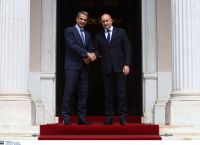
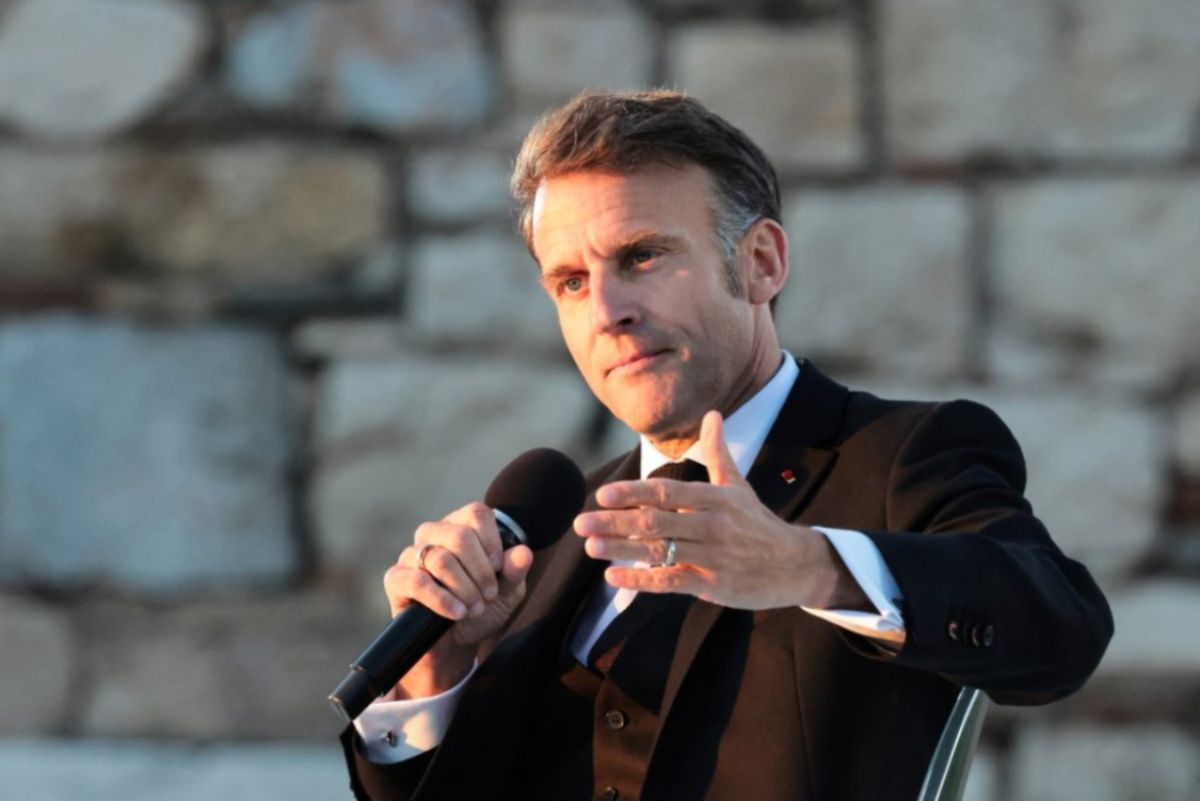
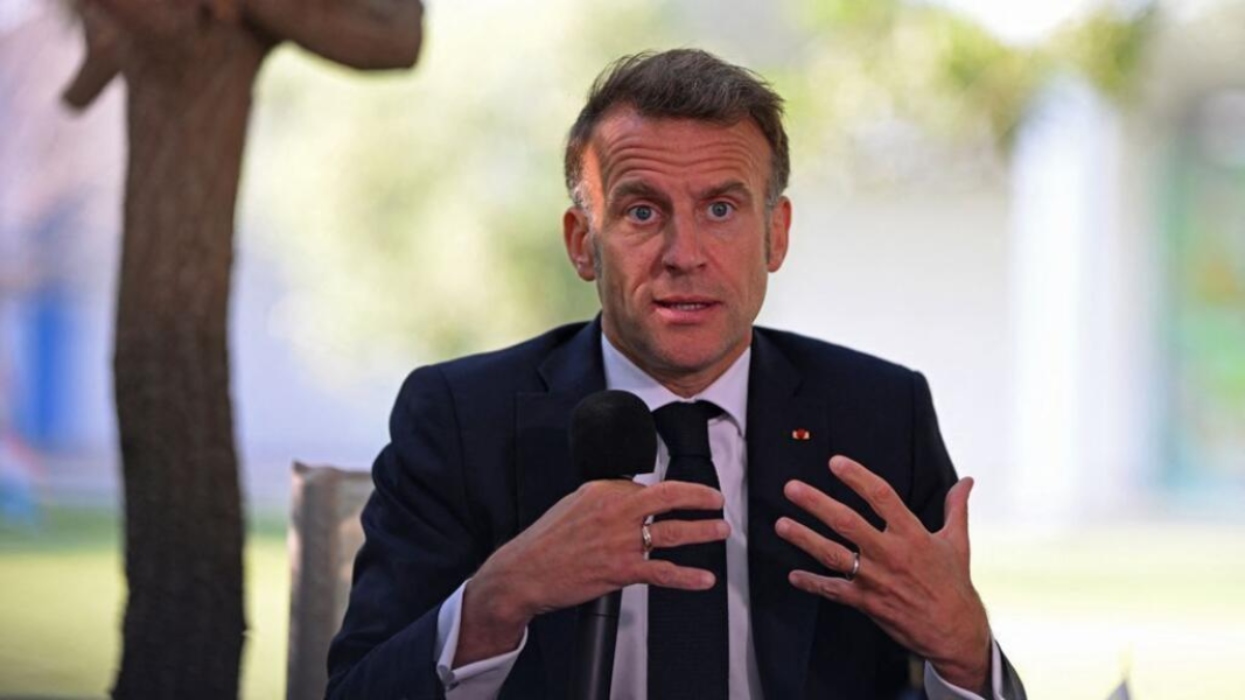
President Emmanuel Macron’s visit to Athens and his renewed push for “European strategic autonomy” revive a long-standing but now urgent question: who actually leads the European Union today—France or Germany?
The reality is that Europe no longer has a single center of gravity. Instead, it operates as a dual-power system, where Paris and Berlin both shape the EU—but in very different ways.
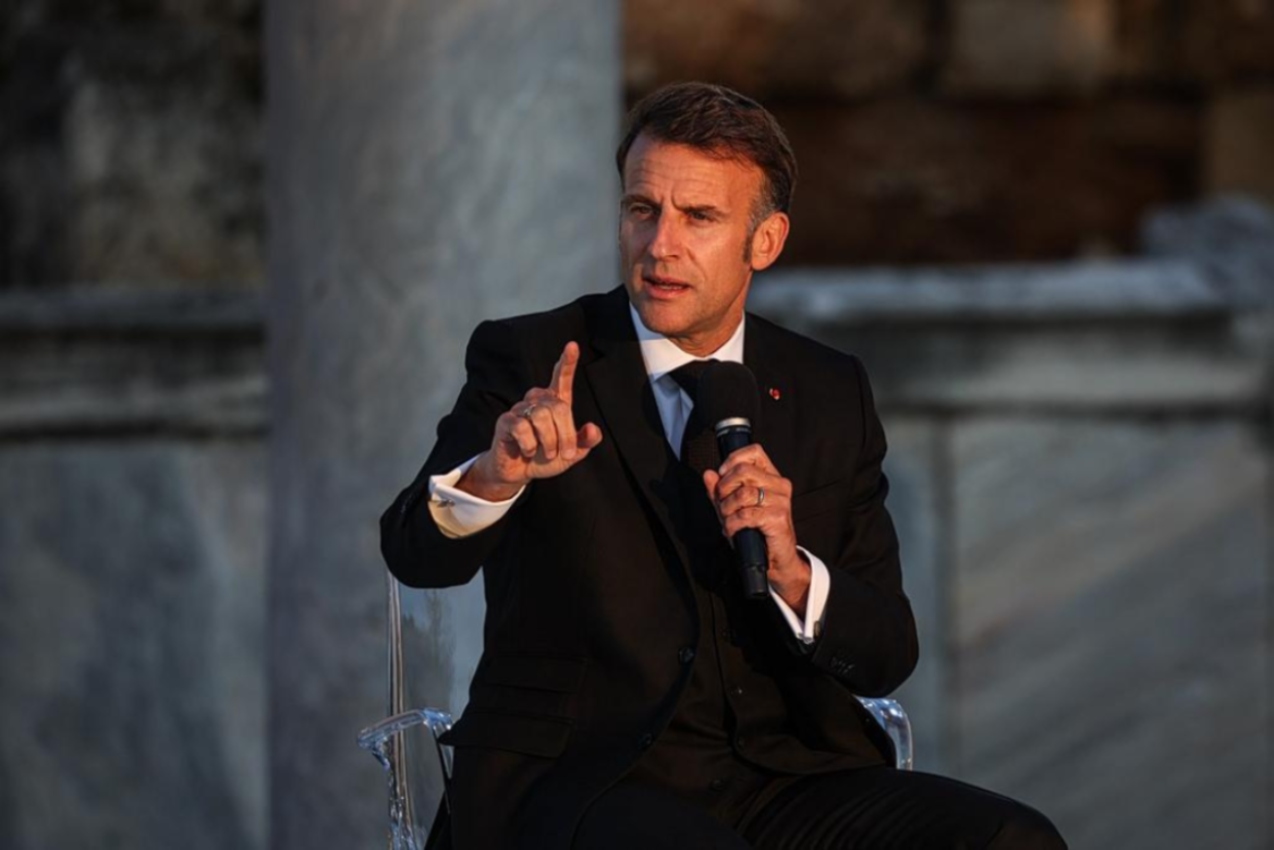
Macron: Europe’s “Geopolitical President”
Macron has consistently tried to reposition France as:
- the EU’s strategic leader
- a military and defense power
- and the driver of European sovereignty
Core message:
“Europe must be able to defend itself.” (Macron’s repeated strategic doctrine since 2017)
In practice, this translates into:
- pushing for a stronger European defense identity
- reducing dependence on the United States within NATO structures
- expanding French-led defense cooperation agreements (like with Greece)
- active diplomacy in the Mediterranean, Africa, and the Middle East
France acts as a “hard power political actor”, not just an economic player.
Germany: Europe’s “Economic Architect”
Germany remains:
- the largest economy in the EU
- the main contributor to EU financial stability
- the industrial backbone of Europe
However, post-Merkel and especially after the Ukraine war:
- German foreign policy is more cautious
- military leadership remains limited
- domestic politics prioritizes fiscal stability and economic security
German approach:
“Stability comes from economics and institutions, not military leadership.”
Germany acts as a system stabilizer, not a geopolitical initiator.
The Real Power Structure in Europe
Today’s EU is not led by one dominant power. Instead, it reflects a functional division of roles:
France → Geopolitical Power
- military capability
- nuclear deterrence
- foreign intervention capacity
- strategic autonomy agenda
Germany → Economic Power
- industrial dominance
- trade leadership
- fiscal influence
- institutional stability
In simple terms:
- France thinks like a strategic power
- Germany operates like a financial system
Where Greece Fits Into This Balance
Greece has increasingly leaned toward France for three key reasons:
1. Security guarantees
France provides:
- a mutual defense clause
- advanced military equipment (Rafale jets, frigates)
- rapid political support in Eastern Mediterranean tensions
2. Geopolitical alignment
Paris and Athens share interests in:
- Eastern Mediterranean stability
- Libya and North Africa
- energy routes and maritime security
3. Balance against Germany
Germany traditionally:
- prioritizes fiscal discipline and economic governance
- avoids direct military involvement in regional disputes
Who is “winning” in Europe?
It depends on what we define as leadership:
Economic dominance:Germany clearly leads.
Geopolitical influence: France is more active and visible.
Overall leadership: The EU has no single commander—only a divided authority system
Europe’s Structural Problem
The EU still lacks:
- a unified military force
- a single foreign policy doctrine
- a centralized geopolitical strategy
This creates a vacuum where:
- France fills the security/strategy gap
- Germany fills the economic/governance gap
There is no single “boss of Europe.”
- Germany remains the economic engine
- France is becoming the geopolitical strategist
- and the EU itself remains a hybrid system of shared but fragmented power
Macron is not replacing Germany—he is attempting to do what Germany avoids: turn Europe into a strategic global power.
Source: pagenews.gr
Διαβάστε όλες τις τελευταίες Ειδήσεις από την Ελλάδα και τον Κόσμο