The Deal Is Dead. Iran’s Revolutionary Guards Are Now Writing the Response
 ΧΡΟΝΟΣ ΑΝΑΓΝΩΣΗΣ 5 '

Πηγή Φωτογραφίας: AP Photo//The Deal Is Dead. Iran’s Revolutionary Guards Are Now Writing the Response



The Moment Diplomacy Lost Control
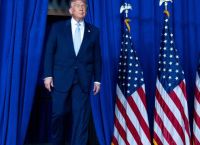
Donald Trump’s statement that the Iran deal is “over” acted as a political detonator.
Until then, Washington and Tehran were still operating within the fragile framework of an interim understanding designed to de-escalate the crisis, reopen the Strait of Hormuz and create space for negotiations toward a permanent settlement.
But once Trump said he no longer wanted to deal with Iran’s leadership, the message was unmistakable.
The diplomatic track was weakening.
Military pressure was returning.
The IRGC Takes the Wheel
The real shift is not only that Washington is hardening its position.
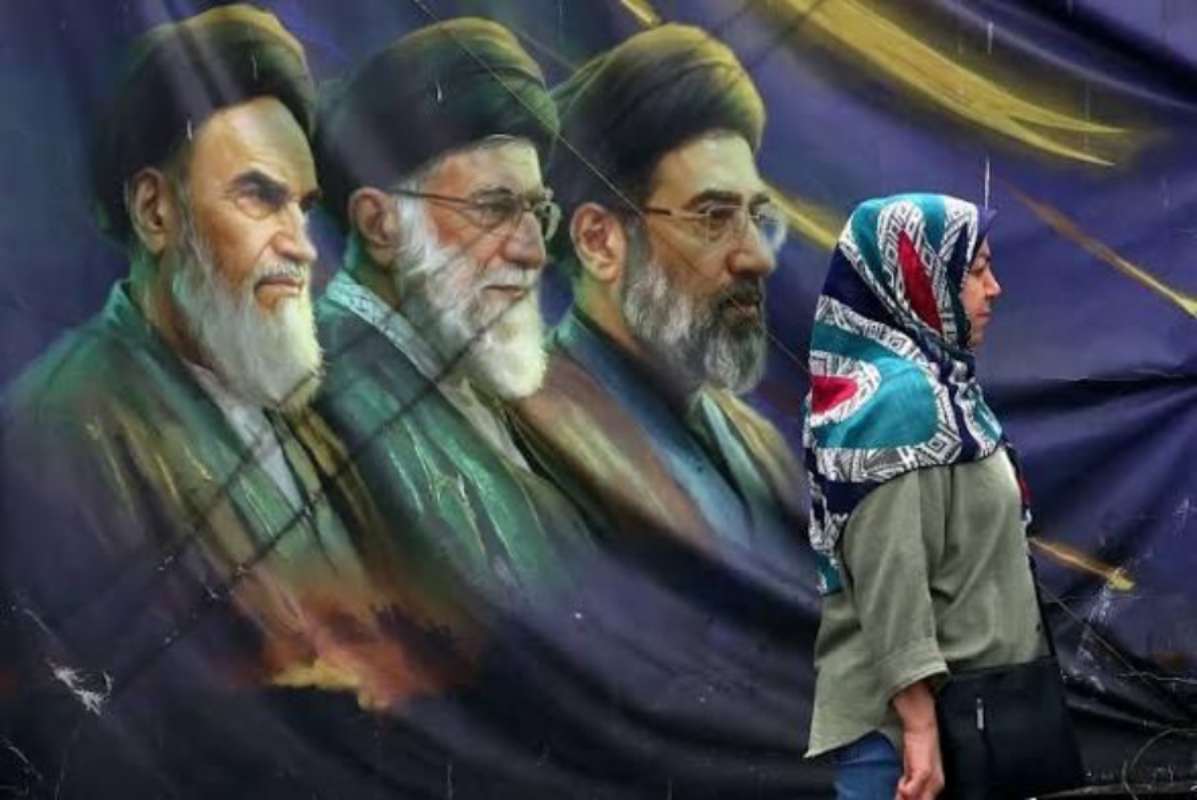
It is that inside Iran, the response is increasingly moving into the hands of the Islamic Revolutionary Guard Corps.
For the IRGC, this is not a diplomatic dispute.
It is a test of deterrence, regime survival and regional power.
The Guards do not believe U.S. pressure should be answered with concessions.
They believe it must be answered with cost.
That could mean:
- attacks on U.S. bases or regional partners,
- pressure in the Strait of Hormuz,
- proxy operations across the region,
- threats to commercial shipping,
- and a tougher nuclear posture.
Diplomacy has not disappeared.
But it is now operating under the shadow of military retaliation.
Trump Chose the Language of Punishment
Washington presents its latest moves as a response to Iranian attacks on commercial shipping and as an effort to defend freedom of navigation.
But Trump’s rhetoric has deepened the crisis.
When an American president publicly declares an agreement dead and personally dismisses Iran’s leadership, he narrows the space for an immediate return to negotiations.
For Tehran, such language is not merely insulting.
It is a challenge that demands a response.
And the institution most prepared to deliver that response is the IRGC.
Hormuz Becomes a Weapon Again
The Strait of Hormuz is the real battlefield.
Not only because it is one of the world’s most important energy corridors, but because it is where Iran holds its strongest asymmetric leverage.
Tehran does not need to defeat the United States in a conventional war.
It only needs to prove it can make international shipping more expensive, more dangerous and politically unsustainable.
That is why the Revolutionary Guards view Hormuz as a strategic pressure point.
Every drone, missile, naval warning or threat to commercial vessels sends the same message:
If Washington raises the military cost for Iran, Tehran can raise the economic cost for the world.
Iran Is Split Between Two Strategic Instincts
Inside Iran, two approaches are now competing.
The first is diplomatic.
It seeks to preserve the possibility of a deal, especially if negotiations can deliver sanctions relief, access to frozen funds and economic breathing space.
The second is hardline.
It sees U.S. pressure as proof that Washington only understands deterrence.
Trump’s statement strengthened the second camp.
The more Washington appears to abandon the agreement, the easier it becomes for the Revolutionary Guards to argue that diplomacy has failed and that only force can protect Iran.
The Nuclear File Returns Under Worse Conditions
The collapse of the deal is not only about Hormuz.
It also reopens the nuclear question.
If Tehran concludes that Washington has violated or abandoned the framework, hardliners may push for:
- reduced cooperation with international inspectors,
- higher levels of enrichment,
- withdrawal from previous commitments,
- or even a shift in nuclear doctrine.
That would transform a shipping crisis into a nuclear security crisis.
And once that happens, the room for compromise narrows dramatically.
The Middle East Enters Controlled Combustion
The most dangerous scenario may not be an immediate full-scale war.
It may be something more unstable:
a prolonged, controlled, but steadily escalating confrontation.
The United States strikes to restore deterrence.
Iran responds to avoid appearing weak.
U.S. allies in the Gulf go on alert.
Oil markets react.
Hormuz remains vulnerable.
And each new incident reduces the political space for diplomacy.
From a Western Political Intelligence perspective, Trump’s declaration that the Iran deal is “over” marks a change of phase.
The crisis is moving from diplomatic management to military deterrence.
In that arena, the IRGC carries far more weight than Iran’s diplomats.
The central question is no longer whether a deal still exists.
It is who controls Iran’s response.
If the Foreign Ministry sets the tone, some form of negotiation may still be possible.
If the Revolutionary Guards set the tone, Iran’s answer will not come through paragraphs.
It will come through missiles, drones, naval pressure and regional fronts.
The deal may have died in Trump’s words. But its real burial could happen in Hormuz, at the hands of the Revolutionary Guards.
Source: pagenews.gr
Διαβάστε όλες τις τελευταίες Ειδήσεις από την Ελλάδα και τον Κόσμο