Greece Becomes America’s LNG Gateway — Exarchou at the Center of the Balkan Energy Power Game
 ΧΡΟΝΟΣ ΑΝΑΓΝΩΣΗΣ 6 '
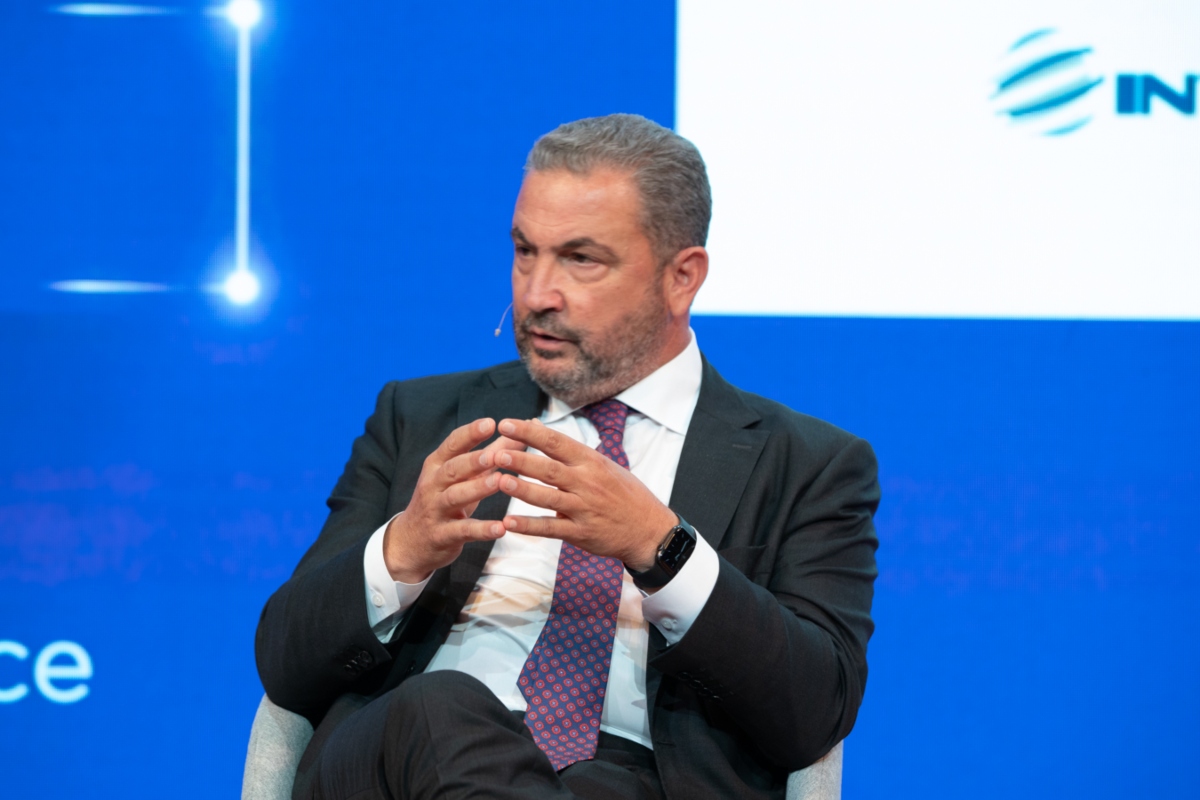
Πηγή Φωτογραφίας: eurokinissi//Greece Becomes America’s LNG Gateway — Exarchou at the Center of the Balkan Energy Power Game



The Western Balkans are rapidly emerging as the newest geopolitical battleground between the United States and the European Union, as Europe moves toward a complete phase-out of Russian natural gas by 2027.
A region once viewed as Europe’s neglected energy backyard is now becoming the focal point of a high-stakes struggle for influence, infrastructure and strategic control. Washington is pushing aggressively to replace Russian dominance with American LNG, new transportation corridors and long-term energy dependencies that would firmly anchor the Balkans within the Western sphere of influence.
At the center of this evolving strategy stands Greece.
Its geographic position, LNG infrastructure, ports, regasification facilities and expanding interconnection network have transformed Athens into a critical gateway for the U.S. energy agenda in Southeast and Central Europe.
And increasingly, one name is emerging at the core of this transformation: Alexandros Exarchou.
Through Aktor and its expanding regional energy footprint, Exarchou is positioning himself as one of the most influential private-sector actors in the American-backed restructuring of the Balkan energy map.
The U.S. strategy first became visible in Athens during the Transatlantic Energy Cooperation (P-TEC) summit, where American officials openly described Greece as the strategic platform for replacing Russian gas flows across the region.
“Energy flows should not be blocked by regulations and bureaucracy,” U.S. Interior Secretary Doug Burgum declared in Athens, sending a direct political message toward Brussels and its regulatory framework, which Washington increasingly views as an obstacle to rapid energy expansion.
The strategy accelerated dramatically on April 28 during the Three Seas Initiative forum in Croatia, where U.S. companies signed multi-billion-dollar agreements involving energy infrastructure and artificial intelligence projects across the Balkans.
The most significant development concerned the Bosnia-Croatia gas pipeline agreement, designed to transport American LNG from Croatia’s Krk terminal into Bosnia and Herzegovina. The €1.5 billion project, strongly backed by the Trump administration, will be developed through U.S.-linked investment structures tied to AAFS Infrastructure and Energy LLC.
The move triggered immediate concern in Brussels.
While the European Union supports reducing dependence on Russian energy, European officials fear that Washington is effectively integrating the Balkan energy architecture into a long-term American geopolitical and commercial sphere of influence — replacing one dependency with another.
Bosnia even amended legislation to facilitate the project, provoking warnings from the European Commission that billions in EU development funding could be jeopardized.
But the American strategy goes far beyond Bosnia.
Washington is gradually constructing a broader energy arc stretching from the Eastern Mediterranean through Greece and into Albania, North Macedonia, Serbia and Central Europe.
This is precisely where Exarchou’s strategic importance becomes evident.
Aktor is increasingly emerging as a regional operational partner within the U.S.-backed LNG expansion strategy. The first long-term American LNG supply agreement was already signed in Athens through Atlantic-See, the joint venture between Aktor and DEPA Commercial, marking a major step in integrating Greek business interests with Washington’s geopolitical energy objectives.
The next milestone came in Tirana.
On April 29, Aktor LNG USA signed an agreement with Albania’s state-owned Albgaz to supply 1 billion cubic meters of American LNG annually beginning in 2030. The agreement effectively places Albania inside the American energy sphere while positioning a Greek company as a principal gateway for U.S. LNG penetration into the Western Balkans.
At the same time, Aktor Energy signed a memorandum of cooperation with Albania’s Ministry of Infrastructure and Energy for the development of a regional energy hub and a 380 MW gas-fired power plant.
The broader Albanian strategy also includes a floating LNG terminal (FSRU) and the Fier–Vlora pipeline, projects designed to integrate Albania into the wider Balkan gas network and transform the country into another strategic entry point for American LNG.
In effect, Greece and Albania are now forming a parallel U.S.-aligned energy corridor across the Adriatic and the Eastern Mediterranean.
Washington understands that the next geopolitical battle will be won through infrastructure ownership and long-term contracts. This explains the push for binding LNG agreements that could lock Balkan countries into American energy supply chains for decades before competing suppliers emerge from the Middle East or the Black Sea.
Romania’s massive Neptun Deep gas field, expected to begin production by late 2027 through Romgaz and OMV Petrom, is already viewed as a future competitor in the race to dominate Eastern Europe’s energy market.
At the same time, the U.S. strategy extends beyond energy itself.
American investment group Pantheon Atlas recently signed agreements for a 1 GW artificial intelligence and data infrastructure project in Croatia, signaling that Washington aims to build an integrated system of influence combining energy, digital infrastructure and strategic investment throughout the Balkans.
Within this rapidly evolving landscape, Greece is acquiring unprecedented geopolitical importance.
Alexandroupolis is transforming into a strategic LNG hub for Southeastern Europe. Revithoussa is becoming a primary supply gateway. The Vertical Corridor is evolving into a critical energy artery connecting the Aegean with Central and Eastern Europe.
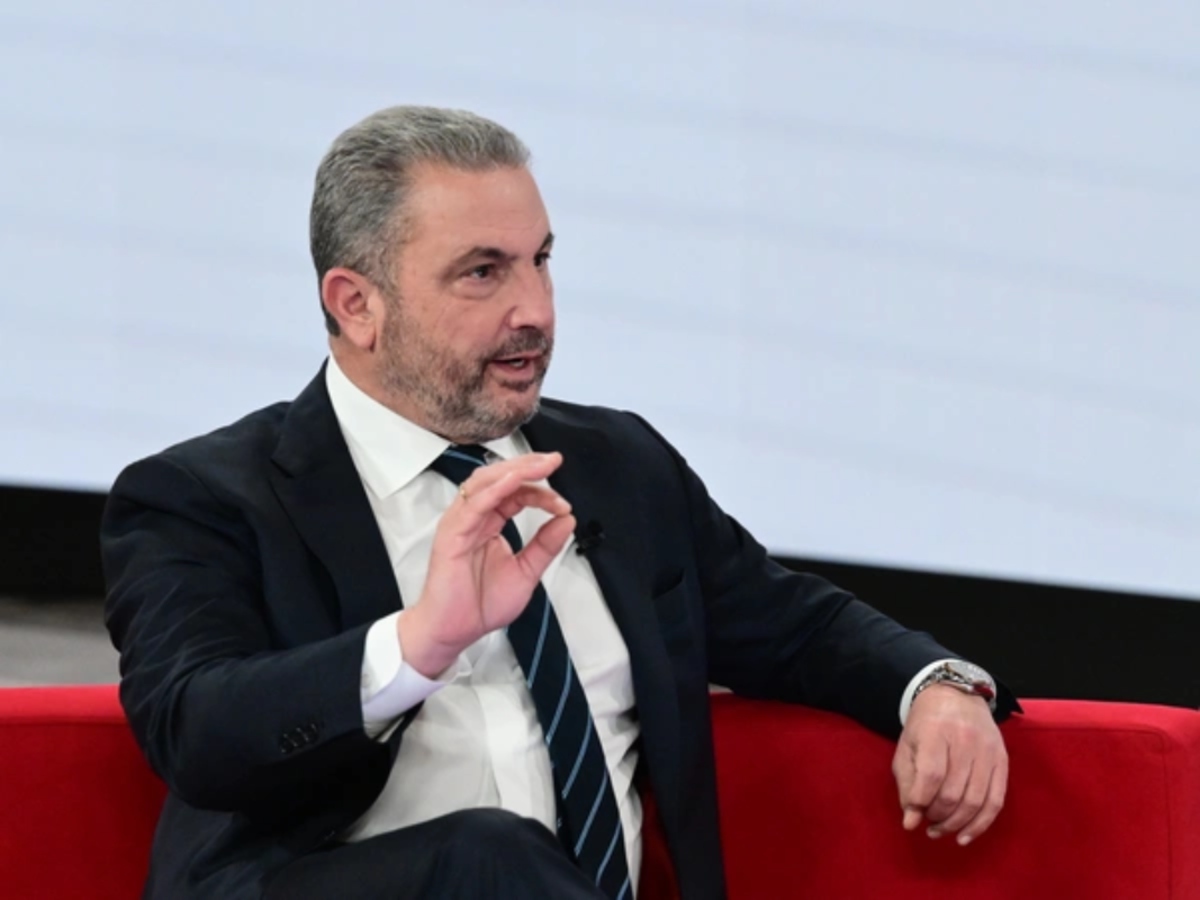
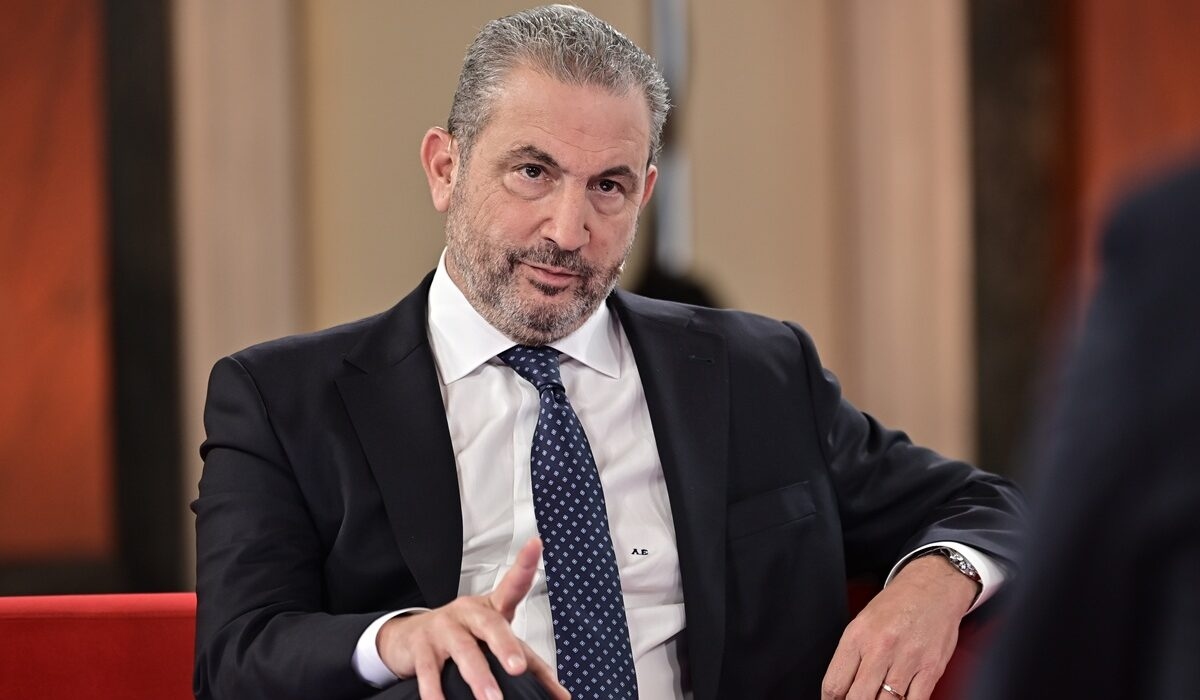
And Alexandros Exarchou appears determined to position Aktor at the center of every major development.
From LNG terminals and gas corridors to power generation and regional energy hubs, the Greek businessman is expanding precisely at the moment Washington is redrawing the geopolitical map of the Balkans.
The upcoming trilateral energy meeting between Greece, Serbia and North Macedonia on the Vertical Corridor is expected to become another decisive step in this transformation.
Because energy is no longer simply about economics.
It is geopolitical leverage. Strategic control. Long-term influence.
And Greece is now sitting directly at the center of the game.
Διαβάστε όλες τις τελευταίες Ειδήσεις από την Ελλάδα και τον Κόσμο