Turkish Foreign Ministry denies Pontic genocide,accuses Greece of “historical manipulation”
 ΧΡΟΝΟΣ ΑΝΑΓΝΩΣΗΣ 4 '
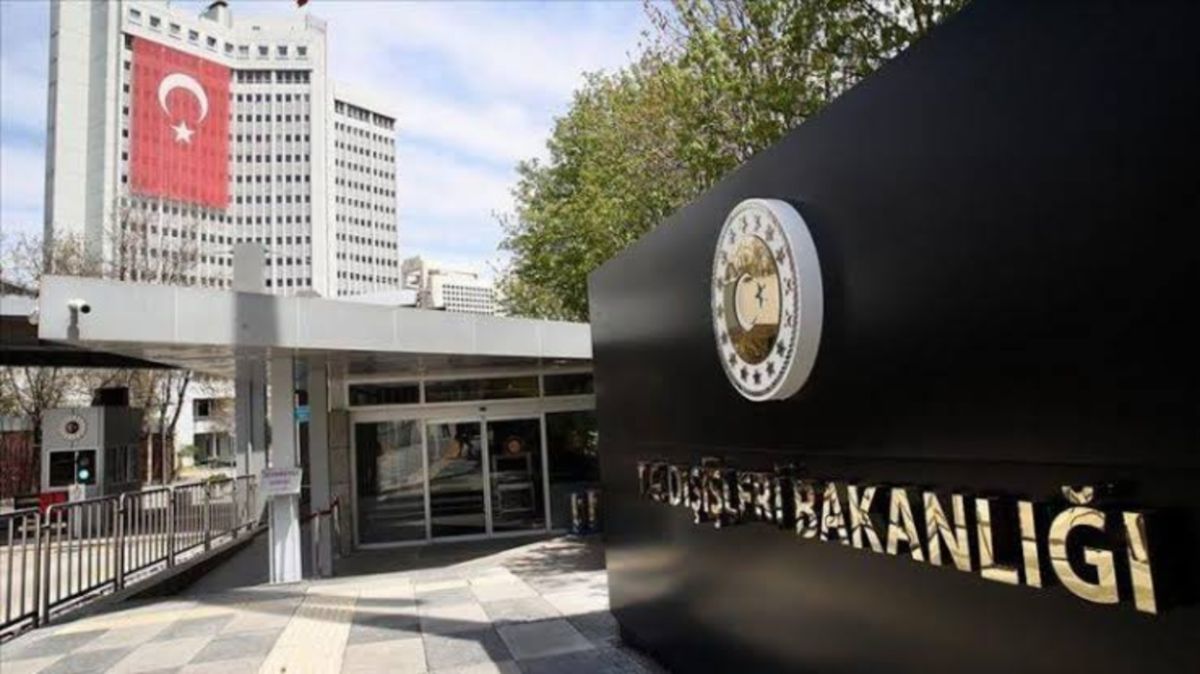
Πηγή Φωτογραφίας: AP Photo//Ankara escalates rhetoric: Turkish Foreign Ministry denies Pontic genocide, accuses Greece of “historical manipulation”



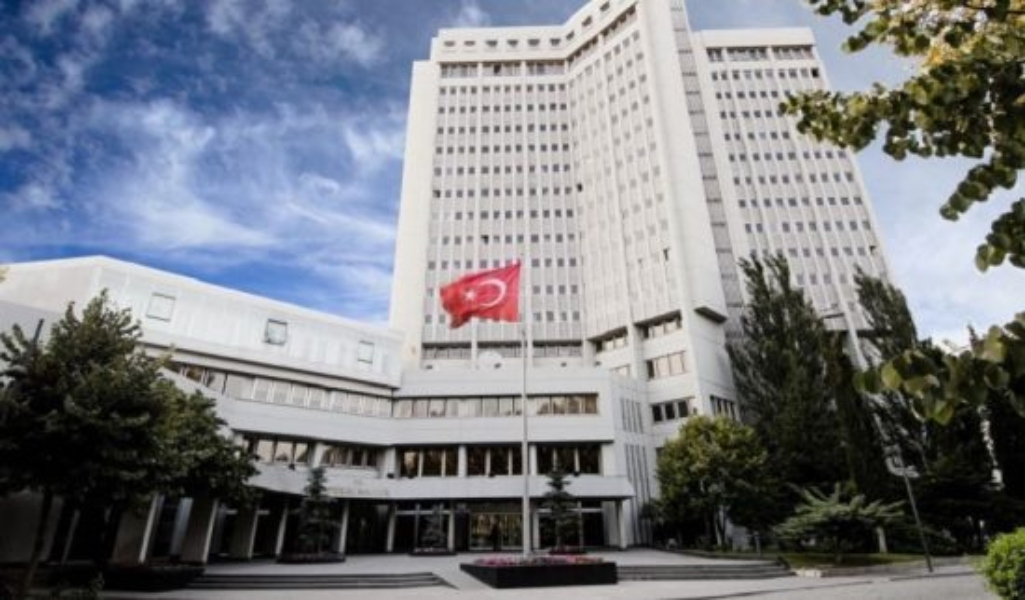
A new diplomatic clash has emerged between Greece and Turkey after the Turkish Ministry of Foreign Affairs issued a sharply worded statement rejecting the recognition of the Pontic Greek Genocide and accusing Athens of “exploiting history for political purposes.”
The statement was issued in response to Greece’s commemorations marking May 19, a day dedicated in Greece to the memory of the victims of the Pontic Greek community during the final years of the Ottoman Empire.
Ankara described the narrative surrounding the Pontic Genocide as historically unfounded and politically motivated.
SHARP RHETORIC FROM ANKARA
In its official statement, Turkey framed May 19 not as a day of remembrance for Pontic Greeks, but as the anniversary of Mustafa Kemal Atatürk’s landing in Samsun in 1919, which marked the beginning of Turkey’s War of Independence.
The ministry accused Greece of promoting “baseless allegations” regarding Pontus, arguing that these claims lack legal and historical foundation.
It further criticized Greek educational and legislative references to the issue, claiming that such narratives are transmitted through official channels and school curricula, reinforcing what Ankara considers a distorted version of history.
COUNTER-ACCUSATIONS OF “GREEK ATROCITIES”
In a highly confrontational tone, the Turkish Foreign Ministry went beyond denial and accused Greece of committing “atrocities” during the period of the Greco-Turkish War (1919–1922).
The statement referenced:
- alleged reports by Allied investigative commissions,
- provisions of the Treaty of Lausanne,
- and historical episodes during the Greek landing in Smyrna (Izmir) in 1919.
Turkey claims these documents record war crimes and abuses committed by Greek forces and other groups in Western Anatolia.
REFERENCE TO THE “MEGALI IDEA” AND SMYRNA
The Turkish statement also accused Greece of attempting to revive historical revisionism linked to the “Megali Idea” (Great Idea), referring to Greece’s early 20th-century territorial ambitions in Asia Minor.
It highlighted:
- the 1821 Tripolitsa massacre,
- and events following the Greek landing in Smyrna,
arguing that Greece selectively interprets history while ignoring its own past actions in the region.
CALL FOR “PEACEFUL RELATIONS” DESPITE TENSIONS
Despite the strongly worded accusations, the statement concluded with a call for restraint and improved bilateral relations.
Turkey urged Greece to stop “reopening historical hostilities” and instead focus on fostering cooperation and peace between the two countries.
However, the contradiction between the aggressive rhetoric and the diplomatic appeal has not gone unnoticed by observers.
A LONG-STANDING BATTLE OVER HISTORICAL MEMORY
The dispute reflects a deeply entrenched historical and political divide between the two NATO members.
Greece officially recognizes the Pontic Greek Genocide, commemorating the persecution and mass displacement of Pontic Greeks during the collapse of the Ottoman Empire.
Turkey, however, rejects the term “genocide,” arguing that the events are part of a broader and mutual conflict during a turbulent period of war and population movements.
As a result, historical memory itself remains a recurring source of diplomatic tension, often resurfacing during commemorative dates or periods of heightened bilateral strain.
Yunanistan’da 19 Mayıs 2026 Tarihinde Düzenlenen Bazı Etkinlikler ve Yapılan Açıklamalar Hk. https://t.co/Gaa2S5WtF0 pic.twitter.com/5ryWxS3F8p
— T.C. Dışişleri Bakanlığı (@TC_Disisleri) May 19, 2026
Source: pagenews.gr
Διαβάστε όλες τις τελευταίες Ειδήσεις από την Ελλάδα και τον Κόσμο