Inflation Roars Back: Prices Surge 5.2% as Housing, Fuel and Food Squeeze Households
 ΧΡΟΝΟΣ ΑΝΑΓΝΩΣΗΣ 5 '
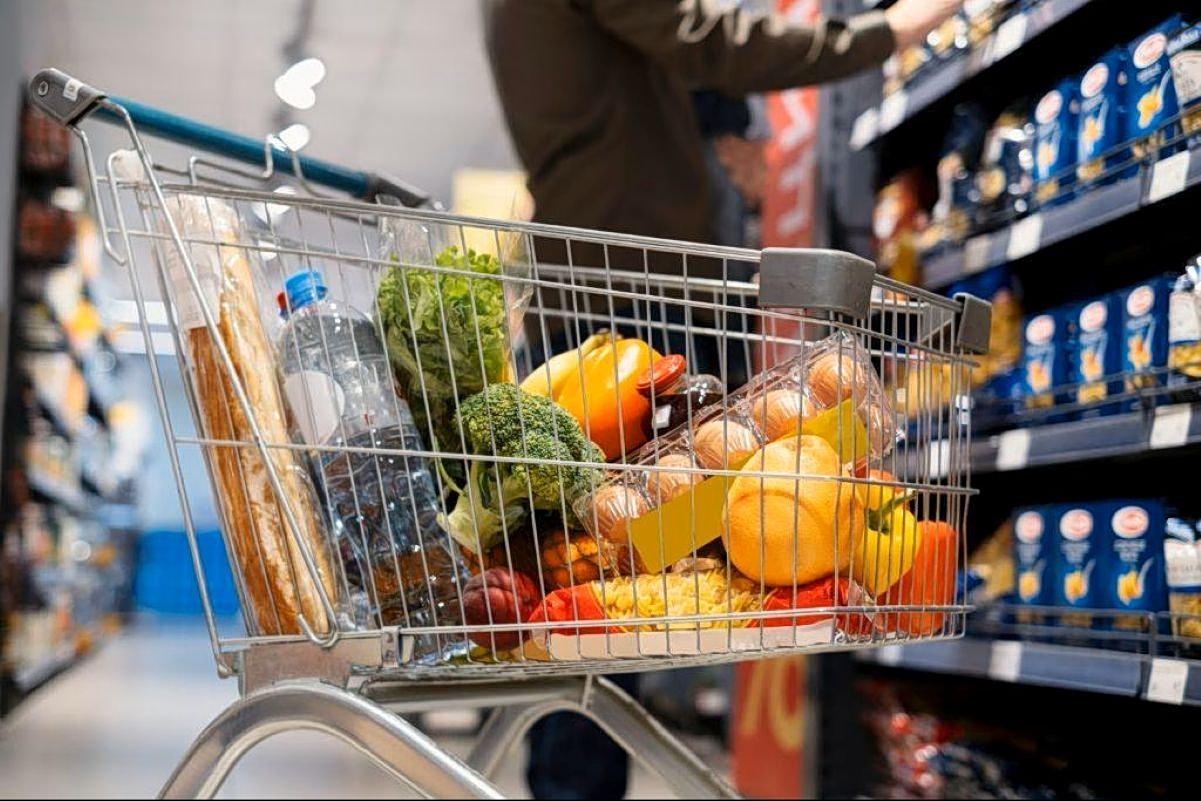
Πηγή Φωτογραφίας: pixabay//Inflation Roars Back: Prices Surge 5.2% as Housing, Fuel and Food Squeeze Households



Greece’s inflation problem is proving far more stubborn than policymakers had hoped.
New data released by the Hellenic Statistical Authority (ELSTAT) show that consumer prices accelerated sharply in May, highlighting renewed inflationary pressures across some of the most essential household spending categories, including housing, energy, transportation and food.
The Consumer Price Index (CPI) rose by 5.2% year-on-year, a significant jump compared with the 2.5% annual increase recorded in May 2025, signaling a notable resurgence of inflationary pressures over the past twelve months.
At the same time, Greece’s Harmonised Index of Consumer Prices (HICP), the measure used across the European Union, climbed to 4.9%, remaining well above the European Central Bank’s medium-term inflation target.
The figures suggest that while headline economic indicators have improved, Greek households continue to face mounting pressure from rising living costs.
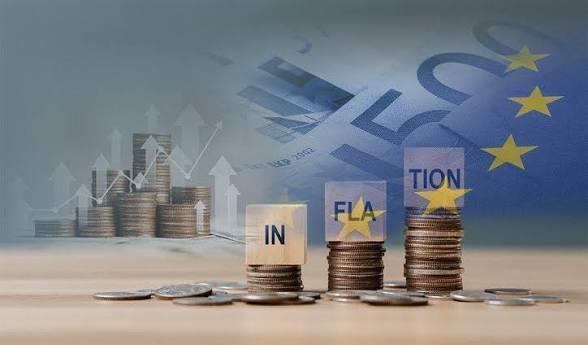
Housing Costs Become the Main Inflation Driver
Housing emerged as one of the strongest contributors to inflation, recording an annual increase of 11.6%.
Rents continued their upward trajectory, rising by 7.7% compared with the same month last year. Significant increases were also recorded in natural gas prices, heating oil and housing maintenance costs.
The continued rise in housing expenses is becoming a major economic and political concern, particularly in urban centers where affordability pressures have intensified amid strong demand and limited supply.
For many households, housing costs are now consuming an increasingly large share of disposable income, reducing spending capacity elsewhere in the economy.
Fuel Prices Deliver Another Shock
Transportation costs also recorded a sharp increase, rising by 11.5% year-on-year.
Fuel prices remain one of the most significant sources of inflationary pressure. Gasoline prices increased by 21.5%, diesel by 24.4%, while heating oil surged by an extraordinary 53.2% compared with May last year.
The impact extends beyond household transportation expenses.
Higher energy costs affect supply chains, production costs and logistics, ultimately feeding through to consumer prices across multiple sectors of the economy.
Economists warn that sustained energy inflation risks creating second-round effects, making it more difficult to bring overall inflation back under control.
Food Inflation Continues to Hit Household Budgets
Although food inflation has moderated compared with the peak levels seen in previous years, prices continue to climb.
The category covering food and non-alcoholic beverages recorded an annual increase of 3.5%, with several essential products posting much steeper gains.
Beef prices rose by 17.6%, while lamb and goat meat increased by 16.2%.
Fruit, vegetables and coffee also recorded notable price increases, adding further pressure to everyday household spending.
For consumers, these are among the most visible and politically sensitive price increases, as they directly affect weekly grocery bills and overall living standards.
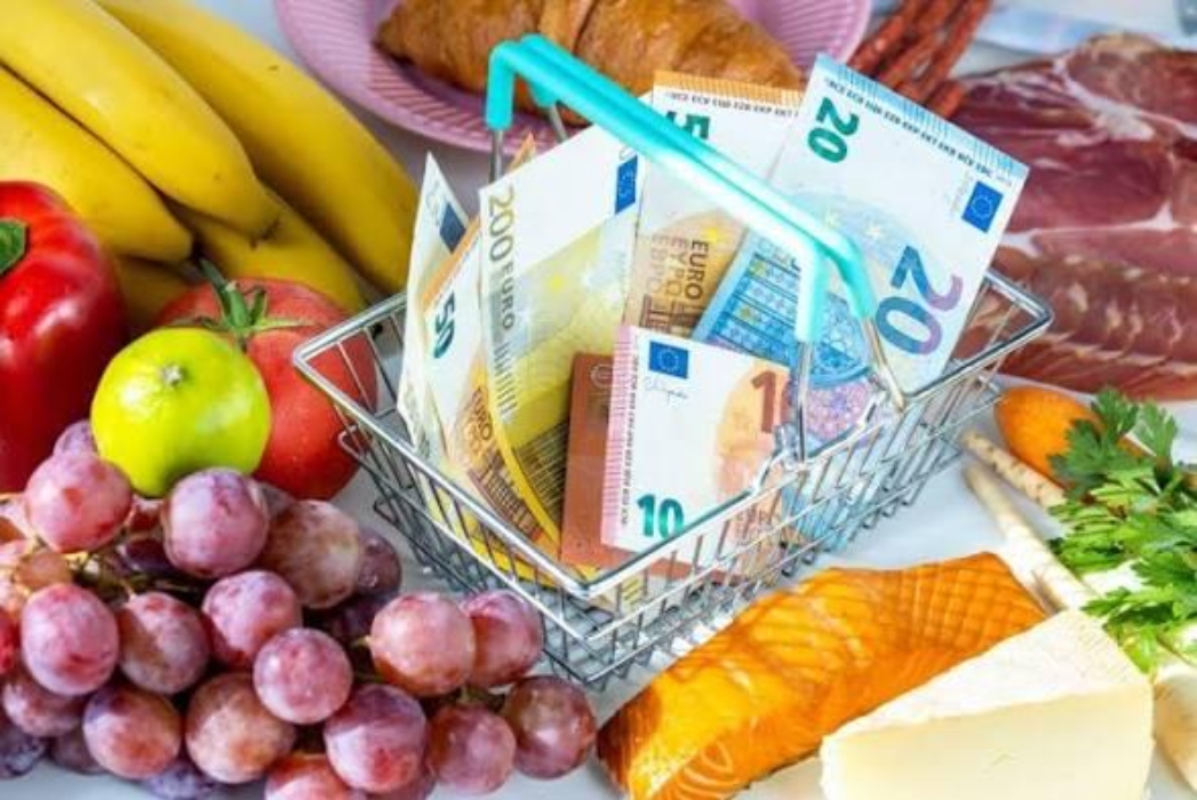
Restaurants, Cafés and Hotels Join the Inflation Trend
Inflationary pressures have increasingly spread into the services sector.
Prices for hotels, restaurants and cafés increased by 8.5%, reflecting businesses’ efforts to pass rising operating costs on to consumers.
The trend comes as Greece enters another critical tourism season, raising concerns about the impact of higher prices on both domestic consumers and international competitiveness.
Service-sector inflation is often viewed as particularly persistent because it is closely linked to wage costs and broader economic demand.
Limited Relief from Falling Prices Elsewhere
Not all categories recorded increases.
Olive oil prices declined by 11.1%, while certain technology products, communication services and clothing categories also registered price reductions.
However, these declines were insufficient to offset the strong upward pressure coming from housing, transportation, energy and food.
As a result, overall inflation remained elevated despite pockets of easing across specific sectors.
A New Challenge for Economic Policy
The latest inflation figures arrive at a politically sensitive moment.
The government has repeatedly argued that inflationary pressures are easing and that recent measures aimed at supporting households are beginning to produce results.
However, ELSTAT’s data paint a more complicated picture.
The strongest price increases continue to occur in categories that households cannot easily avoid: rent, heating, transportation and food.
This means that even as economic growth remains resilient and unemployment continues to decline, many households may feel little improvement in their day-to-day financial conditions.
The key question now is whether May’s figures represent a temporary spike or the beginning of a broader inflationary resurgence.
For millions of consumers, the answer will be measured not through economic forecasts or government statements, but through the rising cost of groceries, fuel and housing that continues to weigh heavily on household finances.
Source: pagenews.gr
Διαβάστε όλες τις τελευταίες Ειδήσεις από την Ελλάδα και τον Κόσμο