Alexandros Exarchou: LNG, the Vertical Corridor and Europe’s New Energy Architecture
 ΧΡΟΝΟΣ ΑΝΑΓΝΩΣΗΣ 6 '
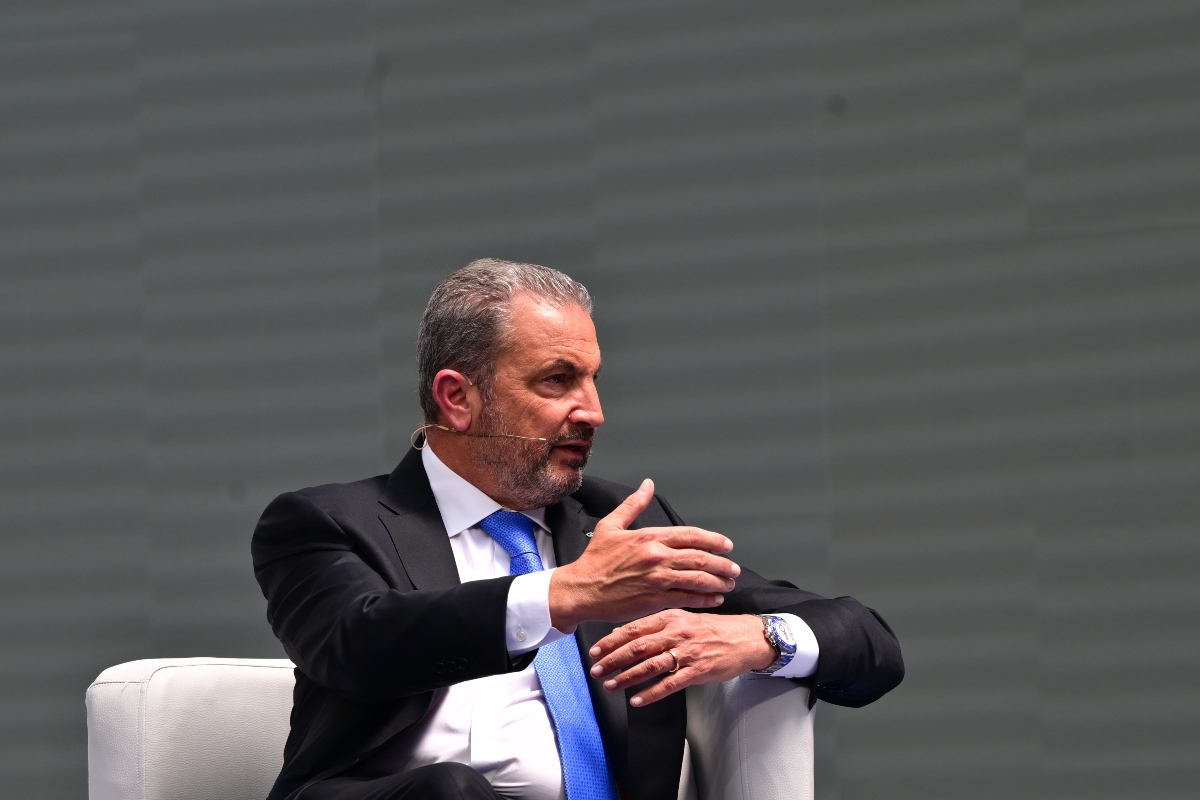
Πηγή Φωτογραφίας: (ΤΑΤΙΑΝΑ ΜΠΟΛΑΡΗ / EUROKINISSI)//Alexandros Exarchou: LNG, the Vertical Corridor and Europe’s New Energy Architecture



In periods of profound geopolitical change, countries that control energy flows acquire strategic influence disproportionate to their size. Greece aspires to occupy such a position, and Alexandros Exarchou believes the current moment may be the most favorable in decades.
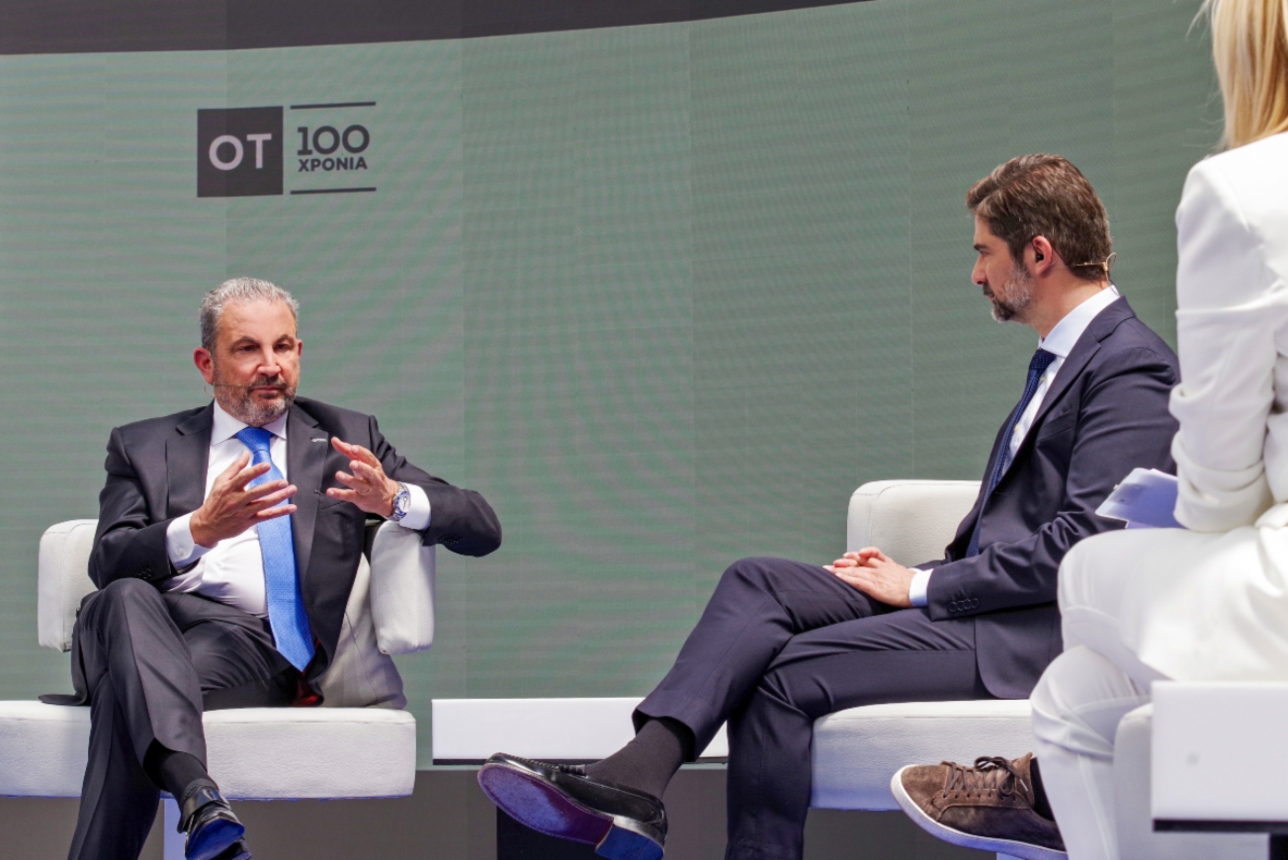
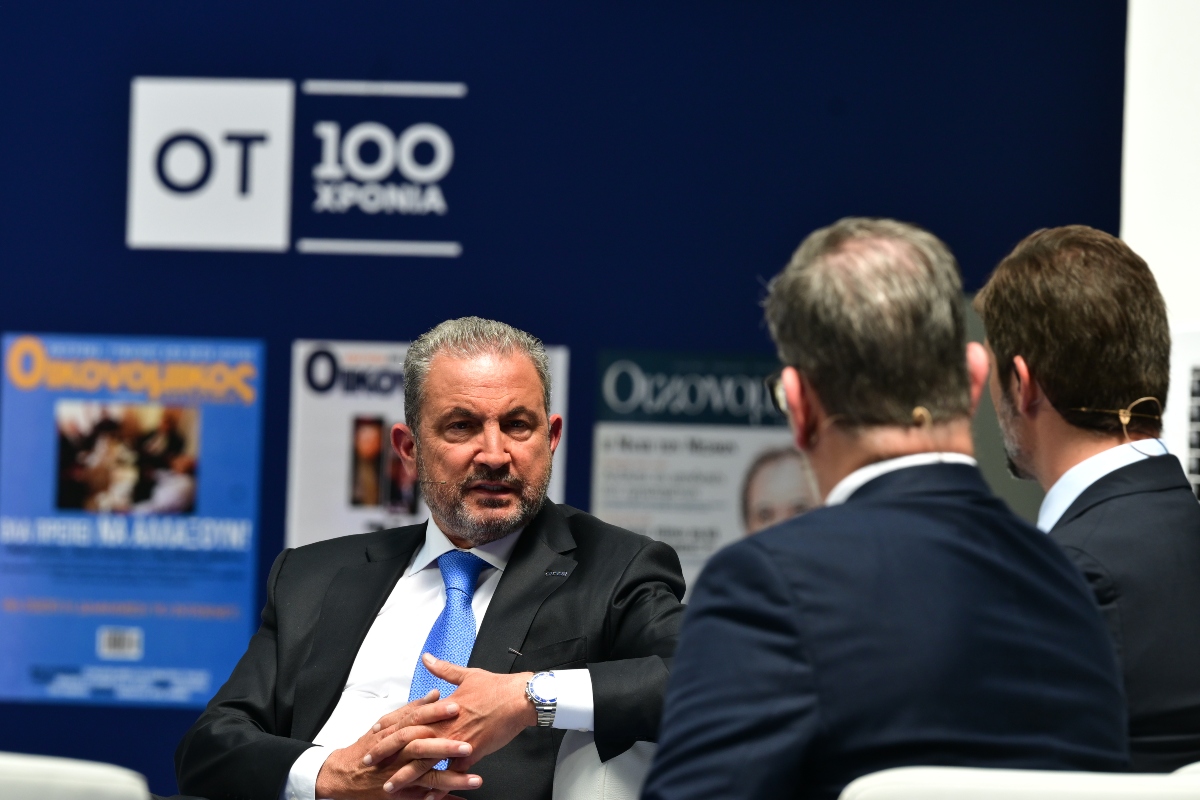
Speaking at the centennial conference of Oikonomikos Tachydromos, the Chairman and CEO of AKTOR Group outlined a vision that extends far beyond conventional corporate strategy. At its core lies the conviction that Europe is entering a new age of energy competition, one in which access to secure, long-term natural gas supplies will become a critical determinant of economic power.
His assessment comes at a time when European governments are simultaneously attempting to manage their decoupling from Russian energy, rising geopolitical tensions in the Middle East, and the challenge of preserving industrial competitiveness against both the United States and China.
From the Recovery Fund to the Geoeconomics of Private Capital
Exarchou argues that the conclusion of Greece’s Recovery and Resilience Fund cycle should not be viewed as the end of the country’s growth story, but rather as the transition toward a new model led by private investment.
This interpretation extends beyond the Greek economy itself. In his view, stronger fiscal performance, early debt repayments and enhanced sovereign credibility have created an environment increasingly attractive to long-term international investors.
Recent banking and corporate capital market transactions, he noted, point to a deeper structural shift: Greece is no longer perceived as a high-risk jurisdiction, but as an emerging destination for strategic capital.
For Exarchou, this transformation is closely linked to the large-scale energy and infrastructure investments now taking shape across the region.
Europe’s Next Energy Shock May Not Come From Russia
Perhaps the most significant geopolitical dimension of Exarchou’s analysis is his belief that Europe’s next energy disruption may not originate in Moscow.
According to his assessment, instability in the Middle East and potential damage to regional energy infrastructure are creating a new layer of uncertainty for global LNG markets.
Europe faces a strategic paradox.
At the very moment it seeks to reduce dependence on Russian gas, it may encounter supply constraints from alternative sources that were expected to fill the gap.
Under such circumstances, LNG prices could rise substantially, generating a new inflationary wave with consequences for industry, households and public finances alike.
For Exarchou, energy security is no longer merely an energy policy issue. It has become a central pillar of economic policy.
The Vertical Corridor as a Strategic European Asset
This is where the Vertical Corridor enters the equation.
The AKTOR chief rejects the notion that it is simply another regional energy project in Southeastern Europe. Instead, he frames it as part of a broader European strategy aimed at diversifying both suppliers and transportation routes.
Atlantic SEE LNG Trade, in which AKTOR holds a 60% stake and DEPA Commercial the remaining 40%, is seeking to establish a new supply axis connecting Greece with Bulgaria, Romania, Ukraine and potentially additional countries across the region.
The planned volumes of 5.5 billion cubic meters annually over a 20-year horizon represent more than a commercial target.
They represent an attempt to reshape the energy landscape of Southeastern Europe.
The Real Battle Is Not Gas—It Is Contracts
At the heart of Exarchou’s strategy lies a proposition that is gaining increasing support among European energy policymakers.
The real challenge is not simply securing LNG volumes.
It is securing them through long-term agreements.
Spot markets may provide flexibility, but during periods of crisis they become highly vulnerable to speculation and price volatility.
This is why Exarchou argues that Europe must act collectively to secure strategic gas supplies through multi-year contracts with multiple suppliers.
In his view, energy resilience will not be achieved through last-minute purchases, but through long-term planning and disciplined procurement strategies.
The Return of the Eurobond to the Energy Debate
Among Exarchou’s most notable forecasts is the possibility that Europe may once again turn to common debt issuance to address future energy challenges.
Should LNG prices reach levels that threaten economic stability across the Union, a dedicated European energy bond could emerge as a mechanism for financing a collective response.
The rationale is straightforward.
Just as the pandemic prompted the creation of unprecedented joint financing tools, a prolonged energy crisis could require a similarly coordinated European solution.
The Defining Strategic Bet of the Next Decade
Perhaps the most valuable aspect of Exarchou’s intervention is that it reframes energy not merely as a commodity, but as an instrument of geopolitical power.
In his narrative, Greece is not simply a transit country.
It is evolving into a critical node within a new energy architecture linking the Mediterranean, the Balkans and Eastern Europe.
Should this vision materialize, the Vertical Corridor will represent far more than a commercially successful investment.
It could become one of the most consequential geoeconomic infrastructures in the region, strengthening Greece’s position as a pillar of European energy security at a time when the continent is urgently searching for a new equilibrium.
Source: pagenews.gr
Διαβάστε όλες τις τελευταίες Ειδήσεις από την Ελλάδα και τον Κόσμο