Mitsotakis Meets UN Secretary-General Candidate Rafael Grossi: Ukraine, Middle East and Nuclear Security
 ΧΡΟΝΟΣ ΑΝΑΓΝΩΣΗΣ 5 '
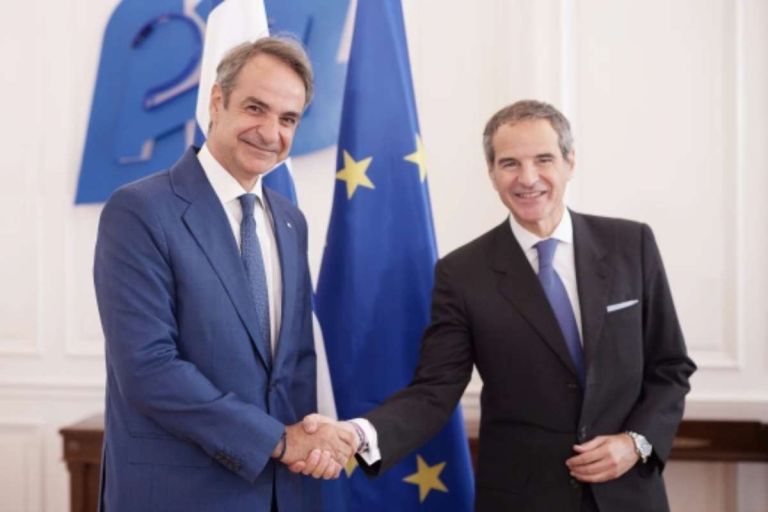
Πηγή Φωτογραφίας: Greek Prime Minister Office--Papamitsos//Mitsotakis Meets UN Secretary-General Candidate Rafael Grossi: Ukraine, Middle East and Nuclear Security



At a time when the international security architecture is under mounting pressure from multiple geopolitical crises, the visit of Rafael Grossi to Athens carried significance well beyond diplomatic protocol.
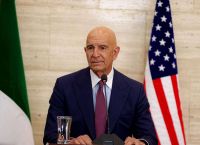
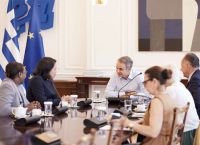
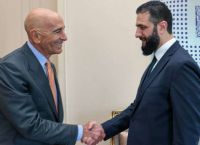
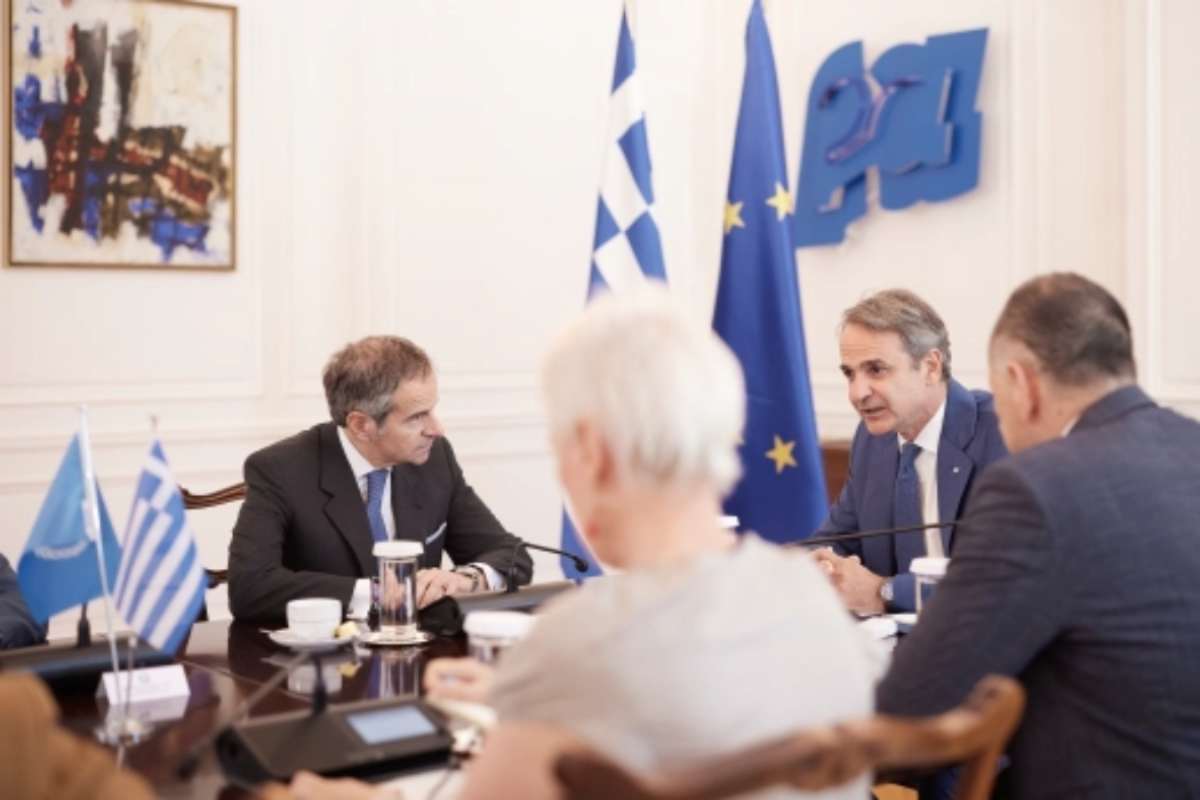
The Director General of the International Atomic Energy Agency (IAEA) and candidate for the position of the next United Nations Secretary-General met with Greek Prime Minister Kyriakos Mitsotakis at the Maximos Mansion, underscoring Greece’s growing diplomatic engagement on issues of global governance, regional security and multilateral cooperation.
According to the Greek Prime Minister’s Office, discussions focused on Grossi’s priorities as a candidate for the UN’s top post, developments in Ukraine, the Middle East, Iran’s nuclear program, and the peaceful use of nuclear energy.
Grossi’s UN bid gains international visibility
The meeting comes as Rafael Grossi intensifies his international consultations ahead of the selection process for the next United Nations Secretary-General.
As head of the IAEA, the Argentine diplomat has played a central role in some of the world’s most sensitive nuclear crises, overseeing international monitoring efforts at Ukrainian nuclear facilities during wartime and leading negotiations concerning Iran’s nuclear activities.
His visit to Athens forms part of a broader diplomatic outreach as countries begin informal discussions over the future leadership of the United Nations.
Ukraine and the Middle East remain global priorities
The ongoing conflicts in Ukraine and the Middle East featured prominently during the discussions.
Both crises continue to influence international security, energy markets and global economic stability.
The IAEA has become an increasingly important actor in conflict zones, particularly through its monitoring of nuclear facilities in Ukraine, where concerns over nuclear safety have remained high since the beginning of Russia’s invasion.
For Greece, the discussions reflect its continued support for international law, regional stability and diplomatic solutions to armed conflicts.
Iran’s nuclear program
The talks also addressed developments surrounding Iran’s nuclear program, one of the most persistent challenges facing the international non-proliferation regime.
As Director General of the IAEA, Grossi has been directly involved in monitoring Iran’s compliance with international nuclear obligations and maintaining dialogue with Tehran amid ongoing tensions between Iran and Western governments.
The issue remains central to broader Middle East security and global diplomatic efforts aimed at preventing nuclear proliferation.
Peaceful nuclear energy and the global energy transition
Another important topic was the peaceful use of nuclear energy, an issue receiving renewed international attention as governments seek to strengthen energy security while pursuing climate neutrality.
The IAEA continues to promote the safe and peaceful application of nuclear technology for electricity generation, medicine, scientific research and industrial development.
The discussion reflects the broader international debate over the role nuclear energy may play in future low-carbon energy systems.
Greece strengthens its international diplomatic profile
Beyond the bilateral meeting itself, the discussions illustrate Athens’ broader effort to expand its role within international institutions and multilateral diplomacy.
Over recent years, Greece has sought to position itself as a reliable regional partner in the Eastern Mediterranean and an active contributor to international security discussions through its participation in the European Union, NATO and, more recently, its term as a non-permanent member of the United Nations Security Council for 2025–2026.
Within that broader context, the meeting with Rafael Grossi highlights Greece’s intention to remain actively engaged in global conversations on nuclear security, international peace and institutional cooperation.
Strategic significance
While the meeting carried symbolic importance, it also reflected broader geopolitical realities.
As international tensions continue to evolve—from the war in Ukraine to instability across the Middle East—the role of institutions such as the United Nations and the International Atomic Energy Agency has become increasingly central to crisis management and international diplomacy.
For Athens, hosting one of the leading candidates for the UN’s highest office reinforces its image as an active diplomatic actor committed to multilateral engagement, international law and regional stability.
The meeting therefore represents more than a routine diplomatic encounter. It signals Greece’s continuing effort to strengthen its international profile while participating in discussions that are expected to shape the future agenda of global security, nuclear governance and international cooperation.
Source: pagenews.gr
Διαβάστε όλες τις τελευταίες Ειδήσεις από την Ελλάδα και τον Κόσμο