Homes Out of Reach, Wages Under Pressure: The Numbers Behind Greece’s Housing Crisis
 ΧΡΟΝΟΣ ΑΝΑΓΝΩΣΗΣ 6 '
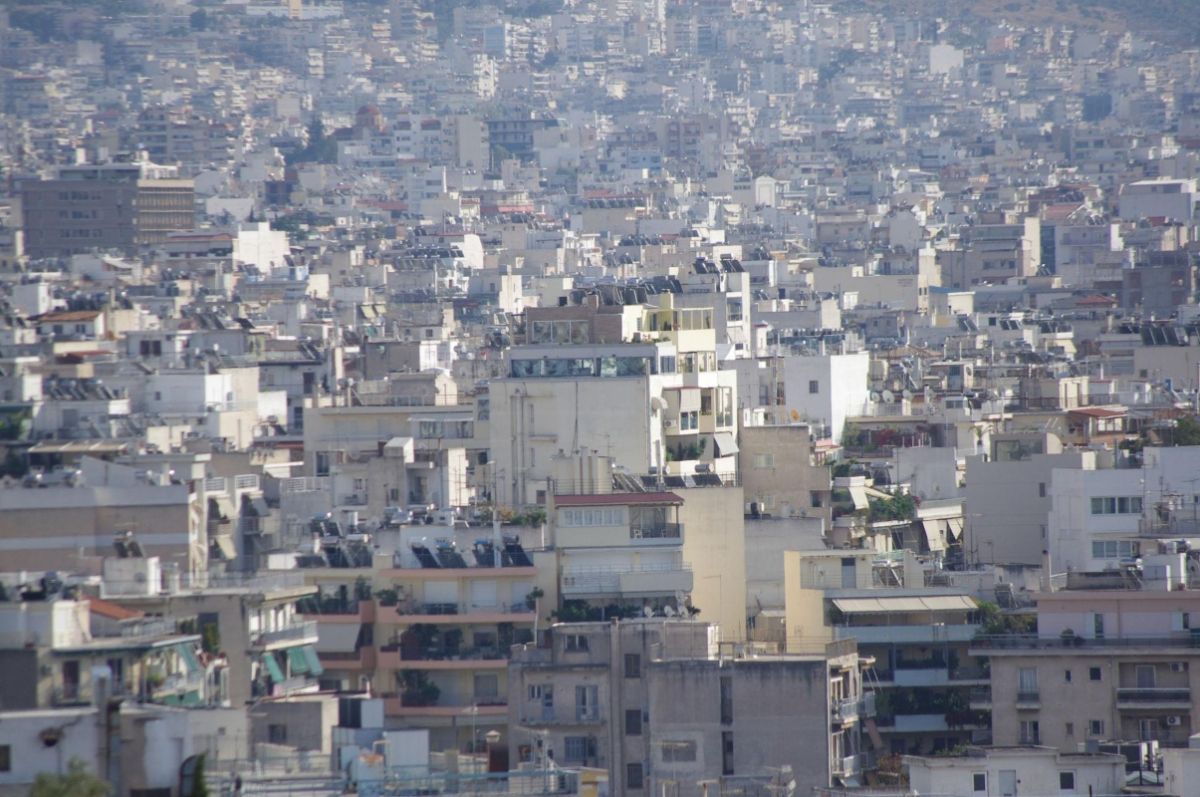
Πηγή Φωτογραφίας: eurokinissi//Homes Out of Reach, Wages Under Pressure: The Numbers Behind Greece’s Housing Crisis



A country of two economic realities
On paper, the Greek economy appears resilient.
Growth remains positive, investment is increasing, and public debt as a percentage of GDP continues its downward trajectory. International rating agencies have restored Greece’s investment-grade status, while government officials point to macroeconomic stability as evidence of a successful economic transformation.
Yet for millions of citizens, the lived reality tells a very different story.
Purchasing power is weakening, housing costs are soaring, and incomes are struggling to keep pace with the rising cost of living.
The numbers reveal a growing disconnect between economic statistics and everyday life.
Inflation is eating away at income gains
One of the clearest signs of this disconnect is inflation.
According to Eurostat data, Greece continues to record higher inflation than the Eurozone average.
Greek inflation in 2026
- January: 3.1%
- February: 3.0%
- March: 3.4%
- April: 3.4%
- May: 5.0%
Average inflation during the first five months of 2026: 3.82%
By comparison, inflation across the Eurozone has remained significantly lower, hovering around 3.2%.
The difference may appear modest, but its impact on household finances is substantial.
A worker receiving a 3% wage increase in an economy where prices rise by 5% effectively experiences a decline in real income of approximately 2%.
In other words, nominal salaries may be increasing, but purchasing power continues to shrink.
Wages remain among the lowest in Europe
Despite several rounds of minimum wage increases, Greece still ranks near the bottom of the European Union in terms of net earnings.
Minimum wage
- 2019: €650
- 2026: €920
While the increase is significant in nominal terms, much of the gain has been absorbed by higher living costs.
Food prices, housing expenses, utilities, transportation, and energy bills have all risen sharply in recent years, reducing the real impact of wage growth.
For many households, economic improvement remains largely invisible.
Housing has become the defining economic challenge
If inflation has weakened purchasing power, housing has become the single greatest source of financial pressure.
The latest data paint a striking picture.
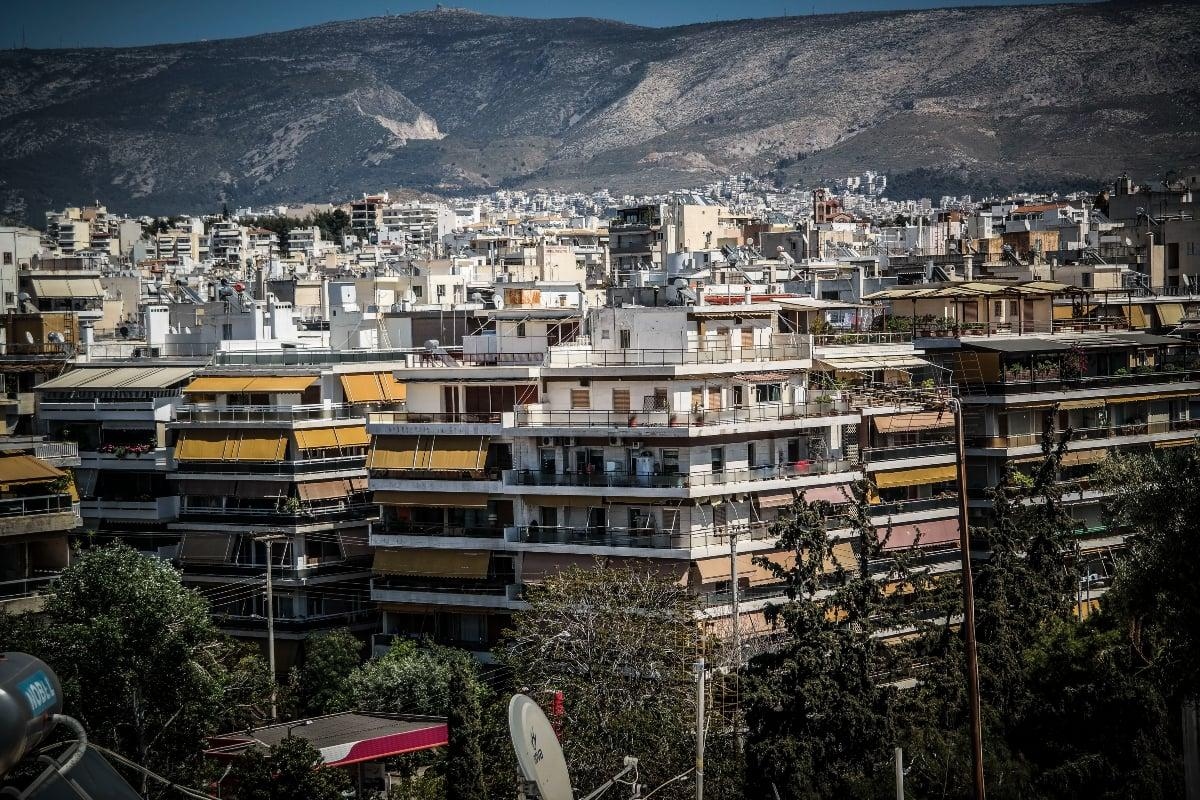
26.4% of Greek households spend more than 40% of their disposable income on housing-related expenses.
The corresponding average across the European Union is just:
7.7%
This means Greece’s housing burden is approximately:
3.4 times higher than the EU average.
For lower-income households, the situation is even more severe.
82.1% of economically vulnerable households face excessive housing costs.
In practical terms, eight out of ten low-income Greeks struggle to cover housing expenses without sacrificing other essential needs.
Nearly three million people face housing stress
Current estimates suggest that:
2.75 to 3 million citizens live under conditions of excessive housing pressure.
With Greece’s population standing at roughly 10.4 million, this means that nearly:
one in three residents faces serious difficulty financing housing costs.
Housing is no longer merely a social issue.
It has become a structural economic challenge.
Property prices have detached from incomes
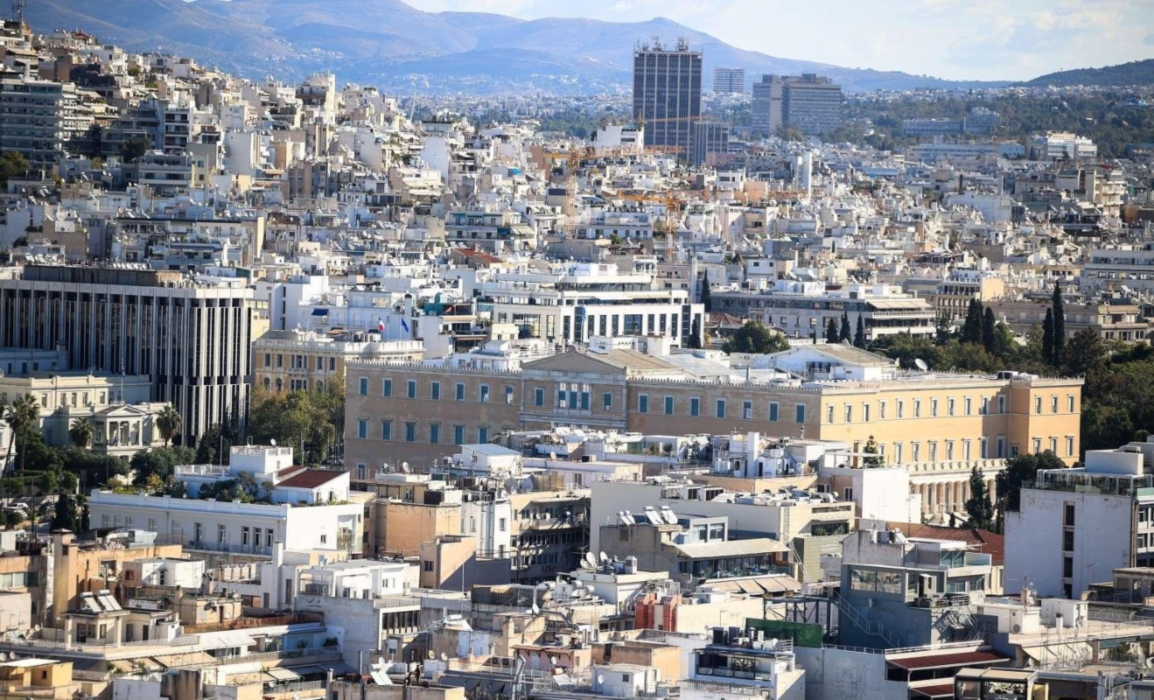
Perhaps the most alarming trend is the widening gap between housing prices and household income.
Between 2007 and 2025:
- Residential property prices increased by approximately 77%
- Disposable household income increased by only 14%
The resulting gap amounts to:
63 percentage points
This divergence suggests that the housing market has become increasingly disconnected from the productive capacity and earning power of Greek society.
Homeownership is rapidly shifting from a realistic goal to a distant aspiration for younger generations.
The paradox of empty homes
The crisis becomes even more striking when viewed alongside another statistic.
Greece currently has approximately:
725,000 vacant homes
That figure represents roughly:
17–18% of the country’s total housing stock.
The issue, therefore, is not a shortage of buildings.
The issue is a shortage of affordable housing.
Large parts of the housing stock remain inaccessible due to pricing, investment strategies, legal complications, or poor condition, while demand for affordable housing continues to surge.
Housing and the demographic crisis
Economists increasingly warn that housing affordability is directly linked to Greece’s demographic challenges.
Young adults remain in their parents’ homes longer.
Family formation is delayed.
Birth rates continue to decline.
The Bank of Greece and several demographic studies have repeatedly highlighted the connection between housing insecurity and declining fertility rates.
As housing becomes more expensive, long-term demographic sustainability becomes more difficult.
The risk of a new brain drain
During the previous decade’s economic crisis, Greece lost more than:
500,000 young professionals and skilled workers
through emigration.
Today, analysts warn of a potential second wave.
This time, the driver is not mass unemployment.
It is the growing mismatch between salaries and living costs.
For many highly educated young Greeks, the decision to leave is increasingly based on economic rationality rather than career opportunity alone.
When a large share of income is consumed by rent and basic necessities, countries offering better wage-to-cost-of-living ratios become increasingly attractive.
Five risks looming over the economy
If current trends persist, Greece could face five interconnected challenges:
1. Demographic deterioration Delayed family formation and lower birth rates.
2. Labor force contraction An aging population reduces the size of the workforce.
3. Weaker consumption More household income is absorbed by housing and essential expenses.
4. Growing inequality Property owners accumulate wealth while renters face increasing financial strain.
5. Renewed brain drain Young professionals seek opportunities abroad where living standards are more attainable.
The central contradiction
Greece in 2026 faces a profound economic contradiction.
Macroeconomic indicators are improving.
Household indicators are deteriorating.
Economic growth appears in reports and statistics.
Financial pressure appears in households and neighborhoods.
An economy cannot be judged solely by GDP growth, debt reduction, or investment inflows.
It must also be measured by whether citizens can afford housing, build savings, start families, and plan for the future with confidence.
When housing becomes a luxury, wages fail to keep pace with living costs, and young talent once again looks abroad for opportunity, the question becomes unavoidable:
Can economic success truly be called success if prosperity remains largely disconnected from everyday life?
Διαβάστε όλες τις τελευταίες Ειδήσεις από την Ελλάδα και τον Κόσμο