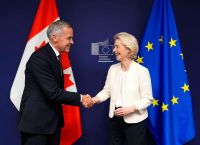
Ukraine’s EU Banking Overhaul: The Financial Road to Membership Runs Through Reform
 ΧΡΟΝΟΣ ΑΝΑΓΝΩΣΗΣ 6 '
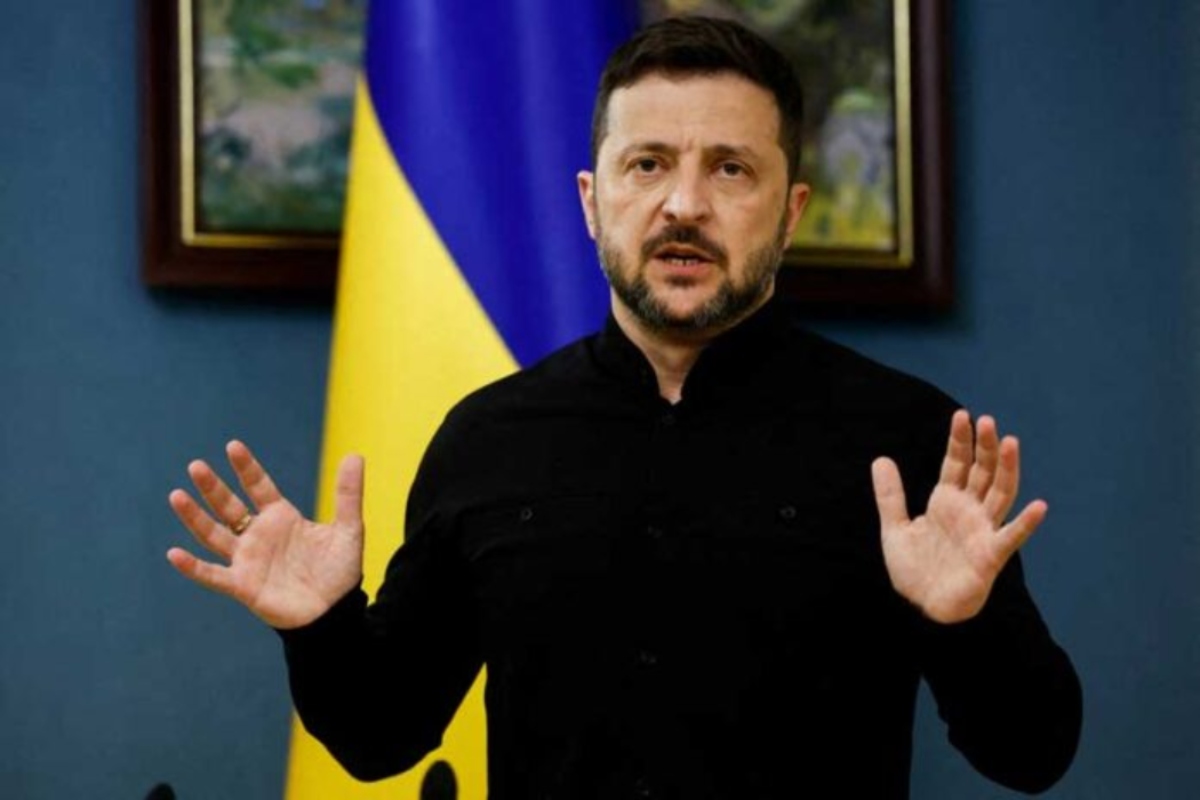
Πηγή Φωτογραφίας: Ukraine's President Volodymyr Zelenskiy speaks during a press briefing following phone calls with U.S. President Donald Trump, amid Russia’s attack on Ukraine, in Kyiv, Ukraine, May 19, 2025. via REUTERS/Thomas Peter/File Photo



Ukraine’s EU Banking Overhaul: Building a European Financial System in the Middle of a War
Ukraine is attempting something few countries have ever tried: transforming its financial system to meet European Union standards while fighting a full-scale war.
As Kyiv advances its EU accession bid, the government and the National Bank of Ukraine are accelerating reforms designed to align the country’s banking, insurance, and capital market regulations with the European regulatory framework by 2028. The effort gained new momentum after the European Union formally opened the first chapter of accession negotiations, marking a significant milestone in Ukraine’s long journey toward membership.
The numbers suggest substantial progress. According to National Bank Governor Andriy Pyshnyi, Ukraine’s banking sector is already approximately 78% aligned with EU regulations, up from around 50% before Russia’s full-scale invasion in 2022. The insurance sector, however, remains closer to 55% alignment, making it one of the key priorities for the next phase of reforms.
Yet this is about far more than technical compliance. For Ukraine, financial reform has become a strategic pillar of its European future.
EU Membership Is Not Just a Political Project
The debate over Ukraine’s accession often focuses on security, geopolitics, and the war with Russia.
But membership in the European Union is also an economic and institutional transformation.
To join the EU’s single market, Ukraine must demonstrate that its banks, insurers, and financial institutions operate under rules comparable to those governing the rest of Europe. That means stronger supervision, higher capital standards, improved transparency, better consumer protection, and greater resilience against economic shocks.
These reforms are not merely bureaucratic requirements. They are fundamental to building trust.
For Brussels, regulatory convergence is evidence that Ukraine can integrate into Europe’s financial architecture. For investors, it is proof that the country is becoming a safer and more predictable place to do business.
A Banking Sector That Survived the Unthinkable
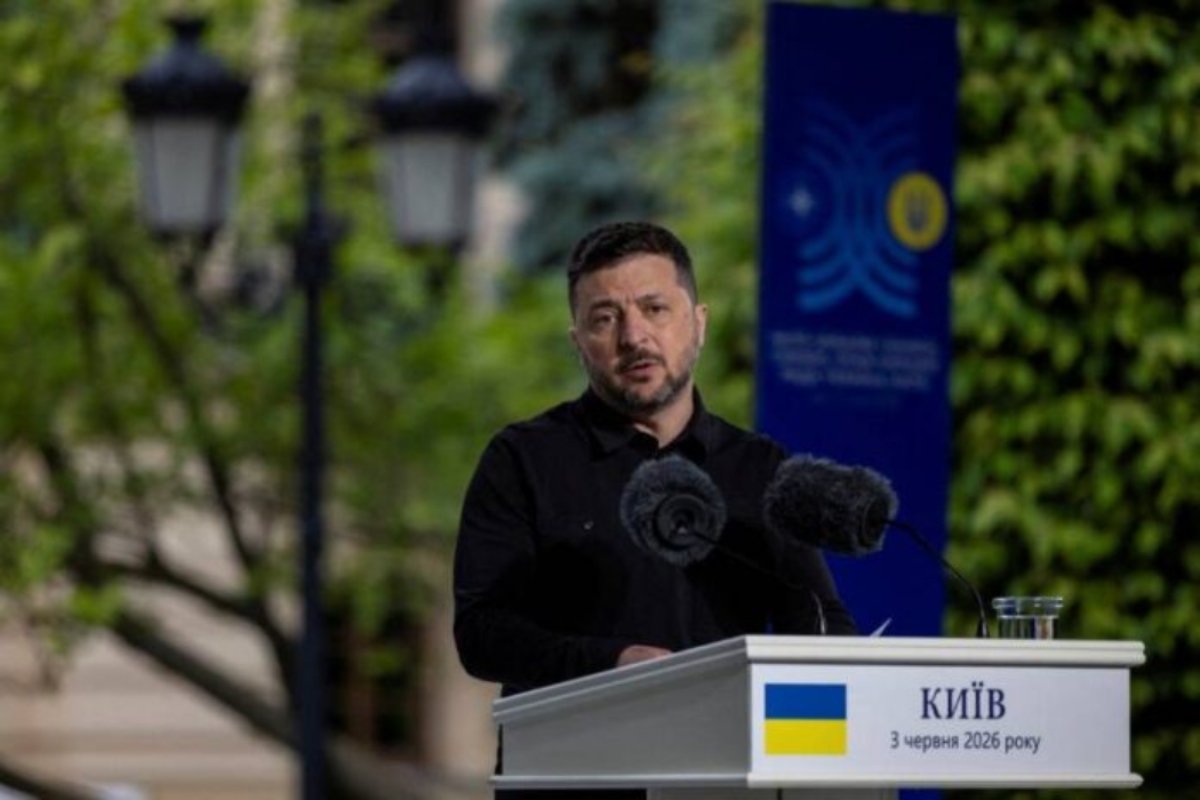
One of the most remarkable aspects of Ukraine’s wartime economy has been the resilience of its financial system.
Despite missile attacks, cyber threats, infrastructure destruction, and severe economic disruption, Ukrainian banks have remained profitable, liquid, and adequately capitalized.
This resilience has surprised many international observers and strengthened Kyiv’s argument that its institutions are capable of operating under extraordinary pressure.
At a time when investors and policymakers are evaluating Ukraine’s long-term prospects, the performance of its banking sector has become one of the country’s strongest credibility assets.
Reconstruction Requires More Than Foreign Aid
The broader objective behind financial reform is reconstruction.
According to estimates by the Ukrainian government and the World Bank, rebuilding the country could require nearly $588 billion over the next decade.
No donor coalition can realistically cover that cost alone.
As international aid gradually becomes more constrained politically and fiscally, Ukraine will need to attract large volumes of private capital. Banks, insurance companies, pension funds, infrastructure investors, and multinational corporations will all be expected to play a role in financing recovery.
But private investors demand certainty.
They look for transparent regulations, predictable legal frameworks, strong financial supervision, and effective risk management. Without those conditions, even the most attractive investment opportunities can struggle to attract funding.
This is why financial-sector reform is increasingly viewed as a prerequisite for reconstruction itself.
More Than 50 Reforms Planned by 2028
Kyiv’s roadmap includes more than 50 legislative and regulatory measures designed to bring the country closer to EU standards.
The reforms will focus on strengthening capital requirements, improving operational resilience, modernizing insurance regulation, enhancing financial supervision, and revitalizing domestic capital markets.
Authorities are also gradually easing wartime foreign-exchange restrictions that were introduced to protect financial stability after the invasion. The challenge is to encourage investment and economic activity without undermining the stability that policymakers have worked hard to preserve.
It is a delicate balancing act between liberalization and caution.
A Test for Brussels and Global Investors
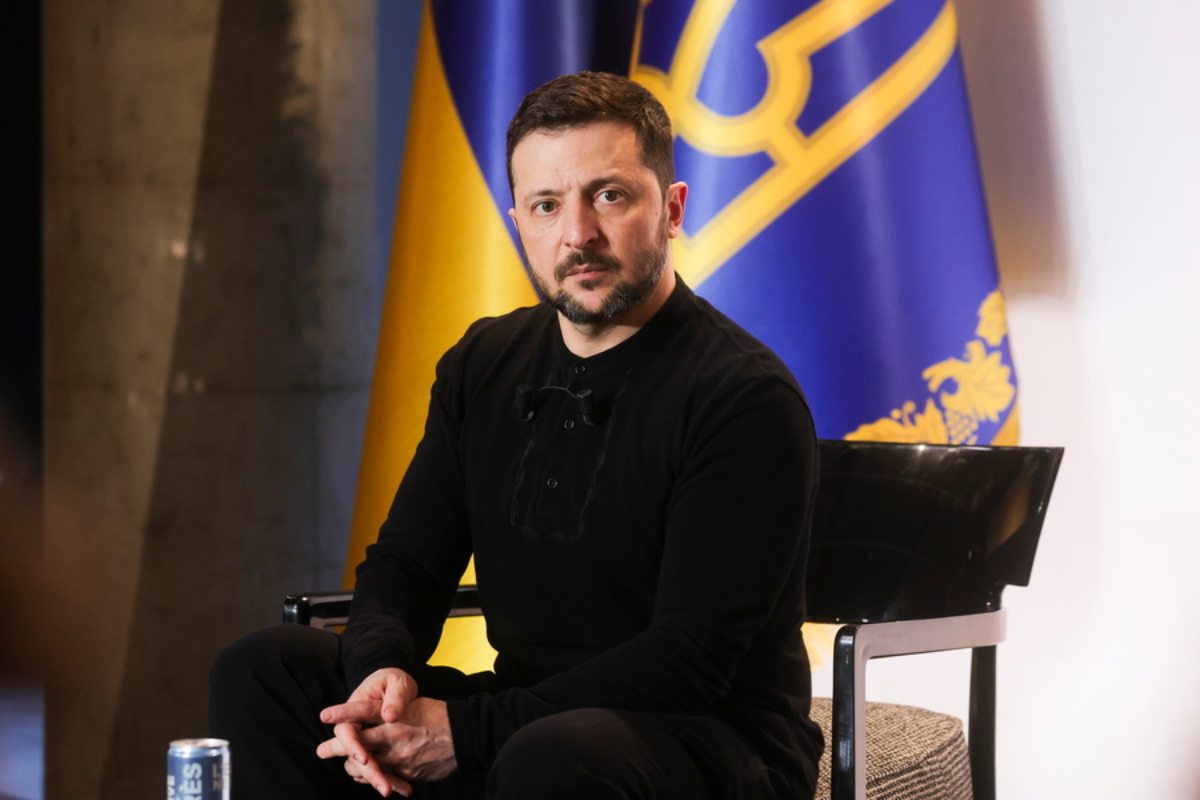
Ukraine’s progress will be closely monitored not only by the European Commission, but also by international financial institutions including the IMF, the World Bank, and the European Central Bank.
For Brussels, financial-sector alignment will serve as a key indicator of Ukraine’s readiness to move further along the accession path.
For investors, it will be a test of credibility.
Ukraine’s geopolitical importance is no longer in doubt. The question now is whether the country can become an investment-grade story before it becomes a full EU member.
The answer may depend less on military developments and more on regulatory execution.
Becoming European Before Membership
If Kyiv succeeds, it could achieve something strategically significant: functioning increasingly like a European economy before formally joining the European Union.
That transformation would have implications far beyond banking regulation.
It would mark Ukraine’s evolution from a wartime economy into a reconstruction economy, from a recipient of aid into a destination for investment, and from a candidate country into an emerging component of Europe’s economic landscape.
The road to EU membership will not be decided solely on battlefields or at diplomatic summits.
It will also be determined in regulatory agencies, financial institutions, and boardrooms.
Because in the next phase of Ukraine’s European journey, balance sheets may prove just as important as geopolitics.
Source: pagenews.gr
Διαβάστε όλες τις τελευταίες Ειδήσεις από την Ελλάδα και τον Κόσμο