Greece Secures Key LNG Exemption as EU Sanctions Reveal the Limits of Energy Policy
 ΧΡΟΝΟΣ ΑΝΑΓΝΩΣΗΣ 4 '
Πηγή Φωτογραφίας: Greece Secures Key LNG Exemption as EU Sanctions Reveal the Limits of Energy Policy



The European Union has approved its 21st package of sanctions against Russia, but the final agreement demonstrates that energy security and maritime logistics remain central to Europe’s geopolitical calculations.
The original proposal from the European Commission sought a complete ban on EU shipping companies transporting Russian liquefied natural gas (LNG) to third countries. However, after negotiations, member states adopted a more pragmatic approach that preserves existing contractual obligations while preventing new commercial arrangements.
Athens argued that a total prohibition would have had little practical impact on Russian exports, as vessels could simply change flags or corporate ownership, weakening European competitiveness without significantly reducing Moscow’s energy revenues.
Greek Shipping Wins a Strategic Exemption
Under the final compromise, LNG transportation contracts signed before Russia’s invasion of Ukraine will remain valid, while the conclusion of new agreements is prohibited.
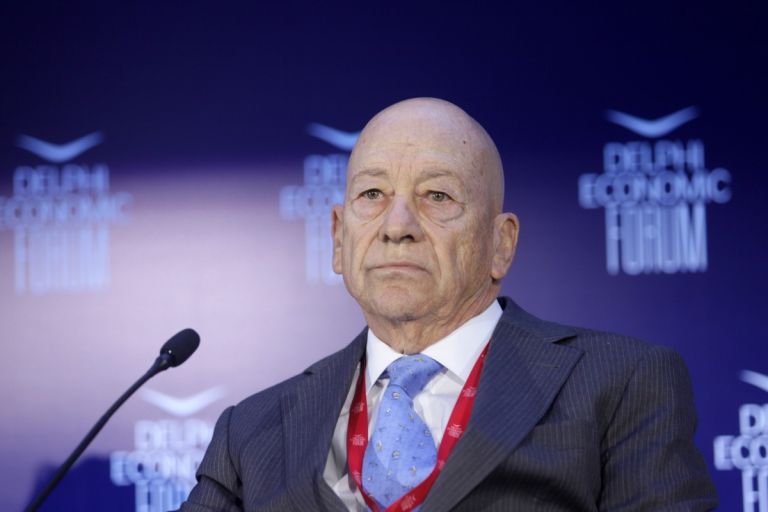
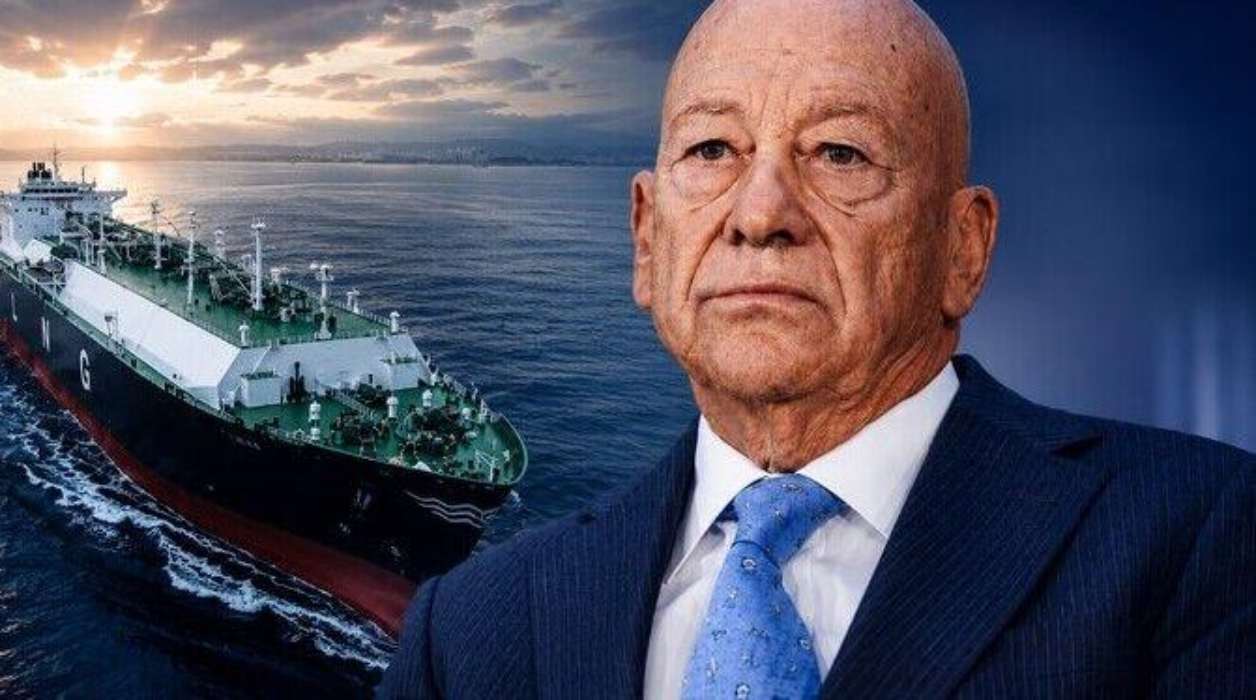
The decision allows Dynagas, owned by Greek shipping magnate George Prokopiou, to continue transporting Russian Arctic LNG to customers outside the European Union under pre-existing contracts.
At the same time, exports will be capped at historical shipment levels, ensuring that Russia cannot increase revenues through expanded deliveries or additional commercial agreements.
The exemption will remain in force for one year and will automatically renew unless all EU member states unanimously decide to revoke it during future sanctions reviews.
Europe Balances Pressure on Russia with Energy Security
The compromise illustrates the increasingly complex challenge facing European policymakers.
The EU remains committed to reducing Russia’s financial capacity to sustain its war effort while avoiding measures that could undermine European shipping, disrupt global LNG markets, or create competitive disadvantages for EU-based maritime operators.
Rather than pursuing symbolic restrictions with limited effectiveness, Brussels opted for a policy that preserves legal certainty for existing contracts while blocking future expansion of Russian LNG exports through European companies.
Oil Price Cap Frozen for Another Year
As part of the same agreement, EU governments also decided to freeze the price cap on Russian crude oil for the next twelve months, maintaining the current ceiling instead of allowing an automatic adjustment following recent increases in global oil prices driven by tensions in the Middle East.
The new sanctions package also includes:
- additional sanctions on 32 Russian banks;
- an expanded blacklist targeting vessels belonging to Russia’s so-called “shadow fleet”;
- tighter restrictions on maritime operators assisting sanctions evasion.
Meanwhile, the proposal to ban imports of Russian seafood was ultimately withdrawn following strong opposition from several European fishing industries.
Greek Shipping Strengthens Its Strategic Role
Beyond the specific exemption, the agreement reinforces Greece’s position as one of Europe’s most influential maritime powers.
With the largest commercial fleet in Europe and one of the world’s leading shipping industries, Greece continues to play a critical role in safeguarding European energy supply chains while shaping the EU’s maritime policy.
Athens’ intervention was not aimed at weakening sanctions against Russia but at ensuring they remain effective, enforceable, and economically sustainable, without driving business toward non-European competitors.
A New Phase in Europe’s Energy Strategy
The 21st sanctions package reflects a broader evolution in European policymaking.
As the war in Ukraine continues, Brussels increasingly faces the challenge of reconciling geopolitical objectives with economic resilience, energy security, and global market stability.
The exemption granted to existing LNG contracts is therefore not a retreat from sanctions policy. Rather, it represents a more sophisticated strategy that seeks to maintain pressure on Moscow while protecting Europe’s strategic interests in shipping, energy, and international trade.
The agreement ultimately demonstrates that in today’s geopolitical environment, energy policy, maritime power, and sanctions have become inseparable pillars of European strategic policy.
Source: pagenews.gr
Διαβάστε όλες τις τελευταίες Ειδήσεις από την Ελλάδα και τον Κόσμο