“Yes” to Trump, but With a Major Catch: Netanyahu Moves on Gaza Plan, Betting Hamas Will Not Disarm
 ΧΡΟΝΟΣ ΑΝΑΓΝΩΣΗΣ 7 '
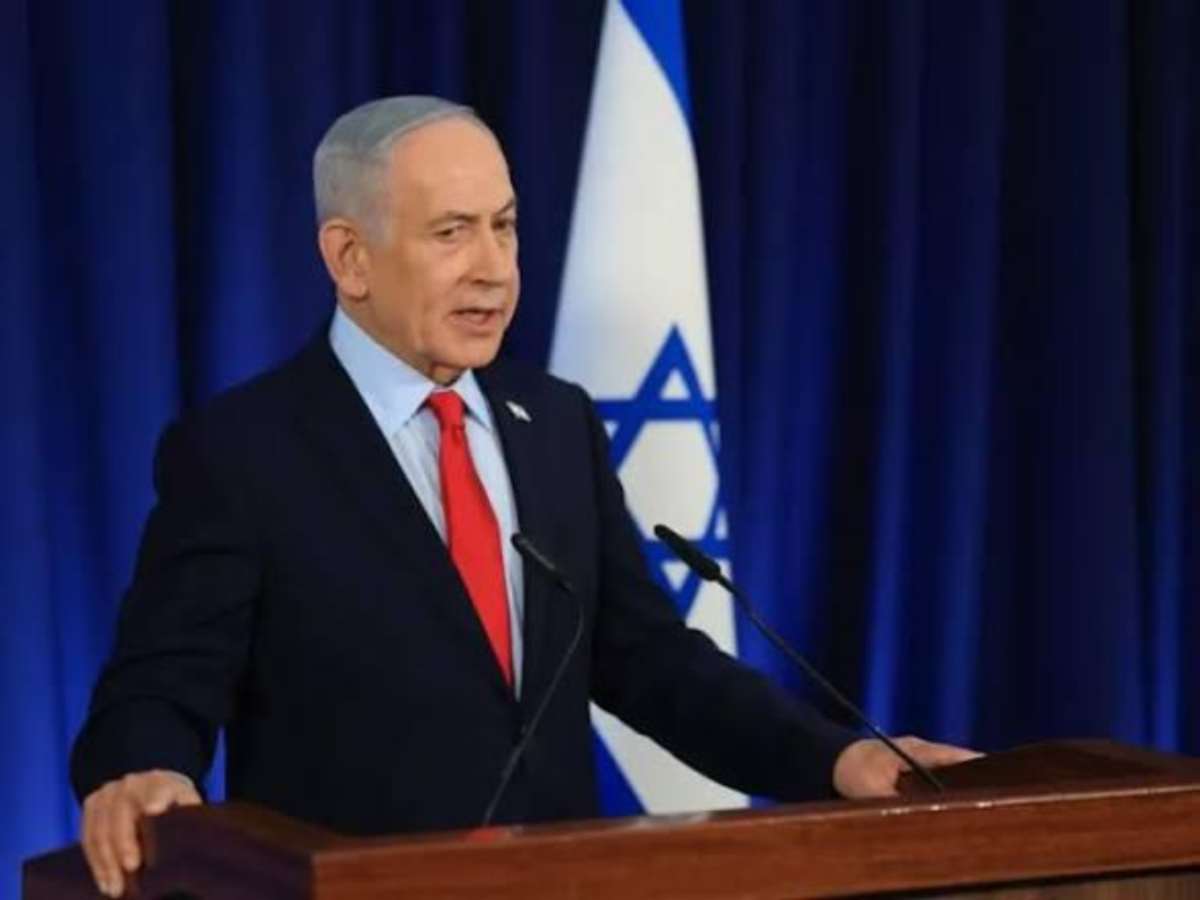
Πηγή Φωτογραφίας: AP Photo//“Yes” to Trump, but With a Major Catch: Netanyahu Moves on Gaza Plan, Betting Hamas Will Not Disarm



Benjamin Netanyahu appears to be changing tactics over Donald Trump’s plan for Gaza — without abandoning Israel’s central red line.
Following talks with U.S. envoy Jared Kushner, the Israeli prime minister agreed to move forward with the American initiative despite serious doubts over whether Hamas will ultimately comply with demands to disarm.
The shift is politically significant.
Instead of positioning Israel as the party blocking Washington’s initiative, Netanyahu can now allow the process to advance while insisting that its success depends on one crucial condition:
Hamas must genuinely give up its weapons.
And that may be precisely where Netanyahu believes the American plan will encounter its greatest obstacle.
Trump’s Pressure Changes the Calculation
Kushner’s talks with Netanyahu were aimed at narrowing the gap between Washington and Jerusalem over how the next phase in Gaza should unfold.
The Trump administration wants to move beyond ceasefire management toward a broader framework for stabilization, reconstruction and postwar governance.
Israel shares one fundamental objective with Washington: Gaza cannot return to a situation in which Hamas maintains an independent military capability.
But the two sides have faced disagreements over sequencing.
For Netanyahu, the issue is not simply whether Hamas eventually disarms.
It is when it disarms — and what Israel is expected to give up before that happens.
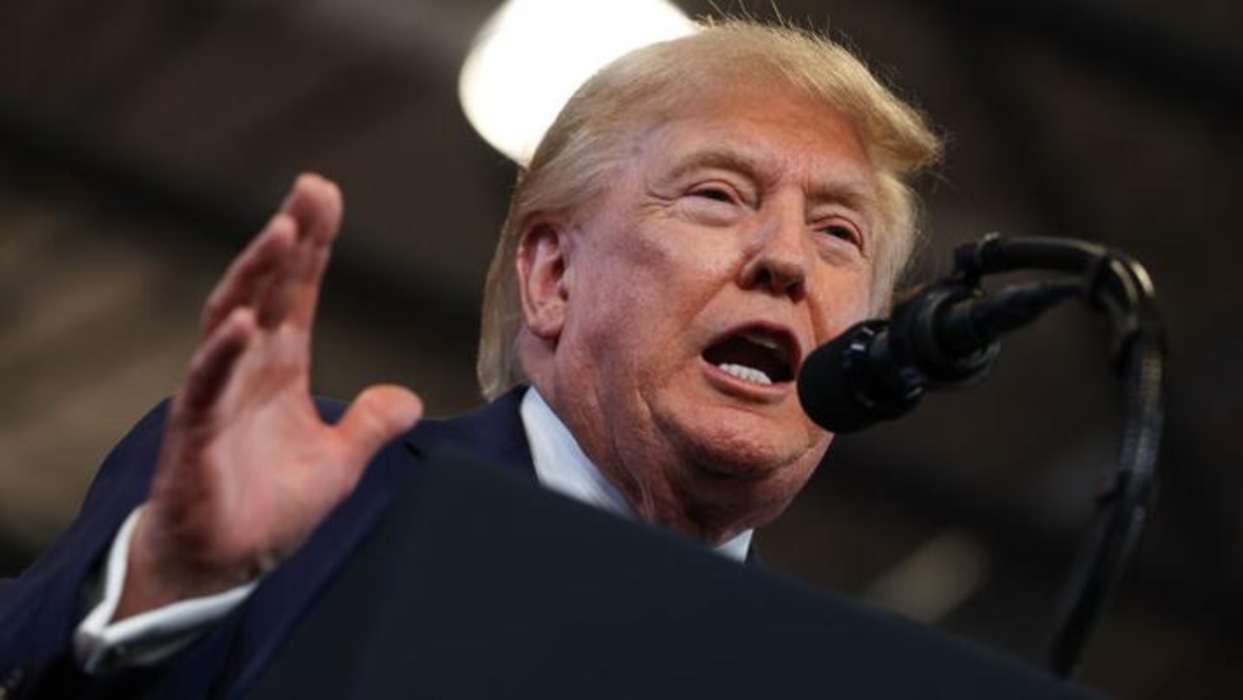
The Central Dispute: Who Moves First?
This is the fundamental problem confronting the entire plan.
Israel wants meaningful Hamas disarmament before making irreversible security concessions.
Hamas, meanwhile, has sought to link the weapons issue to Israeli withdrawal and broader political guarantees.
That creates a dangerous sequencing problem.
Neither side wants to surrender its most important leverage before the other acts.
For Israel, withdrawing without verified demilitarization risks allowing Hamas to rebuild.
For Hamas, surrendering its weapons before securing guarantees would mean giving up its strongest source of leverage.
Washington must somehow bridge those two positions.
Netanyahu’s Political Gamble
This is where Netanyahu’s decision becomes strategically interesting.
If Israel rejects the American initiative outright, Netanyahu risks being portrayed as the leader obstructing Trump’s attempt to establish a new order in Gaza.
If Israel accepts the process, however, the burden begins to shift.
The question becomes:
Will Hamas actually disarm?
Israeli officials remain deeply skeptical.
If Hamas refuses, delays or offers only partial disarmament, Netanyahu could argue to Washington that Israel gave diplomacy an opportunity — and that the process failed because its fundamental security condition was never fulfilled.
In other words, Netanyahu can say “yes” to Trump without necessarily saying “yes” to an Israeli withdrawal under conditions he considers unacceptable.
Hamas Faces Its Hardest Decision
For Hamas, disarmament is not simply another negotiating concession.
Its weapons have been central to the organization’s political identity, military power and ability to dominate Gaza.
That makes implementation considerably more difficult than reaching a diplomatic formula on paper.
Any serious disarmament mechanism would have to answer several difficult questions.
Which weapons must be surrendered? Who collects them? Who verifies that hidden arsenals have been dismantled? What happens to tunnels and weapons-production infrastructure? And what happens if Hamas refuses to comply?
Those questions could determine whether the American plan becomes an enforceable security architecture or merely another political agreement with no effective mechanism behind it.
Israel’s Doubts About International Forces
There is another major problem.
Israel reportedly has little confidence that an international stabilization force would be capable of disarming Hamas without Israeli military involvement.
That concern goes directly to the credibility of the entire postwar arrangement.
Deploying international forces is one thing.
Expecting them to confront armed Hamas units, search for weapons, dismantle military infrastructure and enforce demilitarization is something entirely different.
For Netanyahu, therefore, the key question is not whether an international force exists.
It is whether that force has both the capability and the political willingness to act if Hamas refuses to comply.
Trump Is Now Personally Invested
The stakes are also rising for the White House.
Trump wants his Gaza initiative to become more than a temporary ceasefire framework. Washington is attempting to build a political and security structure capable of transforming Gaza after the war.
Failure would therefore carry political consequences.
Push Netanyahu too hard, and Washington risks a serious confrontation with Israel.
Fail to pressure Israel enough, and Arab and international partners could question whether the plan can produce meaningful change.
Fail to secure Hamas’ disarmament, and the entire security foundation of the initiative could collapse.
The White House is effectively trying to solve all three problems simultaneously.
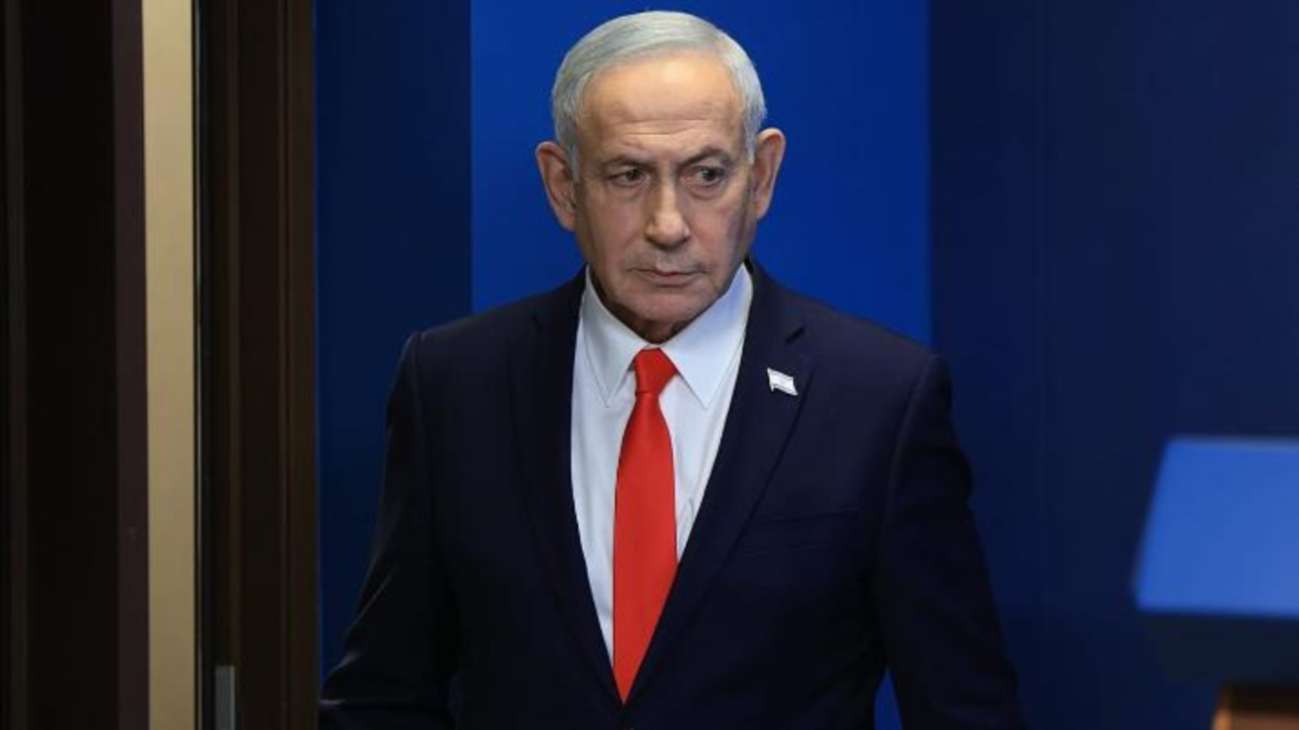
Elections Are Hanging Over the Negotiations
Domestic politics makes the situation even more complicated.
Israel is heading toward October elections, while the United States is approaching its midterm elections.
Netanyahu cannot easily campaign as the Israeli leader who made major security concessions while Hamas remained armed.
At the same time, an open confrontation with Trump could carry its own political costs.
That makes Netanyahu’s current position potentially advantageous.
His message is no longer:
“No to Trump’s plan.”
It is:
“Yes — provided Hamas actually disarms.”
That is a much stronger position politically because it transfers responsibility for the next major decision away from Israel.
The Trap Inside the Gaza Plan
The fundamental weakness of the initiative is becoming increasingly visible.
There may be broad agreement on the desired destination: a reconstructed Gaza without an independent Hamas military machine.
There is far less agreement on how to get there.
Israel wants credible disarmament first.
Hamas wants Israeli concessions and guarantees tied to the process.
Washington wants both sides to move through a coordinated sequence in which neither believes it has surrendered its leverage first.
That is an extraordinarily difficult diplomatic equation.
Netanyahu May Have Found His Exit Strategy
Netanyahu’s apparent concession to Trump may therefore be less dramatic than it initially appears.
By allowing the U.S. initiative to advance, he avoids being blamed for destroying Washington’s diplomatic project.
By maintaining Hamas’ disarmament as a non-negotiable condition, he preserves Israel’s ability to halt later stages if the organization fails to comply.
And if Hamas refuses to surrender its weapons, Netanyahu can return to Trump with a powerful argument:
Israel gave the plan a chance. Hamas killed it.
That is why the latest agreement may represent less a breakthrough than a sophisticated political gamble.
Trump believes he can turn the Gaza plan into a new regional reality. Netanyahu is willing to let him try — while apparently betting that Hamas will ultimately refuse to cross the one line that matters most: surrendering its weapons.
Source: pagenews.gr
Διαβάστε όλες τις τελευταίες Ειδήσεις από την Ελλάδα και τον Κόσμο