Mendoni’s UNESCO Initiative: Prespa Lakes Unite Three Nations in Historic Cultural Agreement
 ΧΡΟΝΟΣ ΑΝΑΓΝΩΣΗΣ 10 '
Πηγή Φωτογραφίας: eurokinissi//Mendoni's UNESCO Initiative: Prespa Lakes Unite Three Nations in Historic Cultural Agreement



A new chapter in cultural diplomacy and cross-border cooperation is unfolding in the Prespa Lakes region, where Greece has taken the initiative to bring three neighboring countries together around a shared objective: securing international recognition for one of southeastern Europe’s most remarkable natural and cultural landscapes.
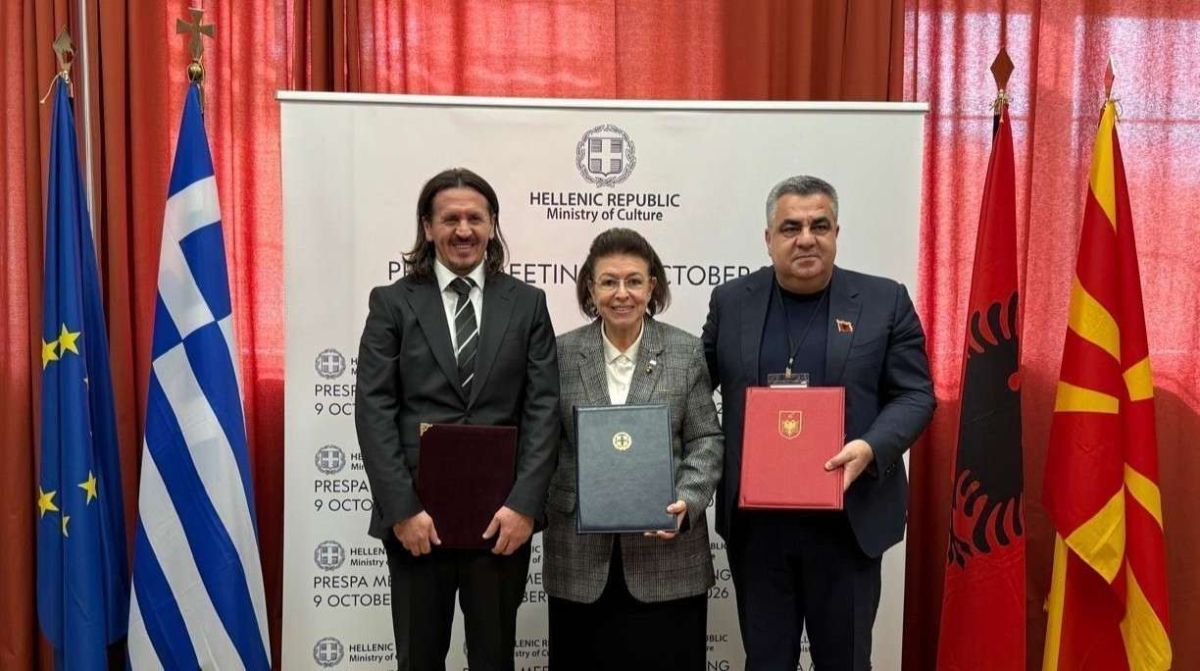
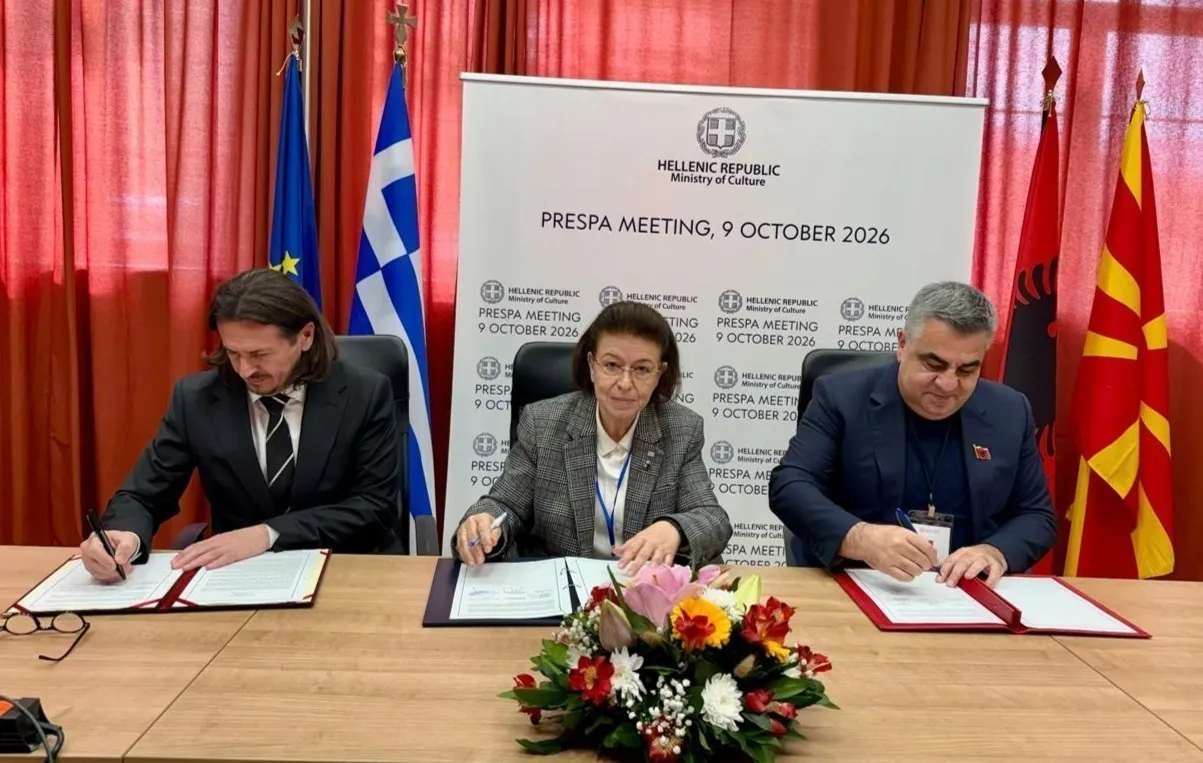
Greek Minister of Culture Lina Mendoni, alongside her counterparts from Albania and North Macedonia, signed an agreement in Laimos, Prespa, marking the beginning of preparations for a joint nomination to the UNESCO World Heritage List.
The initiative aims to recognize Prespa as a mixed heritage property, reflecting the exceptional combination of biodiversity, historical monuments, archaeological remains and centuries of cultural interaction that characterize the region.
Beyond its cultural significance, the agreement represents an opportunity to strengthen regional cooperation, environmental protection and sustainable tourism across national borders.
Lina Mendoni: Prespa Is a Place That Brings Three Nations Together
Speaking at the trilateral meeting, Mendoni emphasized that the Prespa region should be understood as a shared natural and cultural landscape rather than a territory defined solely by national boundaries.
She described the initiative as an important Greek contribution to regional cooperation, highlighting the potential of cultural heritage to connect neighboring societies.
According to the Greek minister, the proposed UNESCO nomination demonstrates how countries can cooperate to protect resources that transcend political borders.
Mendoni stressed that Greece is prepared to work consistently and decisively with Albania and North Macedonia to establish Prespa as an international example of environmental protection, sustainable development and peaceful cooperation.
Her message reflects a broader approach to cultural diplomacy, in which shared heritage becomes a foundation for practical collaboration between countries with different historical experiences and political priorities.
Greece, Albania and North Macedonia Sign Trilateral Agreement
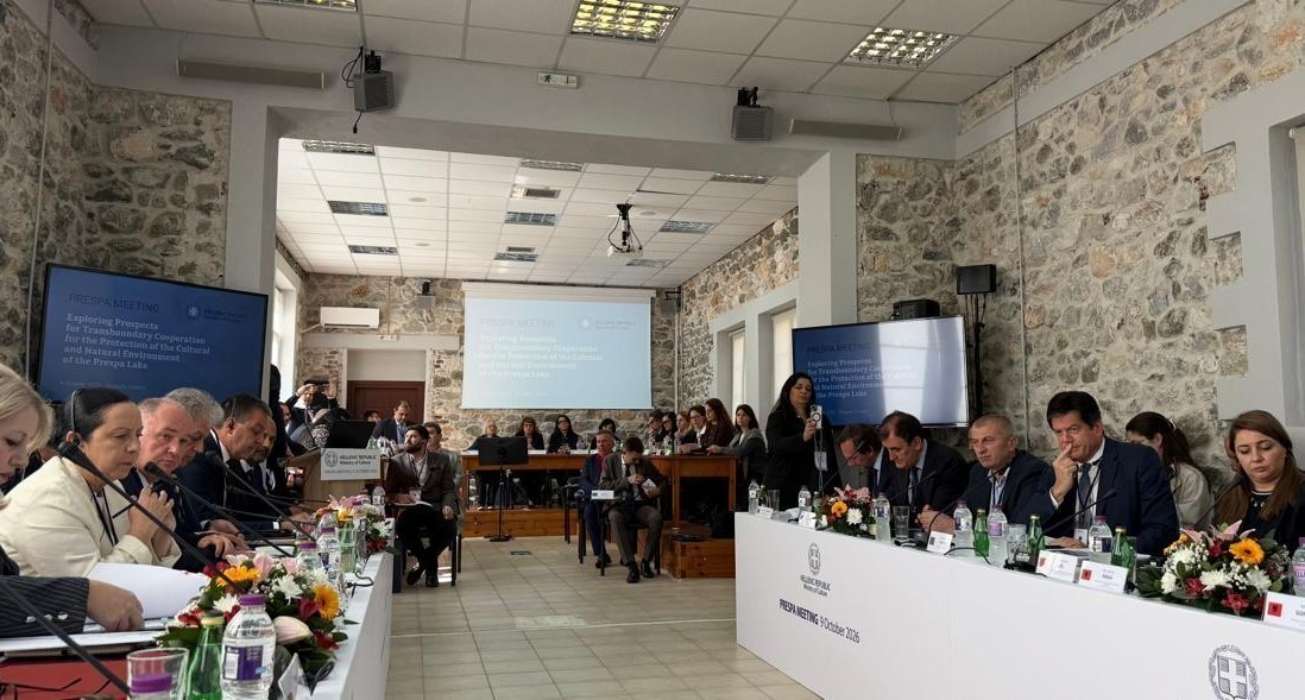
The agreement was signed during the Prespa Meeting, organized at the initiative of the Greek Ministry of Culture.
Participants included Greek Culture Minister Lina Mendoni, Albanian Minister of Tourism, Culture and Sports Blendi Gonxhja, and North Macedonia’s Minister of Culture and Tourism Sedat Sulejmani.
Representatives of UNESCO, the United Nations Development Programme (UNDP), the European External Action Service (EEAS) and the European Commission also attended.
The three ministers agreed to begin the scientific, technical and institutional work necessary to prepare a joint transnational nomination.
The agreement establishes a framework for cooperation, but it does not constitute UNESCO inscription or guarantee that the nomination will ultimately be approved.
The process requires extensive documentation demonstrating the site’s outstanding universal value, together with credible arrangements for its long-term protection and management.
Prespa’s Unique Combination of Natural Beauty and Cultural Heritage
The Prespa Lakes region represents an exceptional meeting point between nature and human history.
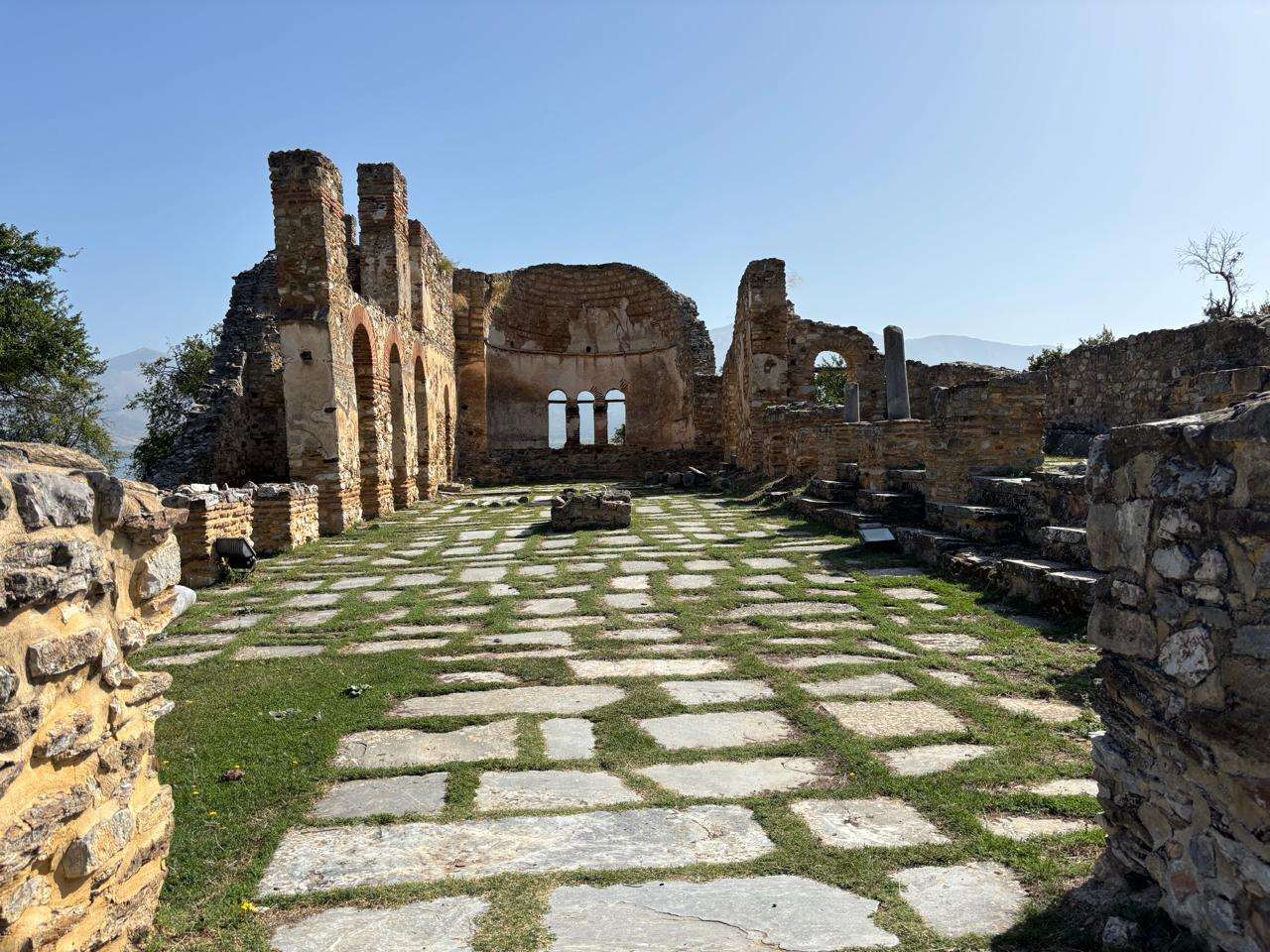
Its cultural landscape reflects human activity dating back to the Late Neolithic period and the Bronze Age, followed by significant developments during the Hellenistic, Roman, Byzantine and post-Byzantine periods.
Among the area’s most important historical landmarks is the island of Agios Achilleios, where archaeological and ecclesiastical remains testify to the region’s historical significance.
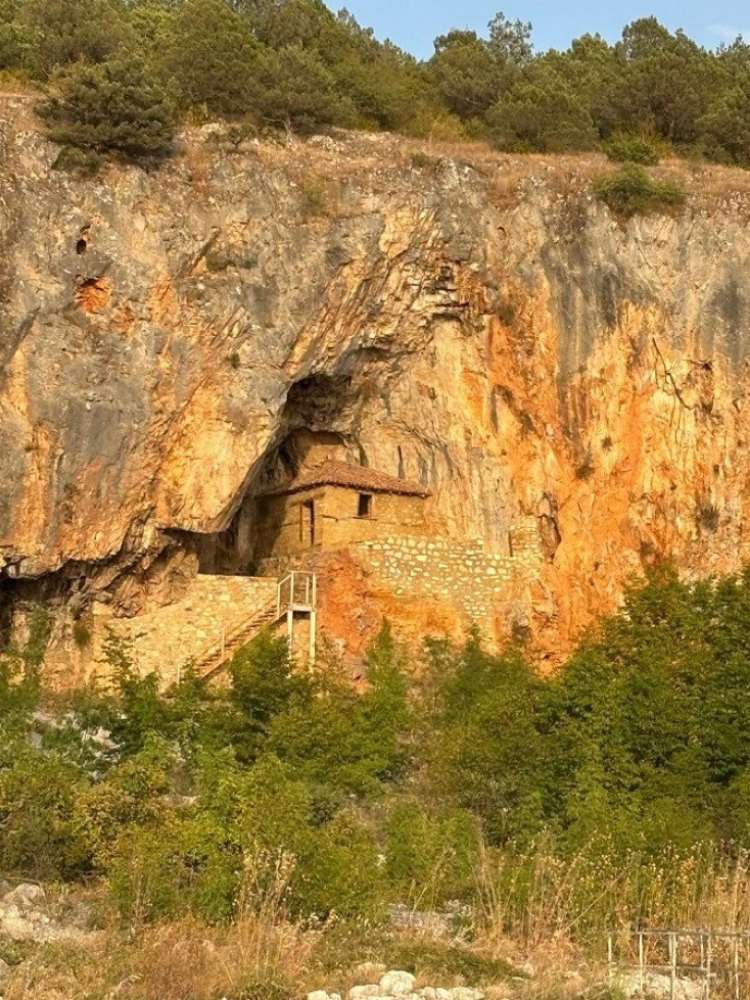
Prespa also contains an extensive collection of Byzantine and post-Byzantine churches, monasteries, hermitages and rock paintings.
More than 40 churches and monuments of architectural, artistic and historical importance have been identified across the wider region, according to information presented during the meeting.
The area’s natural environment is equally significant.
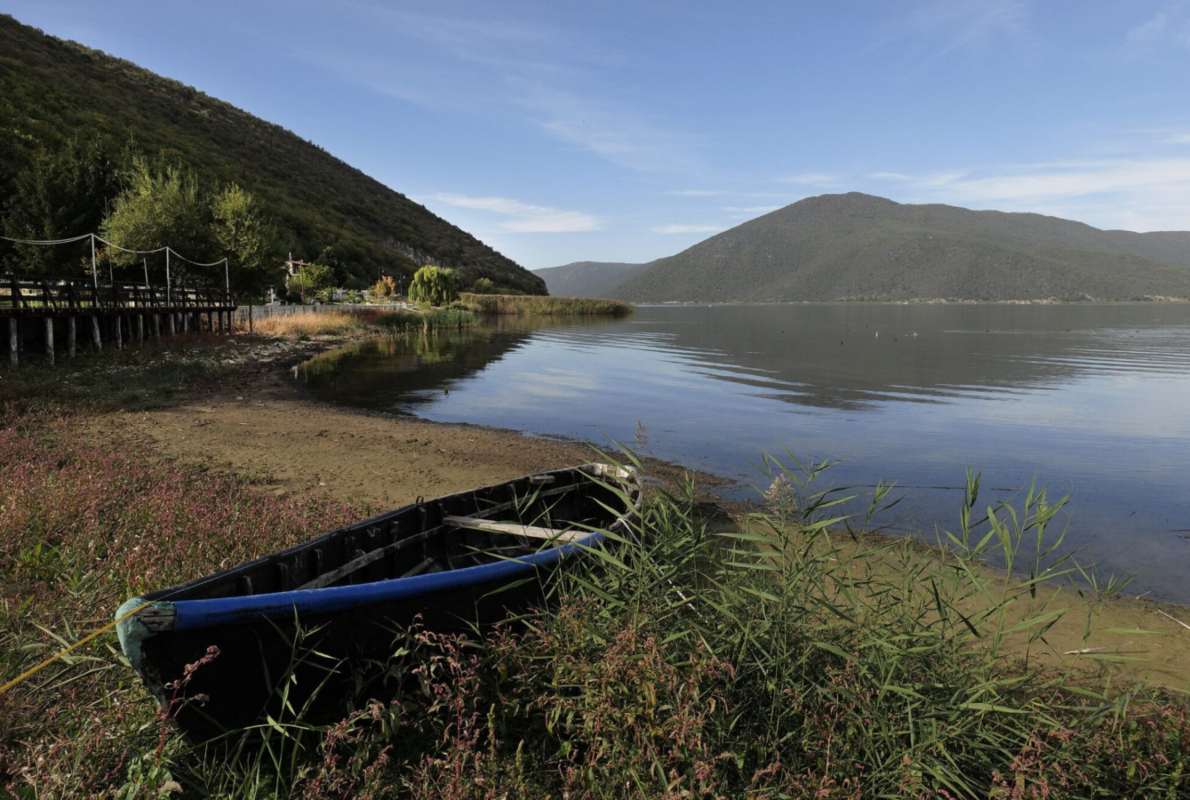
The Small and Great Prespa Lakes form part of one of the Balkans’ most important wetland ecosystems, supporting exceptional biodiversity, rare bird species and environmentally sensitive habitats.
This combination of natural and cultural significance is central to the proposed UNESCO designation.
European Union Funding: €2 Million for the Nomination Study
One of the most important announcements concerned the financial resources expected to support the nomination process.
Albanian Minister Blendi Gonxhja stated that the European Union would provide €2 million for the study required to prepare the joint UNESCO nomination.
The funding is intended to support preparatory work rather than constitute a broader investment package for infrastructure or tourism development.
Preparing a multinational World Heritage nomination involves detailed archaeological and environmental research, heritage inventories, scientific assessments and the development of a coordinated management framework.
The three countries will also need to demonstrate how their respective national institutions can cooperate effectively in protecting a single transboundary landscape.
The involvement of local communities will be particularly important.
International recognition could create opportunities for sustainable economic development, but protecting the region’s ecological integrity and cultural authenticity will remain essential.
North Macedonia Calls for Prespa to Become a Bridge of Friendship
North Macedonia’s Minister of Culture and Tourism, Sedat Sulejmani, emphasized the geographical and historical unity of the Prespa region.
Although its shores are divided among three countries, the wider landscape constitutes an interconnected natural and cultural system.
The minister argued that UNESCO recognition should serve a broader purpose than international prestige.
He emphasized long-term conservation, sustainable management and tangible benefits for communities living around the lakes.
From this perspective, the nomination is intended to strengthen cross-border cooperation while ensuring that environmental and cultural protection contribute to local development.
The proposed framework could also support joint research initiatives, educational exchanges and coordinated tourism policies.
Albania Proposes Shared Tourism Routes and Cultural Projects
Albanian Minister Blendi Gonxhja highlighted the potential for the three countries to develop a more integrated approach to cultural tourism.
He referred to restoration and heritage-promotion projects already undertaken on the Albanian side of the Prespa region.
These include conservation work involving frescoes and lighting at the Church of the Virgin Mary on Maligrad Island, as well as the development of the Sterjo Spasse House Museum in Gollomboç.
Albania also supports the creation of joint tourism routes connecting important cultural and natural landmarks across the region.
Additional proposals include scientific expeditions, cultural initiatives, sporting events and youth exchanges.
The broader objective is to encourage visitors to experience Prespa and the nearby Ohrid region as interconnected destinations while respecting the environmental limitations of these sensitive landscapes.
The Road to UNESCO: A Joint Nomination Targeted for 2030
The three countries have identified a series of steps necessary to prepare the proposed nomination, with 2030 presented as the target horizon for completing the preparatory and submission process.
The first stage involves establishing a joint working group responsible for coordinating scientific research, institutional cooperation and documentation.
The countries will then need to address the relevant requirements concerning their national UNESCO Tentative Lists.
Further stages include preliminary assessments involving the International Council on Monuments and Sites (ICOMOS) and the International Union for Conservation of Nature (IUCN).
These organizations provide expert assessments concerning cultural and natural heritage respectively.
A comprehensive nomination dossier must subsequently be prepared, including evidence of outstanding universal value and appropriate conservation and management measures.
The final decision on inscription rests with the UNESCO World Heritage Committee.
Consequently, the 2030 objective should be understood as a target for the nomination process rather than a confirmed date for World Heritage recognition.
Cultural Diplomacy and Greece’s Regional Role in the Balkans
The Prespa initiative also carries a broader diplomatic dimension.
By organizing the trilateral meeting, Greece has sought to establish a structured framework for cooperation with Albania and North Macedonia in an area where cultural and environmental interests naturally intersect.
The participation of European institutions and international organizations provides additional institutional support for the process.
The initiative demonstrates how cultural diplomacy can contribute to regional dialogue without requiring countries to resolve every other political disagreement before pursuing common objectives.
For Greece, the project also offers an opportunity to highlight the historical significance of Prespa’s Byzantine heritage and its broader contribution to European civilization.
For all three countries, the challenge will be to translate political commitments into coordinated conservation policies and effective management mechanisms.
Sustainable Tourism and Local Communities: The Next Challenge
Potential UNESCO recognition could increase Prespa’s international visibility and attract visitors interested in cultural heritage, biodiversity and nature-based tourism.
However, increased tourism would also require careful management.
The region’s ecosystems are sensitive to environmental pressures, while its historical monuments require continuous conservation.
Sustainable tourism policies, community participation and scientific monitoring will therefore be essential components of any successful long-term strategy.
The initiative could also support traditional economic activities, educational programs and heritage-related employment.
Its ultimate value will depend not simply on securing an international designation but on improving the protection of the region and creating sustainable opportunities for future generations.
Prespa as a Model of Cooperation Beyond Borders
The agreement signed in Prespa marks the beginning of a potentially significant international heritage initiative.
Its importance lies in bringing together three countries around the shared responsibility of protecting an interconnected cultural and natural landscape.
The Greek initiative, led by Lina Mendoni, seeks to establish Prespa as an example of how cultural heritage and environmental protection can strengthen cooperation across national boundaries.
The central message is that Prespa’s shared history and natural environment can provide a foundation for cooperation, sustainable development and long-term regional partnership.
The road to UNESCO recognition remains complex and will require years of scientific preparation and political coordination.
Nevertheless, the trilateral agreement establishes a starting point for a project whose significance extends beyond the lakes themselves, reflecting the potential of cultural diplomacy to build practical partnerships in southeastern Europe.
Source: pagenews.gr
Διαβάστε όλες τις τελευταίες Ειδήσεις από την Ελλάδα και τον Κόσμο