Frozen Russian Assets, Take Two: Europe Revives the €210 Billion Plan for Ukraine
 ΧΡΟΝΟΣ ΑΝΑΓΝΩΣΗΣ 8 '
Πηγή Φωτογραφίας: AP Photo//Frozen Russian Assets, Take Two: Europe Revives the €210 Billion Plan for Ukraine



Europe is reopening a file that many thought had been effectively shelved last December.
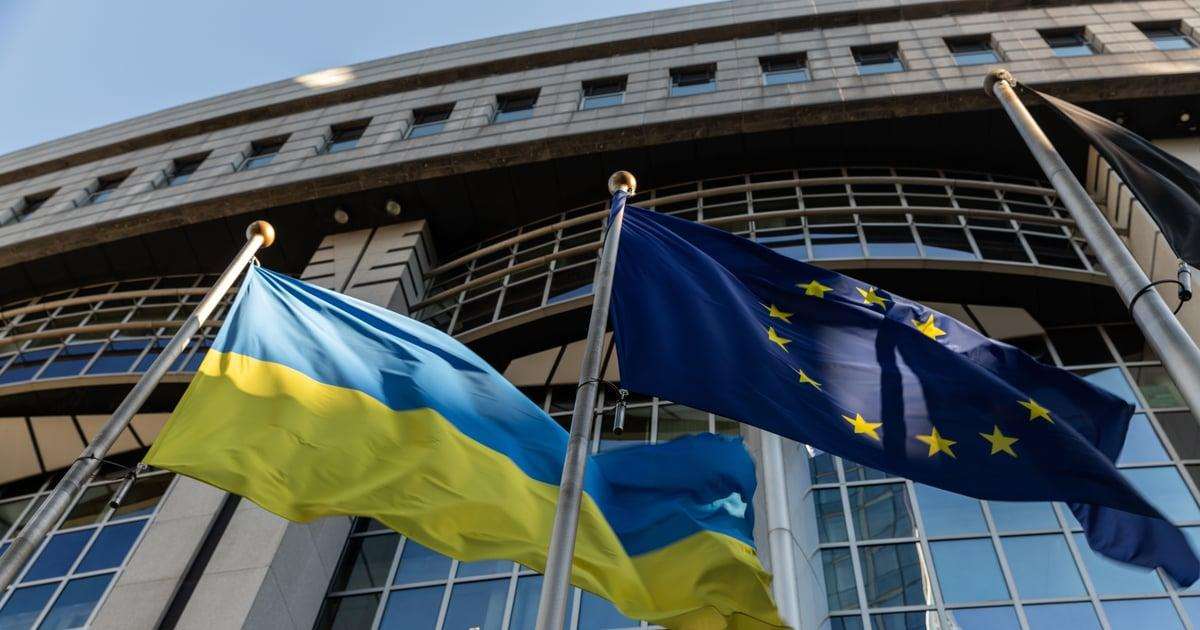
Sweden, the Netherlands, Spain and Poland are pressing the European Commission to restart work on the so-called reparations loan for Ukraine, a mechanism that could mobilize part of roughly €210 billion in Russian central-bank assets currently immobilized inside the EU.
The reason is simple.
Ukraine’s financing needs remain larger than the €90 billion fallback EU loan already agreed for 2026-2027.
That shortfall has brought the frozen-assets debate back to the center of Brussels.
The question is no longer whether Europe can freeze Russian assets.
It already has.
The question is whether it can turn those frozen assets into financing.
The Three Numbers Driving the Debate
The debate revolves around three figures.
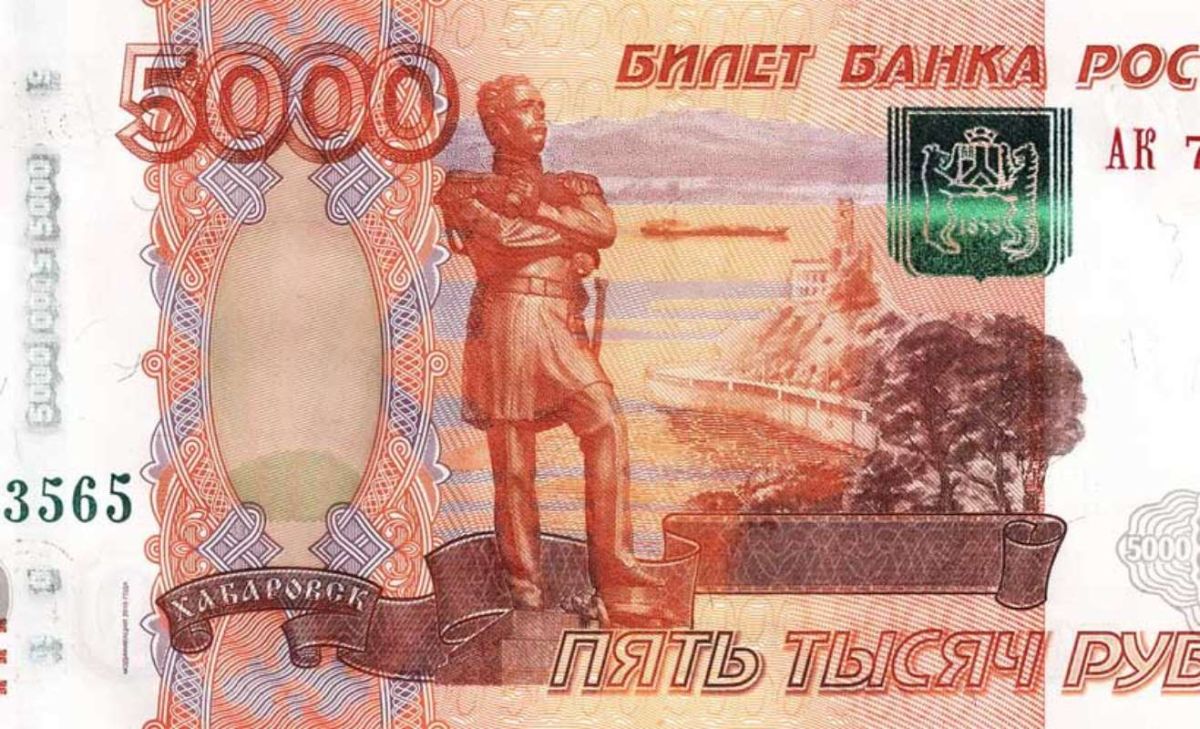
Roughly €210 billion in Russian central-bank assets remain immobilized across the EU.
The Union has already agreed a €90 billion loan package for Ukraine.
And yet Kyiv’s financing needs remain large enough that several capitals now argue Europe cannot afford to leave the biggest available asset pool untouched.
That is why the reparations-loan proposal is back.
How the Reparations Loan Would Work
The mechanism is designed very carefully to avoid the legal language of confiscation.
Under the concept, Russian sovereign assets would remain formally owned by Russia.
But their economic value could be mobilized to finance a limited-recourse loan to Ukraine.
Kyiv would repay that loan only if and when Russia eventually pays war reparations.
In political terms, the logic is attractive.
Europe gets major financing for Ukraine without immediately raising the same amount from national taxpayers.
And Russia’s own immobilized assets become the financial basis for Ukraine’s reconstruction and defense.
Belgium Is Still the Critical Player
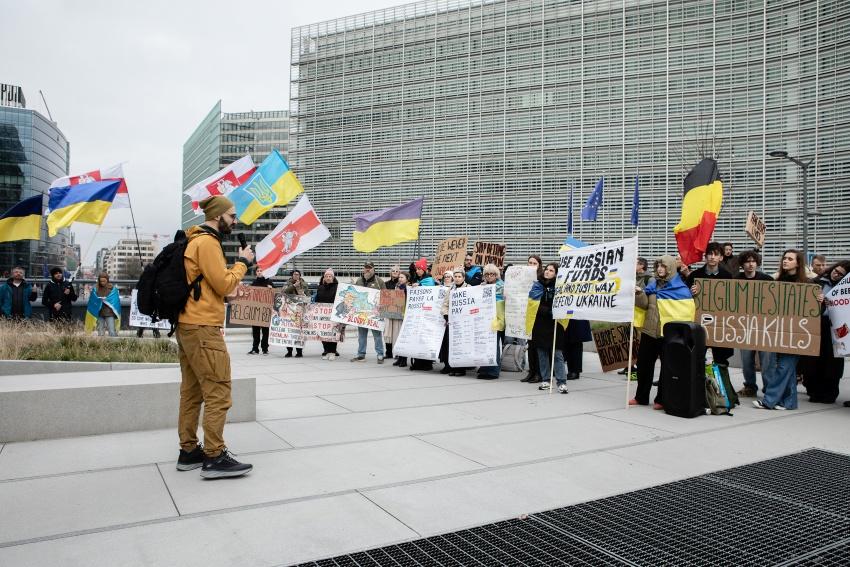
The biggest obstacle remains Belgium.
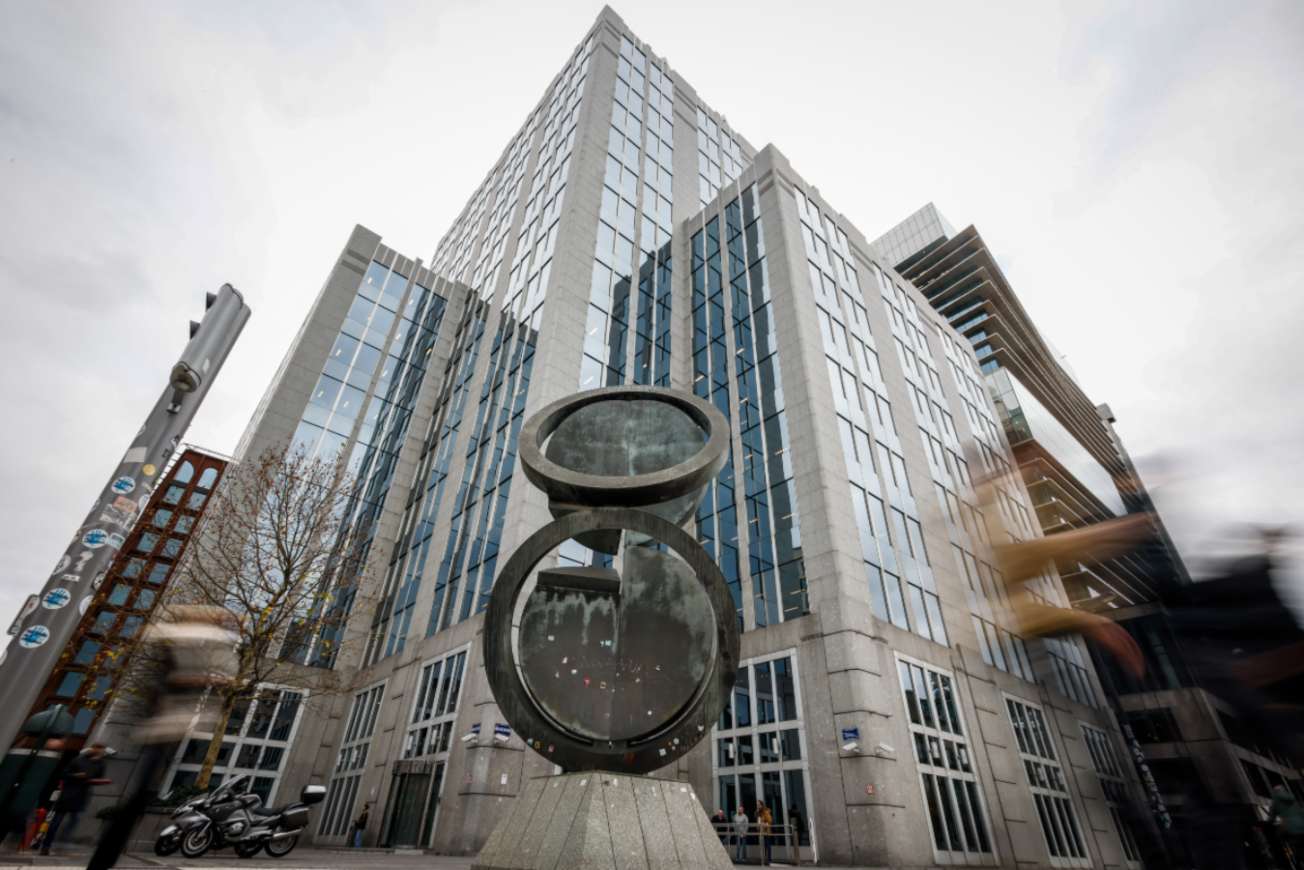
The reason is Euroclear.
The Brussels-based securities depository holds the overwhelming majority of Russian sovereign assets immobilized in Europe.
That makes Belgium the central legal and financial exposure point.
For other member states, the reparations loan is a geopolitical financing instrument.
For Belgium, it is also a direct question of:
legal liability,
liquidity,
financial stability,
and potential Russian retaliation.
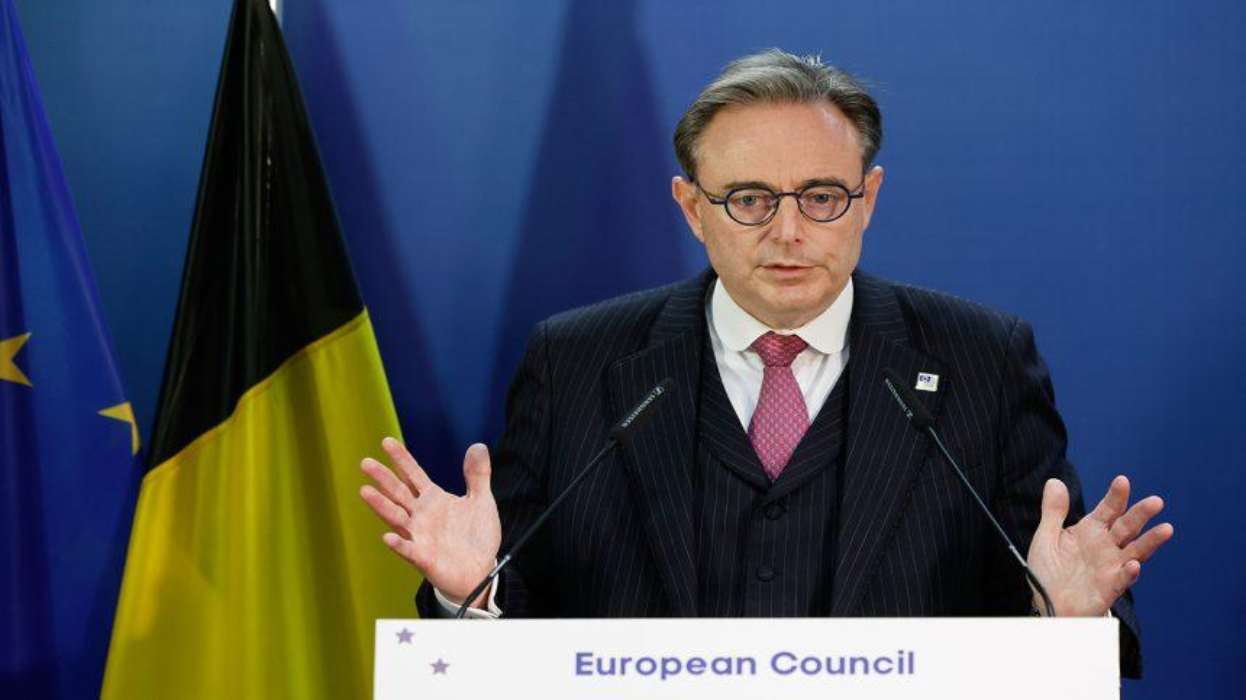
That is why Prime Minister Bart De Wever remains cautious.
Why Belgium Wants Real Guarantees
The problem is asymmetry.
The political decision would be European.
But the largest concentration of assets sits inside a Belgian financial institution.
If Russia escalates legal claims, Belgium and Euroclear would be on the front line.
That is why Brussels has insisted that any guarantees must be genuinely shared across the EU.
Not just politically.
Financially and legally.
Article 122 Changed the Game
The EU has already moved to make the immobilization of Russian assets more durable.
By using Article 122 of the Treaty, Brussels reduced the risk that a single member state could repeatedly block renewal of the freeze.
That matters.
Europe has already completed the first stage:
keeping the assets immobilized.
The second stage is much more ambitious:
using them as the foundation for funding.
Ukraine Is the Obvious Winner
For Kyiv, the reparations loan is highly attractive.
It would provide financing without requiring the same level of fresh annual budget negotiations across Europe.
It would also allow the EU to argue that Russia is effectively financing part of the damage caused by its own war.
Politically, that message is powerful.
Financially, it could reduce pressure on European taxpayers.
The €90 Billion Fallback Is Still There
The reparations loan is not replacing the existing fallback.
The EU has already agreed a €90 billion financing package for Ukraine for 2026-2027.
That remains in place.
The reason the frozen-assets proposal is returning is not that the fallback failed.
It is that Ukraine’s financing requirements remain larger than the package already agreed.
The Bigger Question: What Does This Mean for the Euro?
This is where the story moves far beyond Ukraine.
Central-bank reserves held abroad are traditionally treated as among the safest forms of sovereign wealth.
States expect sanctions to be possible.
They understand assets can be frozen.
But using the underlying economic value of sovereign reserves to fund another state is a different precedent.
If Europe proves it can do this without formally confiscating the assets, other reserve managers will notice.
Beijing and Gulf Reserve Managers Are Watching
That does not mean China or Gulf states will suddenly abandon the euro.
Reserve diversification is slow and complex.
But the incentive to hedge becomes stronger.
If sovereign reserves can move from “frozen” to “mobilized” in a geopolitical crisis, central banks have another reason to diversify into:
gold,
regional currencies,
bilateral settlement systems,
or assets held outside Western custodians.
That is the quiet long-term cost of the reparations-loan mechanism.
This Does Not Mean the Euro Is Finished as a Reserve Currency
The euro’s international role rests on much more than sanctions policy.
It is supported by:
the size of the European economy,
deep capital markets,
institutional credibility,
the rule of law,
and the European Central Bank.
A reparations loan would not destroy that status.
But it could raise the geopolitical risk premium that some reserve managers already factor into their allocation decisions.
That matters over time.
Europe Faces a Difficult Trade-Off
The EU essentially faces two risks.
If it does not mobilize Russian assets, it must find more money through:
joint borrowing,
national budgets,
or new EU fiscal instruments.
If it does mobilize them, it increases:
legal risk,
Euroclear exposure,
and uncertainty over the treatment of sovereign reserves.
There is no cost-free option.
Euroclear Has Become Geopolitical Financial Infrastructure
The case also shows something Europe often underestimates.
Financial infrastructure is geopolitical infrastructure.
Clearing systems.
Central securities depositories.
Payment networks.
Custody systems.
These are not simply technical plumbing.
In sanctions regimes, they become instruments of state power.
And Euroclear has become one of the most important financial choke points in Europe’s confrontation with Moscow.
What Markets Should Watch Next
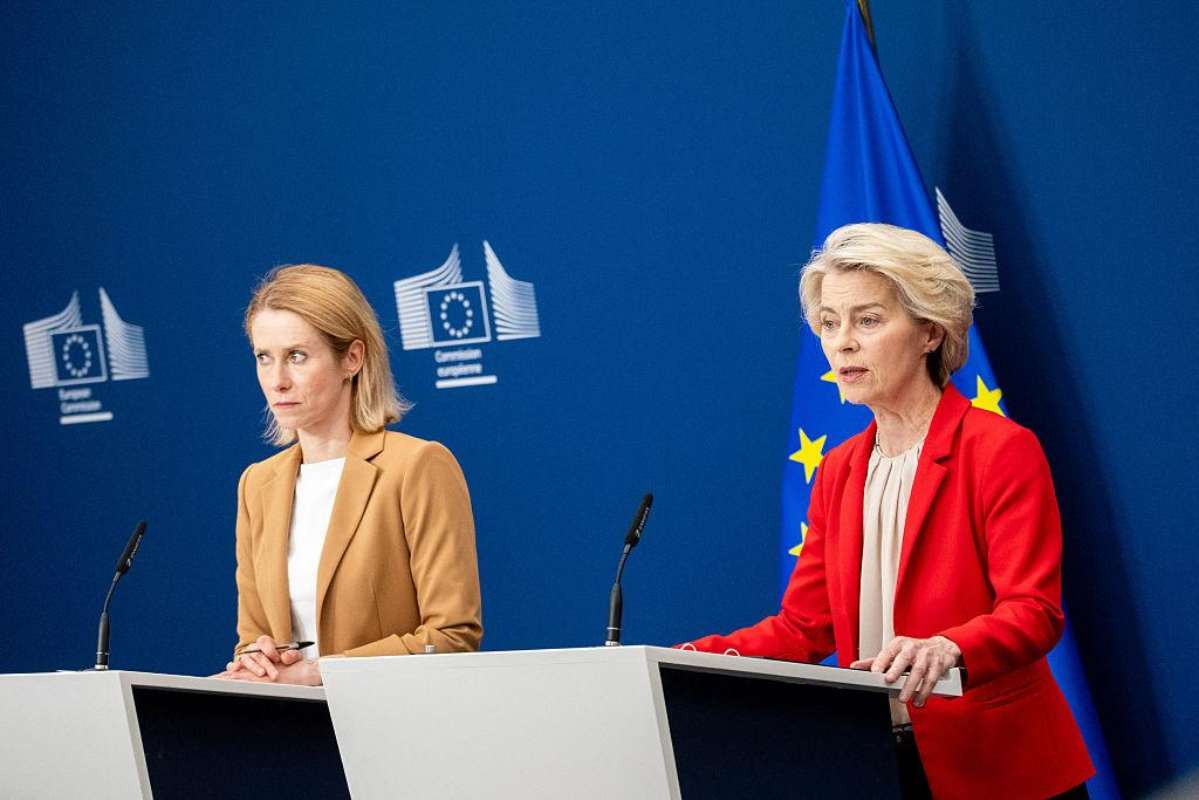
The key question now is whether the European Commission responds to pressure from Sweden, the Netherlands, Spain and Poland by formally reviving the reparations-loan framework.
But the real test remains Belgium.
If new guarantees convince Bart De Wever that the legal and financial risks are genuinely shared across the Union, the plan may return to life.
If not, Europe risks repeating the same deadlock.
Europe Is Trying to Turn “Frozen” Into “Financeable”
This is the real meaning of the debate.
Stage one was:
freeze Russian assets.
Stage two was:
use the extraordinary profits they generate.
Stage three is much more ambitious:
use the economic value of the immobilized assets themselves as the basis for financing.
If Europe succeeds, it will have solved part of Ukraine’s funding problem without demanding the same amount in new taxpayer money.
But it will also have moved an important boundary in the international financial system.
For Ukraine, that could be a lifeline.
For Belgium, it is a liability question.
For Russia, it is a financial and political loss.
And for the euro, it is a much more complicated test:
whether Europe can use its financial power as a geopolitical weapon without weakening the trust on which that power ultimately depends.
That is the real €210 billion question.
Source: pagenews.gr
Διαβάστε όλες τις τελευταίες Ειδήσεις από την Ελλάδα και τον Κόσμο