PASOK Mantzos Challenges Mitsotakis Over Guilfoyle:“Is Greece Becoming Battleground for Business Interests?”
 ΧΡΟΝΟΣ ΑΝΑΓΝΩΣΗΣ 11 '
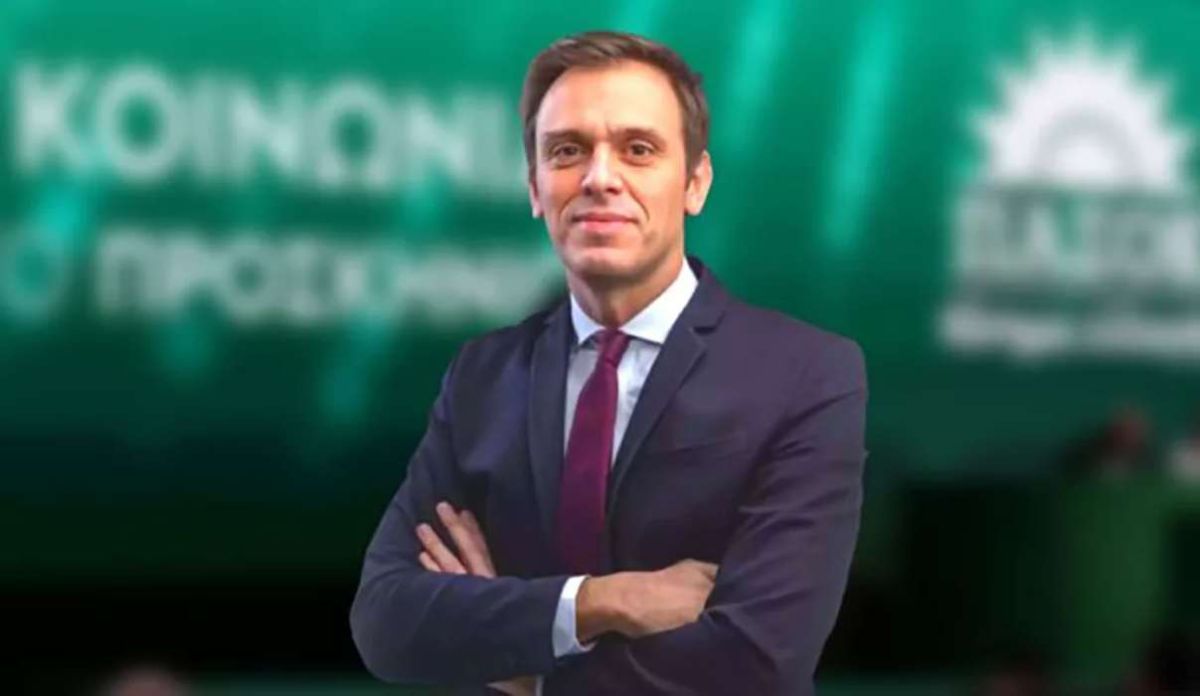
Πηγή Φωτογραφίας: eurokinissi//PASOK’s Mantzos Challenges Mitsotakis Over Guilfoyle: “Is Greece Becoming a Battleground for Business Interests?”



The controversy surrounding Kimberly Guilfoyle, the U.S. ambassador to Greece, has triggered a new political confrontation in Athens following confirmation that the White House requested her resignation.
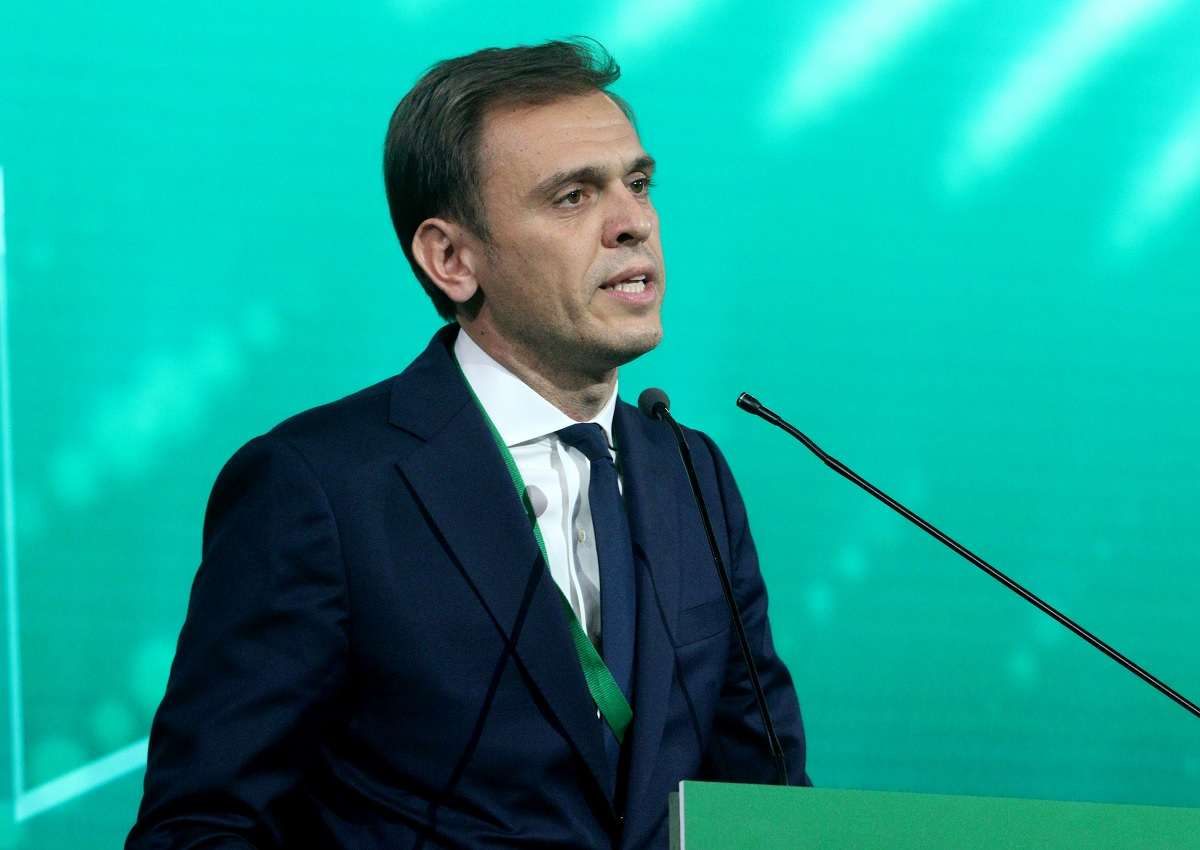
In a strongly worded statement, Dimitris Mantzos, the official responsible for foreign affairs within the parliamentary group of PASOK–Movement for Change, called on Prime Minister Kyriakos Mitsotakis and the Greek government to explain how they have handled allegations involving the American ambassador.
Mantzos argued that the developments raise serious questions extending beyond the ambassador’s personal conduct, touching on diplomatic transparency, Greece’s political institutions, and the relationship between government decision-making and private business interests.
His intervention also brings renewed attention to the energy, defense and other agreements discussed during the sixth Greece–U.S. Strategic Dialogue, held in the presence of U.S. Secretary of State Marco Rubio.
At the heart of PASOK’s criticism is a direct question: Did the Greek government ever formally ask Ambassador Guilfoyle to explain the allegations reported by the international press?
“Serious Issues and a Series of Unanswered Questions”
Mantzos opened his statement by emphasizing the political significance of the developments in Washington.
“The removal of the U.S. ambassador, following journalistic revelations in the international press concerning, among other things, her tenure in our country to date, raises serious issues and a series of unanswered questions.”
His remarks came after the White House confirmed that the Trump administration had requested Guilfoyle’s resignation.
The announcement represented a significant development following successive reports about her conduct and financial relationships.
However, the White House’s request for resignation does not, by itself, establish that the allegations against Guilfoyle have been substantiated, nor does it necessarily confirm that her departure has already been completed.
Mantzos nevertheless argues that the controversy requires an official response from Athens.
For PASOK, the central issue is not simply whether Guilfoyle remains in her diplomatic position, but whether the Greek authorities adequately addressed concerns relating to her activities in Greece.
Allegations of Interference in Greece’s Political and Democratic Life
A central element of Mantzos’ statement concerns reports published by The Wall Street Journal.
The PASOK official referred to allegations involving possible interference in Greek domestic politics and the country’s democratic institutions.
“Just a few days after the first Wall Street Journal report concerning alleged threats of direct interference in Greece’s political life and democratic functioning, newer information directly attributed to the U.S. ambassador a mediating or promotional role on behalf of business interests enjoying privileged access, particularly in the energy sector.”
The allegation is politically significant because it goes beyond questions about an ambassador’s private financial affairs.
Mantzos is raising concerns about whether diplomatic influence may have been used to advance particular commercial interests.
The reported allegations remain contested and should not be treated as established facts.
Nevertheless, PASOK maintains that their seriousness warrants a transparent explanation from the Greek government.
The party’s intervention seeks to establish whether Greek institutions were aware of the allegations and whether any formal diplomatic steps were taken.
“Transactional Diplomacy” – PASOK’s Sharp Criticism
Mantzos went further, arguing that the White House’s decision should be examined alongside the international media reports.
“In any event, the decision to remove her implicitly amounts to acceptance of the reports, which essentially confirm a model of transactional diplomacy, far removed from the principles-based foreign policy that our country ought to pursue.”
This is PASOK’s political interpretation of the developments, rather than a finding established by the White House.
A request for an ambassador’s resignation does not automatically constitute confirmation of every allegation published about that individual.
However, Mantzos uses the announcement to challenge the Greek government’s broader approach to relations with Washington.
His criticism centers on the distinction between diplomacy conducted in pursuit of national interests and arrangements that could give private actors privileged influence over public decisions.
By invoking the concept of “transactional diplomacy,” he argues that foreign policy should be guided by institutional transparency and clearly defined national priorities.
Sixth Greece–U.S. Strategic Dialogue Under Scrutiny
One of the most consequential aspects of Mantzos’ statement concerns the agreements reached during the sixth Greece–U.S. Strategic Dialogue.
The talks took place the previous week in the presence of U.S. Secretary of State Marco Rubio, against the backdrop of expanding bilateral cooperation in defense, energy and regional security.
PASOK argues that the Greek government has yet to provide the detailed information the party requested about the agreements.
Mantzos stated:
“In the same context, the detailed briefing that we have already requested in a timely manner, under conditions of full transparency, remains outstanding regarding the content, purpose and benefits of the energy, defense and other agreements concluded during the sixth Greece–U.S. Strategic Dialogue last week, in the presence of U.S. Secretary of State Marco Rubio, who at the time had expressed the full support of the U.S. government for the ambassador who has now been removed.”
The reference to Rubio adds another political dimension to the dispute.
According to Mantzos, the American secretary of state publicly supported Guilfoyle during his visit to Greece, only for the White House subsequently to request her resignation.
PASOK is using this sequence of events to press for greater clarity about the diplomatic discussions and agreements conducted during that period.
The party is not presenting a specific bilateral agreement as proven unlawful.
Instead, it is demanding information about the content, objectives and expected benefits of the arrangements.

Energy Agreements and Allegations of Privileged Business Access
The energy sector occupies a particularly prominent position in Mantzos’ criticism.
Greece and the United States have strengthened cooperation in energy infrastructure, natural gas supplies and regional energy security.
Against this background, reports alleging privileged access for particular commercial interests have become politically sensitive.
Mantzos explicitly connected those reports with the need to scrutinize agreements reached during the strategic dialogue.
His argument is that Greek citizens and political institutions should be informed about the commercial and strategic implications of bilateral commitments.
This includes understanding which interests are involved, what obligations have been undertaken and how the agreements serve Greece’s national priorities.
The questions are especially relevant because energy policy has become closely connected to geopolitics and regional security.
However, the existence of energy agreements or commercial contacts does not itself establish improper influence.
The controversy concerns whether the reported allegations warrant further investigation and what information the government should disclose.
Defense Cooperation and the Question of Transparency
Mantzos also included defense agreements among the areas requiring greater scrutiny.
Defense cooperation between Athens and Washington is a longstanding component of their strategic relationship.
The PASOK official did not call for the relationship to be abandoned.
Rather, his statement focuses on transparency and parliamentary accountability concerning the agreements reached.
By requesting information about their content, purpose and benefits, PASOK is challenging the government to explain the practical consequences of the commitments made.
This approach places the controversy within a broader debate over the role of democratic oversight in foreign policy.
It also raises the question of how governments should respond when allegations involving foreign diplomatic representatives emerge during sensitive bilateral negotiations.
“Did the Foreign Ministry Ever Summon the Ambassador for Explanations?”
The final section of Mantzos’ statement directly challenges the Greek government.
He asks whether the Ministry of Foreign Affairs ever requested an explanation from Guilfoyle concerning the reported incidents.
“The obvious question now is: what position does the Greek government take in response to these developments? Has the Ministry of Foreign Affairs ever, up to this point, summoned the U.S. ambassador to provide explanations regarding the incidents mentioned above?”
The wording is significant.
Mantzos does not simply request a general political statement from the government.
He asks whether a specific diplomatic action was taken.
Such a request for clarification could help establish how the Greek authorities responded to the allegations and whether they considered them sufficiently serious to warrant direct contact with the American diplomatic mission.
The question itself does not establish that the ministry failed to act.
It does, however, place the burden of public explanation on the government.
“Will Greece Be Reduced to a Theater for Economic and Business Battles?”
Mantzos concluded with the strongest passage of his statement, addressing Prime Minister Mitsotakis directly.
“Does the government and the Prime Minister intend to undertake any initiative or make any formal representations to the United States, or will they simply stand by and watch our country be offered up as a ‘theater’ for economic and business battles between competing interests?”
This question captures PASOK’s central political criticism.
Mantzos is asking whether Athens will seek official explanations from Washington or limit its response to observing developments in the United States.
His reference to Greece becoming a “theater” for business interests is a pointed political characterization, not an established description of the country’s diplomatic relationships.
Nevertheless, the statement signals PASOK’s intention to maintain pressure on the government over the controversy.
The party is demanding clarity about both the handling of the allegations against Guilfoyle and the substance of recent bilateral agreements.
A Diplomatic Controversy Becomes a Domestic Political Issue
The White House’s request for Kimberly Guilfoyle’s resignation has now become a subject of direct political scrutiny in Greece.
For PASOK, the affair raises three interconnected issues: the government’s response to allegations involving a foreign ambassador, the transparency of bilateral energy and defense agreements, and the broader principles governing Greece’s foreign policy.
Mantzos’ statement seeks answers from the Ministry of Foreign Affairs and the Prime Minister’s office without waiting for the completion of the diplomatic transition in Athens.
The distinction between the confirmed request for resignation and the unproven allegations remains essential.
Yet the political questions raised by PASOK are clear.
Did Athens seek explanations? What information has been provided about the sixth Greece–U.S. Strategic Dialogue? And does the government intend to make formal representations to Washington?
Mantzos’ closing challenge leaves the issue squarely with the Greek government:
“Does the government and the Prime Minister intend to undertake any initiative or make any formal representations to the United States, or will they simply stand by and watch our country be offered up as a ‘theater’ for economic and business battles between competing interests?”
Source: pagenews.gr
Διαβάστε όλες τις τελευταίες Ειδήσεις από την Ελλάδα και τον Κόσμο