US Sanctions Bombshell: Greek Bank Under Scrutiny Over Iran Links as Washington Targets Shipping Network
 ΧΡΟΝΟΣ ΑΝΑΓΝΩΣΗΣ 13 '
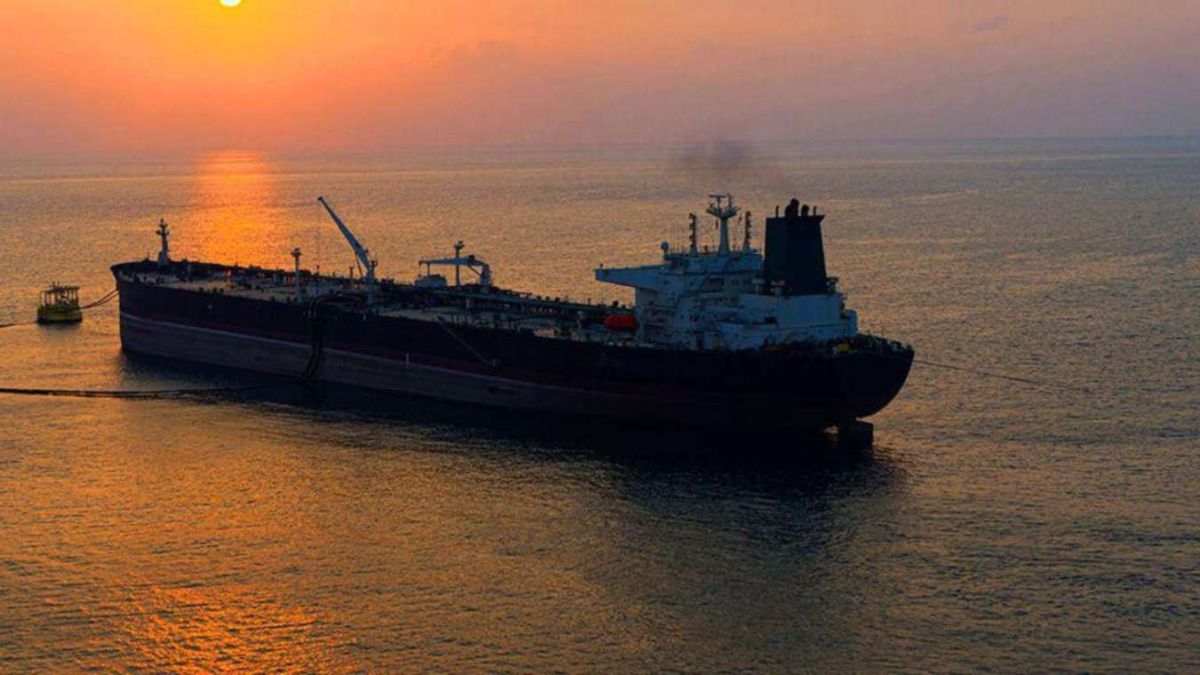
Πηγή Φωτογραφίας: AP Photo//US Sanctions Bombshell: Greek Bank Under Scrutiny Over Iran Links as Washington Targets Shipping Network



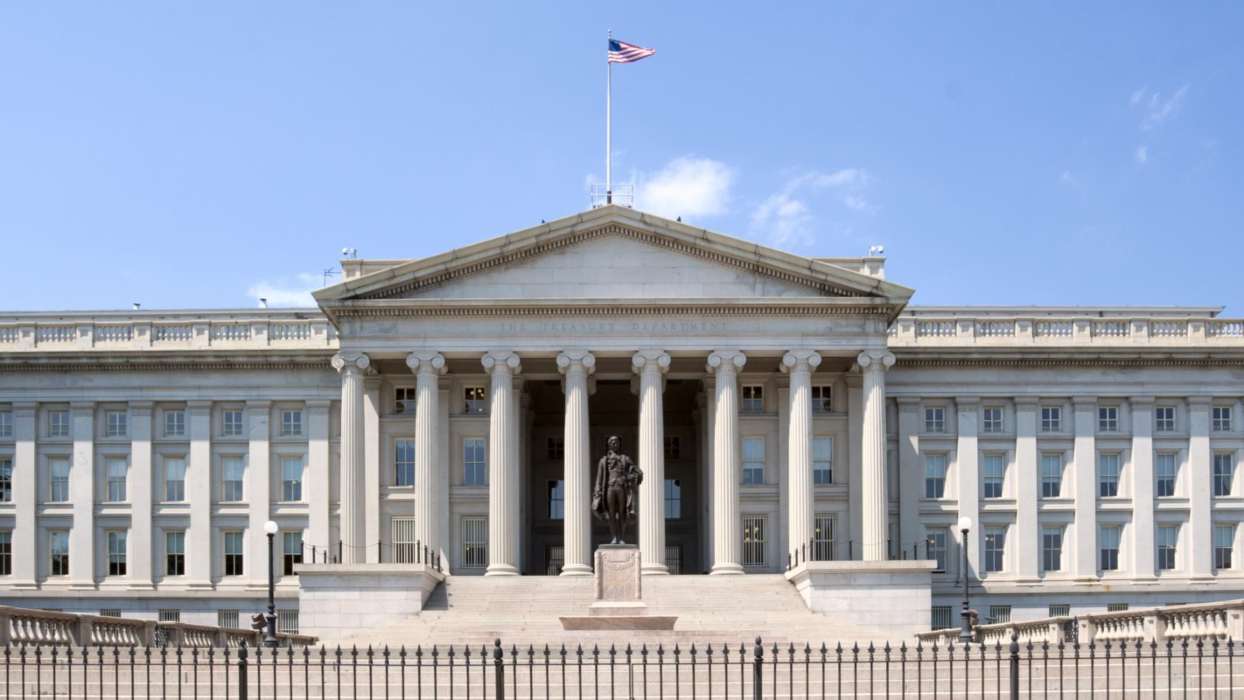
A major US sanctions operation targeting financial and maritime networks linked to Iran has brought Greece into the international spotlight, following announcements by the US Department of the Treasury on October 21, 2026.
Under Operation “Economic Outcast,” American authorities have announced sanctions against a law firm operating in Greece and Panama, several individuals, a shipping company and vessels allegedly involved in facilitating trade in Iranian-origin commodities.
In a separate but significant development, the US Treasury’s Financial Crimes Enforcement Network (FinCEN) has disclosed an investigation into potential connections between a Greek bank and Iran-linked entities.
The developments prompted an official response from Greece’s Ministry of National Economy and Finance, which confirmed that Greek authorities are cooperating closely with their American counterparts.
The case raises important questions about sanctions compliance, maritime ownership structures, international banking relationships and the growing use of financial restrictions as instruments of geopolitical pressure.
However, an essential distinction must be maintained: the sanctions announced against named entities are separate from the investigation involving an unnamed Greek bank. The latter does not establish wrongdoing.
Greek Bank Under US Scrutiny: The FinCEN Investigation
One of the most sensitive elements of the American announcements concerns a Greek financial institution.
According to the US Treasury, FinCEN is working in close coordination with European partners, including Greece, to examine potential connections between a Greek bank and Iran or entities associated with the country.
The agency has reportedly issued an administrative subpoena under the Bank Secrecy Act as part of its efforts to obtain information relevant to the investigation.
Such investigative measures allow US authorities to request financial records and other information that may help identify transactions, relationships or activities requiring further examination.
The Greek bank has not been publicly identified in the announcement.
Nor has FinCEN announced that the institution violated sanctions or participated in illegal financial activity.
The investigation therefore remains an information-gathering process rather than an established finding of misconduct.
FinCEN has also reported additional requests for information concerning banking relationships with Iranian financial institutions subject to US sanctions.
The developments highlight the increasingly complex international environment in which financial institutions must monitor cross-border transactions and assess sanctions-related risks.

Washington Sanctions Karnakis and Karnakis
The second major development concerns Karnakis and Karnakis, a law firm operating in Greece and Panama.
The US Treasury announced sanctions against the firm, alleging that it had provided legal and corporate services supporting maritime activities connected to sanctioned Iranian trade.
According to the American authorities, the firm helped establish and register shipping companies associated with vessels operating within networks described by Washington as part of Iran’s shadow fleet.
The Treasury alleges that these structures facilitated the transportation of Iranian-origin commodities, including petroleum, petrochemical products and steel, with an aggregate value reaching hundreds of millions of dollars.
These allegations form part of the US government’s stated justification for imposing sanctions.
They should not be confused with findings issued by a Greek criminal court.
The case illustrates how sanctions enforcement can extend beyond commodity exporters and vessel operators to professional intermediaries accused of supporting the corporate infrastructure behind international trade.
The Shipping Companies Named by US Authorities
The American announcement identifies several shipping companies allegedly established with the assistance of Karnakis and Karnakis.
These include:
- Skyros Maritime and Trading S.A.
- Corfu Maritime and Trading S.A.
- Elias Shipping and Trading Group S.A.
According to the US Treasury, the companies were associated with vessels involved in the transportation of Iranian petroleum or petroleum products.
Particular attention is given to Elias Shipping and Trading S.A., identified in connection with the vessel RAMONA 1, IMO number 9233222.
US authorities allege that the company served as a corporate vehicle connected to the Al-Qatirji Company, a Syrian business previously targeted by American sanctions.
Washington has accused that business of facilitating Iranian oil movements that benefited Iran’s Islamic Revolutionary Guard Corps-Quds Force and the Houthis.
These claims demonstrate the broader geopolitical dimension of the operation, in which maritime trade, corporate ownership and regional security concerns intersect.
Five Individuals Added to US Sanctions Lists
The US Treasury also announced sanctions against five individuals associated, according to the American announcement, with the activities of Karnakis and Karnakis.
They are Sofianos Karnakis Kosmas, Konstantinos Karnakis Kosmas, Ioanis Karnakis Kosmas, Pedro Ortega Jones and Roberto Ortega Jones.
US authorities allege that the individuals held ownership, employment, management or other relevant relationships with the firm and associated corporate structures.
The Treasury maintains that such arrangements helped establish or administer entities linked to sanctioned maritime activities.
The designations were made under Executive Order 13902, which provides authority for sanctions relating to specified sectors of the Iranian economy.
Being designated under a US sanctions program is a significant regulatory action, but it is not equivalent to a criminal conviction.
Seven Vessels Targeted in the Maritime Crackdown
The operation also targets Roxette Maritime Shipping and Trading S.A., a company with connections to Greece and Panama.
According to the US Treasury, Karnakis and Karnakis provided corporate agency services to Roxette.
American authorities allege that Roxette managed or operated Panama-flagged vessels, some of which transported Iranian-origin commodities, including petrochemical products and steel.
Seven vessels were identified:
ANEMOS, GLORIS, PRIDE, DESTINY, FLAMINGO 1, HARMONY and PRINCE.
The vessels were identified as blocked property in which Roxette has an interest under the relevant US sanctions measures.
The maritime dimension is particularly important because the international shipping industry depends on complex networks of registered owners, managers, operators, charterers and financial intermediaries.
Sanctions enforcement increasingly focuses on identifying the individuals and entities behind these structures, rather than examining only the vessels or cargoes themselves.
Scott Bessent’s Warning: “We Know Who You Are”
US Treasury Secretary Scott Bessent delivered a forceful message alongside the announcement of the new measures.
Addressing those accused of supporting sanctioned Iranian activities, Bessent warned that American authorities would continue identifying and targeting the networks involved.
His message emphasized that enforcement would extend from illicit oil transfers at sea to professional intermediaries operating through corporate offices.
The warning reflects Washington’s strategy of targeting not only Iranian entities but also foreign businesses and individuals allegedly providing services that enable sanctioned trade.
For the US administration, Operation “Economic Outcast” forms part of a broader effort to restrict Iran’s access to international revenue and financial channels.
Athens Responds: Close Cooperation with Washington
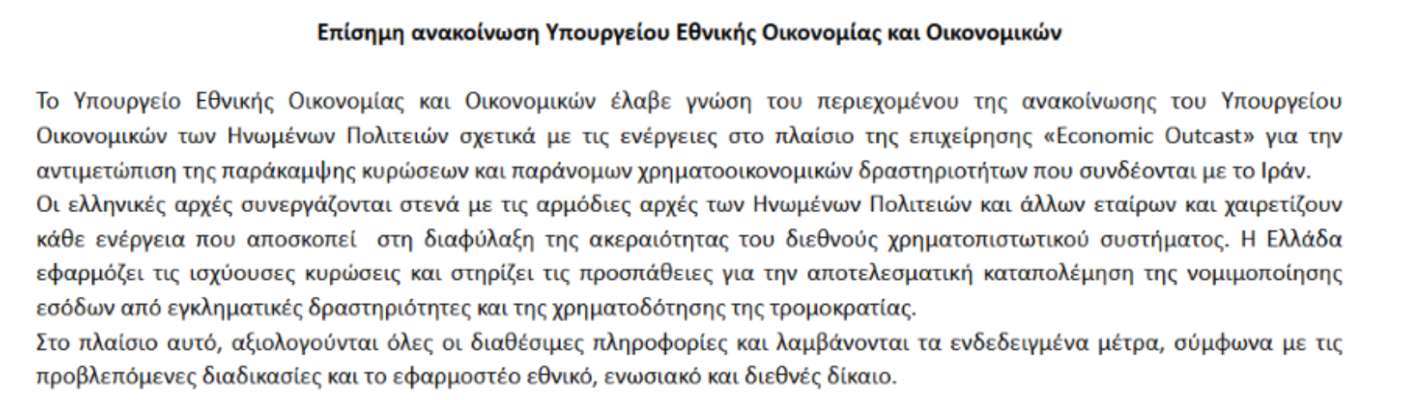
Following the American announcements, Greece’s Ministry of National Economy and Finance issued an official statement.
The ministry confirmed that it had reviewed the US Treasury announcement concerning Operation “Economic Outcast.”
“The Ministry of National Economy and Finance has taken note of the contents of the announcement by the United States Department of the Treasury regarding actions under Operation ‘Economic Outcast’ aimed at addressing sanctions evasion and illicit financial activities linked to Iran.”
The statement then underlined the close cooperation between Greek and American authorities.
“The Greek authorities cooperate closely with the competent authorities of the United States and other partners and welcome any action aimed at safeguarding the integrity of the international financial system.”
This is a significant diplomatic and financial statement.
Athens is publicly emphasizing its commitment to international cooperation at a time when American authorities have identified Greek connections in a sanctions enforcement operation.
Greece Reaffirms Its Commitment to Sanctions Enforcement
The Greek government also reiterated its position on international sanctions and financial crime.
“Greece implements the sanctions in force and supports efforts to effectively combat money laundering and the financing of terrorism.”
The statement places the matter within the broader framework of financial integrity and compliance with international legal obligations.
For Greek banks and companies operating internationally, sanctions compliance involves identifying counterparties, verifying beneficial ownership, examining the nature of transactions and monitoring exposure to restricted entities.
However, US and European Union sanctions regimes are not necessarily identical.
The legal obligations of a Greek institution depend on the applicable jurisdiction, the transaction concerned and the relevant national, European and international rules.
“All Available Information Is Being Assessed”
Perhaps the most important sentence in the Greek ministry’s statement concerns the evaluation of information and the possibility of further action.
“In this context, all available information is being assessed and appropriate measures are being taken, in accordance with the prescribed procedures and the applicable national, European Union and international law.”
The wording confirms that Greek authorities are examining the information available to them and responding through established legal procedures.
It does not, however, disclose the identity of the Greek bank mentioned by FinCEN.
Nor does it announce specific Greek administrative or judicial proceedings against any particular institution or individual.
The distinction matters because the existence of an investigation should not be presented as proof of sanctions violations.
Operation “Economic Outcast”: The Broader Strategy Against Iran
Operation “Economic Outcast” is part of Washington’s effort to increase economic pressure on Tehran by targeting networks that allegedly enable sanctioned commercial and financial activity.
Rather than focusing exclusively on Iranian companies, American enforcement increasingly examines international intermediaries, shipping structures, payment channels and professional service providers.
The objective is to identify mechanisms through which sanctioned commodities or funds may continue moving across borders.
In this context, the October 21 announcements highlight two interconnected areas of enforcement: maritime corporate structures and international banking relationships.
Both areas can involve multiple jurisdictions, making cooperation between national authorities essential.
The Greek connection therefore gives the operation particular significance for European financial supervision and maritime compliance.
What the Case Means for Greece’s Banking and Shipping Sectors
Greece’s international commercial and shipping activities make sanctions compliance an important consideration for financial institutions, shipowners, operators and professional advisers.
For the banking sector, effective controls include monitoring international payments, identifying beneficial owners and evaluating relationships with high-risk counterparties.
For maritime businesses, relevant issues may include vessel ownership, management arrangements, cargo documentation, chartering relationships and the origin of traded commodities.
The American announcements do not justify drawing general conclusions about the Greek banking system or the wider Greek shipping industry.
They do, however, demonstrate how sanctions investigations can involve corporate and financial relationships extending across several countries.
The consequences of US sanctions may also extend beyond the United States, particularly where transactions involve the American financial system or where specific secondary sanctions provisions apply.
The Unanswered Questions
The case now has two distinct dimensions.
The first concerns the sanctions already announced against Karnakis and Karnakis, associated individuals, Roxette and the vessels identified by the US Treasury.
The second concerns FinCEN’s investigation into potential connections between an unnamed Greek bank and Iran-linked entities.
Several important questions remain unanswered: which transactions or relationships are being examined, what information has been requested, and whether the investigation will result in further official action.
For now, the Greek government has emphasized cooperation with the United States, compliance with existing sanctions and adherence to the applicable legal framework.
Operation “Economic Outcast” has brought a significant international sanctions investigation into the Greek economic and financial debate.
Its next phase will depend on the findings and announcements of the competent authorities, rather than speculation about institutions or individuals not publicly identified.
This article is based on official statements issued by the US Department of the Treasury, the Financial Crimes Enforcement Network (FinCEN), and Greece’s Ministry of National Economy and Finance. References to individuals, companies, vessels and alleged financial activities reflect claims or findings attributed to the relevant US authorities. The imposition of economic sanctions does not constitute a criminal conviction. Similarly, an investigation into potential connections between a Greek bank and Iran-linked entities does not establish unlawful conduct. The bank has not been publicly identified in the official announcement. The presumption of innocence applies to individuals involved in any potential criminal proceedings.
Source: pagenews.gr
Διαβάστε όλες τις τελευταίες Ειδήσεις από την Ελλάδα και τον Κόσμο