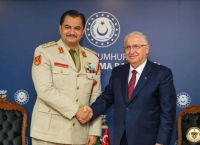
Turkey Builds New Defence Axis with Qatar, Pakistan and Indonesia – Ankara Expands Its Military Reach
 ΧΡΟΝΟΣ ΑΝΑΓΝΩΣΗΣ 9 '
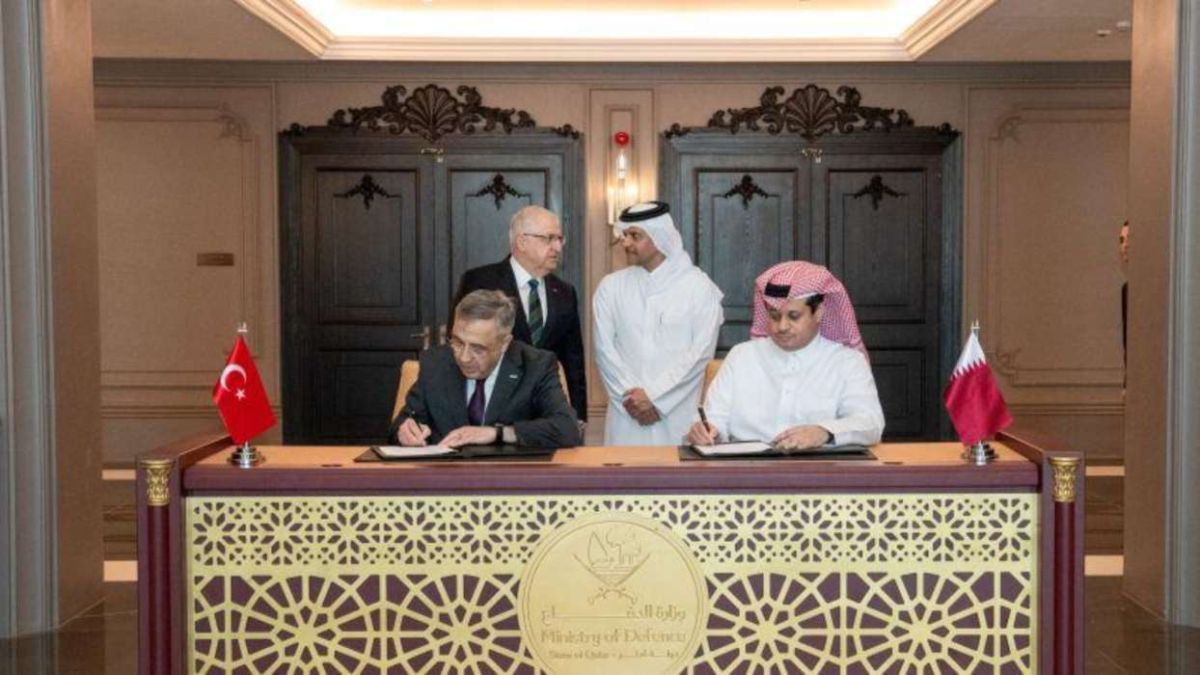
Πηγή Φωτογραφίας: AP Photo//Turkey Builds New Defence Axis with Qatar, Pakistan and Indonesia – Ankara Expands Its Military Reach



A new chapter in international defence cooperation is emerging as Turkey, Qatar, Pakistan and Indonesia have signed the Badr Memorandum of Understanding in Doha, establishing a framework for closer military-industrial cooperation, technological development and specialised training.
The agreement, signed on Wednesday, October 21, represents another step in Ankara’s efforts to expand its defence partnerships beyond its traditional NATO relationships.
According to information reported by Reuters, the memorandum aims to strengthen military capabilities, encourage joint defence production, promote technology development and improve technical training and research among the participating countries.
Although the agreement does not establish a formal collective-defence alliance, it creates an institutional framework through which the four countries could develop long-term industrial and strategic partnerships.
The initiative is particularly significant because it connects countries across three strategically important regions: the Persian Gulf, South Asia and Southeast Asia.
At the centre of this emerging network stands Turkey, which has invested heavily in developing its domestic defence industry and expanding its international military-industrial presence.
The Badr Agreement: What the Four Countries Have Agreed
The Badr Memorandum of Understanding focuses primarily on strengthening cooperation in defence production and military technology.
Its principal objectives include joint industrial projects, technological collaboration, technical training, research and development, and the exchange of expertise.
The agreement seeks to combine the different industrial capabilities and defence requirements of the participating countries.
Turkey’s Ministry of National Defence emphasised the economic importance of the initiative, highlighting the potential benefits of using each country’s production strengths to address the military needs of partner nations.
The underlying approach is to move beyond conventional arms purchases and develop deeper industrial relationships.
Such cooperation could eventually involve joint manufacturing facilities, shared research programmes, specialised training initiatives and technology-transfer arrangements.
However, the publicly available information does not establish specific investment amounts, production schedules or binding procurement commitments.
The agreement’s practical significance will therefore depend on the projects that follow its signing.
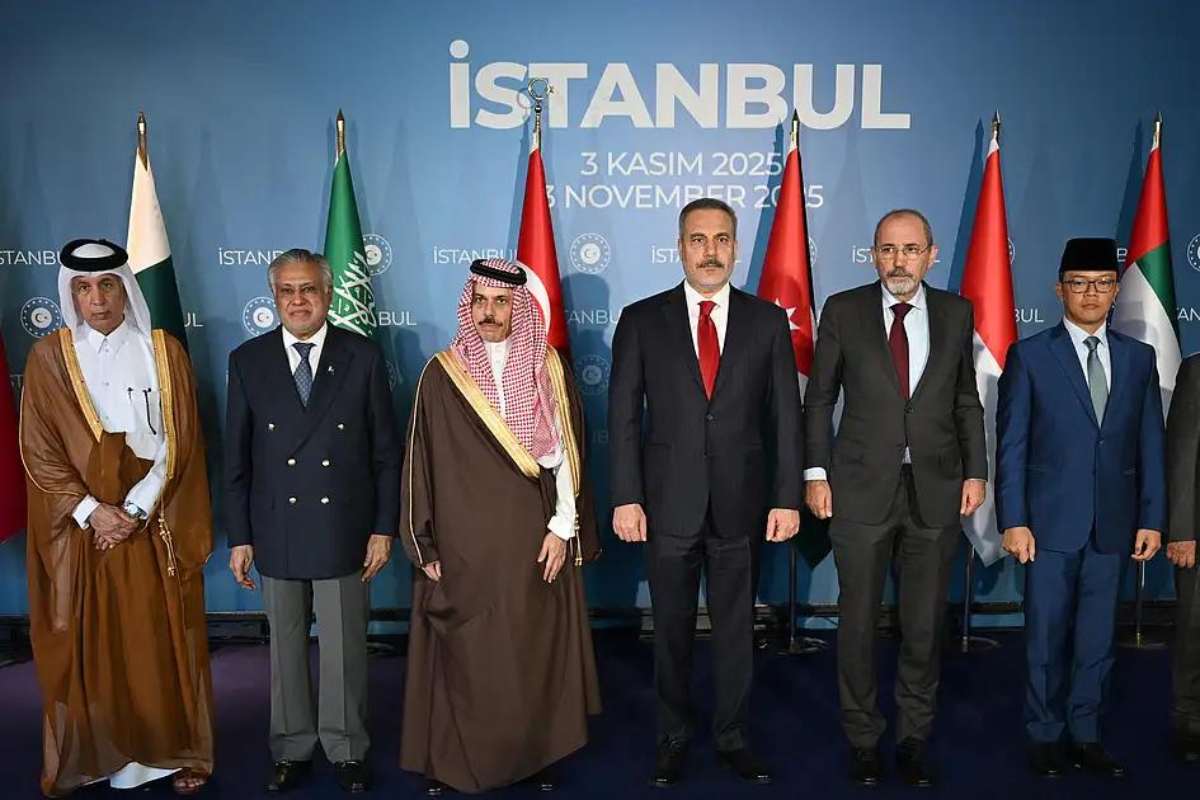
Turkey at the Centre of an Expanding Defence Network
Turkey’s participation is particularly important because of the country’s growing defence-industrial capabilities.
As a NATO member with one of the alliance’s largest armed forces, Turkey has developed an increasingly diversified domestic defence sector.
Turkish manufacturers have expanded their international presence in unmanned aerial systems, armoured vehicles, naval platforms, electronic warfare technologies and missile systems.
These developments have strengthened Ankara’s ability to combine defence exports with diplomatic and strategic partnerships.
The Badr agreement provides another opportunity to extend that model.
Rather than relying exclusively on bilateral weapons sales, Turkey is seeking relationships that may involve joint production, technology sharing and long-term industrial cooperation.
This approach can create sustained connections between defence establishments, manufacturers and research institutions.
It also gives Ankara access to additional markets and potential production partners across Asia and the Middle East.
The agreement illustrates how defence manufacturing has become an increasingly important instrument of Turkish foreign policy.
Qatar: Ankara’s Strategic Partner in the Persian Gulf
Qatar is already one of Turkey’s closest defence partners in the Gulf.
The two countries have developed extensive military cooperation, including a Turkish military presence in Qatar.
Their relationship has expanded through defence agreements, military training and broader strategic coordination.
For Doha, the Badr memorandum offers an opportunity to diversify its defence-industrial partnerships while strengthening existing ties with Ankara.
The Gulf state’s security priorities have become particularly significant amid regional tensions involving Iran, maritime security and the wider Middle East.
Qatar has invested heavily in military modernisation and maintains defence relationships with several major international partners.
Participation in a multilateral industrial framework could provide additional opportunities for technical training, research and domestic capability development.
The decision to sign the memorandum in Doha also highlights Qatar’s role as a meeting point for regional diplomacy and defence cooperation.
Pakistan: Military Capabilities and Strategic Connections
Pakistan brings substantial military experience and an established defence-industrial base to the initiative.
Islamabad maintains large armed forces and has developed domestic capabilities in several areas of military production.
Turkey and Pakistan already cooperate on defence-related programmes, providing an existing foundation for deeper industrial collaboration.
The new memorandum could broaden that cooperation by introducing additional partners and opportunities for shared technological development.
Pakistan’s geographical position also adds strategic significance.
Situated between South Asia, Central Asia and the Arabian Sea, the country maintains important political and security relationships with Gulf states.
Its participation connects the Badr initiative with a wider network of regional defence interests.
Nevertheless, the agreement should not be confused with a mutual-defence treaty.
Its announced objectives concern industrial cooperation, training and technology rather than an explicit obligation to provide military assistance if another signatory comes under attack.
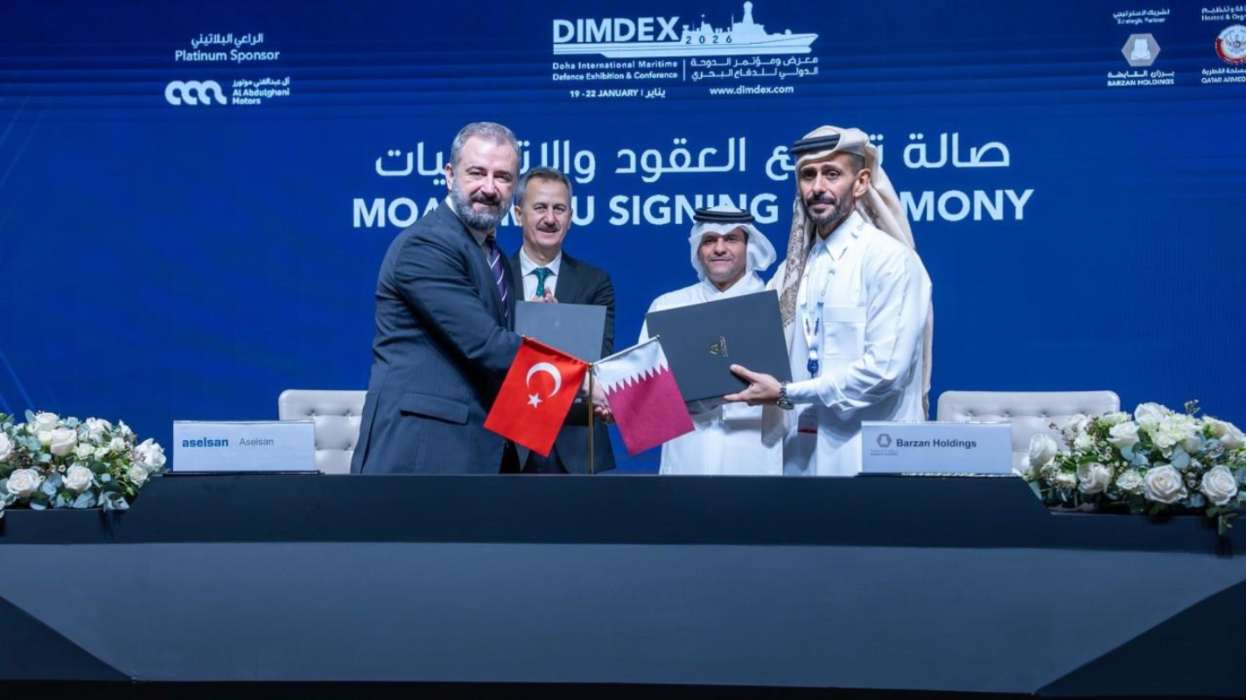
Indonesia: Southeast Asia Enters the Equation
Indonesia’s participation significantly expands the geographical reach of the agreement.
As one of Southeast Asia’s largest economies and most populous countries, Indonesia has substantial military modernisation requirements.
Its strategic location between the Indian and Pacific Oceans gives it considerable importance in maritime security and regional trade.
Jakarta has been pursuing the development of domestic defence capabilities while maintaining partnerships with multiple international suppliers.
The Badr memorandum could support those ambitions by creating new opportunities for technology cooperation, specialised training and industrial participation.
For Turkish defence manufacturers, Indonesia also represents a substantial potential market.
The country’s involvement demonstrates that the initiative extends well beyond the Middle East.
It connects the Persian Gulf with South Asia and the wider Indo-Pacific region, reflecting the increasingly international character of defence-industrial cooperation.
Haluk Görgün: Defence Cooperation Must Go Beyond Arms Purchases
The head of Turkey’s Presidency of Defence Industries, Haluk Görgün, placed particular emphasis on the industrial and technological objectives of the agreement.
Speaking about the initiative, Görgün highlighted the importance of technology sharing, joint development and stronger domestic production capabilities.
“Technology sharing, joint development, and the strengthening of domestic production capabilities are at the heart of a sustainable defence industry,” he said.
He also outlined Turkey’s broader approach to international defence partnerships.
“As Turkey, we value partnerships that go beyond off-the-shelf procurement models and enhance a country’s human resources and industrial infrastructure.”
Görgün expressed confidence that the memorandum could lead to concrete industrial cooperation.
“I believe that the Badr Memorandum of Understanding will contribute to transforming the complementary capabilities of Qatar, Pakistan, Indonesia and Turkey into concrete projects.”
His remarks underline Ankara’s ambition to establish partnerships that combine exports with technology transfers, manufacturing and workforce development.
Such arrangements can create more enduring industrial relationships than conventional equipment purchases alone.
The Wider Context: Turkey, Pakistan and Saudi Arabia
The Badr agreement follows another important development in Turkey’s defence diplomacy.
In August, Turkey signed a mutual-defence agreement with Pakistan and Saudi Arabia, according to the reported developments.
That arrangement has been described as including a commitment to regard an attack against one participating country as an attack against all.
The Badr memorandum has a different purpose and should not be interpreted as establishing equivalent collective-defence obligations.
Its focus is primarily on defence production, technology and industrial development.
Nevertheless, the two initiatives illustrate Ankara’s efforts to deepen security and defence relationships with countries across the Gulf and Asia.
Turkey’s government also submitted the Mecca agreement to parliament for ratification on October 20, adding a legislative dimension to its cooperation with Pakistan and Saudi Arabia.
Taken together, these developments suggest an increasingly active Turkish defence diplomacy, although the legal obligations and strategic objectives of each agreement must be assessed separately.
NATO Membership and Ankara’s Search for Strategic Autonomy
Turkey’s position within NATO remains central to its security policy.
At the same time, Ankara has pursued defence relationships with countries outside the Atlantic alliance.
This dual approach allows Turkey to maintain its NATO commitments while expanding industrial and diplomatic cooperation in other regions.
The Badr agreement fits within that broader strategy.
For Ankara, defence production is not simply a matter of equipping its armed forces.
It is also a means of strengthening economic relationships, increasing exports and developing long-term international partnerships.
Joint production programmes can establish technological dependencies, training relationships and industrial connections that extend beyond individual government contracts.
However, participation in a common industrial framework does not mean that the four countries share identical positions on every international security issue.
Their geopolitical interests remain distinct.
The significance of the memorandum lies in the possibility of cooperation despite those differences.
A New Defence-Industrial Network Across Three Regions
One of the most important aspects of the agreement is its geo
Source: pagenews.gr
Διαβάστε όλες τις τελευταίες Ειδήσεις από την Ελλάδα και τον Κόσμο