Netanyahu Takes the Fight to New York: “Shame on You, Mr. Mamdani-I’m Coming to the UN to Tell the Truth”
 ΧΡΟΝΟΣ ΑΝΑΓΝΩΣΗΣ 10 '
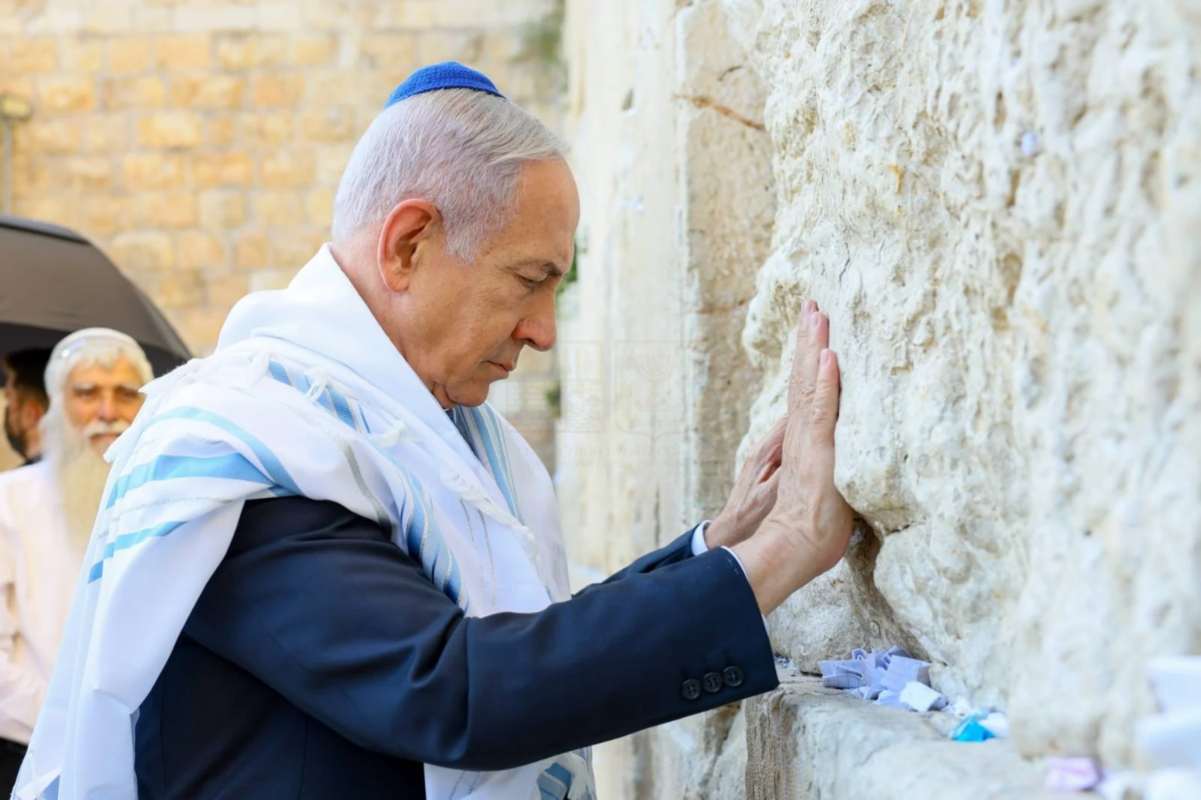
Πηγή Φωτογραφίας: AP Photo//Netanyahu Takes the Fight to New York: “Shame on You, Mr. Mamdani-I’m Coming to the UN to Tell the Truth”



Benjamin Netanyahu is not waiting to reach the podium of the United Nations to respond to Zohran Mamdani.
Ahead of his visit to New York, the Israeli prime minister posted a video delivering one of his sharpest personal attacks yet on the city’s mayor, bringing their increasingly bitter confrontation directly into the political theater surrounding the UN General Assembly.
Netanyahu opened bluntly:
“Shame on you, Mr. Mamdani.”
And he ended by previewing the argument he intends to take to the United Nations:
“I’m coming to the UN. I’m going to tell the truth about our heroic soldiers, and I’m going to tell the truth about you.”
Netanyahu’s message to Mamdani
In his video, Netanyahu accused Mamdani of supporting Hamas and of inciting hostility against New York’s Jewish community.
Those are serious political accusations made by the Israeli prime minister. Mamdani rejects the broader allegations of antisemitism directed against him and argues that his criticism concerns the Israeli government and its military campaign, not Jewish people.
Netanyahu said:
“Shame on you, Mr. Mamdani. You support the Hamas terrorist monsters who slaughtered our people. You incite riots against the Jews of New York. I’m coming to the UN. I’m going to tell the truth about our heroic soldiers, and I’m going to tell the truth about you.”
The choice of words matters. Netanyahu is deliberately linking his confrontation with Mamdani to a much broader battle over the legitimacy of Israel’s war against Hamas and the international criticism facing the Israel Defense Forces.
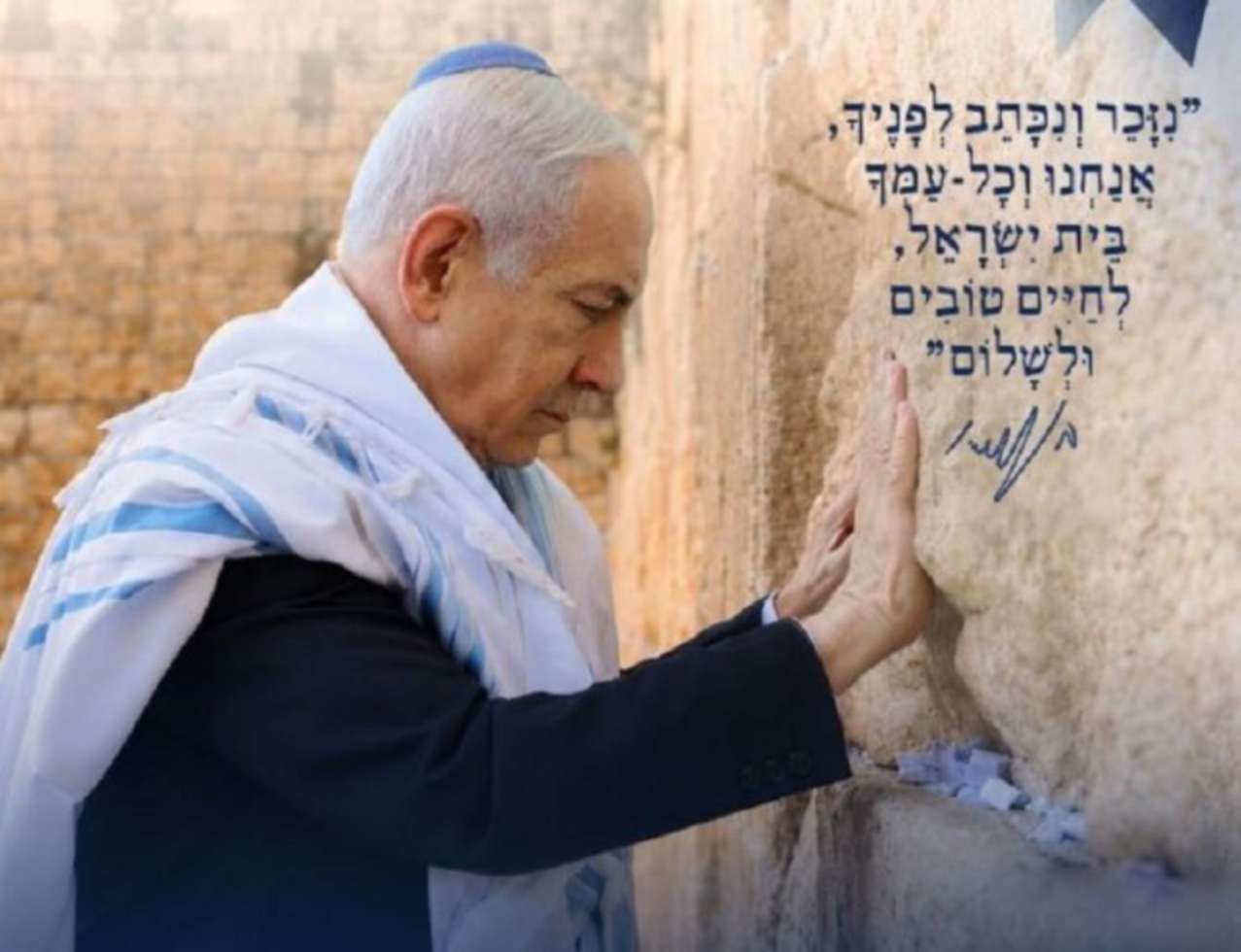
What triggered the latest confrontation
Netanyahu’s intervention followed renewed criticism from Mamdani, who described the Israeli leader in an interview with CNN as a “war criminal” and an “architect” of what he called a genocide against the Palestinian people.
Those are Mamdani’s characterizations, not final judicial findings.
The International Criminal Court issued an arrest warrant for Netanyahu in November 2024, alleging war crimes and crimes against humanity in connection with the Gaza war. An ICC arrest warrant is not a conviction, and Netanyahu and the Israeli government reject the allegations and dispute the court’s actions against him.
The genocide allegation is likewise the subject of continuing international legal and political disputes; it should not be presented as an established final judicial finding.
The arrest threat — and the legal reality
Mamdani has previously said Netanyahu should be arrested if he enters New York because of the ICC warrant.
But there is an important distinction between political rhetoric and legal authority.
The mayor of New York cannot independently order the arrest of a visiting foreign leader on the basis of an ICC warrant. The United States is not a party to the Rome Statute establishing the ICC, and the federal government has opposed the court’s case against Netanyahu.
That makes Netanyahu’s arrival in New York a politically charged event, but not one in which the mayor can simply instruct city police to execute the ICC warrant.
Why Netanyahu is putting the IDF at the center
The other half of Netanyahu’s message is arguably more consequential than his attack on Mamdani:
“I’m going to tell the truth about our heroic soldiers.”
That line previews the case the Israeli prime minister is likely to make before the international community.
Israel argues that the IDF is fighting Hamas in an exceptionally difficult urban environment, that Hamas has operated from civilian areas and infrastructure, and that Israel takes measures intended to mitigate civilian casualties.
Netanyahu’s government also argues that much of the international debate has progressively detached the Gaza war from the event that triggered it: the Hamas-led assault on Israel on October 7, 2023.
Hamas-led attackers killed about 1,200 people in Israel and took roughly 250 hostages during that assault, according to Israeli figures widely cited by international news organizations.
For Netanyahu, October 7 remains fundamental to Israel’s case that its military campaign is a war against Hamas rather than against the Palestinian population.
ממדאני – אני בא לאו״ם כדי להילחם על האמת של החיילים הגיבורים שלנו – וכדי לחשוף את האמת עליך! pic.twitter.com/141PPbSFHm
— Benjamin Netanyahu – בנימין נתניהו (@netanyahu) September 22, 2026
But Gaza will follow Netanyahu into the UN chamber
That argument does not eliminate the extensive international criticism of Israel’s conduct in Gaza.
The scale of Palestinian civilian deaths and destruction, restrictions on humanitarian relief, displacement and the conduct of Israeli military operations have generated grave allegations from UN bodies, humanitarian organizations and international legal institutions.
Critics of Netanyahu argue that the atrocities committed by Hamas on October 7 do not remove Israel’s obligations under international humanitarian law.
Israel rejects allegations that it deliberately targets civilians and strongly disputes accusations of genocide.
That is the central confrontation Netanyahu is preparing to take to New York: not simply whether Israel had a right to respond to October 7, but whether the manner in which it has conducted that response complies with international law.
Netanyahu’s wider battle with the United Nations
The confrontation with Mamdani therefore sits inside a much larger Israeli dispute with parts of the international system.
Netanyahu has repeatedly used the UN General Assembly to argue that Israel is judged by standards different from those applied to its adversaries.
His government has accused UN institutions of systemic bias against Israel, while UN officials and member states critical of Israel maintain that scrutiny of Israeli military conduct reflects international humanitarian and human-rights obligations rather than hostility toward the country.
Netanyahu’s spokesman Doron Spielman has framed the UN appearance in precisely those terms, saying the Israeli leader intends to use the international stage to challenge what Israel considers false narratives about the country.
Mamdani: Criticism of Israel is not antisemitism
Mamdani presents the dispute very differently.
He has condemned antisemitism and rejects attempts to equate his opposition to Netanyahu’s policies with hostility toward Jewish people.
His position is that his criticism concerns Israel’s government, the war in Gaza and Palestinian rights.
That distinction is at the heart of an increasingly intense political debate in New York.
Netanyahu and his allies argue that some anti-Israel rhetoric crosses the line into delegitimization and can contribute to an environment in which Jewish communities feel threatened.
Mamdani and his supporters argue that accusations of antisemitism must not be used to prevent legitimate criticism of the Israeli government.
Both issues can exist simultaneously: political criticism of an Israeli government is not inherently antisemitic, while antisemitic rhetoric or attacks against Jewish people cannot be justified as criticism of Israeli policy.
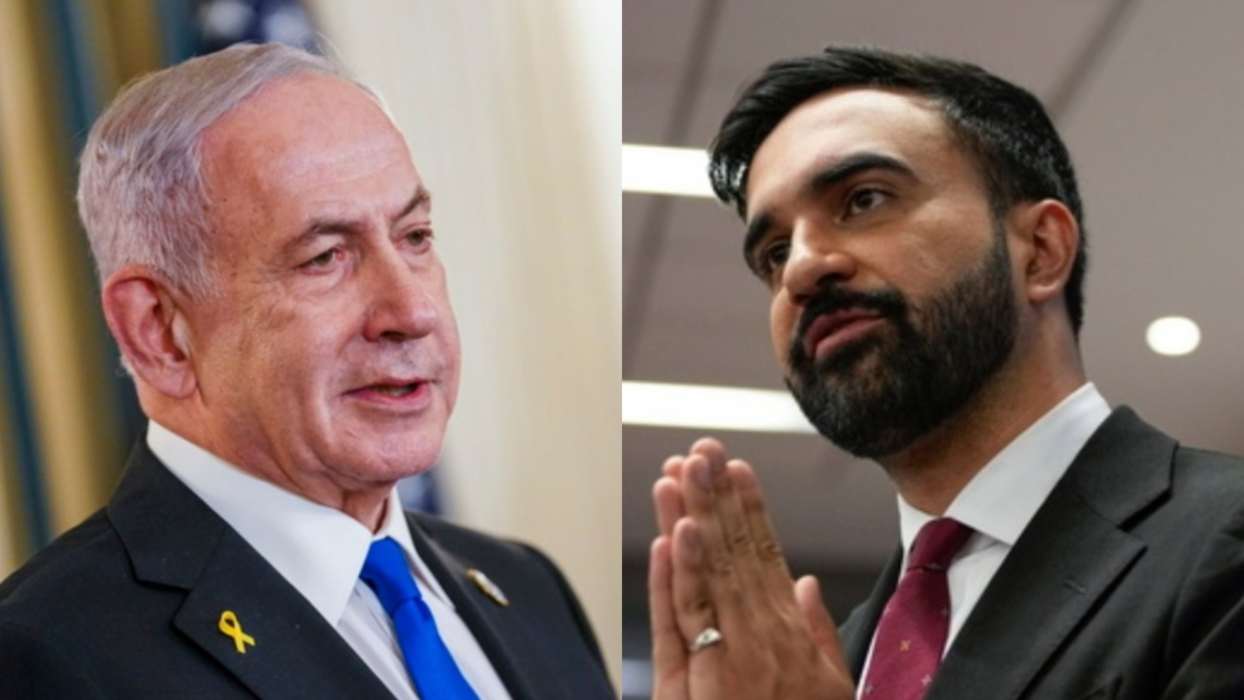
Netanyahu is going to New York despite the pressure
For the Israeli prime minister, the symbolism of physically appearing in New York is therefore significant.
He is traveling to a city whose mayor has publicly called for accountability under the ICC warrant, where protests against the Israeli government are expected, and at a moment when Israel faces sustained international criticism.
Netanyahu’s response is not to avoid that stage.
It is to use it.
The Israeli government sees the General Assembly as one of the few moments when its prime minister can address an enormous global audience directly and present Israel’s case without mediation by foreign governments, international institutions or critics.
From a Netanyahu–Mamdani feud to a battle over Israel’s legitimacy
That is why reducing the dispute to a personal clash risks missing the larger story.
Mamdani is becoming a highly visible American voice of the argument that Netanyahu should face international legal accountability.
Netanyahu, in turn, is making Mamdani an example of what he regards as a broader effort to transform Israel from the victim of the October 7 massacre into the principal defendant in the international arena.
Those narratives collide over three unresolved questions: accountability for Hamas’ October 7 atrocities, accountability for the conduct of Israel’s subsequent military campaign, and whether existing international institutions can credibly adjudicate allegations against all sides.
Netanyahu has already made clear which case he intends to present.
His message before boarding for New York is effectively a preview of the speech to come:
“I’m coming to the UN. I’m going to tell the truth about our heroic soldiers, and I’m going to tell the truth about you.”
For the Israeli prime minister, the UN appearance is therefore shaping up as more than another foreign-policy speech. It is an attempt to reclaim the international narrative over Israel, the IDF and the war that began after October 7 — on one of the most hostile and consequential stages available to him.
Source: pagenews.gr
Διαβάστε όλες τις τελευταίες Ειδήσεις από την Ελλάδα και τον Κόσμο