China–Europe Trade Relations at a Crossroads: Can Brussels and Beijing Avoid a New Trade War?
 ΧΡΟΝΟΣ ΑΝΑΓΝΩΣΗΣ 14 '
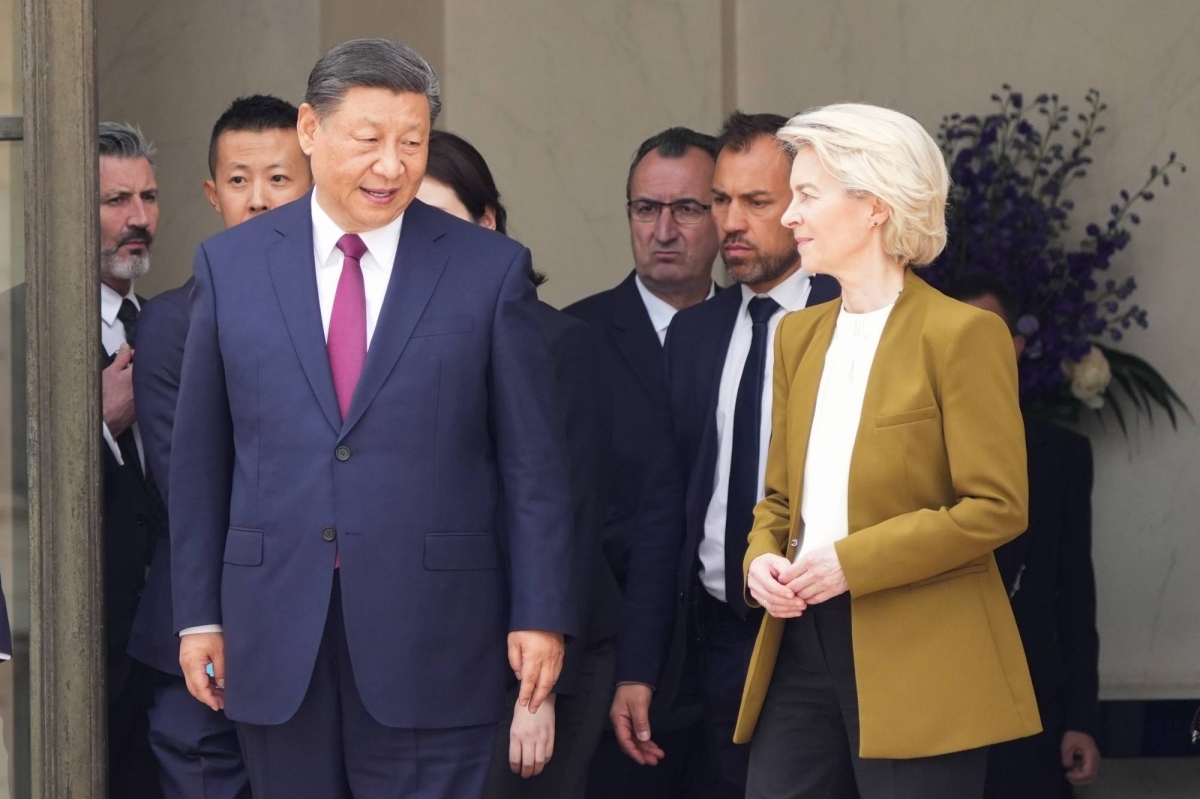
Πηγή Φωτογραφίας: AP Photo//China–Europe Trade Relations at a Crossroads: Can Brussels and Beijing Avoid a New Trade War?



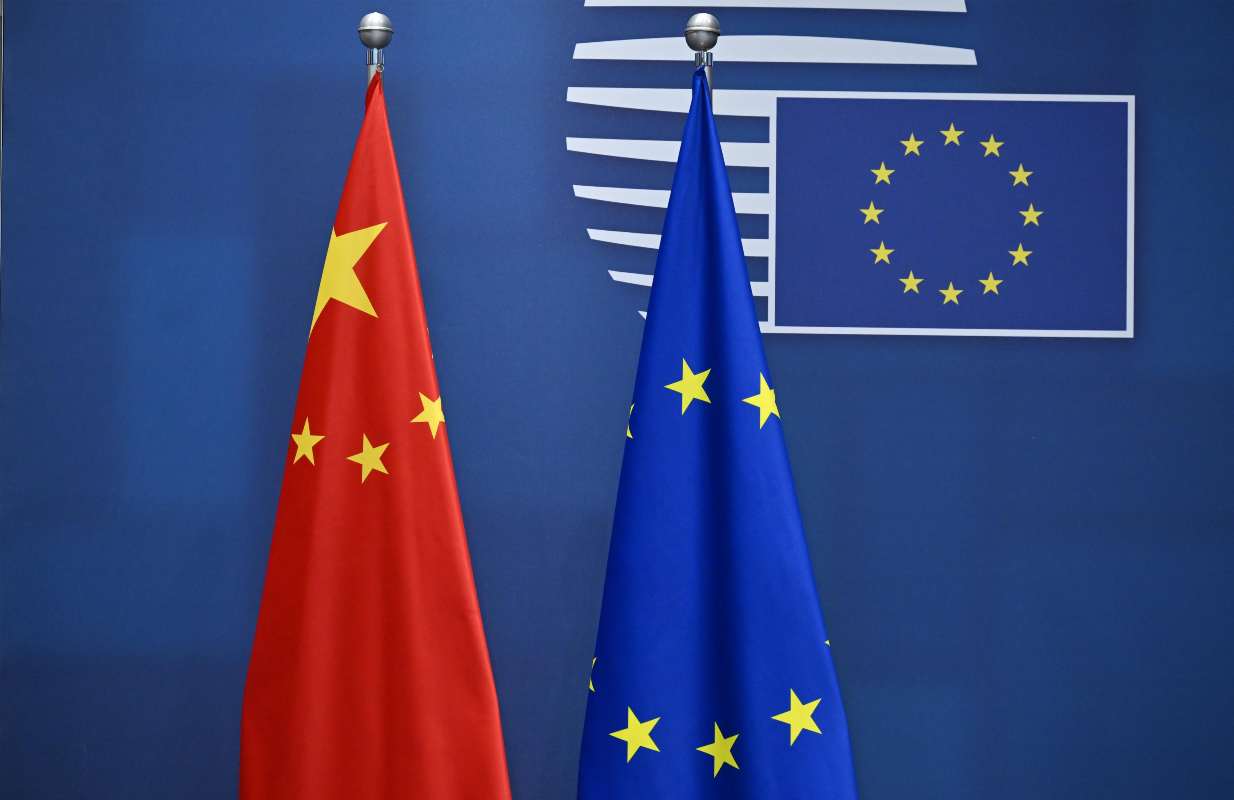
The European Union and China are approaching a decisive moment in their economic relationship, facing a choice between escalating trade confrontation and developing a new framework for cooperation that protects the interests of both sides.
Relations between Brussels and Beijing are entering a period of mounting tension, driven by Europe’s widening trade deficit with China, concerns over state subsidies, unequal market access and intensifying competition in advanced technologies.
Economic interdependence remains substantial, but it is no longer sufficient to guarantee stability.
European manufacturers are increasingly concerned about competition from lower-priced Chinese imports, while Beijing views European trade restrictions as potential obstacles to the international expansion of its industries.
At the heart of the dispute lies a fundamental question: Can China and Europe preserve their economic partnership without allowing commercial competition to escalate into a full-scale trade war?
The Risk of a New Trade War
China–EU economic relations are increasingly displaying characteristics associated with the rivalry between Beijing and Washington.
Trade imbalances, industrial subsidies, technological restrictions and disagreements over competition rules are contributing to growing mutual suspicion.
The greatest danger is not simply the introduction of additional tariffs.
It is the increasing politicisation of economic disputes, which could transform trade policy into an instrument of geopolitical pressure.
Such a development would create greater uncertainty for businesses, potentially discourage investment and increase costs for consumers.
The consequences would extend far beyond Europe and China.
Both economies occupy central positions in global trade, with production networks connecting Asia, Europe and third-country markets.
A broader commercial confrontation could therefore weaken international economic growth at a time of already elevated geopolitical uncertainty.
Beijing’s Message: Economic Complementarity, Not Confrontation
In March, Chinese Foreign Minister Wang Yi emphasised that the essential nature of China–Europe economic and trade relations is their mutual complementarity.
He argued that a dynamic balance could be achieved through development rather than reciprocal restrictions.
Beijing’s position reflects its determination to preserve access to European markets, particularly in industries where Chinese manufacturers have gained significant competitive advantages.
For Brussels, however, the challenge extends beyond maintaining trade flows.
European policymakers are seeking more balanced competitive conditions, improved access to China’s domestic market and stronger mechanisms to address distortions associated with state intervention.
The gap between these positions helps explain why negotiations continue without resolving the most contentious issues.
Brussels and Beijing Keep Negotiations Alive
On June 29, Chinese Commerce Minister Wang Wentao and European Commissioner for Trade Maroš Šefčovič co-chaired the inaugural meeting of the China–EU trade and investment consultation mechanism in Brussels.
The meeting demonstrated that neither side is seeking a complete economic rupture.
Both delegations committed to exploring practical solutions to bilateral trade disputes.
Maintaining dialogue is particularly important in an environment where decisions involving tariffs, subsidies and technological restrictions can affect entire industries.
Regular consultations can clarify regulatory expectations, reduce misunderstandings and help businesses anticipate policy changes.
Nevertheless, communication alone cannot eliminate conflicting economic interests.
The underlying disputes over industrial competitiveness, market access and government support remain unresolved.
Electric Vehicles Become the First Major Battleground
The automotive industry has emerged as one of the most contentious areas of China–Europe trade relations.
The rapid international expansion of Chinese electric vehicle manufacturers has intensified concerns about the competitive pressures facing European carmakers.
Disagreements centre on subsidies, pricing practices, market access and the conditions under which Chinese and European companies compete.
In early October, representatives from both sides held further discussions in Beijing concerning hybrid and electric vehicle trade.
The talks produced specific understandings and helped preserve the negotiating process.
However, the fundamental dispute remains.
Europe wants to protect its manufacturing base from practices it considers distortive, while China is determined to maintain the international momentum of one of its most strategically important industries.
The outcome will have consequences not only for car manufacturers but also for battery producers, suppliers and the broader transition towards electric mobility.
China Reduces Export Tax Rebates on New Energy Vehicles
Beijing has also announced adjustments to its export tax policies.
From April 1, 2027, the value-added tax export rebate rate for new energy vehicles is scheduled to decline from 13% to 9%.
Meanwhile, export tax rebates for Chinese photovoltaic products and batteries have been abolished or are being progressively reduced.
These measures form part of a broader effort to address excessive price competition among Chinese manufacturers.
The objective is to discourage export expansion driven primarily by aggressive discounting and to support a more sustainable industrial structure.
For Europe, the adjustments could help ease some commercial tensions.
However, they do not resolve the wider disagreements over industrial subsidies, excess production capacity and reciprocal market access.
Nor do they guarantee that European and Chinese businesses will adapt smoothly to the new commercial environment.
Germany’s Warning: A Win-Win Relationship Must Not Become Win-Lose
Germany’s position carries particular significance because of its economic weight within the European Union.
During his October visit to China, German Federal President Frank-Walter Steinmeier addressed the challenges facing bilateral economic relations.
Speaking at Peking University, he delivered a pointed warning:
“Aus Win-Win darf kein Win-Lose werden.”
In English: “A win-win relationship must not become a win-lose relationship.”
His remarks captured a growing European concern that economic cooperation cannot remain politically sustainable if its benefits are perceived as increasingly unequal.
Germany maintains extensive commercial ties with China, particularly in automotive manufacturing, engineering and industrial technology.
At the same time, German companies face intensifying competition from Chinese businesses in sectors that have traditionally represented European industrial strengths.
The challenge is to preserve economic engagement while ensuring that competition takes place under conditions considered fair by both sides.
The Trade Deficit: The Elephant in the Room
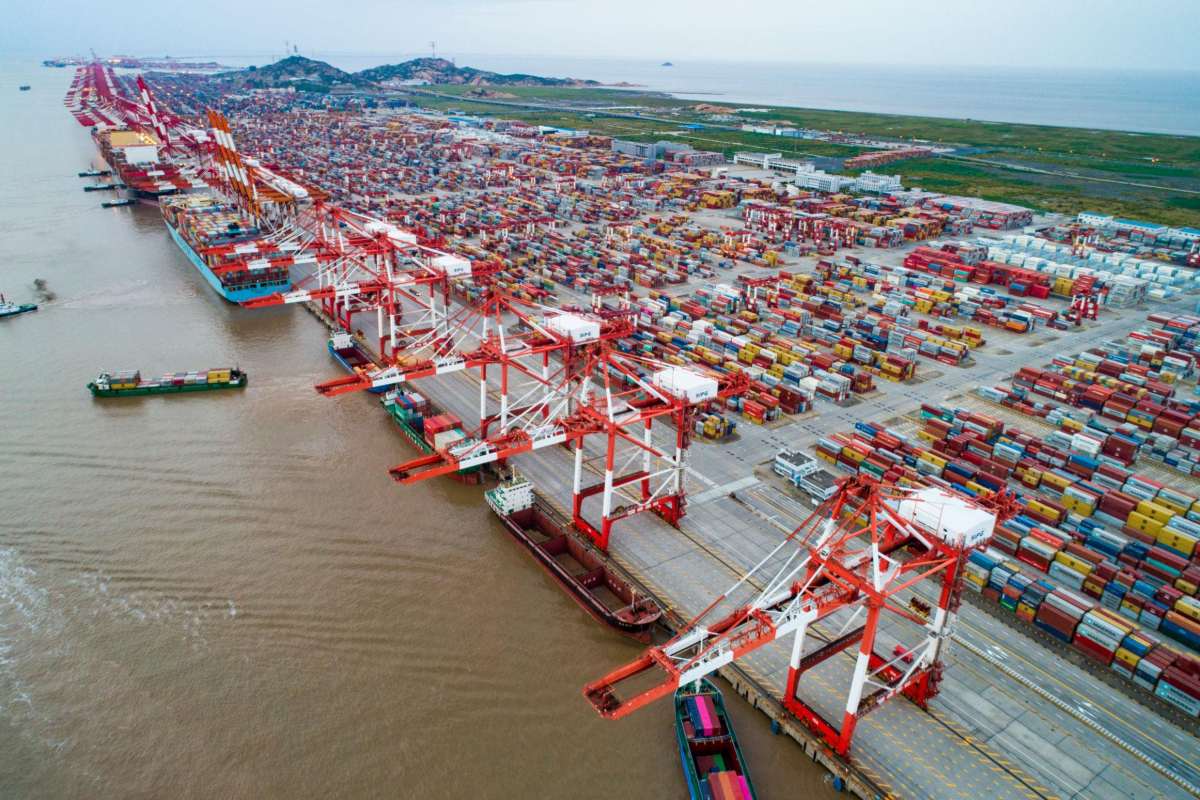
The central structural challenge remains the imbalance in bilateral trade.
The European Union imports substantial volumes of Chinese manufactured goods, while European businesses continue to face difficulties entering certain segments of the Chinese market.
These asymmetries have intensified concerns about European industrial competitiveness and the potential erosion of domestic manufacturing capacity.
China, meanwhile, continues to rely heavily on its powerful industrial base and export performance while seeking to strengthen domestic consumption.
Rebalancing its economic model could become an important part of improving relations with Europe.
Stronger household demand, improved social protection and a more predictable business environment could help reduce some of the underlying tensions.
However, such changes require long-term institutional reforms rather than short-term trade concessions.
The challenge is therefore not merely to negotiate individual tariffs.
It is to address the economic structures that continue to generate friction.
WTO Reform and the Future of Global Competition Rules
Another potential area of cooperation involves reforming international trade governance.
The World Trade Organization (WTO) remains central to the multilateral trading system, but technological change has created challenges that existing rules do not always address adequately.
Digital commerce, cross-border data flows, green technologies and carbon markets require increasingly sophisticated regulatory frameworks.
China and the European Union could seek common approaches to technical standards, transparency and the assessment of commercial disputes.
Areas such as supply-chain traceability, renewable energy and carbon trading could benefit from evidence-based consultation mechanisms.
Independent assessments and clearer dispute-resolution procedures could also improve trust.
However, effective cooperation would require credible enforcement and a willingness to accept rules that apply consistently to both sides.
Chinese Factories in Europe: A New Investment Model
The economic relationship is also changing as more Chinese companies establish manufacturing and research operations within Europe.
Factories, research centres and other facilities can create local employment, generate tax revenues and integrate Chinese businesses into European supply chains.
This trend could gradually reshape the nature of bilateral economic interdependence.
Instead of relying primarily on imports and exports, the relationship could become increasingly rooted in direct investment and shared production networks.
For Chinese companies, European operations can provide closer access to customers and a stronger local industrial presence.
For European economies, such investments may offer opportunities for employment, technology development and industrial expansion.
However, their long-term value will depend on regulatory compliance, competition rules, security considerations and the extent to which local economies benefit.
European businesses are similarly seeking opportunities to expand their presence in China.
Greater participation in regulatory consultations, industrial standards and local innovation ecosystems could improve their ability to operate in the Chinese market.
Africa, Pharmaceuticals and Cooperation in Third Markets
Beyond bilateral trade, opportunities are emerging for cooperation in third-country markets.
One potential area is pharmaceutical research and development in Africa.
Chinese, German and Indian businesses could combine different technological, manufacturing and research capabilities to support investment in healthcare-related industries.
Joint initiatives in biomaterials, pharmaceutical production, scientific exchanges and academic research could help develop new commercial opportunities.
Such cooperation would require internationally recognised standards for quality, safety and effectiveness.
It could also strengthen the integration of emerging markets into global research and manufacturing networks.
These possibilities demonstrate that China and Europe do not necessarily have to compete for every market.
In selected sectors, their economic strengths could prove complementary.
However, these remain potential areas for cooperation rather than evidence of established trilateral agreements.
Artificial Intelligence: Strategic Autonomy Meets International Cooperation
Artificial intelligence represents another critical dimension of the relationship.
Europe is seeking greater technological autonomy, while China continues investing heavily in advanced digital infrastructure and AI applications.
Competition increasingly concerns not only innovation but also control over data, technical standards, cybersecurity and access to critical infrastructure.
Both sides have strong incentives to develop domestic capabilities.
Nevertheless, there are areas where scientific cooperation could provide mutual benefits.
Research on climate change, public health, natural disasters and sustainable development frequently requires international coordination and the exchange of scientific knowledge.
Maintaining institutional channels for research cooperation could help identify regulatory gaps and reduce unnecessary barriers.
The central challenge is to enable scientific collaboration while protecting sensitive information and addressing legitimate security concerns.
From Trade to Space: An Emerging Frontier for Cooperation
One of the less widely discussed opportunities concerns space technology.
Satellite remote sensing can support weather monitoring, environmental protection, agricultural planning and disaster management.
These applications are becoming increasingly important as Europe faces more frequent extreme weather events.
High temperatures and below-average rainfall have contributed to declining water levels in major European rivers, creating difficulties for transportation, agriculture and industry.
Satellite observations can improve early-warning systems and strengthen climate adaptation strategies.
The United Nations’ Space2030 Agenda highlights the role of peaceful space activities and space-based technologies in advancing sustainable development.
For China and Europe, commercial space activities and scientific research could offer opportunities for selective cooperation.
Potential applications include environmental monitoring, agricultural analysis, disaster response and climate resilience.
However, any expansion of cooperation would need to address security concerns, data governance and restrictions involving sensitive technologies.
Europe’s Domestic Pressures Complicate Negotiations
Trade negotiations with China are taking place at a difficult moment for European governments.
Geopolitical conflicts, rising living costs, pressure on public services and concerns about employment have contributed to growing public dissatisfaction across parts of Europe.
Policymakers must protect industrial competitiveness without creating additional costs for households and businesses.
This is a difficult balance.
Trade restrictions may provide relief for particular industries, but they can also increase prices and disrupt supply chains.
Conversely, inadequate protection against unfair competition may intensify pressure on European manufacturing and employment.
Brussels must therefore balance economic security, industrial competitiveness and the preservation of functioning trade relations with Beijing.
The political sustainability of any agreement will depend partly on whether businesses and citizens perceive its benefits in their everyday economic circumstances.
Three Possible Paths for China–Europe Economic Relations
The future of the relationship will depend on whether political dialogue can produce practical and enforceable agreements.
Scenario one: Managed competition. Brussels and Beijing maintain trade negotiations, resolve selected disputes and preserve economic engagement while continuing to compete in strategic industries.
Scenario two: Escalating trade confrontation. Disagreements over subsidies, market access and industrial policy trigger additional restrictions and retaliatory measures, increasing costs for businesses and consumers.
Scenario three: A broader economic rebalancing. China strengthens domestic demand and market openness, while both sides develop clearer competition rules and expand cooperation in investment, research and selected technologies.
The third scenario would require the most substantial institutional changes, but it could also provide a more durable foundation for bilateral relations.
The Strategic Choice Facing Brussels and Beijing
China and the European Union remain deeply interconnected economic powers.
Their disagreements are substantial, particularly over trade imbalances, state subsidies, industrial competitiveness and market access.
Yet the relationship also contains significant opportunities in investment, scientific research, green technologies and emerging industries.
The central challenge is to prevent economic competition from becoming a self-reinforcing cycle of retaliation.
Progress will depend on credible commitments, enforceable rules and a willingness to address structural imbalances rather than relying exclusively on temporary concessions.
As German President Frank-Walter Steinmeier warned during his visit to Beijing:
“A win-win relationship must not become a win-lose relationship.”
Source: pagenews.gr
Διαβάστε όλες τις τελευταίες Ειδήσεις από την Ελλάδα και τον Κόσμο