Greece–Cyprus Cable: All Eyes on Survey Ship as Athens Defends France’s Message to Turkey
 ΧΡΟΝΟΣ ΑΝΑΓΝΩΣΗΣ 4 '




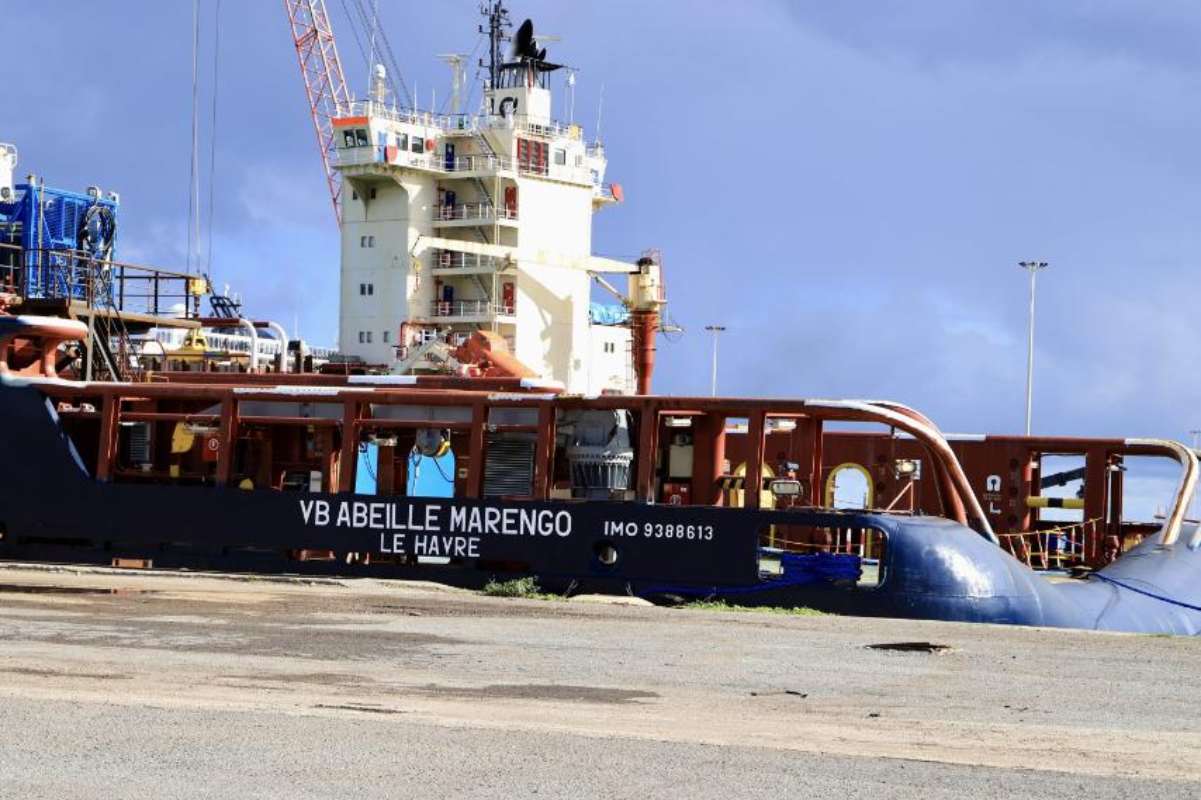
The Abeille Marengo remains in the port of Heraklion as attention shifts from diplomatic exchanges to the planned resumption of surveys for the Greece–Cyprus electricity interconnection.
Preparations aboard the French vessel are continuing while Athens seeks to clarify the purpose of a diplomatic note France sent to Turkey. The Greek government maintains that the communication provided information about the work and did not request Turkish authorization.
Neither the vessel’s departure nor the start of survey operations has been confirmed in the available reporting. The next operational phase involves collecting seabed data ahead of the cable’s eventual installation.
Surveys First, Cable Installation Later
After leaving Heraklion, the Abeille Marengo is expected to head toward the designated areas to conduct bathymetric and geological surveys.
The work will map seabed conditions and support planning for the submarine cable’s route.
The distinction matters: the survey vessel’s departure would not mean cable-laying operations were beginning simultaneously, nor would it establish a completion date for the interconnection.
Particular attention is focused on waters east of Crete and Kasos, an area at the center of Greek–Turkish tensions in July 2024.
The immediate test is whether the planned surveys can proceed without obstruction, allowing the project to advance to its next stage.
Athens: No Permission Requested From Turkey
Greek government spokesperson Pavlos Marinakis said Athens had completed the required procedures and that applications for authorization had been addressed exclusively to the Greek and Cypriot authorities.
“Greece completed all the prescribed procedures. Permission for the relevant work was requested exclusively from the competent Greek and Cypriot authorities. Full stop,” he said.
Responding to questions about France’s communication with Ankara, he added:
“Permission has not been requested from Turkey, nor will it be. Authorization is one thing; notification is another.”
The government rejects the interpretation that the diplomatic note recognizes Turkish jurisdiction. Opposition parties, meanwhile, are seeking information about its precise wording and possible implications for future projects.
French Notification Followed Greek Approval
Deputy Foreign Minister Tasos Chatzivasileiou outlined the sequence of events in an interview with ANT1.
According to his account, the application to the Greek government and the granting of authorization came first. France subsequently notified Turkey in writing through a diplomatic note.
“Following the application for authorization submitted to the Greek government, with authorization granted exclusively by Greece, the French side proceeded with written notification of the commencement of work through a diplomatic note,”he said.
Chatzivasileiou described such notes as a written means of diplomatic communication through which states convey positions and information, including matters involving companies connected to their national interests.
Under the Greek government’s interpretation, the communication neither replaces the authorization process nor transfers any licensing authority to Ankara.
NAVTEX Runs Until March 6
The Greek NAVTEX is in force from November 6, 2026, until March 6, 2027, setting the notification period for the announced operations.
Cyprus also has its own navigational notice covering surveys in its area, with Athens and Nicosia coordinating procedures along the interconnection’s route.
The duration of a NAVTEX does not, however, guarantee that the surveys or the overall project will be completed within that period. The operational schedule remains dependent on technical requirements and working conditions.
For the Great Sea Interconnector, the immediate milestone is the resumption of seabed surveys. On the diplomatic process, Marinakis continues to emphasize the distinction between notification and permission:
“The diplomatic note from France is the mildest way of conveying a message from one state to another.”
Source: pagenews.gr
Διαβάστε όλες τις τελευταίες Ειδήσεις από την Ελλάδα και τον Κόσμο