Republican Turns on Hegseth: Iran War Fuels Impeachment Showdown
 ΧΡΟΝΟΣ ΑΝΑΓΝΩΣΗΣ 4 '
Πηγή Φωτογραφίας: AP Photo/Republican Turns on Hegseth: Iran War Fuels Impeachment Showdown



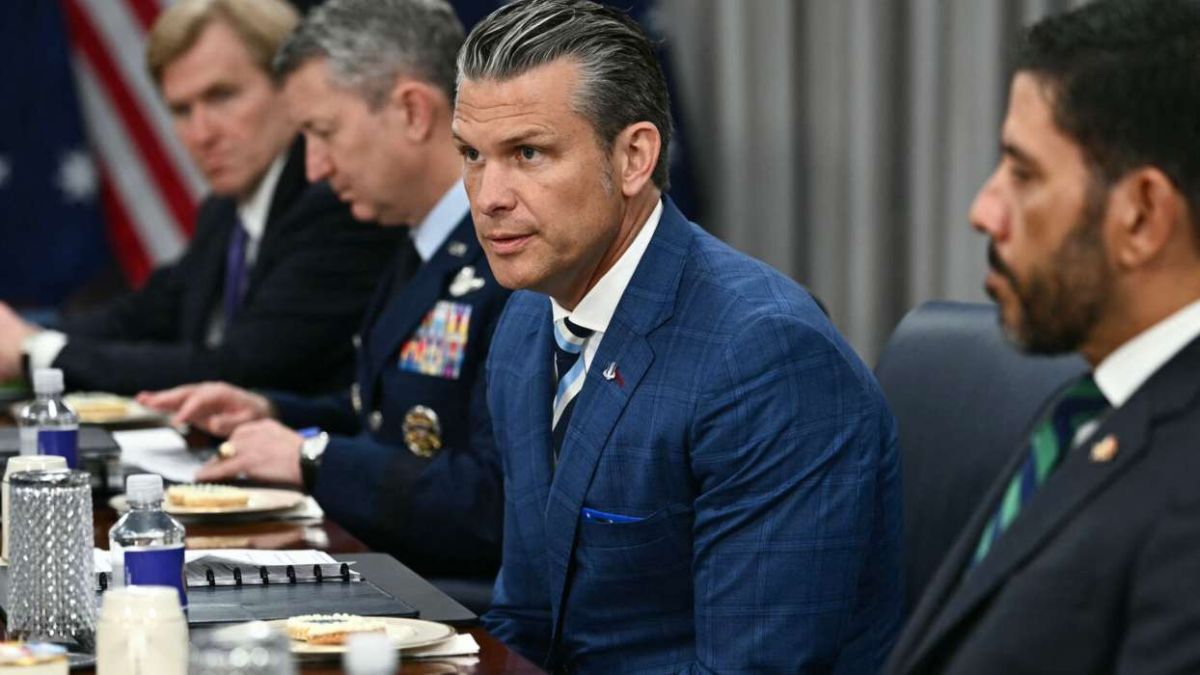
The Iran war has opened a confrontation in Congress over Defense Secretary Pete Hegseth’s future. Republican Representative Thomas Massie introduced an impeachment resolution on Monday, November 9, accusing him of abusing his authority and violating Congress’s constitutional war powers.
The initiative comes from within Donald Trump’s own party, immediately after Republicans suffered heavy losses in the midterm elections. Hegseth’s position has become a test of party unity and a focal point for arguments over responsibility for the war.
The secretary has not been impeached or removed. The resolution begins a congressional process with separate stages and substantially different voting thresholds.
Massie Alleges Unlawful Orders
Presenting the resolution, the Kentucky congressman accused Hegseth of abusing his office and “knowingly executed and implemented unlawful orders” to wage war against a foreign nation.
At the heart of his argument is whether the administration conducted military operations without the necessary congressional authorization.
Massie described the secretary’s conduct as “grossly incompatible with his duties and the rule of law.” These are allegations advanced by the resolution’s sponsor, which lawmakers must now consider.
The initiative contains eight articles of impeachment and revives an effort launched before the elections. Massie, who is leaving Congress after losing his Republican primary, has repeatedly challenged the Trump administration over presidential war powers.
A Vote by Wednesday — With Procedural Alternatives
Massie’s use of a privileged resolution requires House leaders to address the measure within two legislative days, setting up possible action by Wednesday, November 11.
That does not necessarily mean lawmakers will take a final vote on the impeachment charges themselves. Republican leaders could instead seek to table the resolution or refer it to the relevant committee.
Either way, Republicans face pressure to publicly register their position on the secretary and the effort to impeach him.
The current House remains under Republican control. The new majorities elected in the midterms take office in January. The immediate outcome therefore depends partly on whether Republicans break with their leadership.

Impeachment Does Not Mean Removal
The House can approve articles of impeachment by a simple majority. If it does, the case moves to the Senate.
Conviction and removal require the support of two-thirds of senators present — 67 votes if all 100 senators attend.
That second threshold is considerably harder to reach. A sufficient majority to impeach Hegseth in the House would not establish that the votes exist to remove him in the Senate.
The distinction matters as lawmakers debate both the allegations against the secretary and the political consequences of the war.
Hegseth Defiant as Trump Maintains Support
Hegseth has rejected the impeachment effort and defended his record. He has announced a news conference for Tuesday, November 10, while Trump continues to support him.
The president’s position links the secretary’s defense to his own defense of the decision to wage war. Congressional condemnation of Hegseth’s handling of the conflict would inevitably raise broader questions about White House policy.
Secretary of State Marco Rubio has also publicly backed his colleague, describing the campaign against him as unfair.
“I think Pete has done a tremendous job. I have worked with him almost every day on many issues. I have seen the work he does and his professionalism,” Rubio told reporters.
He added: “I have worked with him, so perhaps I have seen a side of him that the media and members of the Senate cannot see.”
Source: pagenews.gr
Διαβάστε όλες τις τελευταίες Ειδήσεις από την Ελλάδα και τον Κόσμο