Ankara Opens New Front With EU Over Cyprus: “Tools of Greek Cypriot Propaganda”
 ΧΡΟΝΟΣ ΑΝΑΓΝΩΣΗΣ 6 '
Πηγή Φωτογραφίας: AP Photo//Ankara Opens New Front With EU Over Cyprus: “Tools of Greek Cypriot Propaganda”



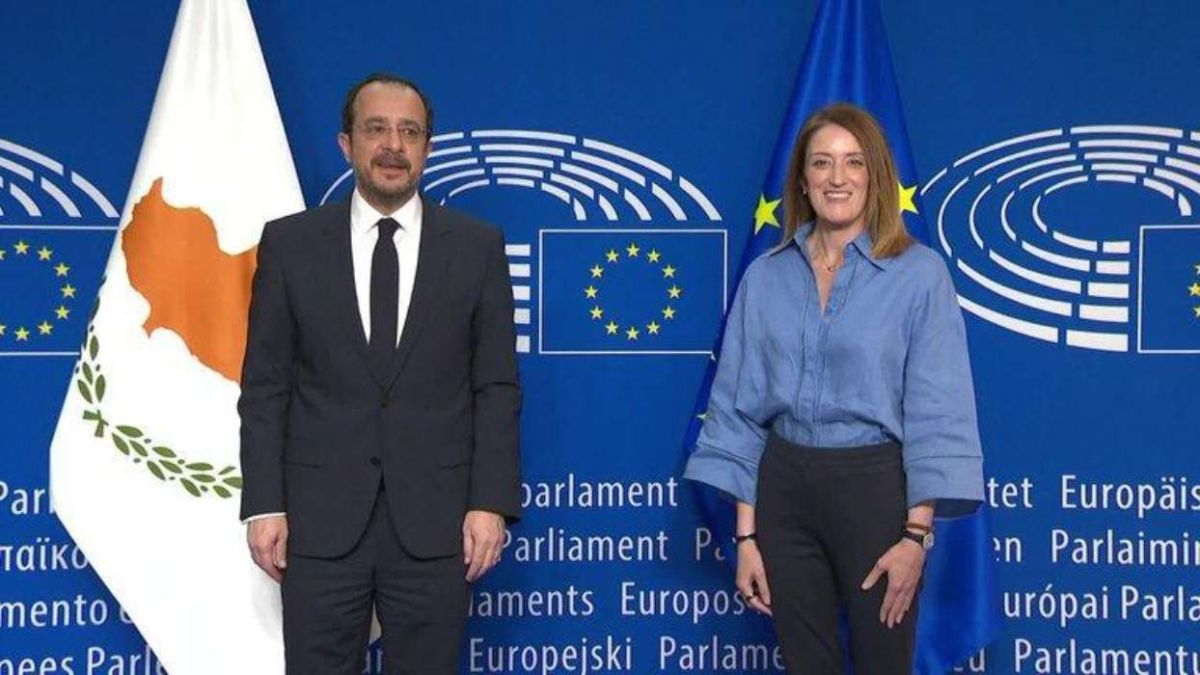
Turkey has opened a new political front with the European Union over Cyprus, launching unusually sharp criticism against EU institutions and accusing them of becoming “tools of Greek Cypriot propaganda.”
The Turkish Foreign Ministry’s intervention was triggered by an opinion adopted by the European Parliament’s Committee on Women’s Rights and Gender Equality in connection with the EU’s 2027 budget.
Yet Ankara’s response goes far beyond a dispute over European funding. Turkey is directly challenging the way European institutions address the Cyprus issue and is once again forcefully defending its own narrative surrounding the events of 1974.
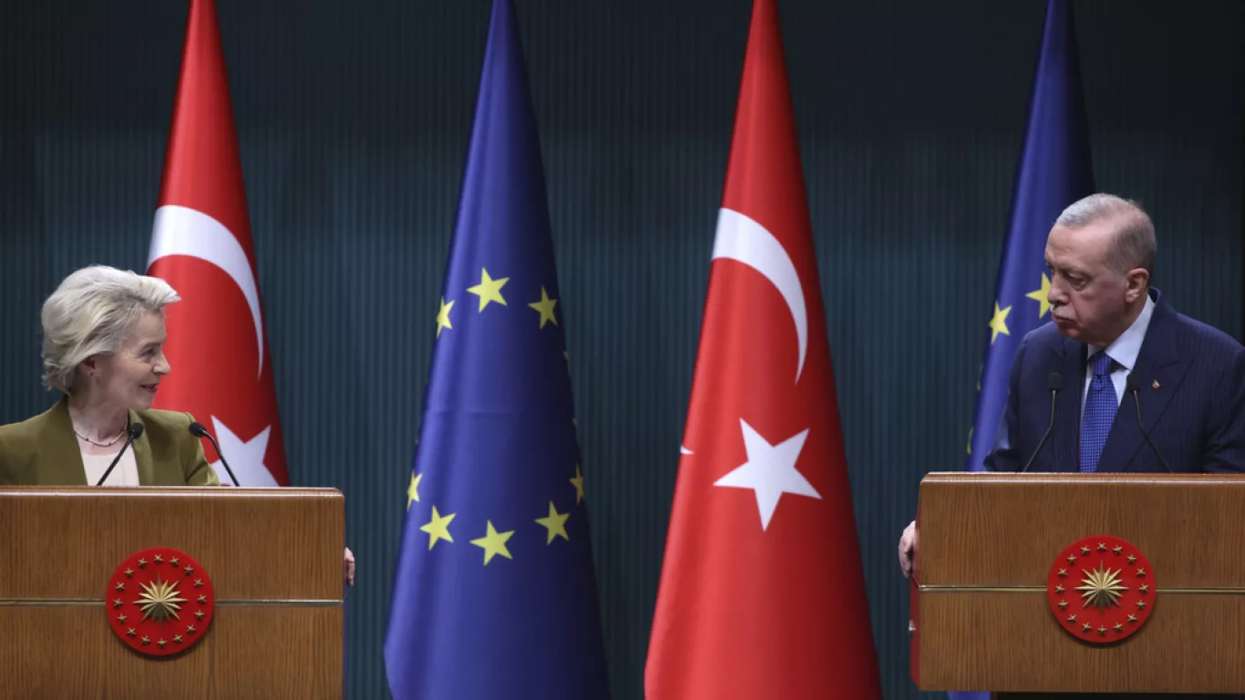
Ankara attacks EU institutions
According to the Turkish Foreign Ministry, the European Parliament committee recommended allocating resources for a memorial to be constructed by the Republic of Cyprus which, Ankara claims, would be used to discredit the Turkish Armed Forces.
Turkey then broadened its criticism to the European institutions themselves.
“The fact that EU institutions, instead of contributing to the settlement of the Cyprus issue, deviate from the principles of neutrality and fairness and become tools of Greek Cypriot propaganda further undermines trust between the two communities,” the Turkish Foreign Ministry said.
Ankara also called on European officials not to become, in its words, instruments of those seeking to distance Turkey from the European Union.
The language is significant because the target of the criticism is no longer simply Nicosia.
It is Brussels.
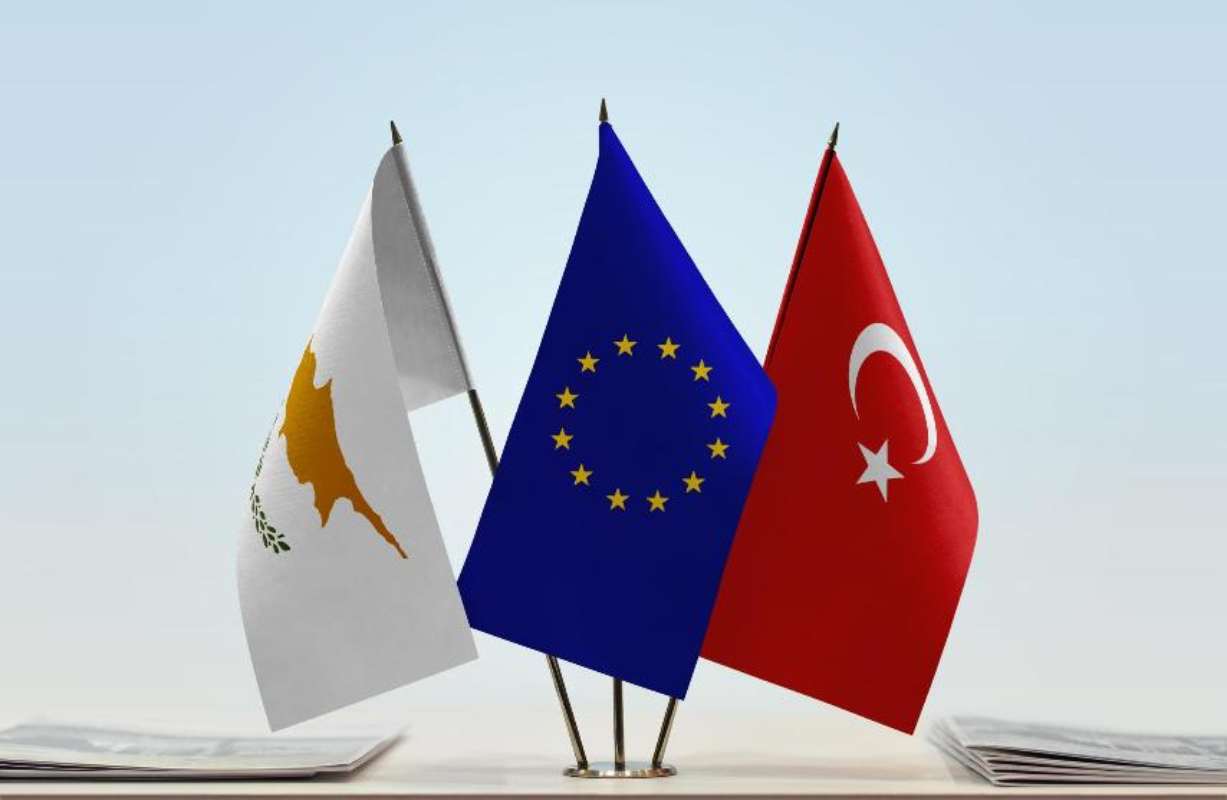
Turkey once again defends its 1974 intervention
The Turkish Foreign Ministry also reiterated Ankara’s longstanding position on the events of 1974.
Turkey argues that its military intervention prevented the destruction of the Turkish Cypriot community and brought peace to the island, while accusing the Greek Cypriot side of “distorting and politicising” historical events.
This position stands in direct conflict with the Republic of Cyprus and the prevailing European institutional approach to the division of the island.
The dispute has become particularly sensitive following European Parliament initiatives examining the consequences of Turkey’s 1974 military intervention, including its impact on Cypriot women and girls.
The latest Turkish statement therefore does not emerge in isolation. It reflects growing frustration in Ankara over the way Cyprus is increasingly being addressed within European institutions.
The deeper battle: Who defines Europe’s Cyprus narrative?
Behind the dispute over a memorial lies a much larger political confrontation.
The Republic of Cyprus is an EU member state, meaning that the Cyprus problem can no longer be treated by Brussels exclusively as a dispute between two communities.
It is increasingly intertwined with questions of European sovereignty, security, international law, human rights and the future relationship between the EU and Turkey.
That evolution presents Ankara with a strategic problem.
Turkey wants to prevent a European institutional narrative from becoming firmly established in which the events of 1974 are viewed primarily through the prism of invasion, occupation and their continuing consequences.
For Nicosia, by contrast, embedding the Cyprus issue more deeply within European institutions strengthens its diplomatic position.
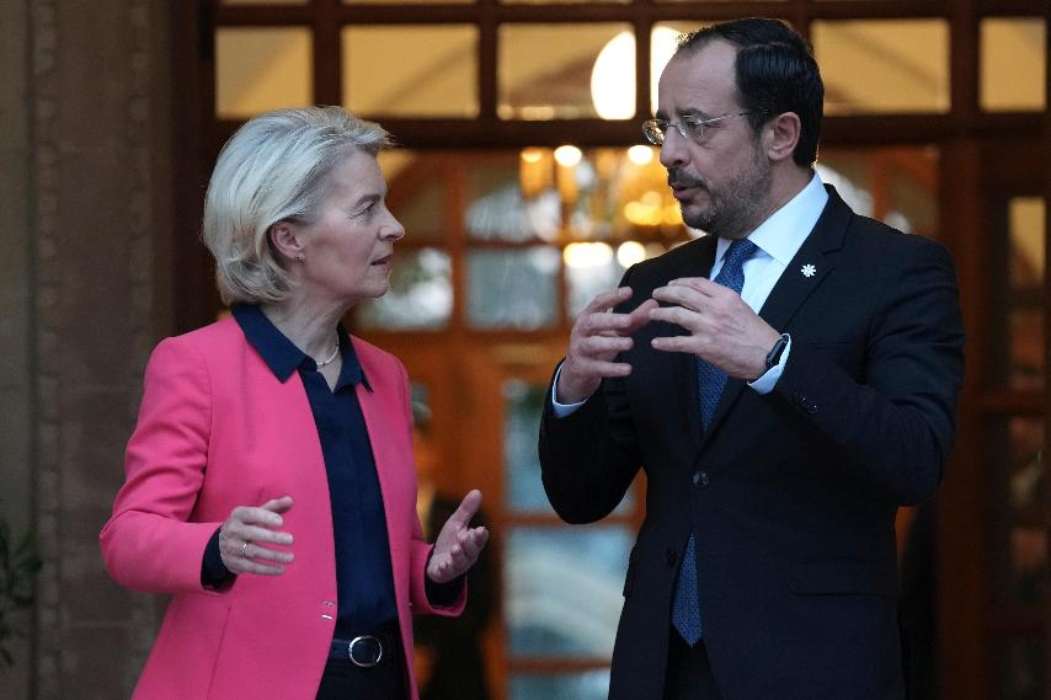
The timing matters
The confrontation comes at a particularly sensitive moment.
Turkey is seeking a closer strategic relationship with the European Union while simultaneously pursuing a greater role in Europe’s emerging security and defence architecture.
Several European governments increasingly view Turkey as an important strategic actor because of its military capabilities, defence industry, NATO membership and geographic position between Europe, the Black Sea, the Caucasus and the Middle East.
Athens and Nicosia, however, insist that closer EU–Turkey relations cannot be separated from Ankara’s obligations towards EU member states.
Cyprus therefore sits at the centre of a much broader European dilemma: how far can strategic cooperation with Turkey advance while fundamental disputes involving EU members remain unresolved?
From Cyprus to European defence
The question becomes even more important as Europe accelerates efforts to strengthen its defence capabilities.
Turkey possesses NATO’s second-largest military and an increasingly sophisticated defence-industrial base, making cooperation with Ankara attractive to parts of Europe as governments seek rapidly to expand military production and capabilities.
But Greece and Cyprus raise a fundamental political question.
Can Europe deepen defence cooperation with a third country while disregarding that country’s disputes with EU member states?
That tension is likely to become increasingly important as decisions are taken over European defence programmes, procurement and cooperation with non-EU partners.
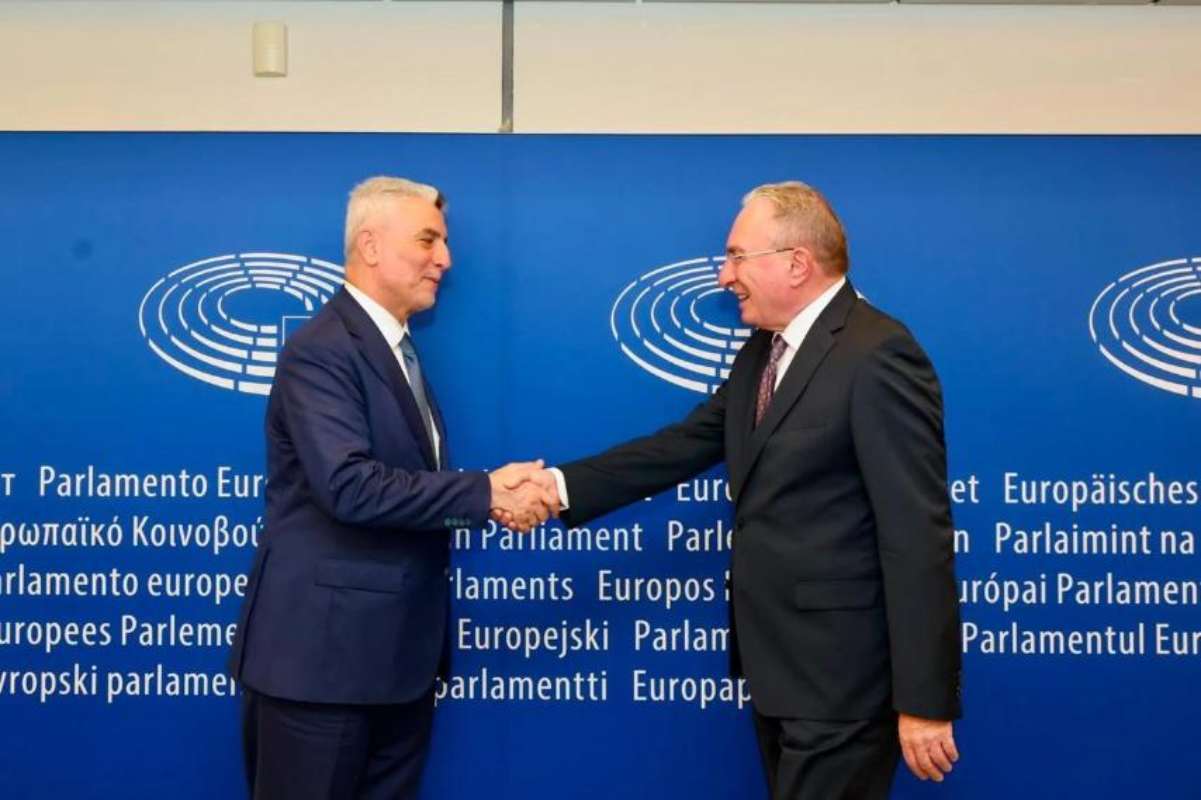
Ankara is now challenging Brussels directly
The most important element of Turkey’s latest statement may ultimately be its intended audience.
Ankara is not merely accusing the Republic of Cyprus of promoting its own historical narrative.
It is openly questioning the neutrality and fairness of the European Union’s institutions.
That represents a notable escalation in rhetoric.
It also suggests that Turkey increasingly views the institutional Europeanisation of the Cyprus issue as a potential obstacle to its own efforts to develop a deeper strategic relationship with the EU.
The dispute therefore goes well beyond one European Parliament committee or one proposed memorial.
It touches the central geopolitical question surrounding the future of EU–Turkey relations:
How much closer can Turkey move towards Europe — and under what political and security conditions?
Source: pagenews.gr
Διαβάστε όλες τις τελευταίες Ειδήσεις από την Ελλάδα και τον Κόσμο