Trump, Vance Sign Iran-US Framework: A Diplomatic Breakthrough or a Fragile Truce?
 ΧΡΟΝΟΣ ΑΝΑΓΝΩΣΗΣ 5 '
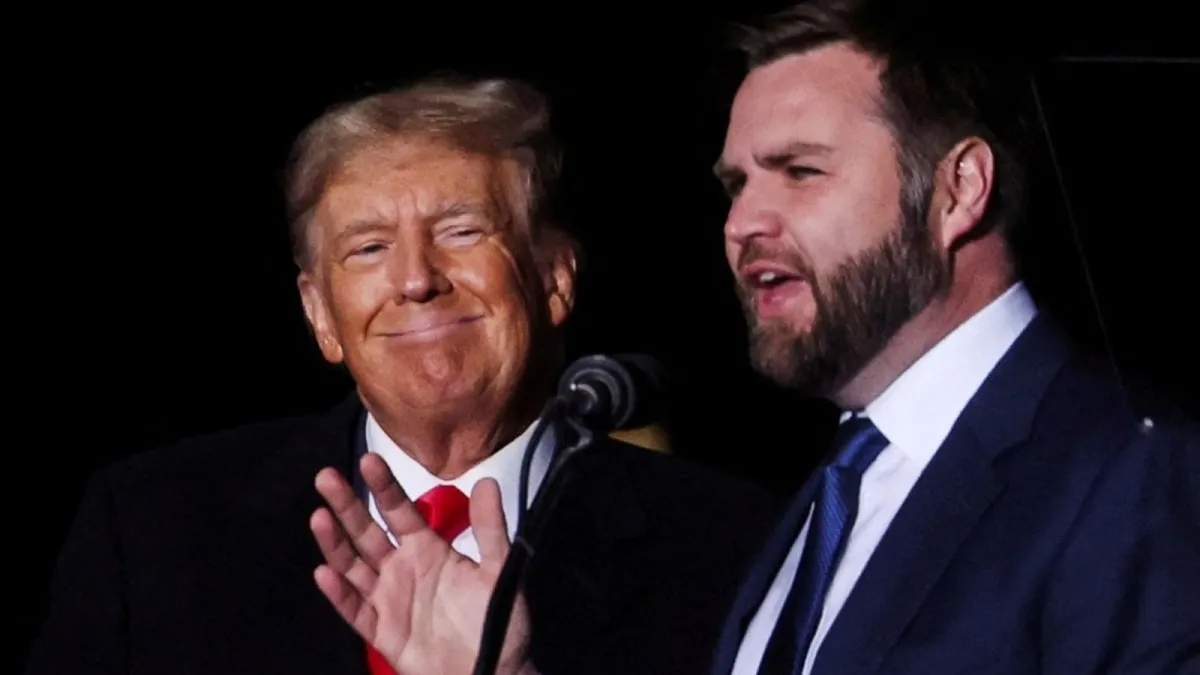
Πηγή Φωτογραφίας: Δημιουργός: KENT NISHIMURA KENT NISHIMURA | Συντελεστές: AFP//Trump, Vance Sign Iran-US Framework: A Diplomatic Breakthrough or a Fragile Truce?



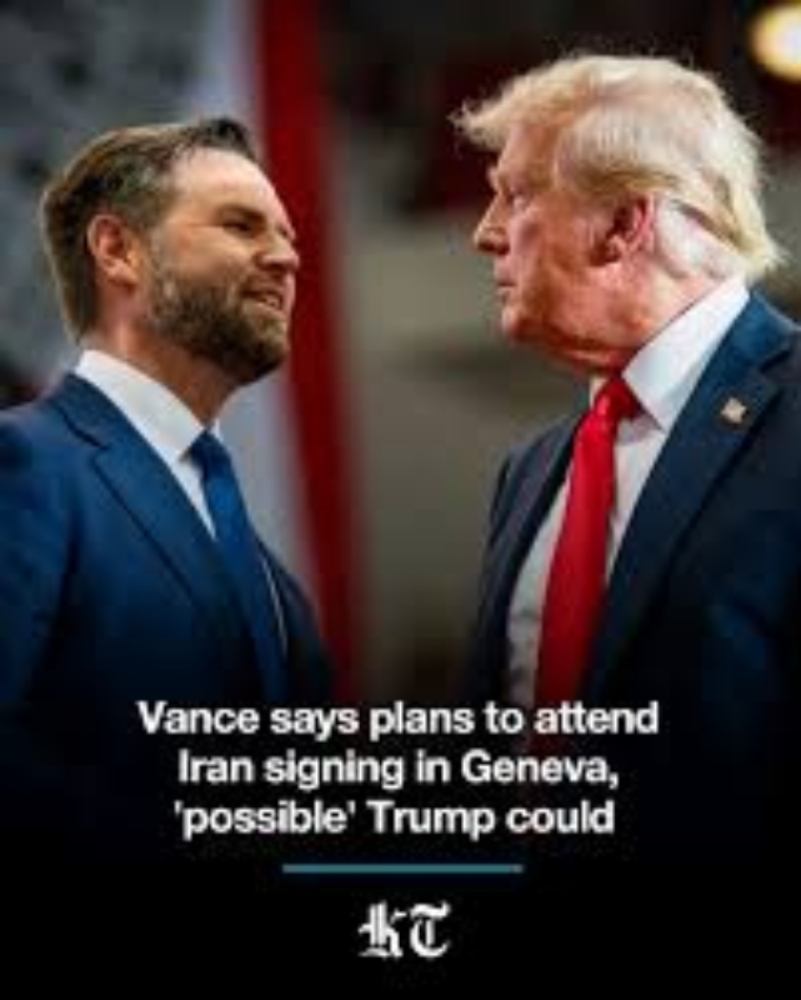
In a major geopolitical development that could reshape the Middle East and global energy markets, U.S. President Donald Trump and Vice President JD Vance have signed a framework agreement with Iran aimed at ending months of conflict and launching a broader diplomatic process between Washington and Tehran. The formal signing ceremony is expected to take place in Switzerland later this week.
The agreement marks the most significant breakthrough in U.S.-Iran relations in years and comes after more than three months of military escalation that threatened regional stability, disrupted global trade routes and pushed oil prices sharply higher.
What Is in the Framework Agreement?
According to reports from multiple international outlets, the memorandum of understanding includes:
- A commitment to end military hostilities between the United States and Iran.
- The gradual reopening of the Strait of Hormuz, one of the world’s most important energy corridors.
- The lifting of the U.S. naval blockade imposed on Iranian ports.
- A 60-day negotiation period to address Iran’s nuclear program and sanctions relief.
- Economic provisions that could unlock frozen Iranian assets and support reconstruction efforts under strict conditions.
The Strait of Hormuz is particularly critical, as roughly one-fifth of global oil shipments pass through the narrow waterway. Its reopening has already fueled optimism across international markets.
Trump’s Gamble on Diplomacy
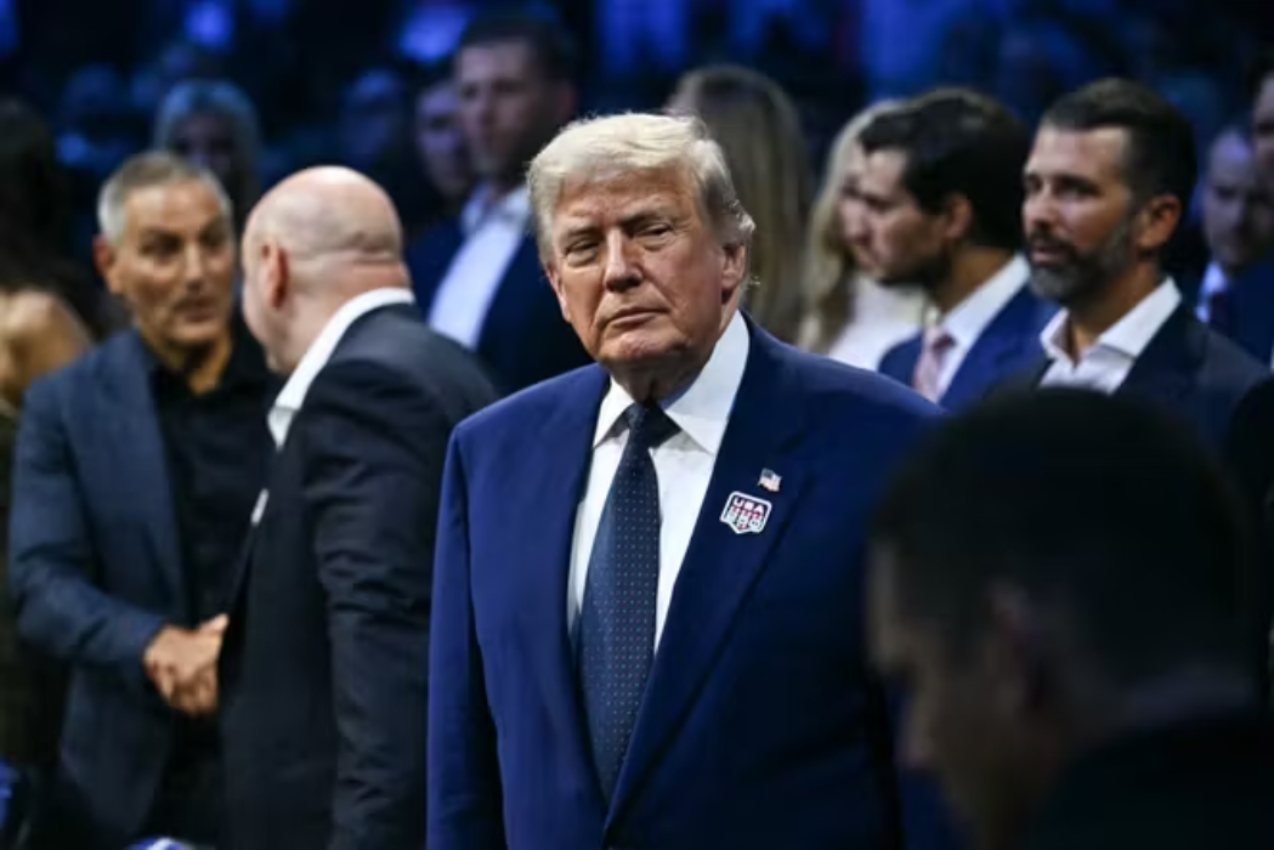
President Trump presented the agreement as a major foreign policy achievement, arguing that diplomacy has achieved what months of military confrontation could not.
Speaking ahead of the G7 Summit in France, Trump celebrated the framework and declared that oil shipments would soon resume normal operations through Hormuz, a move welcomed by many energy-importing nations.
Vice President JD Vance has been one of the deal’s strongest defenders, emphasizing that any economic benefits for Iran would depend on full compliance with nuclear and security commitments. He stressed that American taxpayers would not finance reconstruction efforts, with Gulf states expected to play a major role instead.
Iran Gains Relief but Faces Tough Conditions
For Tehran, the agreement offers a pathway toward economic recovery after months of conflict, sanctions pressure and disruption to trade.
Iranian officials have welcomed the framework but continue to stress that implementation must be reciprocal. Key issues—including sanctions removal, nuclear restrictions and security guarantees—remain unresolved and will be negotiated over the coming weeks.
While Iranian leaders have endorsed the framework, they have also signaled continued skepticism toward Washington, reflecting decades of mistrust between the two countries.
A Win for Global Markets
Financial markets reacted positively to news of the agreement.
Oil prices declined as traders anticipated the normalization of shipping routes and reduced risk of supply disruptions. Energy analysts believe that a stable Strait of Hormuz could help ease inflationary pressures worldwide and support economic growth in major importing economies.
European governments, Gulf states and Asian economies have largely welcomed the development, viewing it as an opportunity to stabilize a region that has become increasingly volatile over the past year.
Major Questions Remain
Despite the optimism, many analysts caution that the framework is only the beginning of a difficult process.
Critical questions remain unresolved:
- How far will Iran go in limiting its nuclear activities?
- Will sanctions relief be implemented quickly or gradually?
- Can the agreement survive domestic political opposition in both countries?
- How will Israel respond to a deal negotiated without direct Israeli participation?
- Can Washington and Tehran maintain trust during the 60-day implementation phase?
Why It Matters
The framework agreement could become one of the most consequential diplomatic developments of Trump’s second presidency.
If successful, it may restore stability to global energy markets, reduce military tensions across the Middle East and create a foundation for a broader agreement on Iran’s nuclear program. If it fails, however, it could trigger a renewed cycle of confrontation with consequences far beyond the region.
For now, the world is watching Switzerland, where the formal signing ceremony is expected to determine whether this framework becomes a lasting peace process—or merely another temporary pause in one of the world’s most enduring geopolitical rivalries.
Source: pagenews.gr
Διαβάστε όλες τις τελευταίες Ειδήσεις από την Ελλάδα και τον Κόσμο