Cyprus at a Diplomatic Crossroads: High-Stakes Talks Ahead of UN Chief Guterres’ Visit
 ΧΡΟΝΟΣ ΑΝΑΓΝΩΣΗΣ 6 '
Πηγή Φωτογραφίας: AP Photo//Cyprus at a Diplomatic Crossroads: High-Stakes Talks Ahead of UN Chief Guterres’ Visit



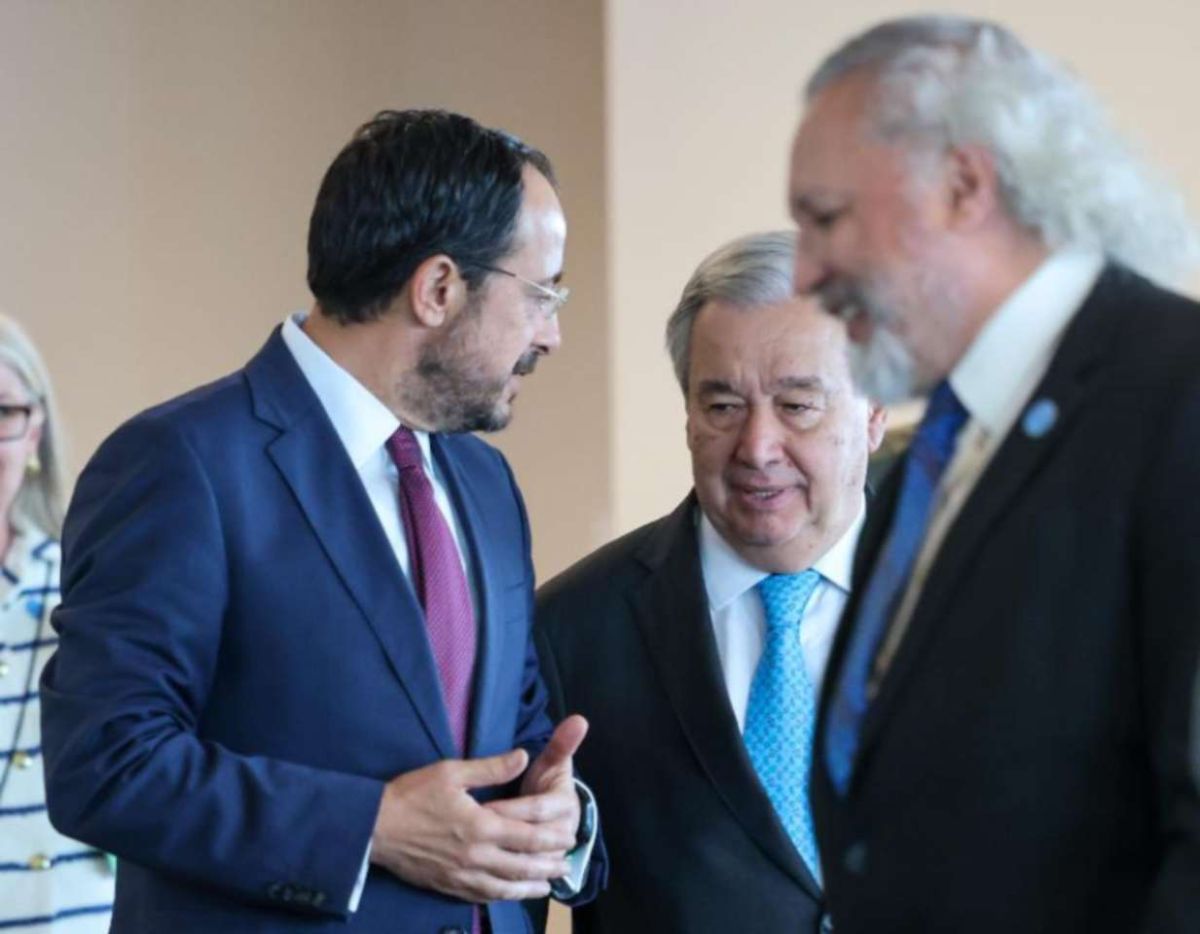
Cyprus is entering one of the most significant diplomatic moments in recent years as UN Secretary-General António Guterres prepares to visit the island from July 27 to 29, in an effort to assess whether conditions exist for a renewed political process on the Cyprus issue.
Before Guterres arrives, an intense series of diplomatic consultations is taking place across Nicosia, Athens, Brussels and Ankara, highlighting the strategic importance attached to the Secretary-General’s initiative by all key stakeholders.
National Council Meets to Define Cyprus’ Strategy
President Nikos Christodoulides has convened the National Council, bringing together the country’s political leaders for a comprehensive briefing and strategic discussion ahead of the UN Secretary-General’s visit.
The objective is to ensure that the Republic of Cyprus presents a unified political position during the upcoming discussions with the United Nations.
Government officials emphasize that Nicosia remains committed to a settlement based on the relevant UN Security Council resolutions, while seeking to preserve diplomatic momentum without compromising its long-standing positions on the framework for a comprehensive solution.
The meeting also reflects the government’s determination to strengthen domestic political consensus before entering another sensitive phase of international diplomacy.
Athens and Nicosia Strengthen Their Coordination
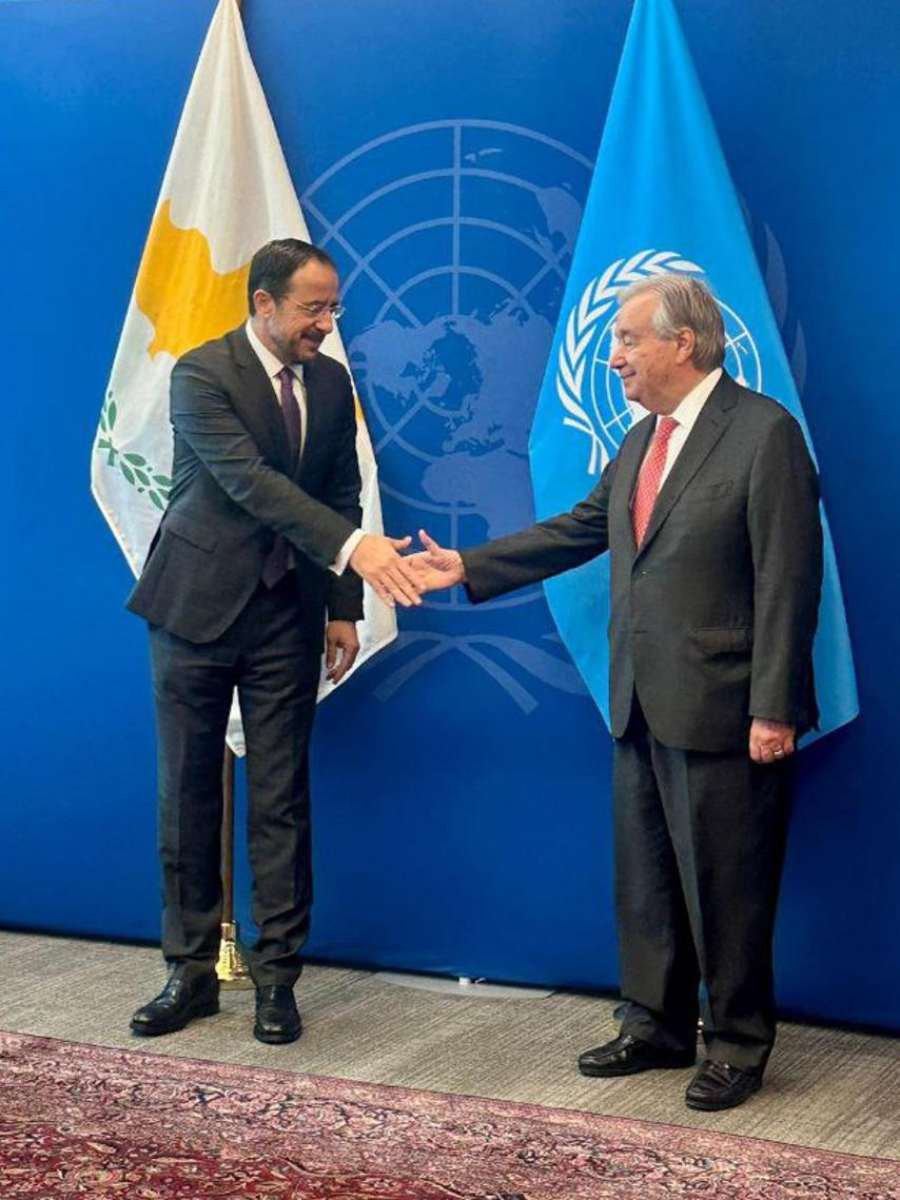
Immediately following the National Council meeting, President Christodoulides is expected to travel to Athens for consultations with Greek Prime Minister Kyriakos Mitsotakis.
The timing of the meeting underlines the close coordination between Greece and Cyprus on one of the region’s most enduring geopolitical issues.
The two leaders are expected to review:
- recent diplomatic developments,
- Turkey’s latest positions,
- the role of the European Union,
- and expectations surrounding Guterres’ upcoming visit.
Athens and Nicosia are seeking to maintain a common diplomatic front, reinforcing their shared approach ahead of discussions with the United Nations.
The European Union Seeks a More Active Role
President Christodoulides has also indicated that he may hold talks with Raffaele Fitto, the European Commission’s special envoy, following his meetings in Athens.
The move reflects Cyprus’ broader strategy of increasing the European Union’s involvement in the Cyprus issue.
Nicosia argues that the Cyprus problem is not solely a UN matter but also a European one, given that the Republic of Cyprus is a member of the European Union and that any future settlement will inevitably have important European legal, political and economic dimensions.
The Cypriot government believes that stronger EU engagement could help create additional diplomatic incentives for progress.
Olguín Heads to Ankara
Meanwhile, María Ángela Holguín, the Personal Envoy of the UN Secretary-General, is traveling to Ankara for talks with Turkish Foreign Minister Hakan Fidan.
Her mission is considered one of the most critical steps before Guterres’ arrival.
The discussions are expected to focus on:
- the current positions of Turkey,
- prospects for continuing dialogue,
- confidence-building measures,
- and the agenda for the Secretary-General’s visit.
Holguín has become the principal diplomatic channel between the United Nations and all parties involved, working to determine whether sufficient common ground exists to move the political process forward.
What Guterres Is Trying to Achieve
The Secretary-General’s visit is widely viewed as the most significant UN diplomatic initiative on Cyprus in recent years.
Rather than attempting to launch full-scale negotiations immediately, Guterres is expected to focus on rebuilding confidence between the two sides and identifying practical areas where dialogue can continue.
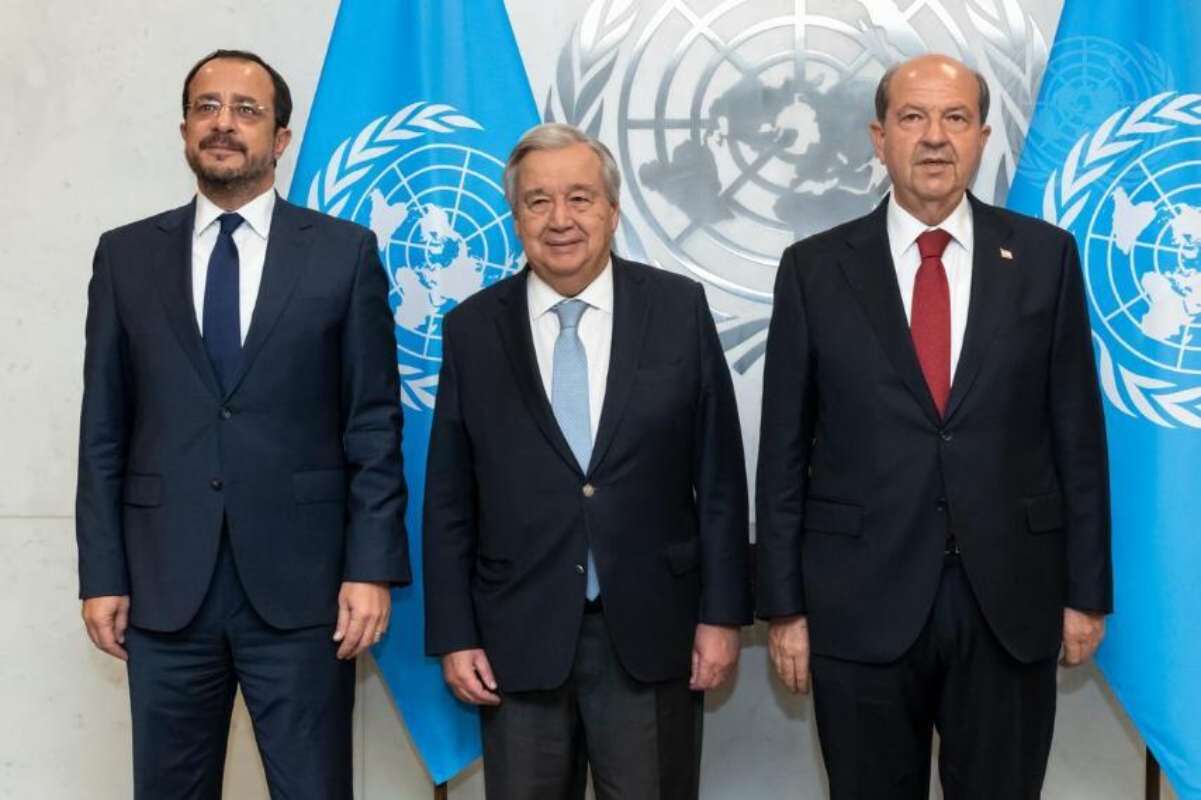
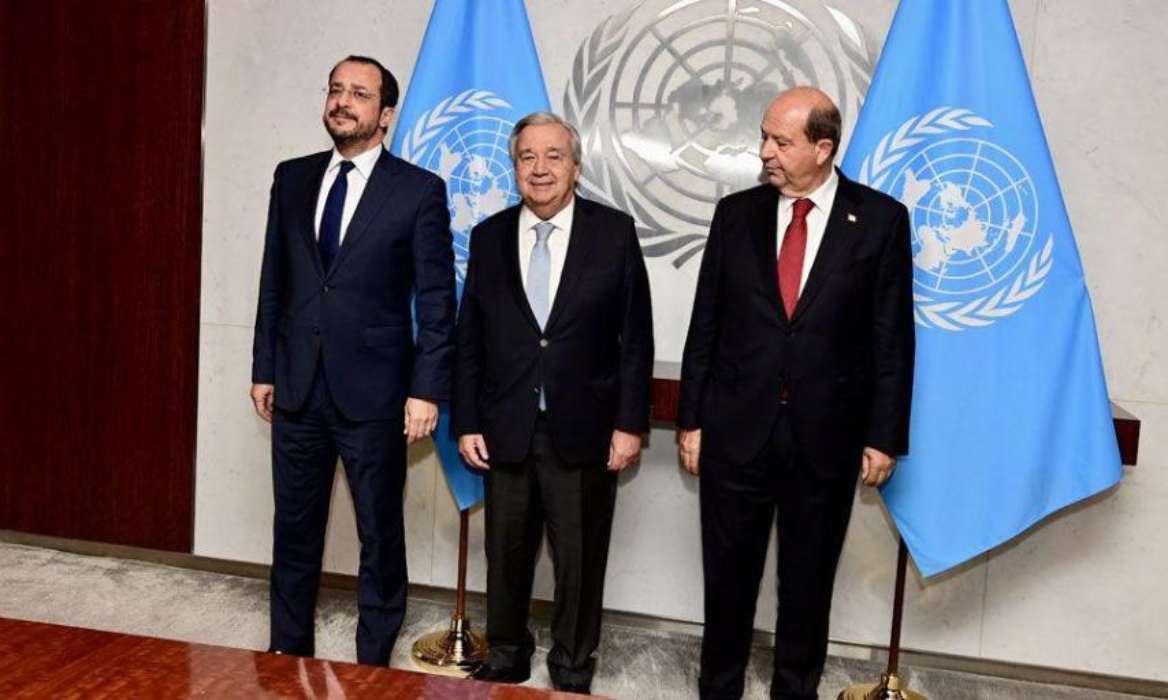
According to current plans, the UN chief will hold separate meetings with President Christodoulides and Turkish Cypriot leader Tufan Erhürman, followed by joint discussions and engagements with representatives of bicommunal technical committees and civil society.
The primary objective is to prevent another prolonged period of diplomatic stagnation while preserving the possibility of future negotiations.
The Core Disagreement Remains Unchanged
Despite the renewed diplomatic activity, the fundamental differences between the two sides remain substantial.
The Greek Cypriot side continues to support a bizonal, bicommunal federation, in line with longstanding UN Security Council resolutions.
Turkey and the Turkish Cypriot leadership, however, continue to advocate a two-state solution based on sovereign equality.
This fundamental divergence remains the principal obstacle to any comprehensive settlement and explains why expectations surrounding Guterres’ initiative remain cautious despite the heightened diplomatic momentum.
A Narrow Window of Opportunity
The Secretary-General’s visit comes at a particularly important moment for regional diplomacy.
With geopolitical tensions reshaping the Eastern Mediterranean and renewed attention being paid to regional security, Cyprus once again occupies a strategic position within broader international discussions.
For Nicosia, maintaining international engagement on the Cyprus issue remains a top foreign-policy priority.
For Athens, close coordination with the Republic of Cyprus continues to be a central pillar of Greek foreign policy.
For the United Nations, the challenge is to preserve diplomatic momentum and prevent the Cyprus question from slipping further into political deadlock.
Whether the coming meetings will produce tangible progress or simply extend the current dialogue without substantive breakthroughs will largely depend on the willingness of all parties to move beyond entrenched positions and explore areas of common ground.
The coming days are therefore expected to be decisive—not only for the future of the UN initiative, but also for the broader diplomatic landscape of the Eastern Mediterranean.
Source: pagenews.gr
Διαβάστε όλες τις τελευταίες Ειδήσεις από την Ελλάδα και τον Κόσμο