“KENTAVROS”: Greece’s Silent Anti-Drone Superweapon That Shifted the Balance in the Eastern Mediterranean
 ΧΡΟΝΟΣ ΑΝΑΓΝΩΣΗΣ 3 '

Πηγή Φωτογραφίας: eurokinissi//“KENTAVROS”: Greece’s Silent Anti-Drone Superweapon That Shifted the Balance in the Eastern Mediterranean



The question that became a weapon
A seemingly simple yet strategically critical question became the trigger for the development of Greece’s indigenous counter-drone system, “Kentavros.” As revealed by the Minister of National Defence Nikos Dendias, the core issue was blunt and operational:How does Greece counter swarms of advanced drones potentially launched by a hostile actor?
That question did not remain theoretical. It became a national defence innovation programme.
From research lab to real combat
The system began in 2019 as a self-funded research initiative by the Hellenic Aerospace Industry (EAB) and entered production readiness by 2023.
Its real turning point came when it was deployed aboard Greek naval vessels operating in active threat zones:
- The Red Sea
- The Gulf of Aden
- Under the EU naval mission “Aspides”
During these operations, Greek frigates reportedly downed at least three hostile drones launched by Houthi forces, with the assistance of the “Kentavros” system.

Greece’s emerging defence innovation ecosystem
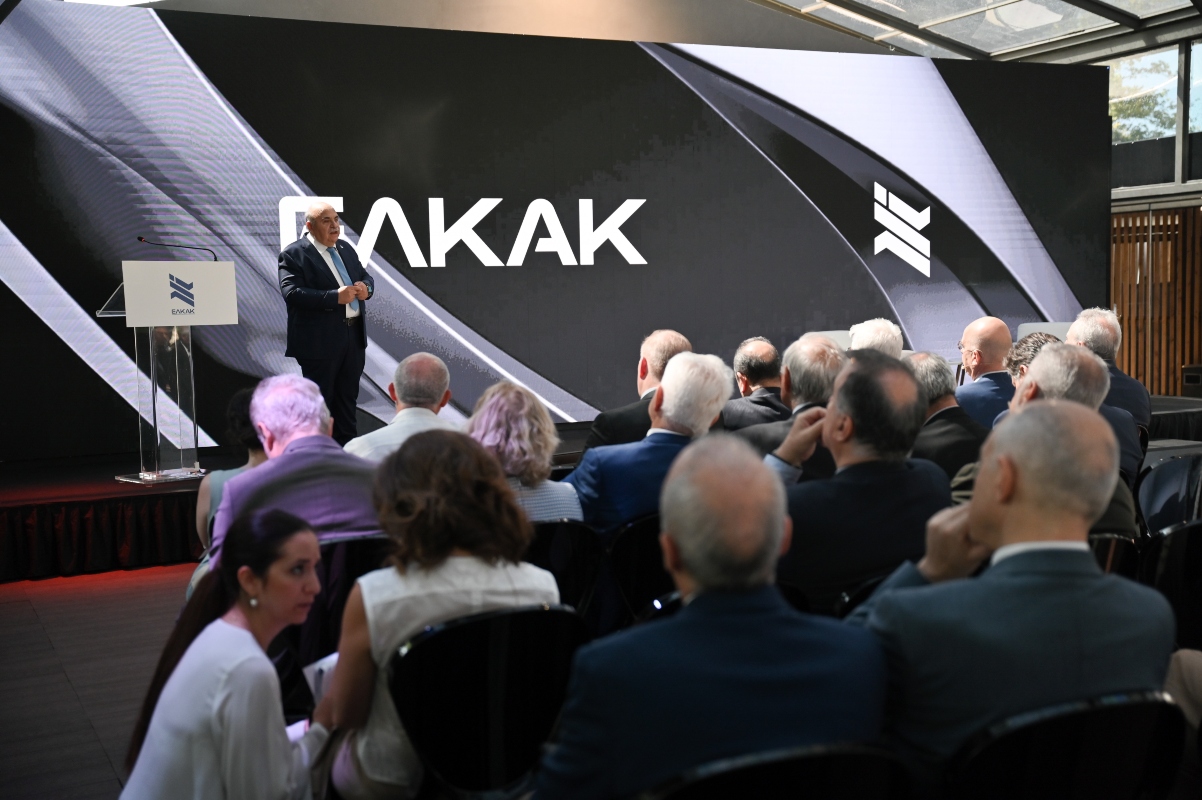
The programme is now embedded in Greece’s broader defence innovation strategy through the Hellenic Centre for Defence Innovation (HCDI) ΕΛΚΑΚ, which connects:
- the Armed Forces
- domestic defence industry
- and national R&D ecosystems
“Kentavros” is increasingly seen as a cornerstone of Greece’s next-generation air defence architecture.
Soft Kill + Hard Kill: dual-layer warfare
What makes the system significant is its hybrid approach:
- Soft Kill: electronic disruption and jamming of drones
- Hard Kill: physical interception and destruction
Even more strategically important is its reported integration with the Israeli BARAK-MX air defence system, enabling multi-layered and interoperable defence architecture.

Geopolitical implications: Greece as a security producer
The development signals a broader shift: Greece positioning itself not only as a defence consumer, but as a regional security technology producer.
Key implications include:
- Growing interest from Cyprus and Bulgaria
- Integration into the EU SAFE defence framework
- Potential cooperation with major international defence firms
This positions Greece more strongly within the evolving security landscape of the Eastern Mediterranean.
A new defence industry: drones, factories, and doctrine
Alongside “Kentavros,” Greece is accelerating its unmanned systems strategy:
- A new large drone production facility in Malakasa
- Existing production units in Menidi and Xanthi
- A new training school for UAV operators
The strategic goal is clear: mass production capability for modern, asymmetric warfare scenarios.
“Kentavros” is no longer just a system — it represents a doctrinal shift in Greek defence thinking.
Greece is entering an era where deterrence is defined not only by ships and jets, but by:
algorithms, sensors,
Διαβάστε όλες τις τελευταίες Ειδήσεις από την Ελλάδα και τον Κόσμο