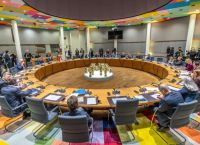
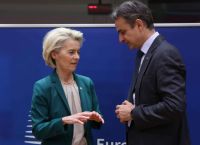
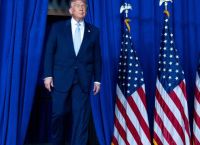
TRUMP, IRAN AND TRADE WARS: Can the G7 Still Hold the West Together?
 ΧΡΟΝΟΣ ΑΝΑΓΝΩΣΗΣ 7 '
Πηγή Φωτογραφίας: AP Photo//TRUMP, IRAN AND TRADE WARS: Can the G7 Still Hold the West Together?



The leaders of the world’s most powerful democratic economies arrive in France this week facing a reality few would have imagined a decade ago: the greatest challenge confronting the G7 may no longer come from its rivals, but from divisions within its own ranks.
The 2026 G7 Summit opens amid a rare convergence of geopolitical crises. A fragile U.S.-Iran peace framework has temporarily eased fears of a wider Middle East war. Ukraine remains locked in a grinding conflict with Russia. China continues expanding its influence across critical supply chains. And trade tensions between Washington and its closest allies are once again threatening to overshadow collective action.
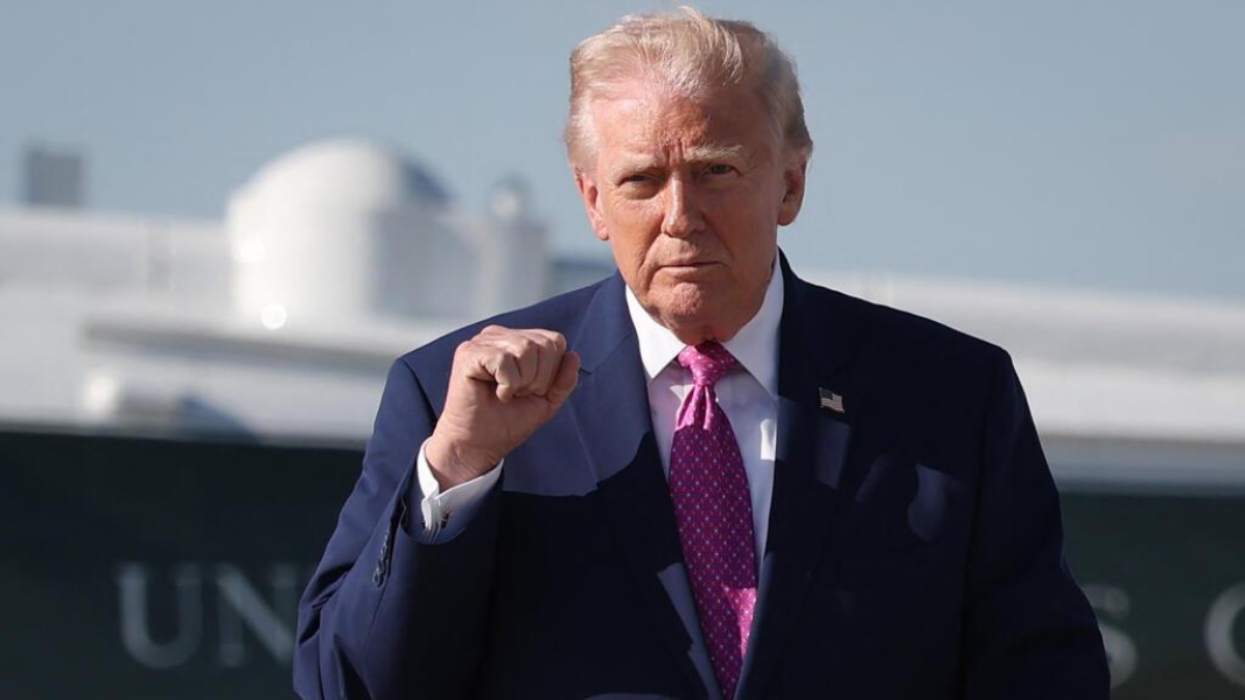
At the center of nearly every discussion stands one figure: Donald Trump.
For European leaders, the summit is becoming less a forum for policy coordination and more a test of whether Western allies can still operate within a common strategic framework while pursuing increasingly divergent national interests.
Trump’s Tariff Bombshell Lands Before the Summit Begins
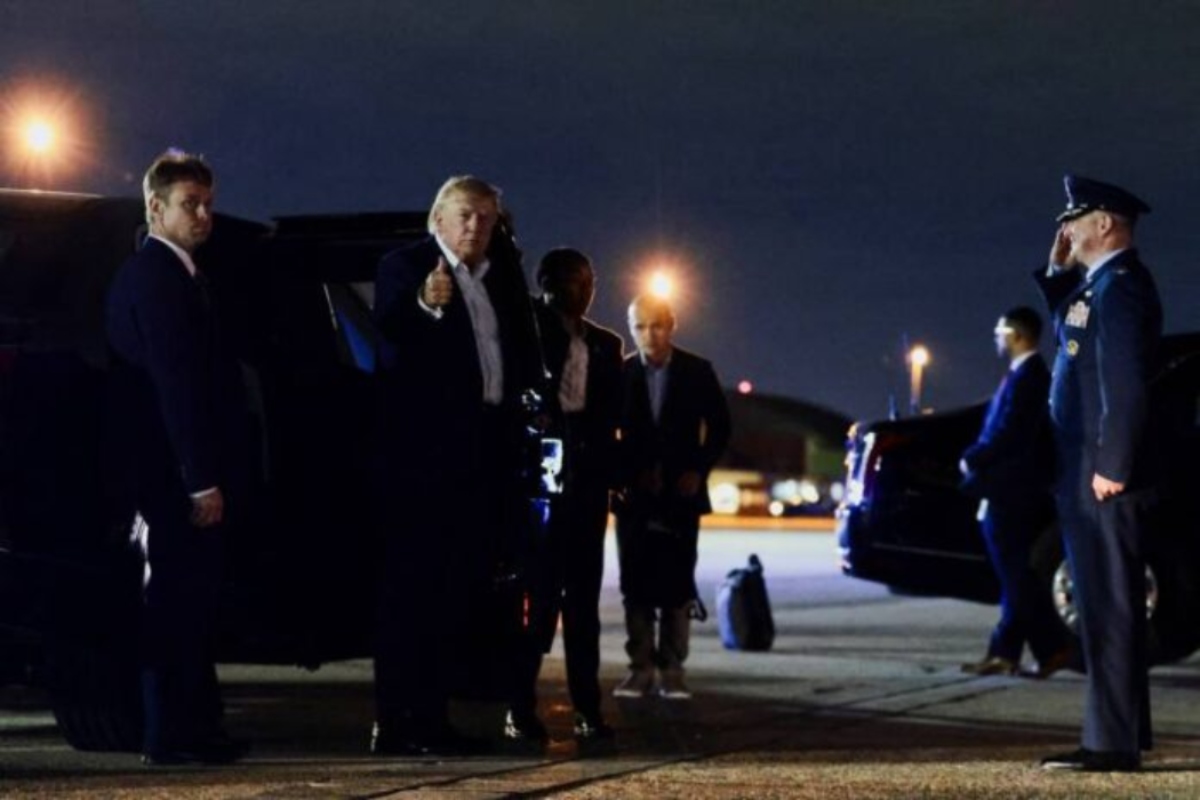
Even before Air Force One touched down in France, President Trump reignited transatlantic tensions.
His threat to impose 100% tariffs on French wine unless Paris abandons its digital services tax immediately transformed what was expected to be a security-focused summit into another battleground over trade.
The dispute reflects a growing philosophical divide.
European governments increasingly argue that global technology giants should contribute more fairly to national tax systems. Washington, meanwhile, views many of these measures as targeted attacks on American companies and American competitiveness.
For Trump, the issue fits neatly into his broader economic doctrine: leverage America’s market power to secure concessions.
For Europe, it reinforces concerns that the United States is becoming a less predictable partner and a more transactional one.
The danger for G7 leaders is that bilateral trade disputes could consume diplomatic energy at a moment when broader strategic challenges require unprecedented coordination.
The Iran Deal Changes Everything — But Solves Little
The surprise announcement of a preliminary U.S.-Iran agreement has fundamentally altered the summit agenda.
Only weeks ago, world leaders were preparing for discussions dominated by fears of regional escalation, energy shocks and possible military confrontation across the Middle East.
Today, the conversation has shifted.
The focus is no longer whether war can be avoided, but whether peace can be sustained.
The reopening of the Strait of Hormuz offers immediate economic relief. Energy markets have already responded positively, while investors hope lower oil prices could ease inflation pressures that have weighed heavily on global growth.
Yet beneath the optimism lies a more uncomfortable reality.
Most of the hardest questions remain unanswered.
- What happens to Iran’s enriched uranium stockpile?
- How will sanctions relief be structured?
- What verification mechanisms will exist?
- Can regional actors be prevented from reigniting tensions?
European leaders are expected to press Washington for clarity, aware that a poorly implemented agreement could merely postpone a future crisis.
As one senior European diplomat noted ahead of the summit, “a ceasefire is not the same thing as a settlement.”
Ukraine Faces the Risk of Diplomatic Marginalization
Perhaps no leader arrives in France with more at stake than Ukrainian President Volodymyr Zelenskyy.
For nearly four years, Ukraine has occupied the center of Western diplomacy.
Now, however, the emergence of the Iran agreement risks shifting international attention elsewhere.
Zelenskyy will seek fresh military and financial commitments at a time when allied governments face growing domestic political pressures and competing international crises.
While Russian offensives have slowed, Ukraine remains heavily dependent on Western assistance.
The challenge for Kyiv is no longer simply winning support.
It is preventing Ukraine from becoming a secondary priority.
The summit will offer an important indication of whether Western leaders remain prepared to sustain long-term commitments despite increasing geopolitical distractions.
The China Question Returns to Center Stage
Beyond immediate crises, another issue continues to dominate strategic planning: China.
Critical minerals, advanced technologies, semiconductors, artificial intelligence and industrial competition are expected to feature prominently in summit discussions.
Western governments increasingly view economic security as inseparable from national security.
The challenge is not identifying the problem.
It is agreeing on the solution.
Washington favors aggressive measures designed to reduce dependence on Chinese supply chains.
Many European governments support diversification but remain wary of large-scale subsidies, protectionist policies and excessive state intervention.
The debate reflects a broader struggle over the future of globalization itself.
Can Western economies reduce strategic vulnerabilities without sacrificing economic efficiency?
The answer remains uncertain.
Macron’s Final Diplomatic Showcase
For French President Emmanuel Macron, the summit carries special significance.
With his presidency entering its final chapter, this gathering represents one of his last opportunities to shape major international debates.
Macron has long argued that Europe must develop greater strategic autonomy while maintaining strong transatlantic ties.
The challenge now is proving that vision can survive growing geopolitical fragmentation.
Hosting Trump, Zelenskyy and leaders from across the democratic world offers Macron a final opportunity to position France as a bridge between competing interests.
Whether he succeeds may ultimately determine how this summit is remembered.
The Real Story Is Western Cohesion
The most important question facing the G7 is not Iran.
It is not Ukraine.
It is not even China.
The real question is whether the West can still function as a coherent strategic bloc.
For decades, the formula was relatively straightforward: Washington led, Europe followed, and the broader international system adapted.
That model is under increasing strain.
Trump’s willingness to challenge allies on trade while simultaneously demanding greater alignment on security issues illustrates the contradictions shaping modern Western politics.
At the same time, European governments increasingly seek greater autonomy without weakening the alliance that underpins their security.
The result is a G7 that remains powerful but no longer fully united.
This summit is therefore less about producing dramatic breakthroughs than about preventing disagreements from becoming fractures.
If leaders leave France with a shared approach on Iran, continued support for Ukraine and a coordinated strategy on China, the gathering will likely be considered a success.
If trade disputes and competing national priorities dominate proceedings, the summit may instead become another symbol of a changing world order where even allies struggle to agree on how to confront common challenges.
And in that sense, the G7’s greatest test is no longer managing global crises.
It is managing itself.
Source: pagenews.gr
Διαβάστε όλες τις τελευταίες Ειδήσεις από την Ελλάδα και τον Κόσμο