Trump’s Russia Pivot: How Europe Brought Washington Closer to Its Ukraine Strategy
 ΧΡΟΝΟΣ ΑΝΑΓΝΩΣΗΣ 6 '
Πηγή Φωτογραφίας: AP Photo//Trump’s Russia Pivot: How Europe Brought Washington Closer to Its Ukraine Strategy



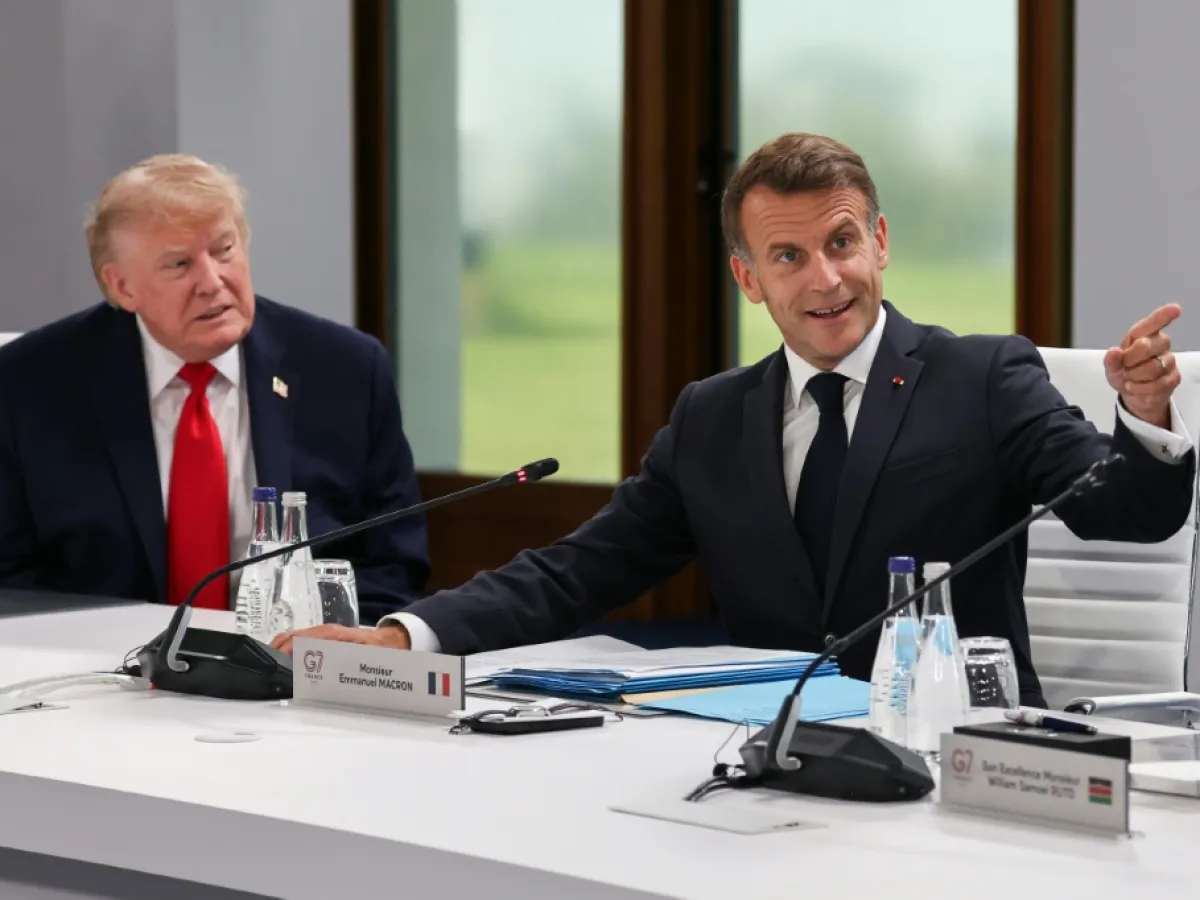
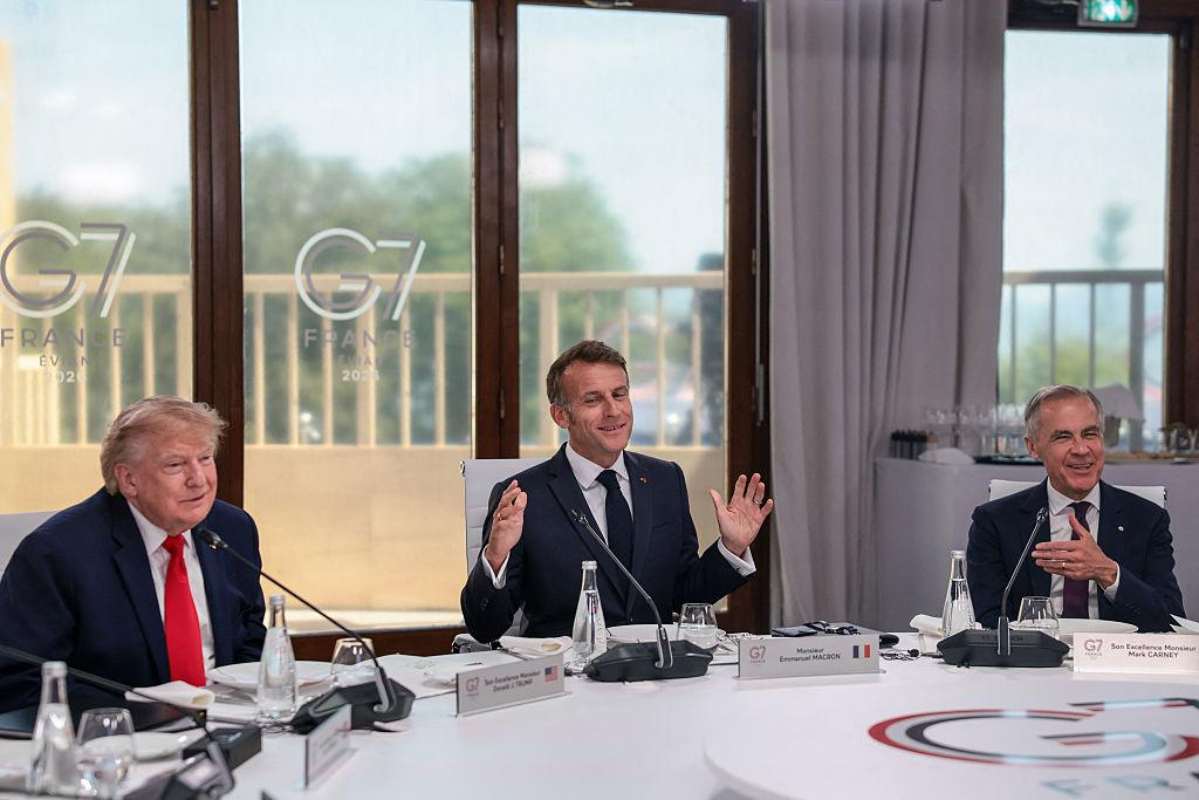
The most consequential outcome of the G7 summit in Évian may not have been the final communiqué itself.
It may have been the political signal behind it.
For much of the past year, European capitals have worried less about Moscow than about Washington. The central question was whether Donald Trump would eventually seek a rapid accommodation with Vladimir Putin at the expense of Ukraine and broader European security interests.
What emerged from Évian suggests a different trajectory.
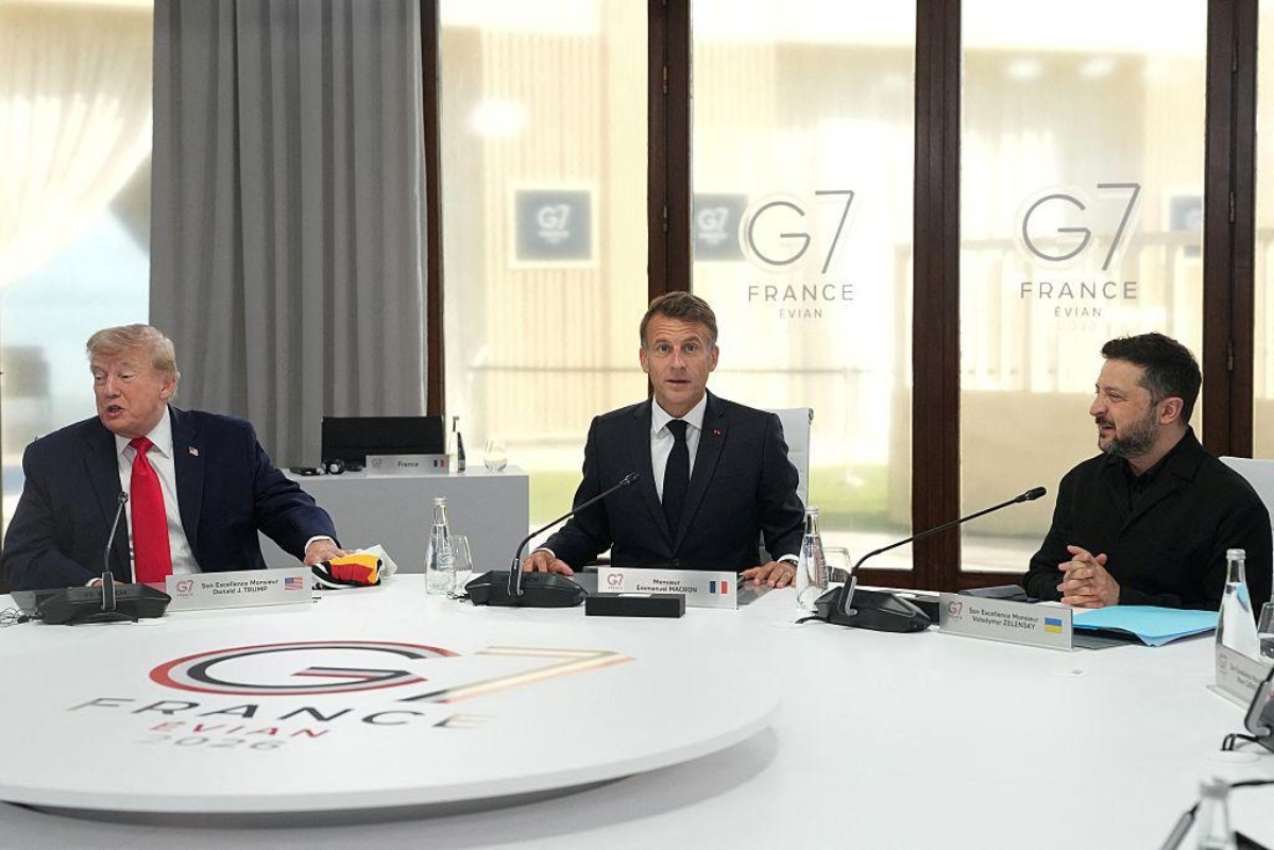
Not only did Trump remain engaged until the summit’s conclusion—avoiding the kind of disruption that has often characterized previous international gatherings—but he also signed onto a collective strategy aimed at increasing pressure on Russia and strengthening support for Ukraine.
For Europe, that matters.
The Strategic Shift Behind the Headlines
The significance of Évian lies not in the rhetoric, but in the alignment.
The G7 leaders agreed to intensify pressure on Russia’s wartime economy through additional sanctions, including measures targeting energy revenues and other critical funding streams sustaining Moscow’s military effort.
More importantly, the United States endorsed the approach.
That represents a notable evolution from Trump’s earlier insistence that the war could be rapidly resolved through direct engagement with Putin.
The European assessment has long been different.
Paris, Berlin, London and Warsaw have argued that the Kremlin has shown little genuine willingness to negotiate a durable peace settlement and that sustained pressure remains the only realistic path toward meaningful diplomacy.
For the first time in months, Washington appears closer to that European reading of the conflict.
Macron Publicly Framed the Shift
French President Emmanuel Macron wasted little time in defining the political narrative.
“President Trump, like all of us, recognized that there is currently no serious willingness on the Russian side to engage in peace discussions,” Macron said.
The statement was more than diplomatic commentary.
It was an attempt to codify what European leaders increasingly see as a major adjustment in Washington’s strategic thinking.
Until recently, Trump’s position rested on the assumption that personal diplomacy with Putin could quickly unlock a settlement.
The acknowledgment that Moscow remains unwilling to engage seriously undermines that premise.
From a European perspective, that is a significant development.
A Rare Moment of Transatlantic Convergence
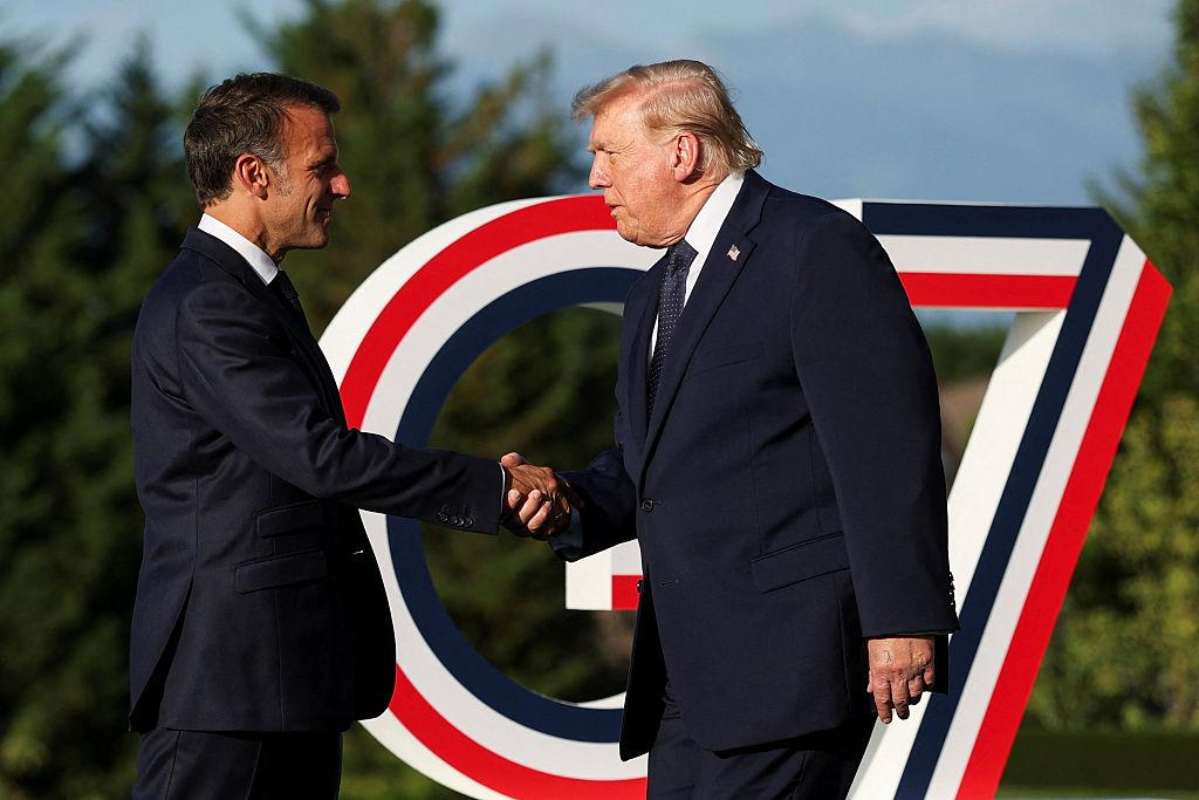
Perhaps the most striking aspect of the summit was what did not happen.
There was no visible rupture between Washington and its European allies.
No dramatic disagreement over Ukraine.
No public challenge to the sanctions strategy.
Instead, leaders repeatedly emphasized unity.
German Chancellor Friedrich Merz described the joint communiqué as a success.
The importance of that statement goes beyond diplomacy.
For many European officials, success was not simply the content of the agreement.
Success was achieving agreement at all.
Iran and Russia: Two Fronts, One Strategic Message
The summit also coincided with Trump’s signing of a memorandum of understanding aimed at ending the conflict involving Iran.
Taken together, the two developments reveal an emerging pattern.
On Russia, Trump is embracing greater pressure.
On Iran, he is simultaneously pursuing a diplomatic pathway.
The common denominator is strategic leverage.
The White House appears increasingly interested in projecting an image of American leadership capable of managing multiple geopolitical crises simultaneously.
For Europe, this creates both opportunities and risks.
A more engaged Washington strengthens Western deterrence.
But it also reinforces America’s central role in shaping outcomes across multiple theaters.
The Next Transatlantic Battleground: Artificial Intelligence
Ukraine was not the only issue exposing differences within the Western alliance.
Artificial intelligence emerged as another major fault line.
European governments pushed for stronger safeguards, particularly regarding child protection and platform accountability.
The United States remains more cautious, concerned that excessive regulation could undermine innovation and competitiveness.
The participation of OpenAI CEO Sam Altman, Anthropic’s Dario Amodei, DeepMind founder Demis Hassabis, and Mistral AI executives underscored the strategic significance of the debate.
The future of the transatlantic relationship will not be shaped solely by security and defense.
Technology governance is rapidly becoming a central arena of geopolitical competition.
The Versailles Diplomacy
The summit’s most symbolic moment came after the formal sessions ended.
Macron hosted Trump at the Palace of Versailles in a carefully choreographed display of political diplomacy.
The setting was hardly accidental.
Versailles provided the French president with an opportunity to reinforce European influence while simultaneously giving Trump the stage he enjoys.
The result was a striking image: a U.S. president often portrayed as skeptical of multilateralism ending a G7 summit surrounded by European leaders, signing agreements, discussing Ukraine and Iran, and reaffirming Western coordination.
The European Takeaway
From Brussels to Berlin, the conclusion is increasingly clear.
Europe did not fundamentally change Donald Trump.
But it may have succeeded in narrowing the gap between American and European strategic assessments of Russia.
That alone represents a meaningful diplomatic achievement.
The critical question now is whether this alignment proves durable or merely tactical.
Because if Évian marks the beginning of a more coordinated transatlantic approach toward Moscow, it could reshape the geopolitical balance surrounding Ukraine.
And for Europe, that would be one of the most significant strategic outcomes since the war began.
The real story of the G7 summit is not that Europe followed Washington.
It is that Washington moved closer to Europe.
For a continent increasingly forced to think in geopolitical terms, that may be the most important signal to emerge from Évian.
What European officials are quietly taking away from Évian:
- Trump signed a joint G7 communiqué on Ukraine.
- Washington endorsed stronger pressure on Russia.
- Western unity held despite fears of division.
- Europe demonstrated a greater capacity to influence U.S. strategic thinking than many expected.
“President Trump recognized that there is no serious willingness on the Russian side to engage in peace discussions.”
Emmanuel Macron
Source: pagenews.gr
Διαβάστε όλες τις τελευταίες Ειδήσεις από την Ελλάδα και τον Κόσμο