Plevris: “Every Measure on the Table” to Crush Smuggling Networks as Greece Tightens Border Strategy
 ΧΡΟΝΟΣ ΑΝΑΓΝΩΣΗΣ 3 '
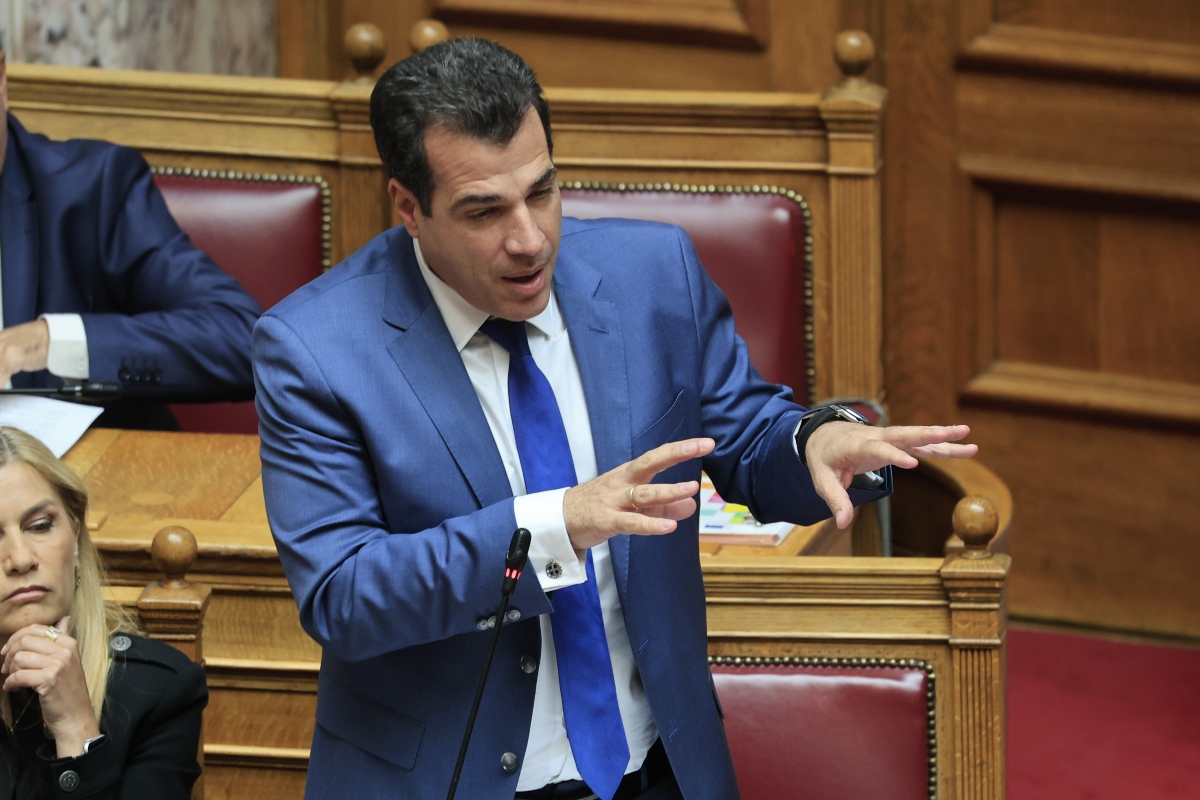
Πηγή Φωτογραφίας: eurokinissi//Plevris: “Every Measure on the Table” to Crush Smuggling Networks as Greece Tightens Border Strategy



Greece is signaling that it is prepared to deploy every available measure to prevent a resurgence of irregular migration from Libya, with Migration and Asylum Minister Thanos Plevris warning that human smuggling networks are constantly searching for new routes into Europe.
The government’s message comes as the migration surge in Spain’s Ceuta raises fresh concerns across the European Union, reinforcing Athens’ view that pressure can rapidly shift between Europe’s southern borders whenever traffickers identify operational opportunities.
Government Points to Sharp Drop in Arrivals
According to figures presented by Plevris, irregular sea arrivals from Libya to Crete fell by more than 60% in July 2026, dropping to fewer than 1,400 arrivals, compared with more than 3,500 during the same month in 2025.
The government attributes the decline to tighter border enforcement, intensified coast guard operations, closer diplomatic engagement with Libya, and stricter migration policies.
Officials also highlight broader migration indicators, noting that sea arrivals during the first seven months of 2026 were down by more than 35% year-on-year, while forced returns increased by approximately 40%, presenting the figures as evidence that Greece’s migration strategy is producing measurable results.
The Business Model Behind Illegal Migration
Greek authorities argue that disrupting the financial incentives of trafficking organizations remains central to migration control.
Investigations have shown that migrants traveling on the Tobruk–Crete route reportedly pay between €1,750 and €1,880 per person.
With hundreds of migrants arriving within a single day during peak periods, smuggling networks can generate hundreds of thousands of euros in revenue, explaining why criminal organizations continuously seek alternative routes whenever existing corridors become more difficult to operate.
EU Funding Supports Border Protection
Greece’s deterrence strategy is backed by substantial European Union funding.
For the 2021–2027 financial framework, the country has secured approximately €1.1 billion for external border management, alongside additional funding for asylum, migration, and internal security programs.
The resources finance new Coast Guard patrol vessels, surveillance systems, border infrastructure, reception facilities, and operational support aimed at strengthening the protection of the EU’s external frontier.

A Clear Warning to Smuggling Networks
Plevris has made clear that if migration pressure intensifies again, Athens is prepared to activate additional emergency measures, including enhanced border surveillance, expanded detention capacity, and tougher migration controls.
“Allowing an invasion into Europe in the name of humanitarianism is not compassion—it is a crime,”the minister wrote on X.
The government frames its current strategy as a continuation of the approach adopted during the 2020 Evros border crisis, arguing that robust border protection has since evolved into a broader European policy.
Greek officials now believe the next critical test will be whether trafficking networks accept declining profits or attempt to reopen the Libya–Crete corridor—or redirect migration flows toward other parts of the Eastern Mediterranean—as Europe continues to face mounting migration pressures.
Source: pagenews.gr
Διαβάστε όλες τις τελευταίες Ειδήσεις από την Ελλάδα και τον Κόσμο