Mytilineos to the FT: “Europe Risks Losing the Gallium Race” — METLEN’s Strategic Bet
 ΧΡΟΝΟΣ ΑΝΑΓΝΩΣΗΣ 6 '
Πηγή Φωτογραφίας: eurokinissi//Mytilineos to the FT: “Europe Risks Losing the Gallium Race” — METLEN’s Strategic Bet



Europe has spent years talking about strategic autonomy, critical raw materials and reducing its dependence on China. The real test, however, begins when European production actually reaches the market.
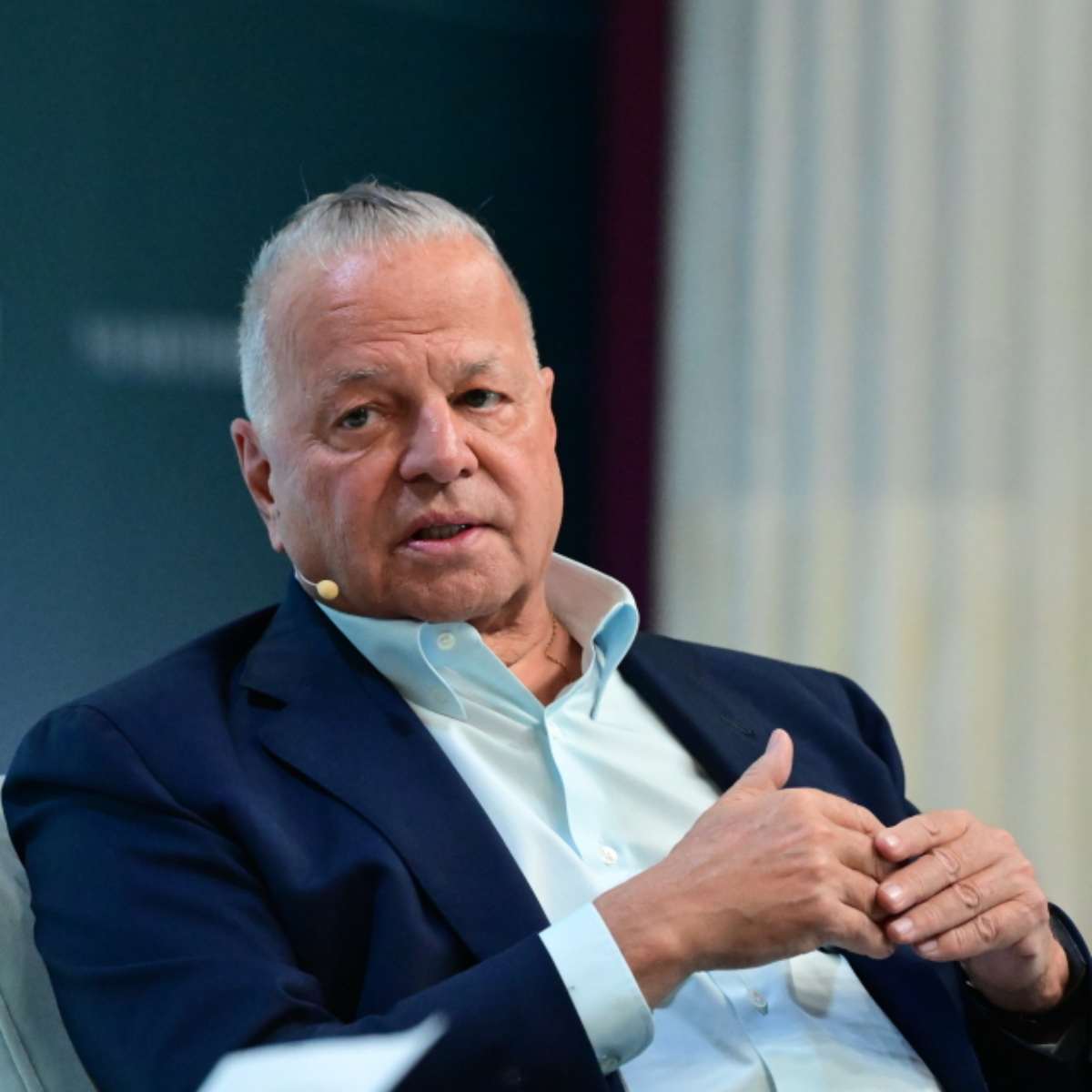
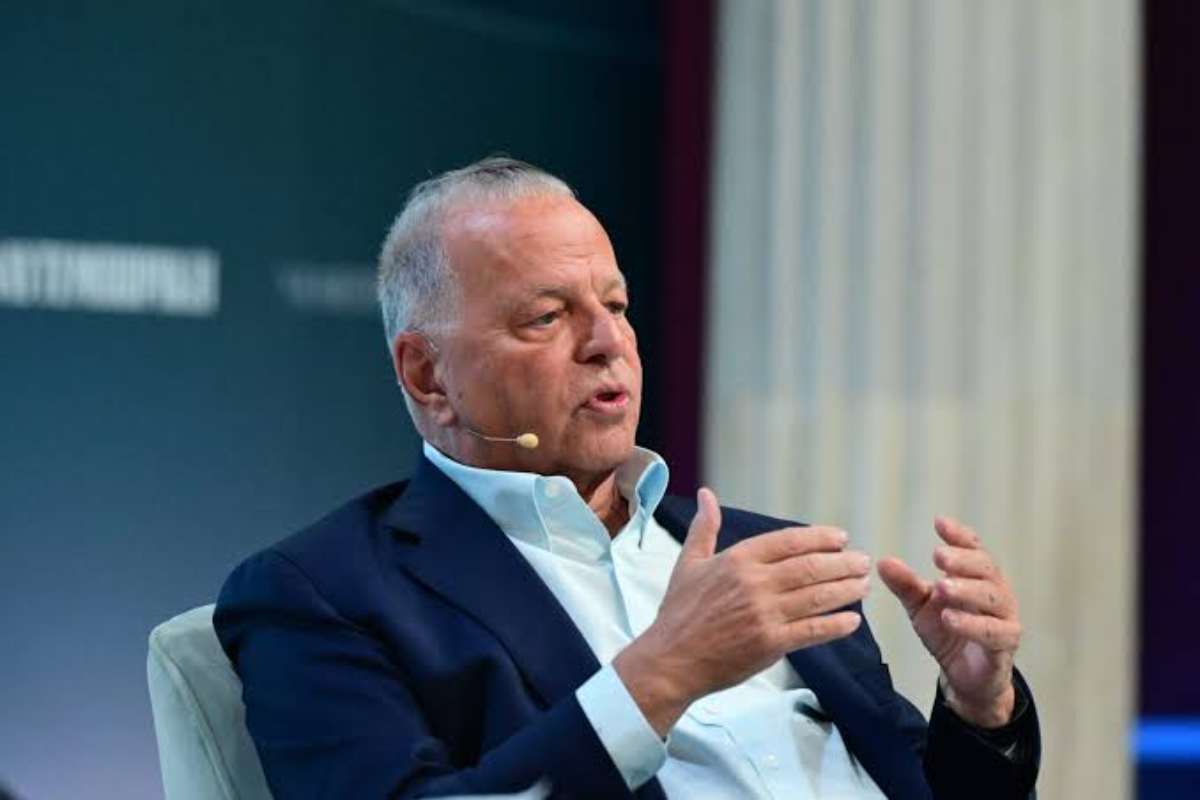
That is the message Evangelos Mytilineos is delivering through his interview with the Financial Times.
METLEN is positioning itself at the centre of a rare industrial opportunity: it plans to build annual gallium production capacity of up to 50 tonnes, an amount that, according to the company, could cover Europe’s entire current demand.
Yet the biggest challenge may not be producing the metal.
It may be whether Europe is willing to buy European gallium.
The Metal Behind AI, Semiconductors and Defence Systems
Gallium is moving rapidly to the centre of the geoeconomic battle over critical raw materials.
It is used in semiconductors and advanced technology systems, with critical applications ranging from radar and satellites to communications and defence technologies. Its role also connects it directly to the infrastructure underpinning the rapid expansion of artificial intelligence.
The problem for the West is the extreme concentration of global production in China.
This is precisely where METLEN’s Greek project acquires strategic significance.
The 50 Tonnes That Could Change Europe’s Supply Equation
METLEN has invested for years in research and technology enabling gallium recovery as part of bauxite processing.
The plan envisages annual production of up to 50 tonnes of high-purity gallium.
Initial production is expected to begin next year.
If the project reaches its planned capacity, METLEN says it could cover the whole of Europe’s current demand.
That turns what begins as a Greek metallurgical investment into a European strategic asset.
METLEN’s Competitive Weapon: Below $300 per Kilo
There is another dimension that makes the project particularly compelling from a business perspective: cost.
According to Mytilineos, METLEN’s current production cost is below $300 per kilogram.
At the same time, European gallium prices stand above $3,000 per kilogram.
And the company’s ambition goes significantly further: to reduce its production cost to around $100 per kilogram.
The strategy behind that target is critical.
One of the greatest risks facing any Western investment in critical raw materials is China’s ability to increase supply sharply, driving international prices lower and potentially making new competitors economically unviable.
Mytilineos argues that METLEN wants to establish a sufficiently low cost base to remain resilient even under such a scenario.
“We are not afraid of the Chinese — let them flood the market. It will kill everybody, not us,” he told the Financial Times.
Europe’s Paradox: It Wants Autonomy — But Who Will Buy?
This is where the central warning from METLEN’s Executive Chairman emerges.
Brussels wants European industry to reduce its dependence on China. But Europe has yet to establish the financing mechanisms, demand structures and long-term commercial commitments required to ensure that European production actually remains in the European market.
European companies continue, to a significant extent, to favour cheaper Chinese material.
The contradiction is becoming increasingly difficult to ignore.
Europe wants supply-chain security, but the market continues to reward the cheapest supplier.
And unless organised European demand emerges, METLEN’s gallium can simply move elsewhere.
25% of Planned Production Has Already Gone to the US
International buyers already appear more prepared to secure METLEN’s future output.
Around 25% of the planned 50 tonnes of annual production has already been sold to a US technology company, while two further potential agreements with buyers outside Europe are under consideration.
The message to Europe is clear.
Production capacity may be located in Greece, but that does not mean the metal will remain within European supply chains.
If the United States and Japan move faster with capital, contracts and long-term purchasing commitments, they can secure a significant share of the output before Europe develops equivalent demand.
The US and Japan Move Faster — Europe Is Still Searching for a Model
This is where gallium becomes part of a much larger story.
The United States and Japan are moving more decisively to secure their own critical-mineral supply chains.
Europe has set essentially the same strategic objective.
The question is whether it has the commercial and financial tools to turn that ambition into an effective industrial policy.
Because strategic autonomy cannot be secured simply by building a production facility.
Someone must finance the investment, someone must assume the commercial risk and, ultimately, someone must buy the output.
From Aluminium of Greece to European Geoeconomics
For METLEN, gallium opens a new dimension in its traditional metallurgy model.
The company is no longer looking only at bauxite, alumina and aluminium. It is using its vertical integration and industrial expertise to enter a metal that sits at the intersection of industry, technology, AI, defence and geopolitics.
That is where the business case becomes particularly significant.
If METLEN succeeds in producing 50 tonnes at a cost base capable of withstanding even aggressive Chinese pricing pressure, it will not simply have added another product to its portfolio.
It will have secured a position in one of the most strategic supply chains of the coming decade.
The paradox is that the greatest uncertainty may no longer be in Greece.
It may be in Brussels.
Europe has before it the prospect of domestic production capable of covering its current needs for a critical strategic metal. The question is whether it will build the market needed to keep that production in Europe — or whether European gallium will ultimately strengthen the supply chains of the United States and Asia instead.
Source: pagenews.gr
Διαβάστε όλες τις τελευταίες Ειδήσεις από την Ελλάδα και τον Κόσμο