IPTO: The Next-Generation Projects Redrawing Greece’s Energy Map
 ΧΡΟΝΟΣ ΑΝΑΓΝΩΣΗΣ 11 '



In the world of major infrastructure, time acquires a different value when it is transformed into projects. Cables crossing seas, islands emerging from energy isolation, new transmission lines, reduced dependence on fossil fuels, lower costs for consumers, and a country assuming a different position on the regional and European energy map.
This is the story of IPTO’s past nine years.
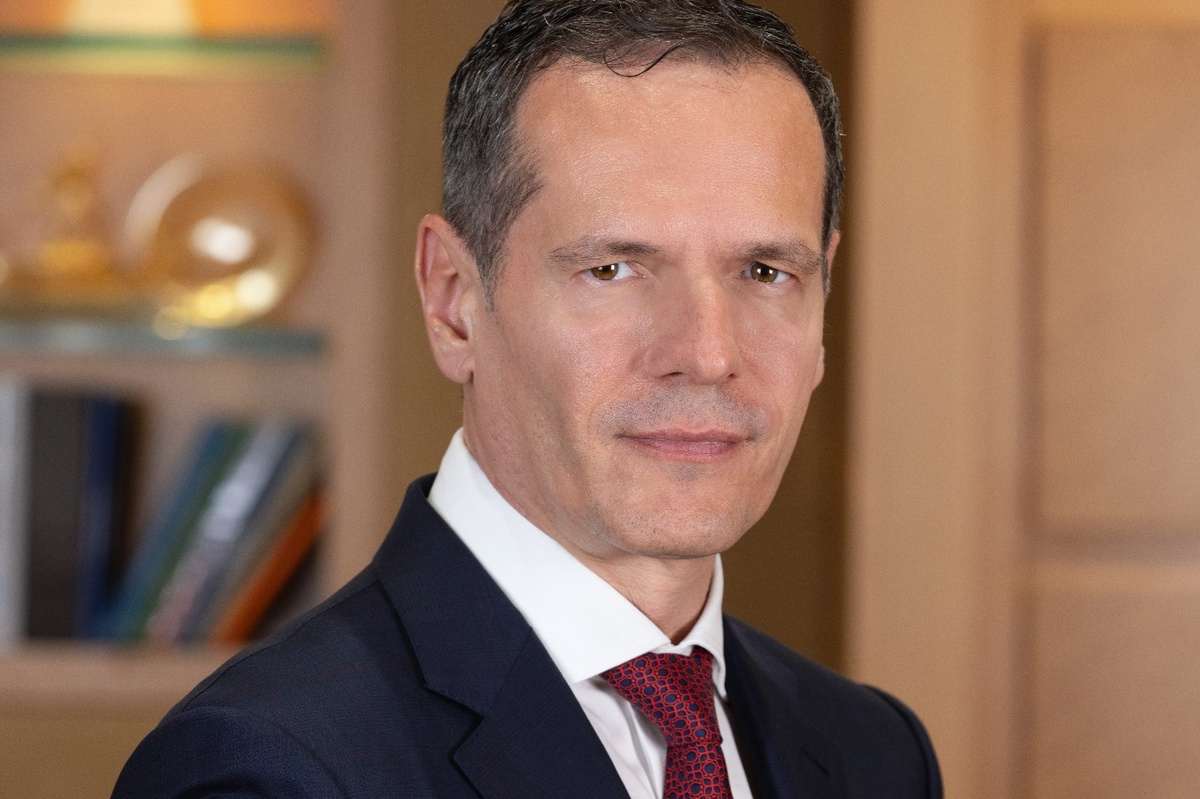
A period closely associated with Manos Manousakis’ leadership of the Operator and an exceptionally dense cycle of electricity infrastructure development.
Greece’s energy transition now runs, to a large extent, through its grids. And IPTO stands at the point where energy security, the green transition, investment and the country’s upgraded position in the European electricity market converge.
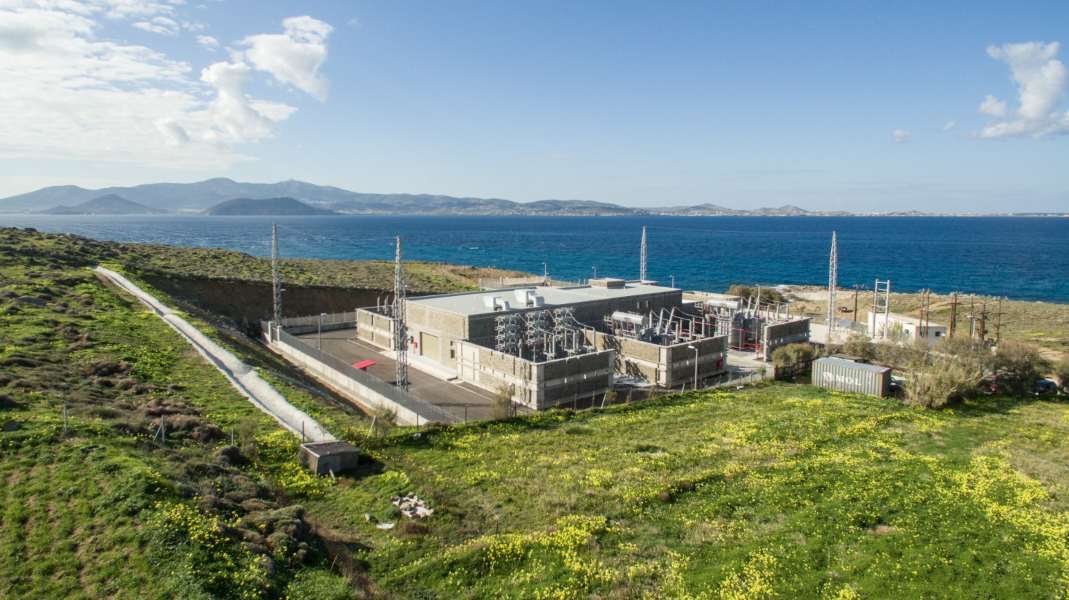
From Planning to Execution
Major electricity interconnections are not conventional construction projects.
They require years of planning, advanced technical expertise, complex permitting, significant capital, international suppliers and strong management capabilities.
Above all, however, they require continuity in execution.
From 2020 onwards, the interconnections in the northern Cyclades, Skiathos and the Crete–Peloponnese link progressed continuously, strengthening the energy security of the island regions they serve.
At the same time, upgrades to existing interconnections in the Ionian and Aegean Seas moved forward, alongside projects strengthening the mainland transmission backbone from the Peloponnese to northern Greece.
This created something particularly important for an infrastructure organisation: a track record of execution.
And it is on this track record that the next phase is now being built.
01 | Northern Cyclades
The Beginning of a Different Energy Geography
The interconnection of the northern Cyclades marked one of the key chapters in Greece’s new electricity map.
Islands with strong tourism growth and intense seasonal demand gained a more robust connection to the mainland system.
From 2018 onwards, Paros, Syros, Mykonos and Naxos were integrated into the mainland high-voltage system.
At the same time, the Evia–Andros and Andros–Tinos subsea cable links were upgraded.
The transition had already begun: from energy isolation to interconnection.
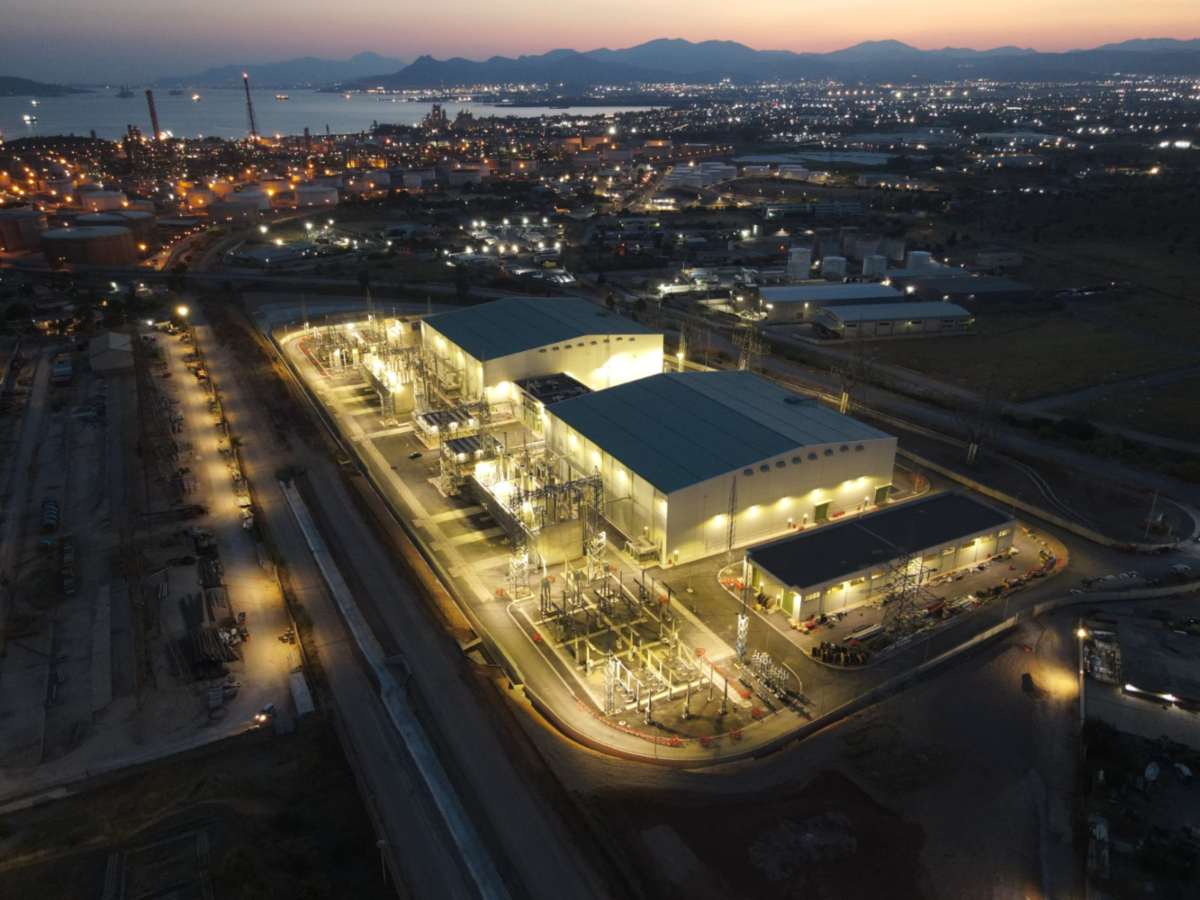
02 | Skiathos
Another Island Joins the Unified System
Skiathos represents another link in the chain of projects that strengthened energy security across Greece’s island regions.
It was a milestone project for the Sporades, reinforcing secure electricity supply to the island cluster, particularly during the summer months when demand rises sharply because of the tourism season.
Each individual interconnection may be smaller than the mega-projects that followed, but all serve the same strategy: fewer energy islands, a larger unified grid.
03 | Crete–Peloponnese
The First Major Step for Crete
The first interconnection of Crete with the mainland system via the Peloponnese marked a decisive turning point.
For the first time, Greece’s largest island ceased to depend exclusively on its autonomous electricity system.
It was both a technically demanding project and the first major step towards fully ending Crete’s energy isolation.
04 | Crete–Attica
The Largest Electricity Transmission Project Ever Implemented in Greece
May 2025 marked a historic milestone for the Greek electricity system.
Crete’s second electricity interconnection with mainland Greece, via Attica, entered operation.
The project was implemented by IPTO’s subsidiary, Ariadne Interconnection, and its completion permanently ended Crete’s energy isolation from the mainland system, ensuring that the island’s electricity needs can be met throughout the year and regardless of demand.
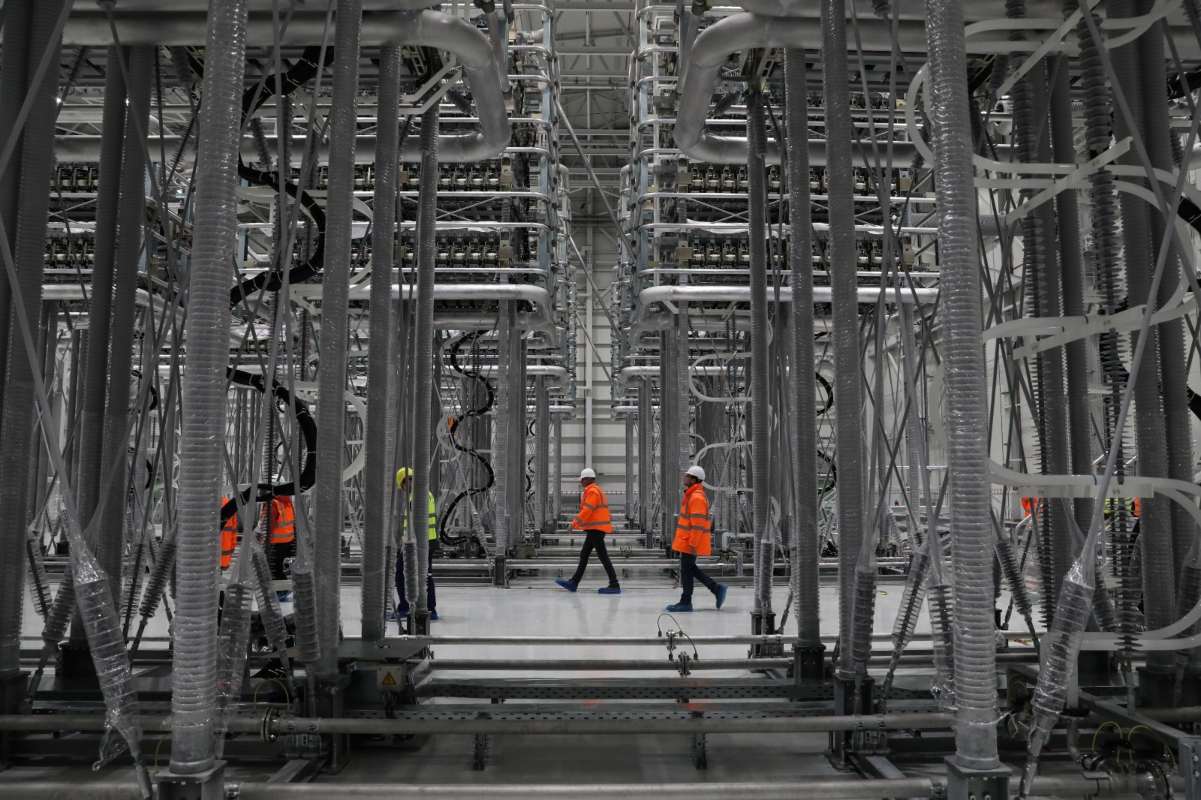
From a Greek Mega-Project to a European Case Study
The significance of the Crete–Attica interconnection extended beyond Greece’s borders, with the project included among the 25 most important projects across Europe in the REGIOSTARS Awards competition.
For IPTO, this recognition adds another credential to an Operator moving from the construction of major national projects towards the implementation of an increasingly internationalised investment programme.
05 | Southern Cyclades
Santorini, Folegandros, Milos and Serifos Join the Mainland Electricity System
The final link in the Cyclades interconnection chain was added in June 2026, with the construction completion of the Southern Cyclades interconnection.
Santorini, Folegandros, Milos and Serifos are being integrated into the mainland electricity system via Attica.
This represents the fourth and final phase of a broader project, creating an additional robust supply route for the Cyclades island complex.
An entire island region is entering a new energy era.
06 | The Electricity Backbone
The Transformation Is Not Taking Place Only Beneath the Sea
The transformation of Greece’s electricity system is not limited to subsea cables.
Alongside the island interconnections, upgrades and reinforcement of the mainland electricity backbone are progressing from the Peloponnese to northern Greece.
It is the less visually spectacular, but absolutely critical, side of the energy transition.
The more renewables, storage and new electricity loads enter the system, the greater the strategic importance of the power grid becomes.
The electricity grid is the foundation of the energy transition.
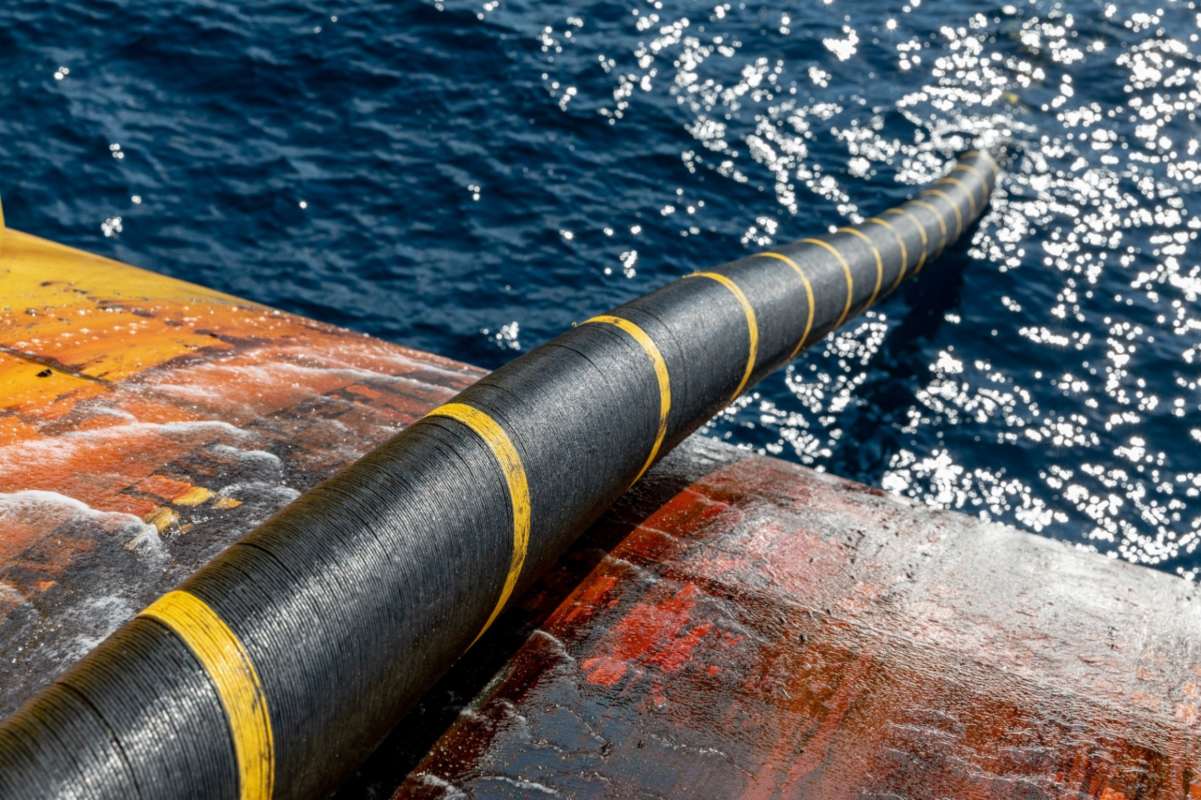
The Next Step
The successful €1 billion share capital increase, completed in June 2026, provides the financial foundation for IPTO’s next major development cycle.
A Ten-Year Development Plan that includes:
- the Dodecanese interconnection,
- the North Aegean interconnection,
- the second interconnection with Italy.
Greece’s electricity map is beginning to connect with a much larger European one.
07 | Dodecanese
1,290 Kilometres of New Energy Geography
The Dodecanese electricity interconnection will begin in Corinth.
From there, Kos is planned to be connected through a high-voltage direct current — HVDC — cable system.
The total length of the cable system will reach 1,290 kilometres.
The project also includes the interconnection of Kos with Rhodes and Karpathos through high-voltage alternating current subsea cables.
The tender for the supply of the Corinth–Kos cables has been completed, while the tender process for the Converter Stations is underway.
08 | North Aegean
Five More Islands Join the Interconnected System
Limnos, Lesvos, Chios, Samos and Skyros form the second major island axis of the next phase.
The islands are expected to be integrated into the interconnected system through high-voltage cables, while tender procedures for cables and substations are already underway.
As the Dodecanese and North Aegean projects advance, another major part of Greece’s island territory will move into the unified electricity system.
09 | GRITA 2
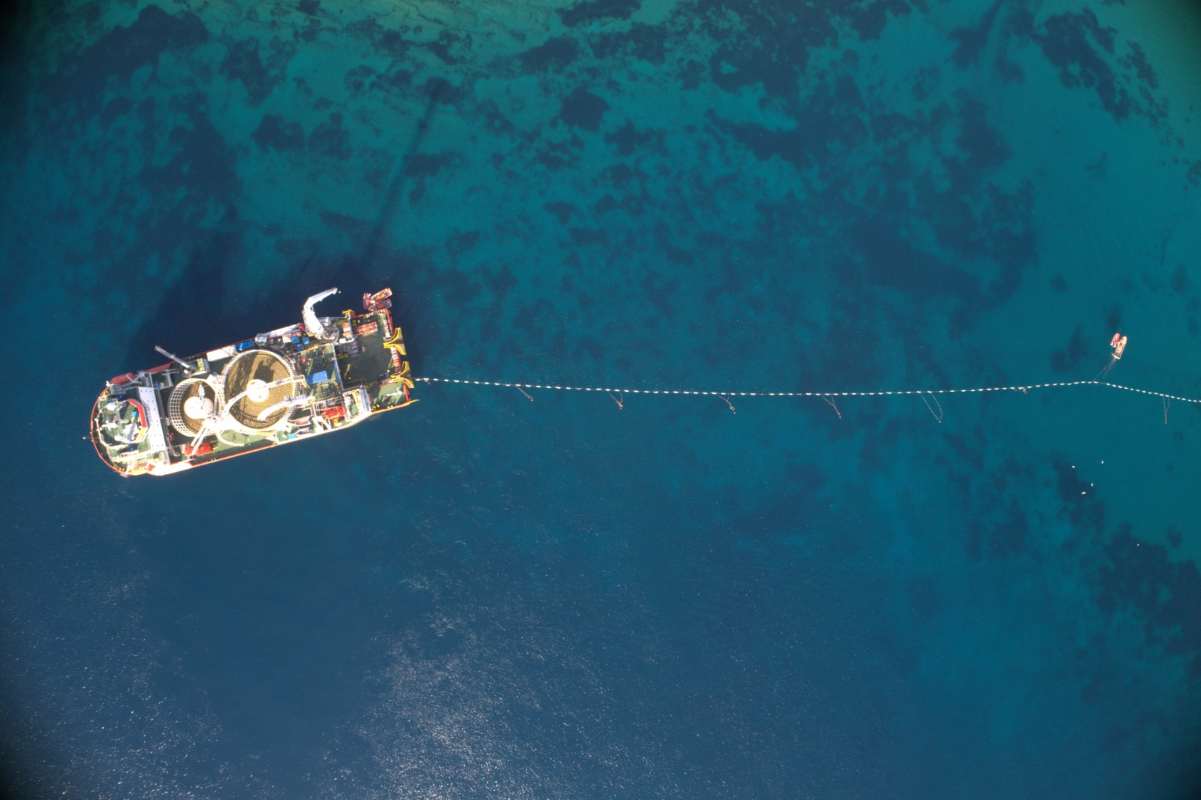
The New Electricity Bridge Between Greece and Italy
The ninth milestone now looks beyond Greece’s borders.
In 2025, IPTO and Italian transmission system operator Terna signed a Memorandum of Cooperation in Rome, during the Italy–Greece Intergovernmental Summit, for the second electricity interconnection between the two countries.
GRITA 2 provides for a new bidirectional 1,000 MW subsea direct-current interconnection, approximately 240 kilometres long.
The objective is particularly significant:
to triple the current electricity exchange capacity between Greece and Italy.
The two Operators have already launched the tender for seabed surveys and initiated procedures for the required environmental studies and permitting.
GRITA 2 is also included in the European Union’s second list of Projects of Common and Mutual Interest.
From National Infrastructure to European Energy Highways
The Business Value Behind the Projects
The real value of infrastructure projects is measured when a project has been financed, constructed, connected and brought into operation.
This is what IPTO has achieved over the past nine years: a chain.
STRATEGY → FINANCING → TENDERS → CONSTRUCTION → DELIVERY → OPERATION
A significant part of an infrastructure leader’s management value is determined across this chain.
For IPTO, this continuity becomes even more important now, as the next generation of projects is larger and more internationalised.
From the Islands to Europe
The Grid Becomes Productive Capital
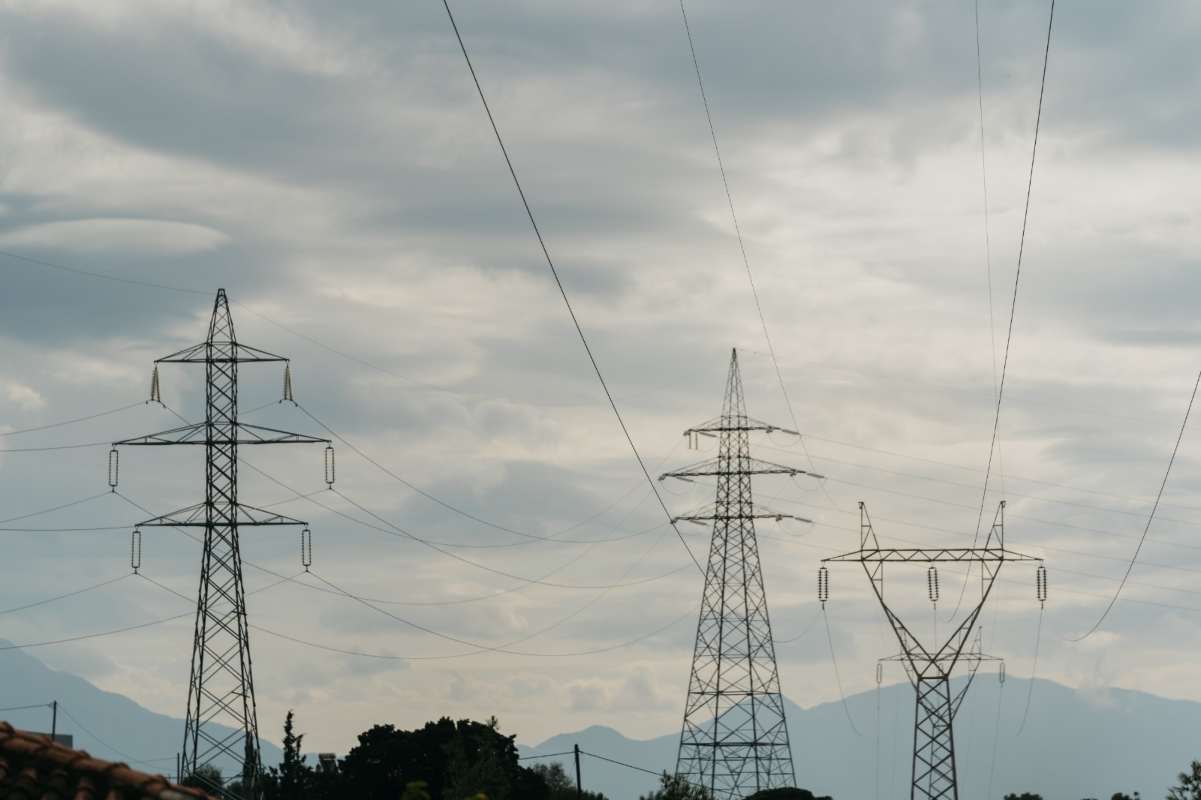
For years, electricity grids remained in the background of the public debate on energy.
The energy transition is changing that balance.
The more renewable generation is added, the greater the need for grids capable of transporting it.
The more transport, industry and the economy become electrified, the greater the strategic importance of electricity infrastructure.
The same applies to storage, data centres and new energy-intensive investments.
Without available grid capacity, new generation and new demand struggle to connect.
Without strong transmission lines, green electricity cannot move efficiently from production areas to demand centres.
Without international interconnections, markets have less room for cross-border exchanges.
The grid therefore ceases to be merely a technical infrastructure asset.
It becomes productive capital for the economy.
From an Energy “Edge” to a Regional Hub
For decades, geography posed a challenge to the Greek electricity system.
Numerous islands, long maritime distances, autonomous systems and high generation costs.
In the new energy era, even that same geographical position can be transformed into an advantage.
Located between the Eastern Mediterranean, the Balkans and the European market, Greece can acquire greater economic and strategic value through new domestic and international electricity interconnections.
GRITA 2 is a characteristic example of this transformation.
It is not simply another subsea interconnection.
It is about deeper integration of the Greek market into a European system in which cross-border electricity flows are becoming increasingly important.
IPTO’s Next Challenge
The Greece of 2017 and the Greece of 2026 do not have the same electricity map.
Crete is now interconnected with the mainland system, the Cyclades have entered a different energy reality, multiple island interconnections have been completed and approximately €4 billion has been invested over the past nine years.
A new €6 billion cycle is now opening, encompassing the Dodecanese, the North Aegean, Italy, new grids, more renewables and greater cross-border flows.
The defining word of the first nine years was execution.
The next phase will be judged by scale.
And the challenge is now different: IPTO must transform the operational experience gained from Greece’s major infrastructure projects into the ability to deliver a much larger investment programme.
While the success of previous projects is not an automatic guarantee for those that follow, it nevertheless represents a significant track record.
If the new cycle develops according to plan, the result will not simply be a larger Transmission System Operator.
It will be a different electricity system.
A Greece with greater energy security, greater capacity to integrate clean energy and stronger connections with European markets.
And for Manos Manousakis, the legacy of this period will be judged precisely there: not only by the scale of investment, but by the projects that moved from planning to the sea, from the sea to the grid, and from the grid into the economy.
The first nine years changed the map. The next will determine Greece’s position on it.
Διαβάστε όλες τις τελευταίες Ειδήσεις από την Ελλάδα και τον Κόσμο