Trump Didn’t Get Greenland — But He Got the Key to Arctic Security
 ΧΡΟΝΟΣ ΑΝΑΓΝΩΣΗΣ 7 '
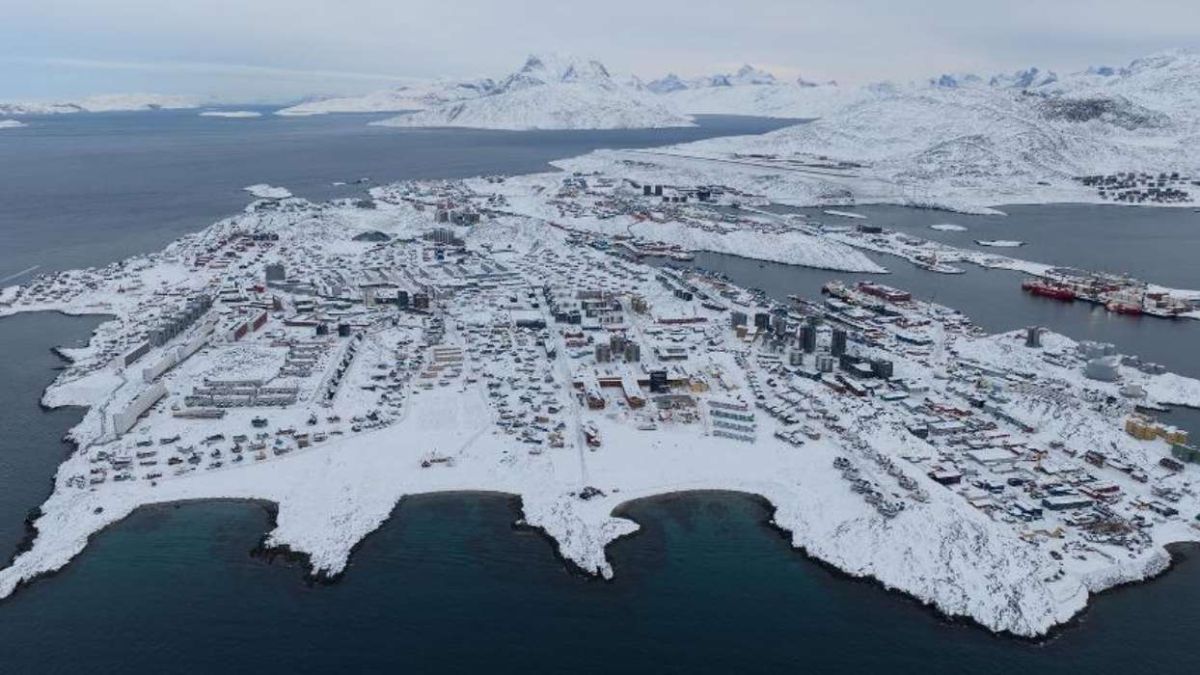
Πηγή Φωτογραφίας: AP Photo//Trump Didn’t Get Greenland — But He Got the Key to Arctic Security



The long-running dispute over Greenland appears to be heading toward a compromise that allows both Washington and Copenhagen to claim victory.
Donald Trump is not getting Greenland.
Sovereignty over the island is not being transferred to the United States, nor is Washington annexing or purchasing the territory.
But the US appears to have secured much of what it wanted at the strategic level: a stronger and more permanent role in Greenland’s security, greater freedom to expand its military footprint, and new safeguards designed to prevent Russia and China from gaining sensitive strategic positions on the island.
Trump claims “permanent” security control
The US president presented the agreement in characteristically triumphal terms, arguing that Washington had secured an enduring role in Greenland’s defense.
Under the emerging arrangement, the United States would strengthen its ability to prevent geopolitical rivals from developing military infrastructure or acquiring strategically sensitive assets on the island.
Washington’s priorities include ensuring that:
- Russia cannot establish a significant military presence;
- China is prevented from acquiring strategically important infrastructure;
- the US can expand its existing defense facilities when required;
- Greenland becomes more deeply integrated into American missile-defense and Arctic-security planning.
That falls short of ownership.
Strategically, however, it is far from insignificant.
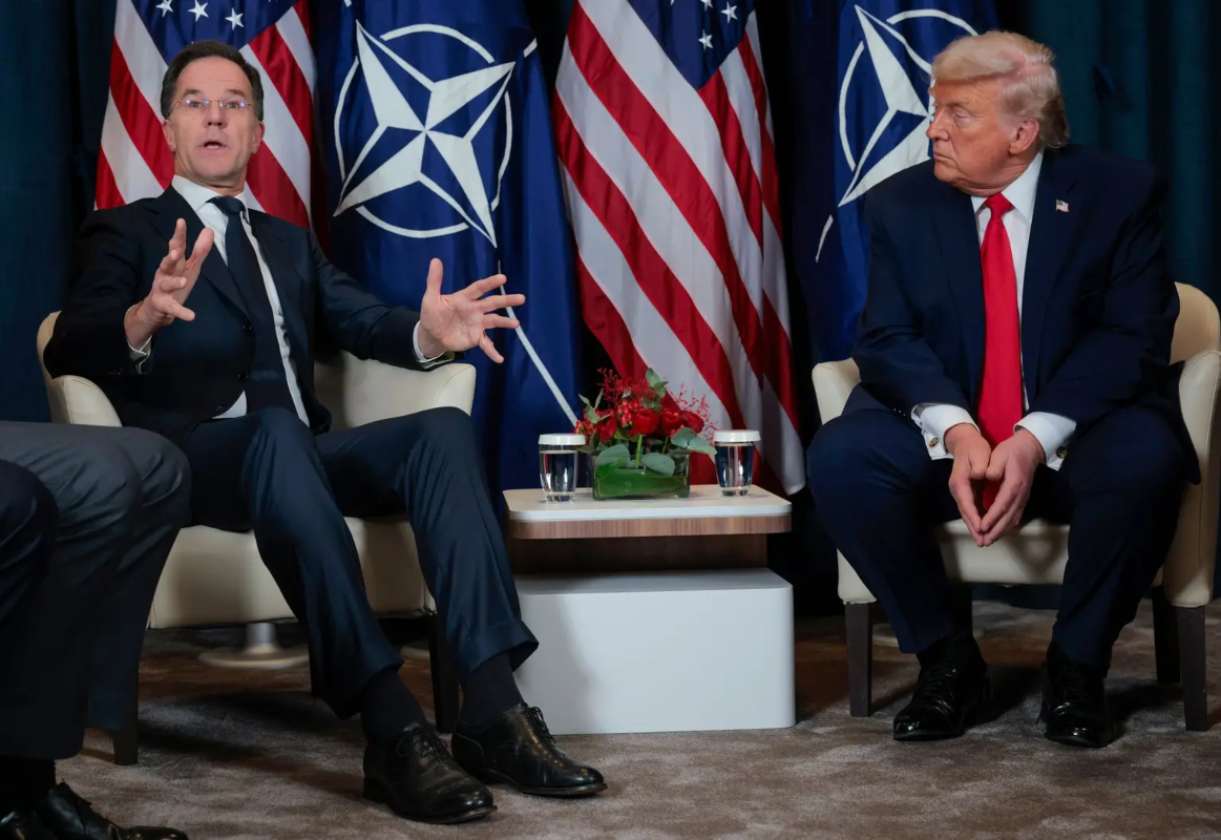
Denmark’s red line: sovereignty does not change
Copenhagen is emphasizing a very different part of the deal.
Prime Minister Mette Frederiksen has stressed that the agreement does not alter the sovereignty or territorial integrity of the Kingdom of Denmark.
The Danish government says the framework explicitly recognizes the kingdom’s sovereignty, Greenland’s territorial status and Greenlanders’ right to self-determination.
That distinction matters.
Denmark and Greenland had repeatedly rejected Trump’s earlier suggestions that the United States could purchase, control or otherwise take possession of the island.
The compromise therefore allows Copenhagen to maintain its central political red line while giving Washington substantially more room on security.
Neither annexation nor the old status quo
The result is something in between.
Greenland remains part of the Kingdom of Denmark.
But the strategic balance on the island shifts further toward the United States.
Trump did not achieve his most maximalist objective — acquiring Greenland itself — but Washington has strengthened its ability to shape what happens there in areas considered critical to US national security.
That distinction may ultimately be more important than the question of formal ownership.
Why Greenland matters so much to Washington
Geography explains much of the pressure.
Greenland occupies an extraordinary strategic position between North America, the Arctic Ocean and Russia.
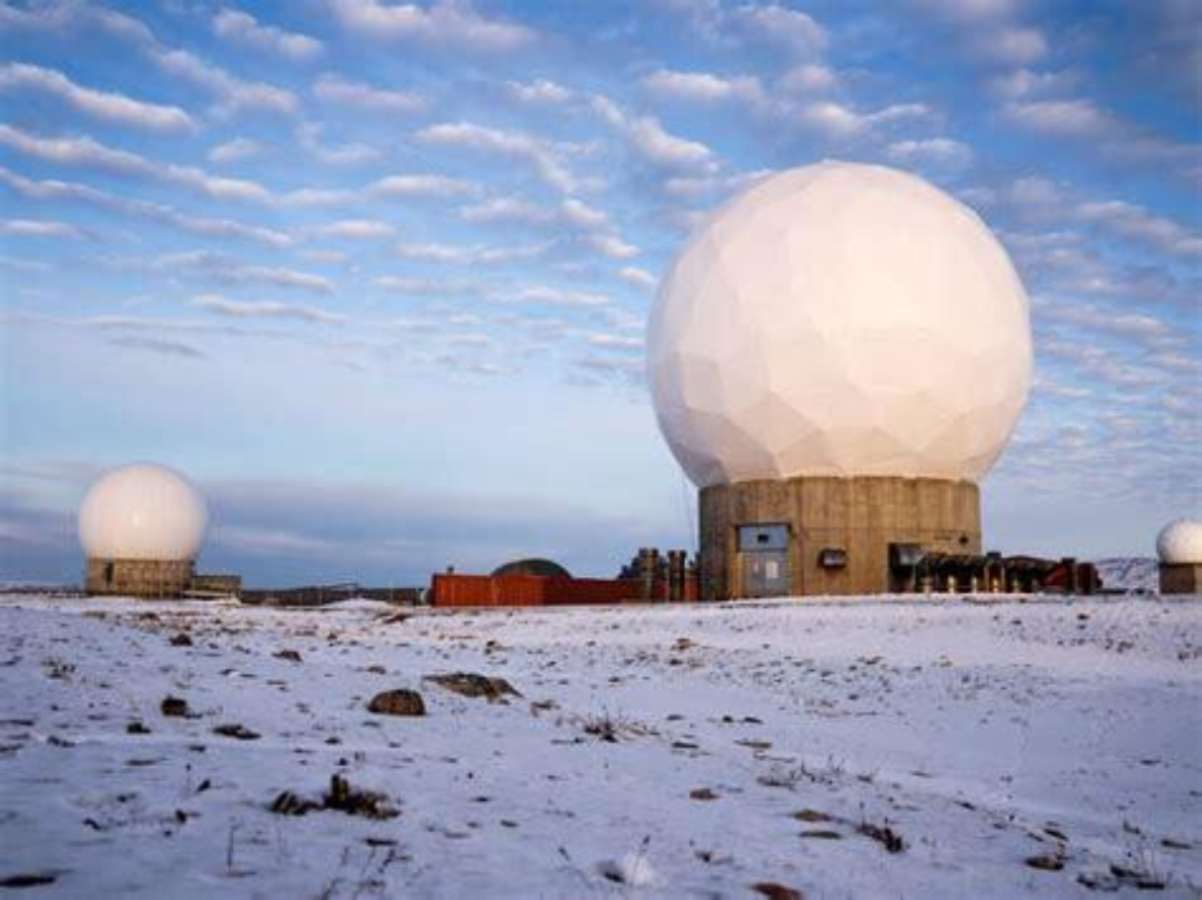
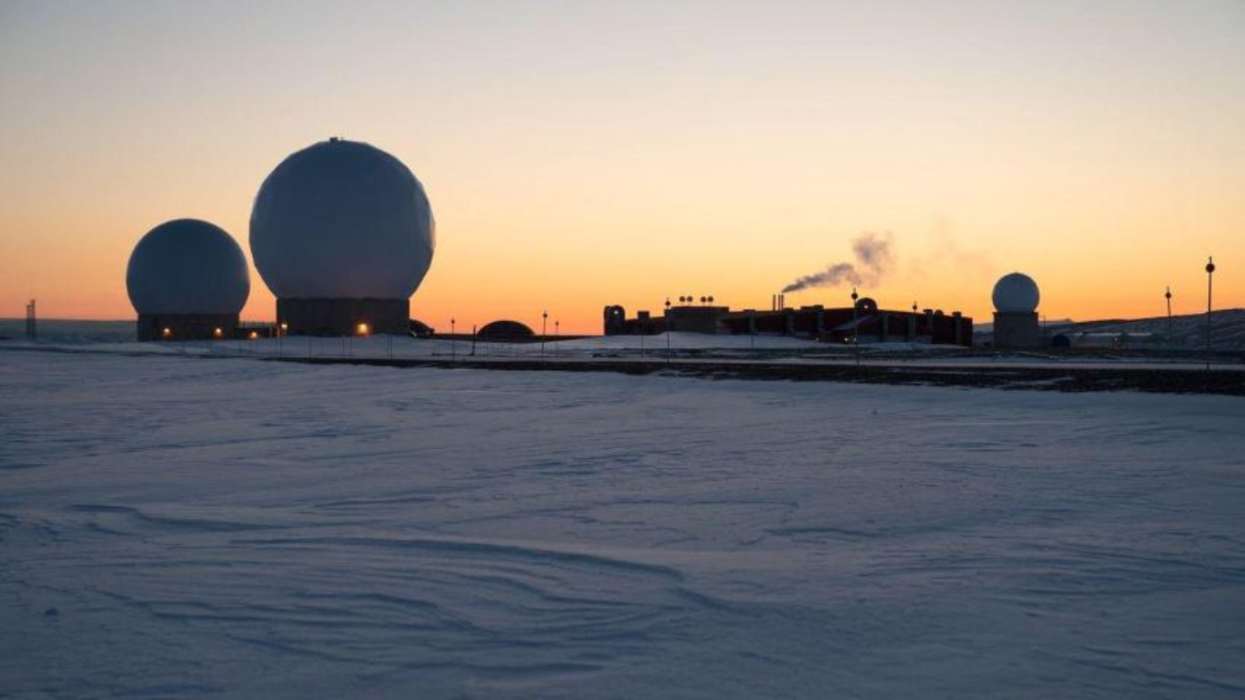
The United States already operates Pituffik Space Base there, its northernmost military installation, which plays an important role in missile warning, space surveillance and missile defense.
During the Cold War, Washington maintained a much broader military network across Greenland.
Today, the US footprint is far smaller.
The new agreement creates room for that presence to expand again as the Arctic becomes more heavily militarized and strategically contested.
China is also in Washington’s sights
The agreement is not only about Russian submarines, aircraft and missiles.
China is an equally important part of the equation.
US policymakers have long worried that Chinese investment in Greenlandic mining, ports, telecommunications or other critical infrastructure could eventually translate into strategic leverage.
That is why restrictions on sensitive investments by geopolitical competitors form an important part of the emerging security architecture.
The objective is straightforward: prevent economic access from becoming strategic access.
The Arctic is entering a new geopolitical era
Greenland’s importance is rising because the Arctic itself is changing.
Melting sea ice is gradually opening new shipping routes and making natural resources more accessible.
That has implications for:
- maritime trade;
- critical minerals;
- military mobility;
- submarine operations;
- surveillance;
- missile defense;
- and control of key northern infrastructure.
Russia already possesses by far the largest Arctic military footprint.
China describes itself as a “near-Arctic state” and has steadily expanded its diplomatic and economic ambitions in the region.
Washington has no intention of allowing either power to gain a strategic foothold in Greenland.
Europe is also moving
The European Union has also intensified its engagement.
European Commission President Ursula von der Leyen visited Greenland earlier this month and announced a new €200 million partnership, while Brussels has proposed around €530 million in support for Greenland under the EU’s next long-term budget for 2028–2034.
The message from Brussels is clear: Europe does not want Greenland to become exclusively an arena for US-Russia-China competition.
That makes the island increasingly important not only to NATO but also to the EU’s broader debate about strategic autonomy.
A NATO crisis turns into a compromise
The deal may also ease what had become an extraordinary dispute inside NATO.
Trump’s repeated suggestions that the United States should acquire Greenland had created deep tension with Denmark, a fellow NATO member.
Copenhagen and Nuuk had made clear that any change to Greenland’s political status without their consent would be unacceptable.
The new arrangement gives Washington substantially more operational and strategic room without formally challenging Danish sovereignty.
Frederiksen has consequently presented the deal as strengthening Arctic and North Atlantic security while remaining compatible with Denmark’s NATO and European commitments.
The next step: New York
The agreement is expected to be formally signed around the United Nations General Assembly in New York.
After signature, it will still have to pass through the relevant political and legal procedures in Denmark and Greenland before becoming fully effective.
That means the political framework appears settled, but many important details will only become clear once the full text is available.
The precise scope of US basing rights, investment restrictions and long-term security arrangements will matter enormously.
Trump did not get Greenland — he got much of its strategic value
The final picture is more complicated than a simple win or defeat.
Denmark and Greenland keep sovereignty.
Trump does not get ownership of the island.
But the United States gains a deeper security role, stronger leverage over strategic access and greater ability to block Russian and Chinese involvement.
That may prove more consequential than a change of flag.
Washington did not acquire Greenland on the map.
It secured a far stronger hand over who can use Greenland — and for what — in the emerging battle for the Arctic.
Source: pagenews.gr
Διαβάστε όλες τις τελευταίες Ειδήσεις από την Ελλάδα και τον Κόσμο