Georgiadis from Abu Dhabi: “The Emirates Live in the 22nd Century, We Are Still in the 21st”
 ΧΡΟΝΟΣ ΑΝΑΓΝΩΣΗΣ 9 '
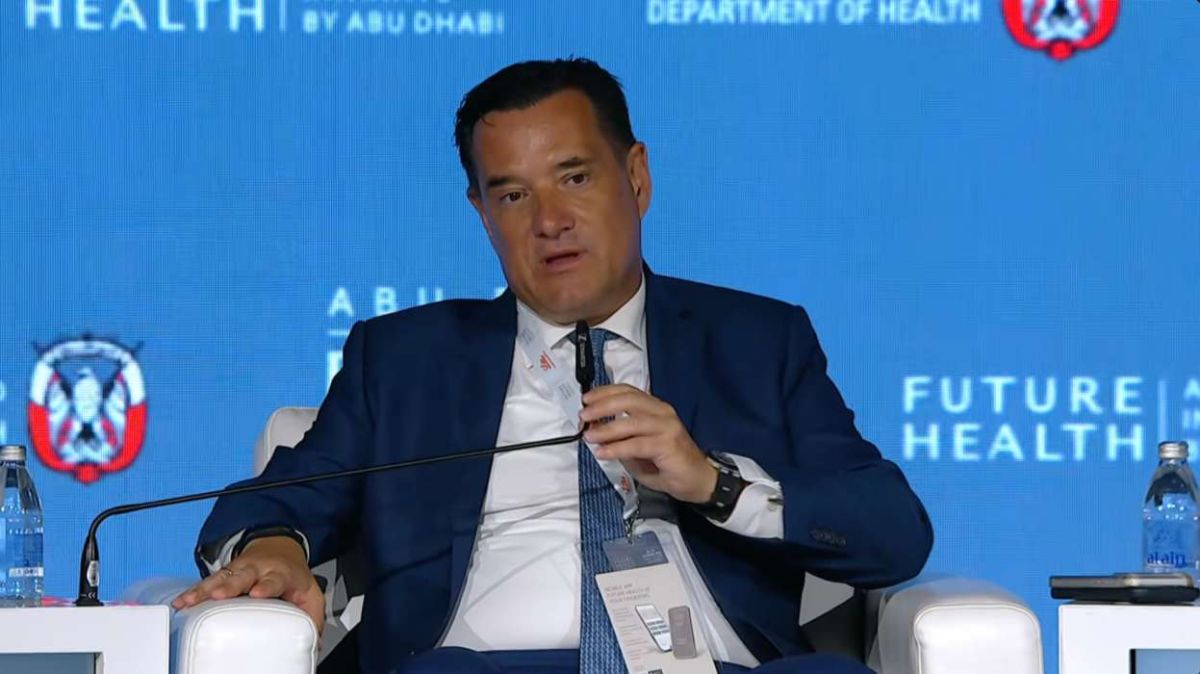
Πηγή Φωτογραφίας: Georgiadis from Abu Dhabi: “The Emirates Live in the 22nd Century, We Are Still in the 21st”



Greece is accelerating its transition toward a new era of healthcare, with digital technology, predictive medicine, and data-driven decision-making at the heart of its reform agenda.
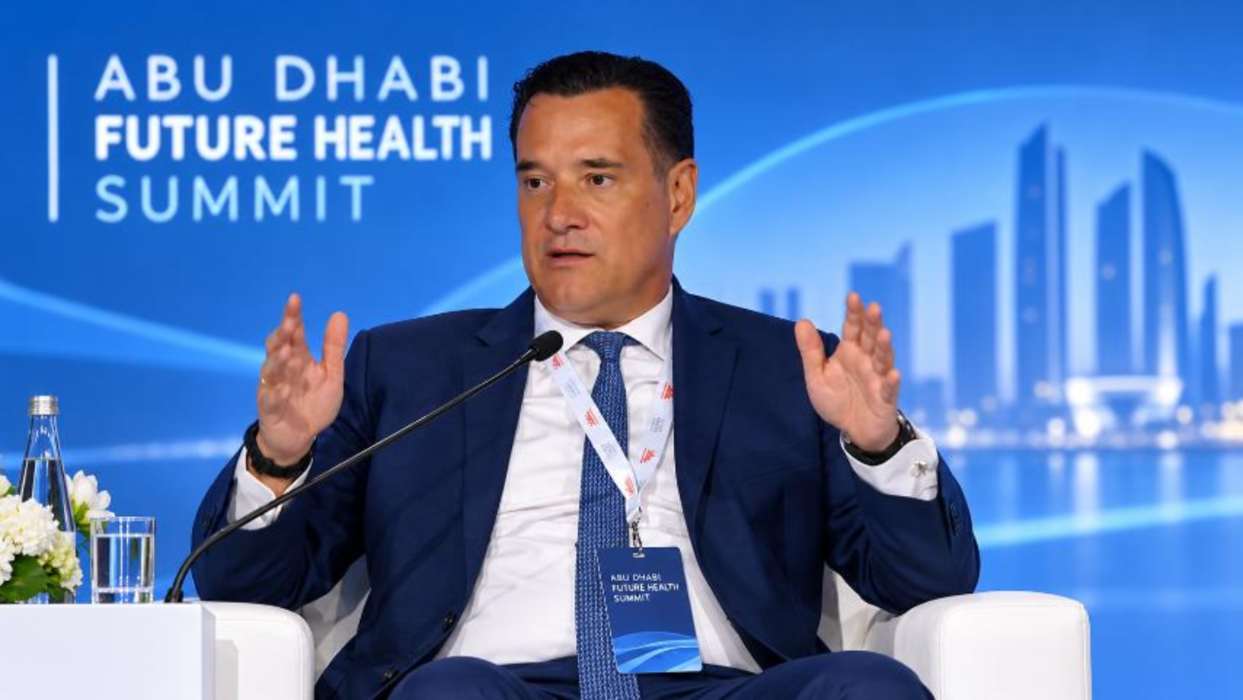
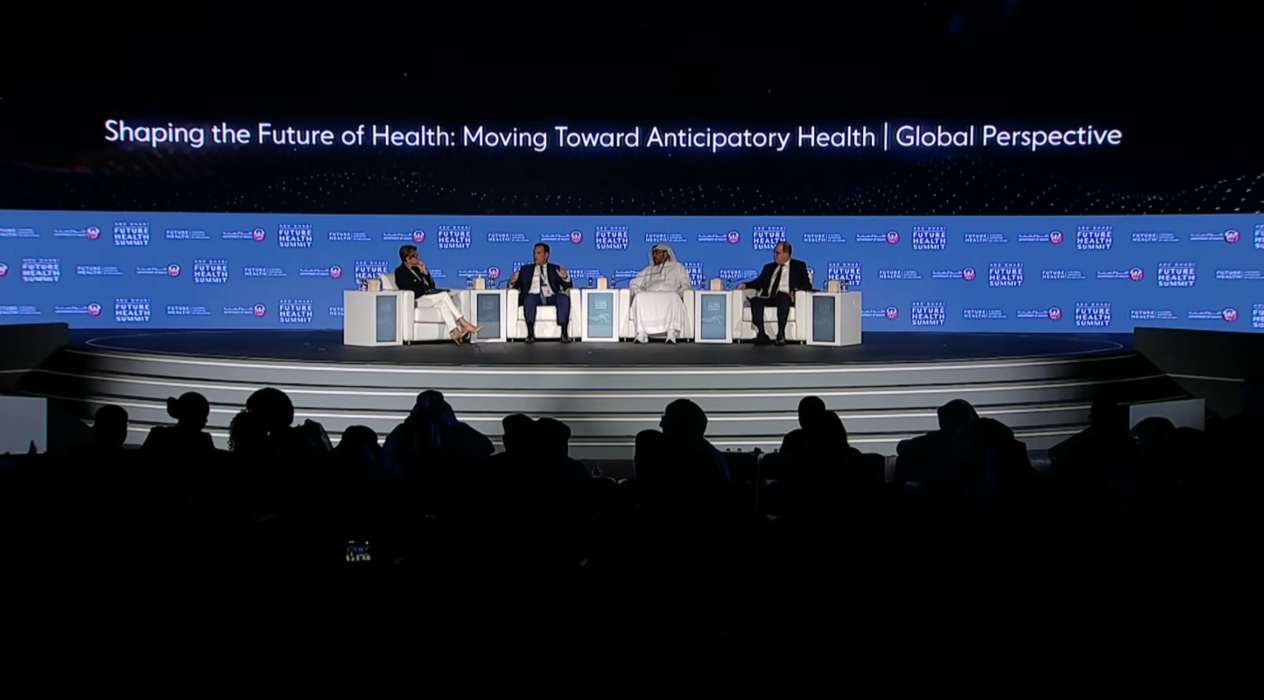
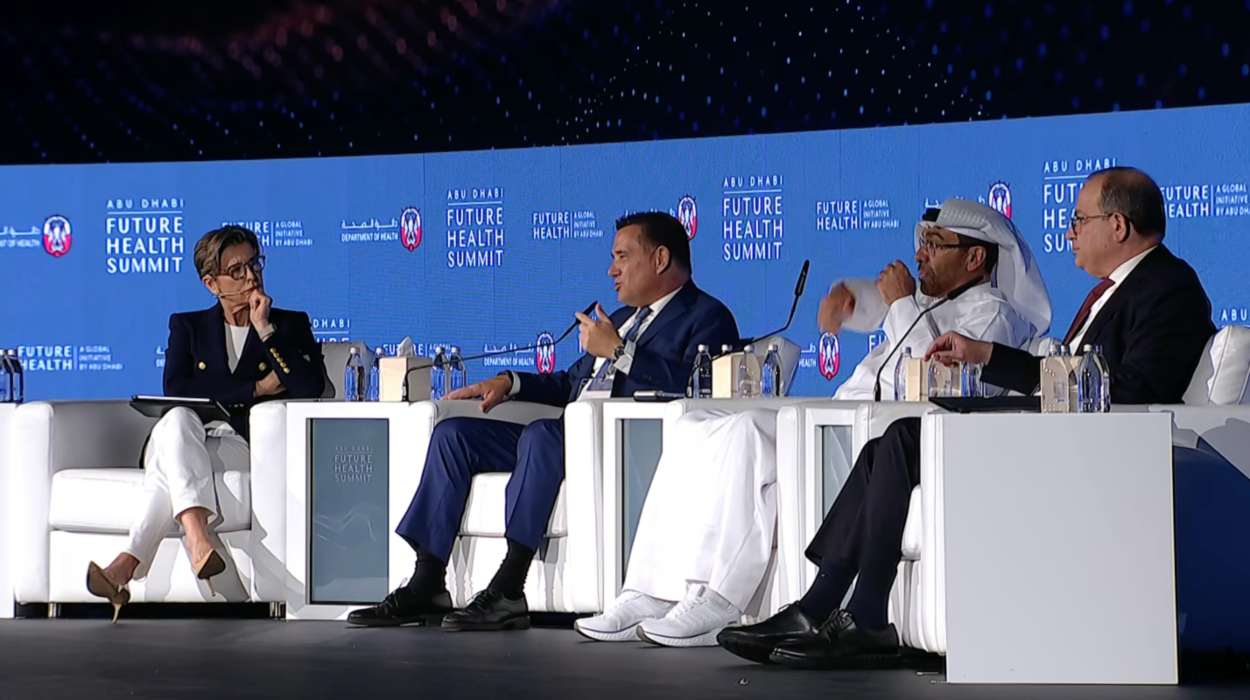
That was the central message delivered by Greek Health Minister Adonis Georgiadis during his intervention at the Future Health Initiative in Abu Dhabi, where he presented the Greek government’s efforts to modernize the National Health System (ESY) and prepare it for the medical challenges of the coming decades.
Speaking before an international audience, Georgiadis praised the technological achievements of the United Arab Emirates, revealed how a previous visit to Abu Dhabi influenced his approach to healthcare reform, and described the changes Greece is pursuing under Prime Minister Kyriakos Mitsotakis.
His remarks focused on a fundamental transformation: moving healthcare away from a system that primarily responds to illness toward one capable of identifying risks before diseases develop.
“The Emirates Live in the 22nd Century. We Are Still in the 21st”
One of the most striking moments of Georgiadis’s intervention came when he compared the technological development of the United Arab Emirates with that of European healthcare systems.
“I always say that the United Arab Emirates are living in the 22nd century. We are still in the 21st,” he remarked, according to the translated transcript of his speech.
The Greek minister expressed admiration for the UAE’s healthcare infrastructure, technological innovation, and willingness to share its achievements with international partners.
He also praised the country’s approach to international cooperation, emphasizing the importance of making technological progress available beyond national borders.
For Georgiadis, however, the comparison was more than a diplomatic compliment.
It was directly connected to a decision he said he made following an earlier visit to Abu Dhabi.
The Meeting with Mitsotakis: “We Must Digitalize Healthcare as Quickly as Possible”
The minister revealed that his experience of the Emirates’ advanced healthcare infrastructure had prompted him to raise the issue of digital transformation with the Greek prime minister.
“When I returned, I went to the Prime Minister and said that we must digitalize our healthcare system as quickly as possible,” Georgiadis explained.
The reference to Kyriakos Mitsotakis highlighted the political dimension of Greece’s healthcare modernization strategy.
According to the minister, digital transformation became a central priority in the government’s efforts to improve the accessibility, organization, and efficiency of public healthcare services.
Georgiadis presented the expansion of digital healthcare infrastructure as an important step toward building a system capable of meeting the demands of an aging population, increasingly sophisticated treatments, and growing pressure on public resources.
Healthcare in the Palm of Your Hand: Digital Services for 11 Million People
During his intervention, Georgiadis pointed to the expansion of digital healthcare services across Greece.
He referred to a digital infrastructure intended to serve the country’s population of approximately 11 million people, providing access to medical information and examination records through mobile devices.
The development of electronic health records, digital prescriptions, and integrated medical information systems is central to the government’s modernization agenda.
These technologies are designed to reduce administrative burdens, improve communication between patients and healthcare professionals, and make essential medical information more readily accessible.
For Greece, the transformation represents an effort to move beyond fragmented medical records and traditional administrative procedures toward a more connected healthcare environment.
The challenge now lies in ensuring that digital tools translate into measurable improvements in everyday patient care, particularly in public hospitals and primary healthcare facilities.
Health-IQ: Greece’s Cooperation with the World Health Organization
A major part of the minister’s presentation concerned Health-IQ, a healthcare intelligence platform developed through cooperation with the World Health Organization.
Georgiadis described the initiative as an important instrument for understanding the actual healthcare needs of the population and comparing them with the resources available across the health system.
The objective is to support more informed decisions about healthcare planning, resource allocation, and preventive interventions.
By bringing together information about population health needs and the capacity of healthcare services, such systems can help policymakers identify gaps and respond more effectively.
This approach is particularly relevant to Greece, where healthcare demands vary significantly between major urban centers, islands, rural communities, and regional hospitals.
The ability to analyze these differences systematically could support more targeted healthcare policies and improve the distribution of limited resources.
From Hippocrates to Predictive Medicine: “We Can Be There Before the Fire Starts”
One of the most memorable parts of Georgiadis’s speech was his comparison between traditional medical treatment and firefighting.
Referring to Greece’s ancient medical heritage and Hippocrates, the minister argued that modern technology offers an opportunity to fundamentally change how healthcare systems operate.
Traditionally, healthcare institutions have concentrated much of their effort on responding to illness after symptoms appear.
Georgiadis compared this approach to firefighters arriving after a blaze has already begun.
Modern medical science, supported by advanced data analysis and predictive technologies, offers the possibility of intervening much earlier.
“For the first time, we can understand when the fire may start and be there before it begins. This is fantastic,” he said, according to the translated remarks.
The analogy captured the central idea behind the minister’s presentation: the future of healthcare should increasingly be built around prevention, early diagnosis, and the identification of emerging risks.
Rather than waiting for medical conditions to become serious, healthcare systems should seek to identify warning signs and intervene before patients require more complex treatment.
This transition could have major implications for public health, healthcare expenditure, and quality of life.
The Challenge of Reform: Rising Healthcare Needs and Limited Resources
Georgiadis also acknowledged the difficulties governments face when attempting to transform large public healthcare systems.
He pointed to the constant pressure of everyday medical demands and the reality that available financial and human resources are never unlimited.
Healthcare systems around the world face increasingly complex challenges, including aging populations, expensive new medicines, advanced therapies, and rising expectations for access to high-quality treatment.
The minister argued that technological innovation and better management of existing resources are essential to addressing these pressures.
The objective, he suggested, should not simply be to increase healthcare spending, but also to ensure that public resources are used more efficiently.
This is particularly important as medical breakthroughs create new treatment possibilities while simultaneously placing additional pressure on healthcare budgets.
For Greece, the challenge is to balance investment in innovation with the immediate needs of hospitals, healthcare professionals, and patients.
Mitsotakis and Georgiadis: Investing in the Healthcare System of Tomorrow
In the final part of his intervention, Georgiadis emphasized the Greek government’s commitment to preparing the National Health System for the next generation of medical innovation.
He linked this approach to the broader reform agenda of Prime Minister Kyriakos Mitsotakis, stressing the importance of adapting healthcare institutions to technological change.
New pharmaceutical treatments, advanced medical technologies, and predictive healthcare systems offer opportunities to improve patient outcomes.
However, these developments also require long-term financial planning, trained medical personnel, and sustainable healthcare policies.
Georgiadis presented investment in technology as a necessary component of this transition.
The minister’s central argument was that healthcare modernization must address two challenges simultaneously: improving the quality of services available today and ensuring that the system remains capable of delivering advanced treatments in the future.
Abu Dhabi Sends a Message About the Future of Greek Healthcare
Georgiadis’s participation in the Future Health Initiative placed Greece’s healthcare reform agenda before an international audience.
His references to the UAE’s technological achievements, his discussion with Prime Minister Mitsotakis, and the development of Health-IQ formed the central pillars of his presentation.
The speech also illustrated the growing importance of international cooperation in healthcare technology and medical innovation.
For Greece, the government’s stated ambition is to build a more connected, preventive, and efficient National Health System capable of responding to future medical challenges.
Whether these ambitions translate into better services will depend on implementation, healthcare workforce capacity, patient access, and the effective use of new technologies.
From Abu Dhabi, however, Adonis Georgiadis delivered a clear message about the direction of Greek healthcare policy: digital transformation, predictive medicine, and prevention are becoming central elements of the country’s healthcare reform strategy.
And his comparison between the Emirates and Europe provided the defining headline of the intervention:
“The Emirates live in the 22nd century. We are still in the 21st.”
Source: pagenews.gr
Διαβάστε όλες τις τελευταίες Ειδήσεις από την Ελλάδα και τον Κόσμο