Three Paths to Power: Can He Finally Unseat Netanyahu?
 ΧΡΟΝΟΣ ΑΝΑΓΝΩΣΗΣ 4 '
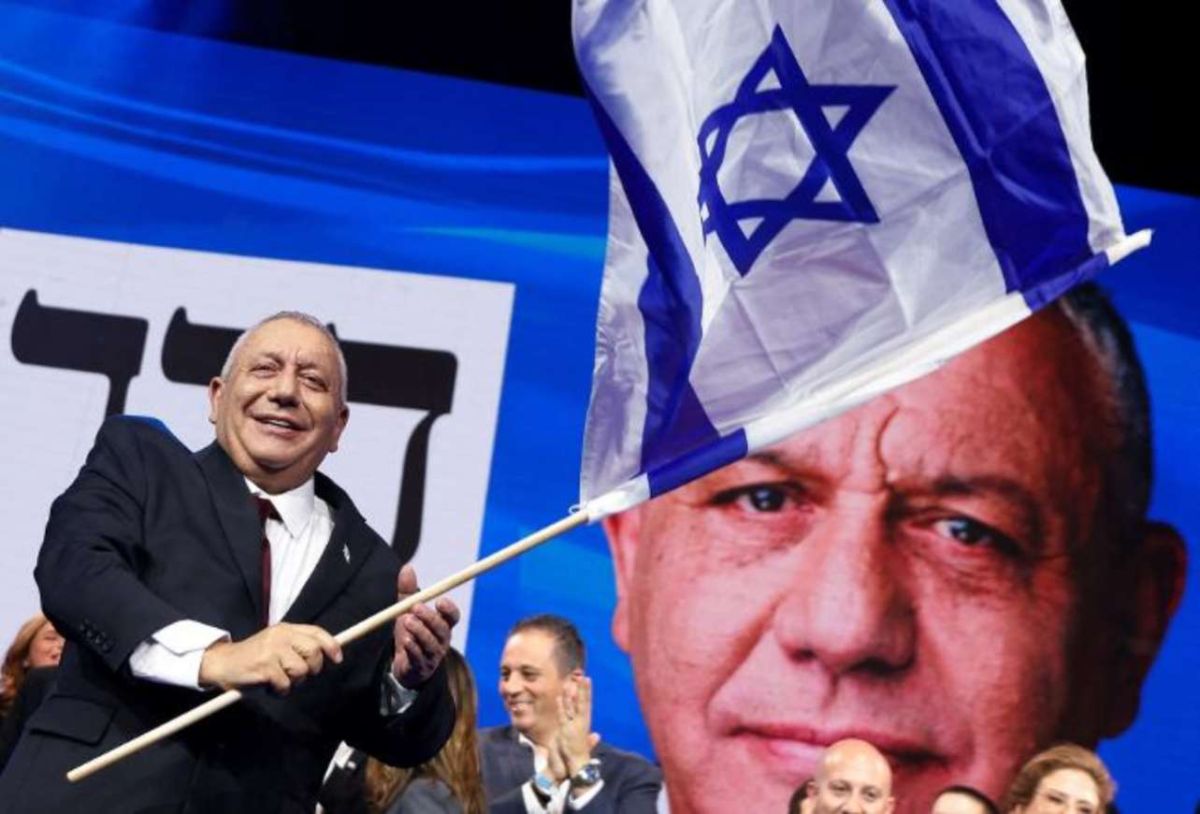
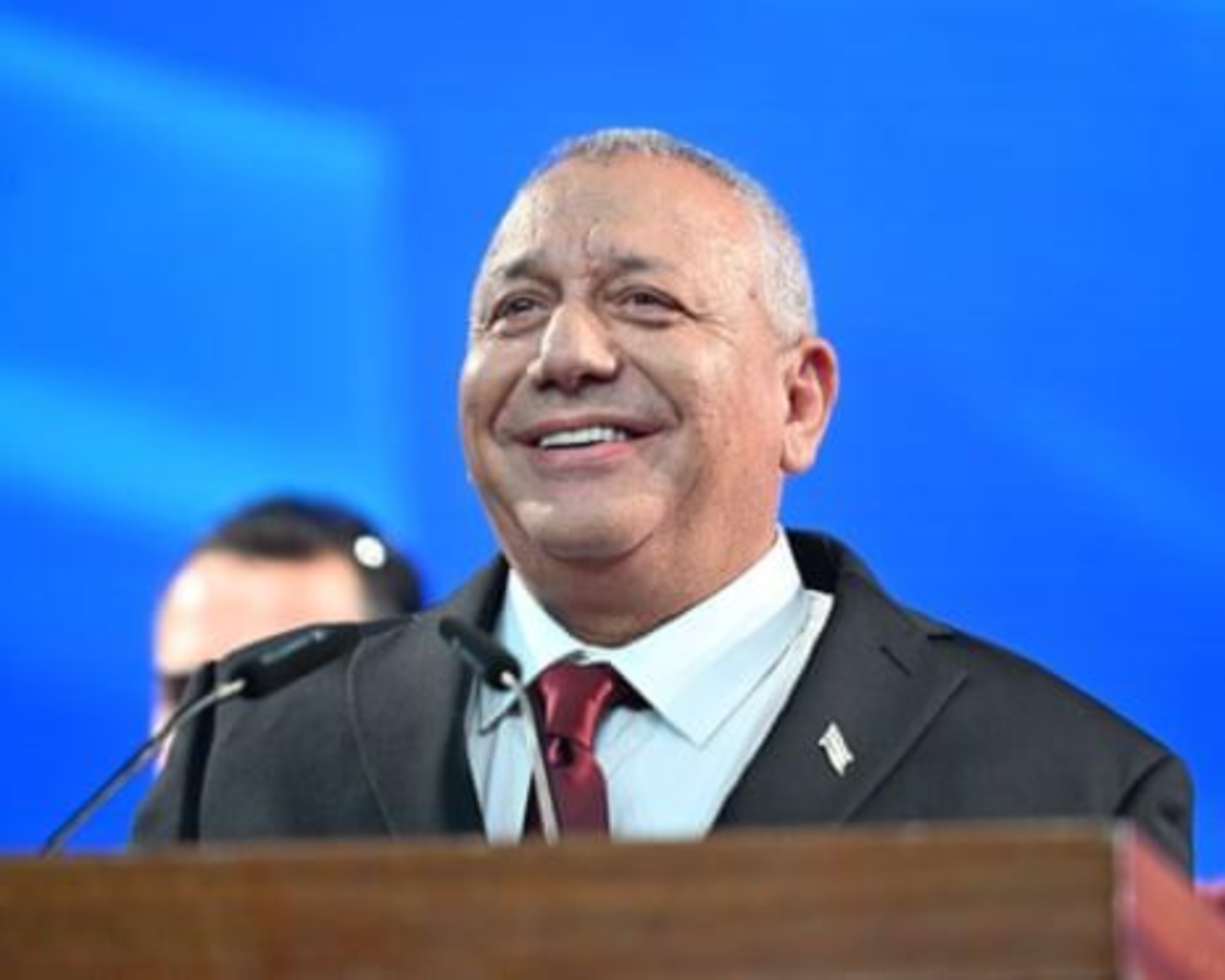
Πηγή Φωτογραφίας: Former Israeli army chief of staff and Yashar Party leader, Gadi Eisenkot, greets supporters during an after vote event following the exit polls of Israel's general elections on Oct. 28, 2026 in Tel Aviv, Israel. — Photo by Amir Levy/Getty Images



Gadi Eisenkot has won the first opportunity to form Israel’s next government. His harder task begins now: turning parliamentary support for receiving the mandate into an agreement to govern.
President Isaac Herzog formally entrusted him with the task on Sunday, November 8. The Yashar leader and former military chief has 28 days to negotiate a coalition, with a possible extension of up to two weeks.
Al-Monitor’s analysis identifies three difficult options. Each offers a potential answer to the parliamentary arithmetic, but requires overcoming political commitments and mutual vetoes.
Sixty-Seven Recommendations Are Not Sixty-Seven Coalition Votes
During presidential consultations, parties representing 67 lawmakers recommended Eisenkot, compared with 46 who recommended Benjamin Netanyahu. One seven-seat faction endorsed neither candidate.
Those figures differ from the electoral blocs. Eisenkot’s camp holds 48 seats, the Arab parties together have 19, and Netanyahu’s bloc has 53.
Recommending someone to receive the first opportunity to form a government does not necessarily mean accepting a governing program or joining a coalition.
That is Eisenkot’s central difficulty: parties seeking a change of prime minister do not necessarily agree on what should follow.
First Path: A Government Supported by Arab Parties
One option is a government drawn from Eisenkot’s bloc, with external parliamentary support from the Arab parties.
Combining 48 and 19 seats produces a potential 67 votes. The political challenge is securing acceptance of that arrangement among all the necessary partners.
Avigdor Lieberman has ruled out cooperation with Arab parties, while opposition factions differ over whether those parties should participate in government or support it from outside.
The form of cooperation matters. Holding cabinet positions differs from backing a government in crucial parliamentary votes. Even the latter arrangement, however, requires commitments capable of surviving disputes over security, budgets and civil rights.
Second Path: An Agreement With the Ultra-Orthodox Parties
Another route runs through the two ultra-Orthodox parties, which together hold 13 seats.
Added to Eisenkot’s 48-seat bloc, they would produce a narrow 61-seat majority. Such an arrangement would depend on all participating parties remaining united.
The most difficult issue is military service for ultra-Orthodox religious students. Demands to preserve exemptions conflict with commitments made by parties on the other side.
Any compromise would touch directly on the distribution of obligations within Israeli society. It would need to satisfy both religious leaders and parties that have built political support around changing the existing system.
Third Path: A Unity Government With Likud
Cooperation with Likud could broaden a government’s parliamentary base and reduce its dependence on smaller partners.
The central obstacle is leadership. Eisenkot has pledged to replace Netanyahu, while the incumbent has shown no willingness to step aside in his favor.
Unity negotiations would also have to establish which parties participate, what program they support and how power is divided.
When receiving the mandate, Eisenkot appealed to Likud members. That invitation, however, falls well short of an agreement capable of resolving the fundamental question of who becomes prime minister.
Government Formation Carries Geopolitical Stakes
The negotiations are taking place while Israel’s next government will have to manage unresolved security conflicts and relations with the United States.
The need for stability could encourage compromise. Those same issues could also deepen divisions between potential partners.
If Eisenkot fails, Herzog will have to consider the next constitutional options. Another election remains possible if the available routes to forming a government are exhausted.
Eisenkot acknowledged the political cost of reaching an agreement when he received the mandate:
“No one will be able to fulfill all the [campaign] promises they made, and all of us will need to compromise.”
Source: pagenews.gr
Διαβάστε όλες τις τελευταίες Ειδήσεις από την Ελλάδα και τον Κόσμο