A New Yalta? Why Xi Is Wary of Hosting Trump and Putin
 ΧΡΟΝΟΣ ΑΝΑΓΝΩΣΗΣ 4 '
Πηγή Φωτογραφίας: AP Photo//A New Yalta? Why Xi Is Wary of Hosting Trump and Putin



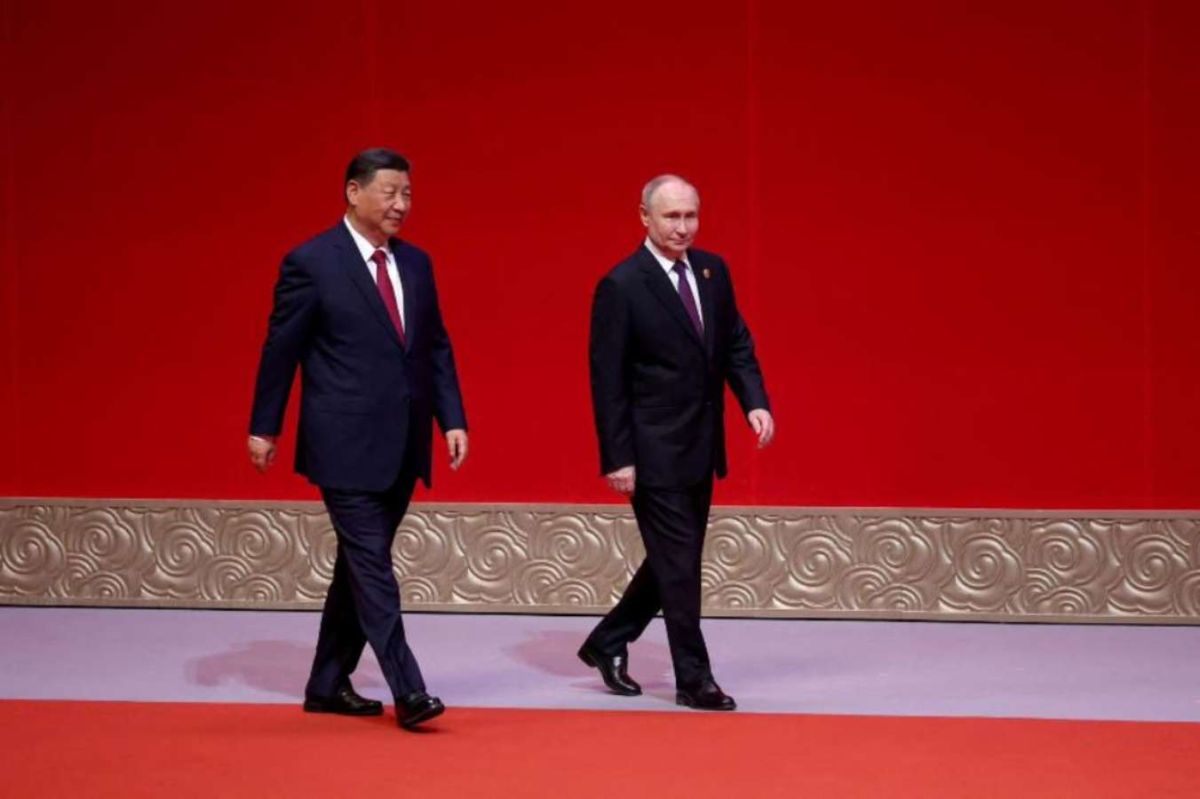
The prospect of Donald Trump, Xi Jinping and Vladimir Putin sitting at the same table has already prompted comparisons with a “new Yalta.” For Beijing, however, hosting such a gathering carries risks that extend beyond its diplomatic prestige.
The White House has confirmed plans for a trilateral meeting on Thursday, November 19, on the sidelines of the APEC summit in Shenzhen. Reuters’ analysis highlights the different expectations behind the three leaders’ appearance together.
The chances of a major agreement remain limited. Xi has reasons to approach cautiously a meeting whose two guests are seeking different outcomes.
Putin wants Ukraine on the table
For the Russian president, the meeting offers an opportunity to discuss ending the war on terms favorable to Moscow.
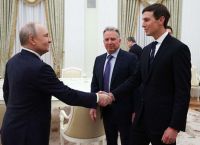
It also carries considerable symbolism: Russia would appear alongside the United States and China in a three-power format, despite Western efforts to isolate it following the invasion of Ukraine.
That prospect appeals to Russian nationalist circles, which see an opportunity to affirm their country’s international standing and negotiate a new balance of power.
It does not mean, however, that Beijing shares Moscow’s desire to put Ukraine on the agenda.
Trump seeks nuclear talks and an international initiative
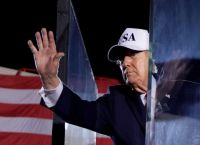
The American president approaches the meeting following Republican electoral losses, seeking to demonstrate his ability to negotiate directly with Washington’s most powerful rivals.
His push for nuclear arms discussions could give the gathering historic significance. Bringing China into that conversation is central to his approach.
American officials are nevertheless lowering expectations:
“We do not expect to get to any kind of agreement,” a senior administration official said, describing the meeting as the beginning of a conversation.
Iran is also on the planned agenda. Artificial intelligence is expected to feature in separate Trump–Xi discussions, without a confirmed equivalent trilateral negotiation.
Why the nuclear issue complicates matters for Xi
China has a substantially smaller nuclear arsenal than either the United States or Russia. Beijing therefore approaches a potential three-way arms-control negotiation from a different position.
Its caution concerns the terms of such a process and the commitments that might follow. Attending a joint meeting does not amount to accepting a negotiating framework.
Xi also favors carefully prepared diplomatic encounters. Trump’s tendency toward improvisation and unexpected announcements adds uncertainty to a gathering attracting intense international attention.
Beijing is reluctant to discuss Ukraine
Despite closer economic and strategic ties between China and Russia, their priorities do not align on every issue.
According to Reuters, China’s leadership has been reluctant to include the Ukraine war in the trilateral talks. American officials likewise say the issue is not expected to arise because Beijing is not part of the separate negotiating process.
That limits the scope for the broader settlement Moscow would like. It also keeps Ukraine within a process in which Kyiv participates and Europeans are seeking a substantive role.
Who fears a “Yalta 2”?
References to the 1945 Yalta Conference chiefly express a contemporary fear: that powerful states could negotiate matters affecting others without their participation.
For Ukraine, the concern involves its territory, sovereignty and security guarantees. For Taiwan, the question is whether a broader understanding between Washington and Beijing could affect its position.
No agreement redistributing spheres of influence has been announced. The Yalta comparison describes anxieties generated by the meeting’s composition, rather than a confirmed outcome.
Shenzhen could deliver a historic photograph. Whether it produces common commitments depends on the leaders overcoming their divergent objectives — and on how much risk Xi is prepared to accept.
Source: pagenews.gr
Διαβάστε όλες τις τελευταίες Ειδήσεις από την Ελλάδα και τον Κόσμο