Europe Must Grow ‘Bigger Balls’: Latvian PM’s Warning as Ukraine and AI Expose EU’s Strategic Divisions
 ΧΡΟΝΟΣ ΑΝΑΓΝΩΣΗΣ 14 '
Πηγή Φωτογραφίας: AP Photo//Europe Must Grow ‘Bigger Balls’: Latvian PM’s Warning as Ukraine and AI Expose EU’s Strategic Divisions



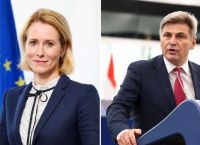
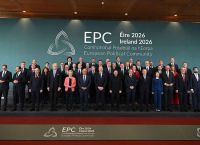
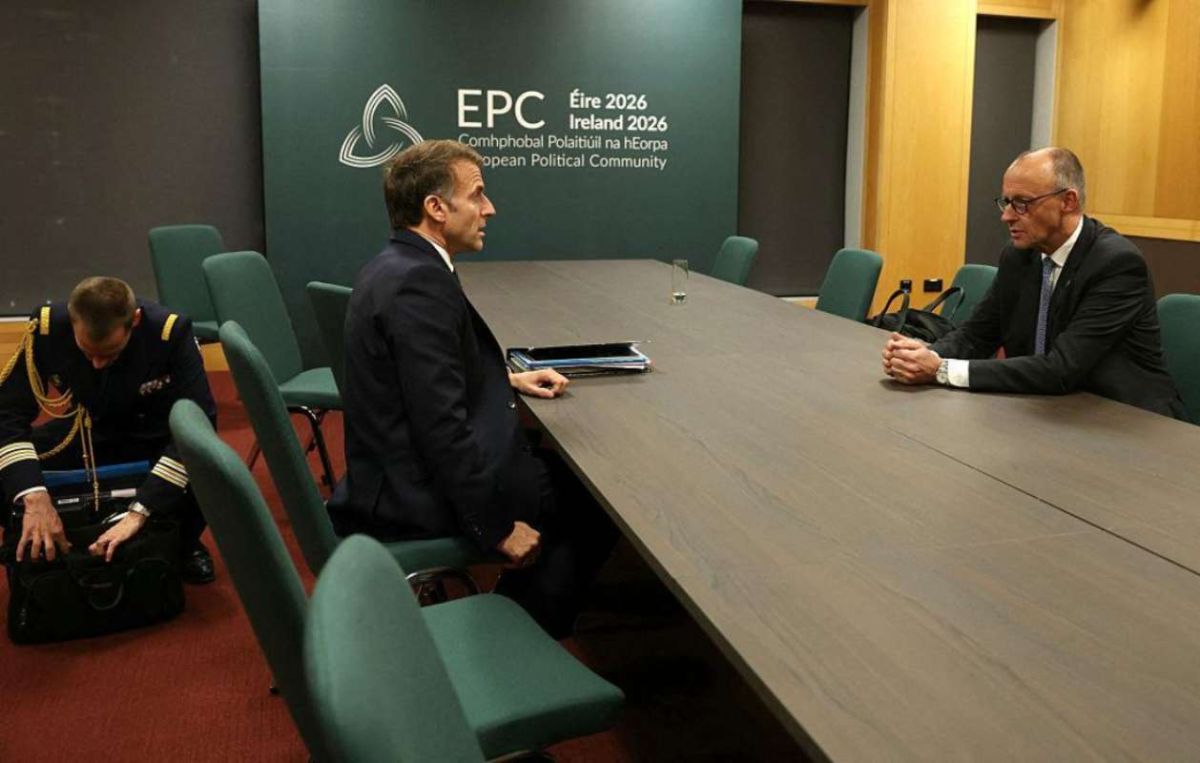
A provocative message highlighted by POLITICO has captured the political mood surrounding the European Union summit in Dublin: Europe must show greater courage and determination if it wants to become a serious geopolitical and technological power.
The headline, “Europe must grow ‘bigger balls,’ Latvian PM tells summit,” reflects a wider debate about whether European governments possess the political unity and strategic resolve needed to influence decisions affecting their own continent.
EU leaders meeting on Friday, November 13, had originally intended to focus on artificial intelligence, technological sovereignty and Europe’s position in the global competition with the United States and China.
Instead, the accelerating diplomatic efforts to end Russia’s war in Ukraine have pushed security and foreign policy to the forefront.
The immediate challenge is particularly revealing: Washington wants European representatives involved in peace negotiations, Kyiv considers their participation essential, and Moscow is demanding clarity over who will speak on Europe’s behalf.
Yet the European Union has still not agreed on a common representative.
The result is a summit that exposes the gap between Europe’s economic influence and its ability to act as a unified geopolitical power.
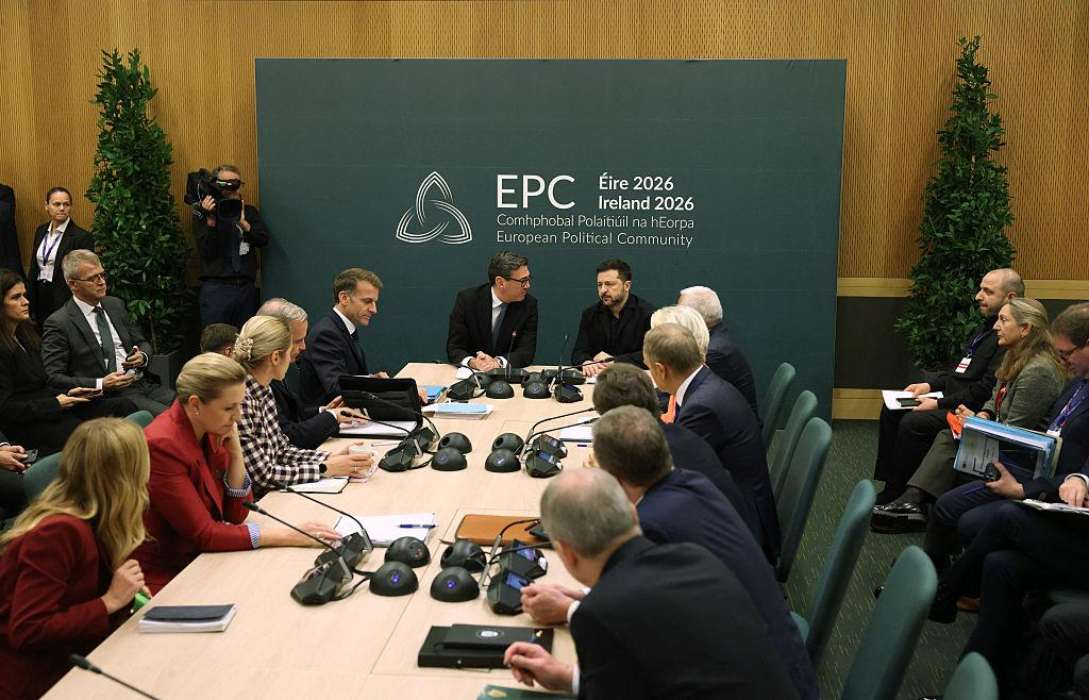
Ukraine Overshadows Europe’s First Dedicated AI Summit
The informal European Council meeting in Dublin was designed to launch a strategic discussion about artificial intelligence at the highest political level.
European Council President António Costa placed the issue on the agenda to examine how Europe can strengthen its technological capabilities, reduce critical dependencies and improve competitiveness.
However, the Ukraine negotiations have transformed the political atmosphere.
The latest diplomatic developments followed talks involving American, Russian and Ukrainian representatives in Abu Dhabi, with subsequent meetings between US envoys Jared Kushner and Steve Witkoff and Russian President Vladimir Putin in Moscow.
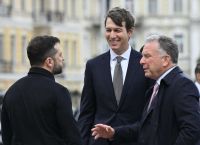
The American representatives then traveled to Dublin for discussions with Ukrainian President Volodymyr Zelenskyy.
Kushner indicated that European participation would be necessary to address the wider security arrangements associated with a future peace settlement.
The shift is significant because European governments have repeatedly expressed concern that negotiations conducted primarily by Washington and Moscow could determine the continent’s security future without sufficient European involvement.
The United States now acknowledges the importance of European participation, but that recognition has exposed another problem: Europe has not decided who should represent it.
Three Rival Camps: Costa, Kallas and Europe’s Major Powers
According to POLITICO’s reporting, European governments have divided into at least three broad camps over the question of representation.
The first supports António Costa, whose position as president of the European Council gives him an established mandate to represent EU leaders internationally.
Costa has gained support from several governments that favor institutional representation rather than creating another diplomatic structure.
Estonian Prime Minister Kristen Michal has argued that Costa’s authority comes directly from the European Council, making him accountable to the bloc’s member states.
Italian Prime Minister Giorgia Meloni has also indicated that she could accept Costa as Europe’s representative.
The second camp includes France and Germany, which are reluctant to surrender their own diplomatic influence to Brussels.
Both countries have played major roles in discussions over Ukraine’s security and would be central to any future arrangements involving European defense commitments.
German Chancellor Friedrich Merz has defended the established E3 format, bringing together Germany, France and the United Kingdom.
He has also emphasized cooperation with Italy and Poland.
The third camp supports Kaja Kallas, the EU’s High Representative for Foreign Affairs and Security Policy.
Kallas argues that the EU treaties already establish the responsibilities of its senior foreign-policy officials.
However, her strongly critical position toward Moscow has prompted concerns among some diplomats that Russia could resist dealing with her.
The disagreement illustrates a broader institutional dilemma: should the European Union speak through its formal leadership, or should its largest and most influential countries retain direct control over negotiations?
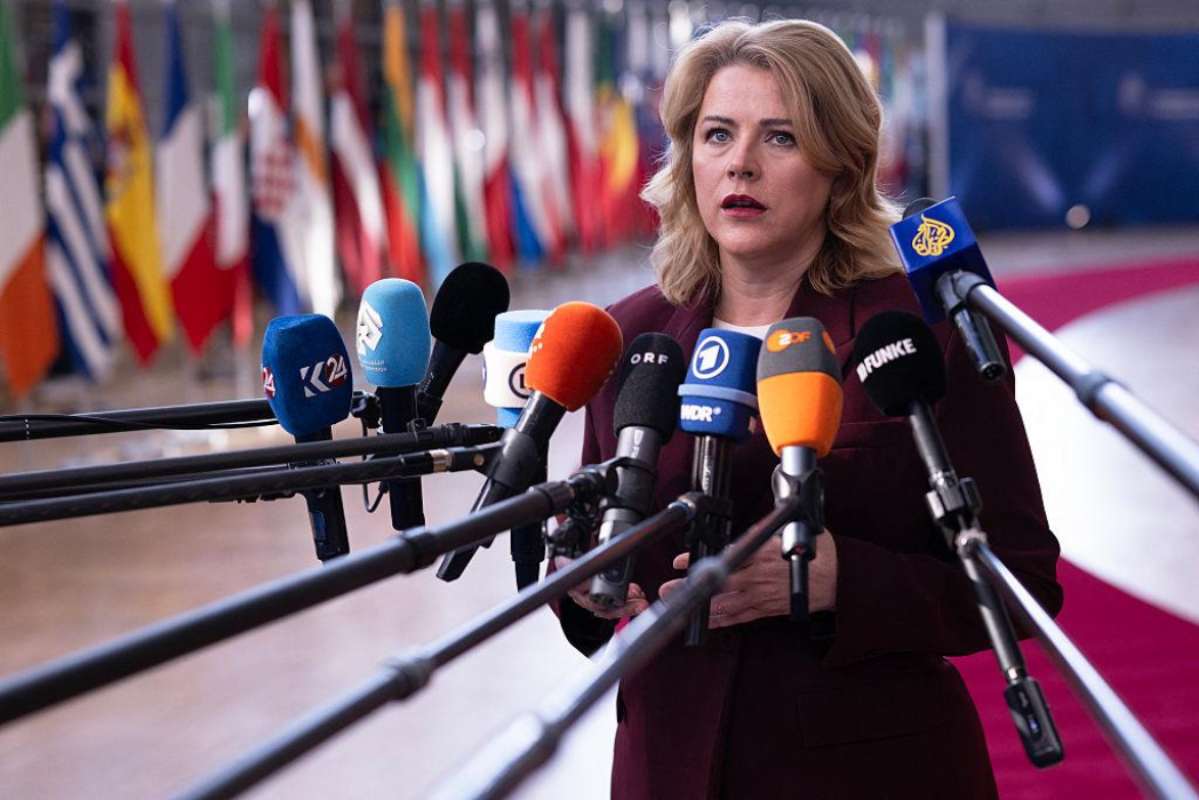
Meloni Calls for a Single European Voice
Italian Prime Minister Giorgia Meloni has warned that the existence of multiple negotiating formats is weakening Europe’s credibility.
In a letter to António Costa, she called for greater clarity over the EU’s participation in the diplomatic process.
Her intervention reflects growing frustration with overlapping initiatives involving European institutions, national governments and informal groups of countries.
The issue is particularly sensitive because European governments are expected to contribute significantly to Ukraine’s reconstruction and long-term security.
Without a common negotiating position, there is a risk that the EU’s economic commitments will not translate into corresponding diplomatic influence.
Meloni’s proposal seeks to address that imbalance by creating a clearer mandate for European representation.
Yet the debate remains unresolved because not all governments agree on how much authority should be transferred to a single representative.
Zelensky’s Deadline: Europe Must Decide in November
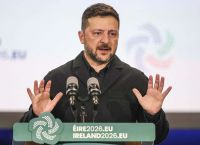
Ukrainian President Volodymyr Zelenskyy has urged European governments to resolve the question before the end of November.
“I think that in November, not later, we need to accept who will represent Europe in negotiations,” he said.
For Kyiv, the issue is urgent.
Ukraine wants European countries directly involved in discussions about security guarantees, territorial questions and the implementation of any future agreement.
European governments provide substantial military, economic and humanitarian assistance to Ukraine.
They are also expected to play a central role in reconstruction and could be involved in arrangements intended to prevent renewed Russian aggression.
Zelenskyy has warned that Russia’s objectives extend beyond Ukrainian territory to the wider European security architecture.
That makes Europe’s participation essential from Kyiv’s perspective.
However, Ukrainian officials also need clarity about who can negotiate and commit European governments to specific obligations.
A representative without sufficient political authority would have limited ability to deliver binding commitments.
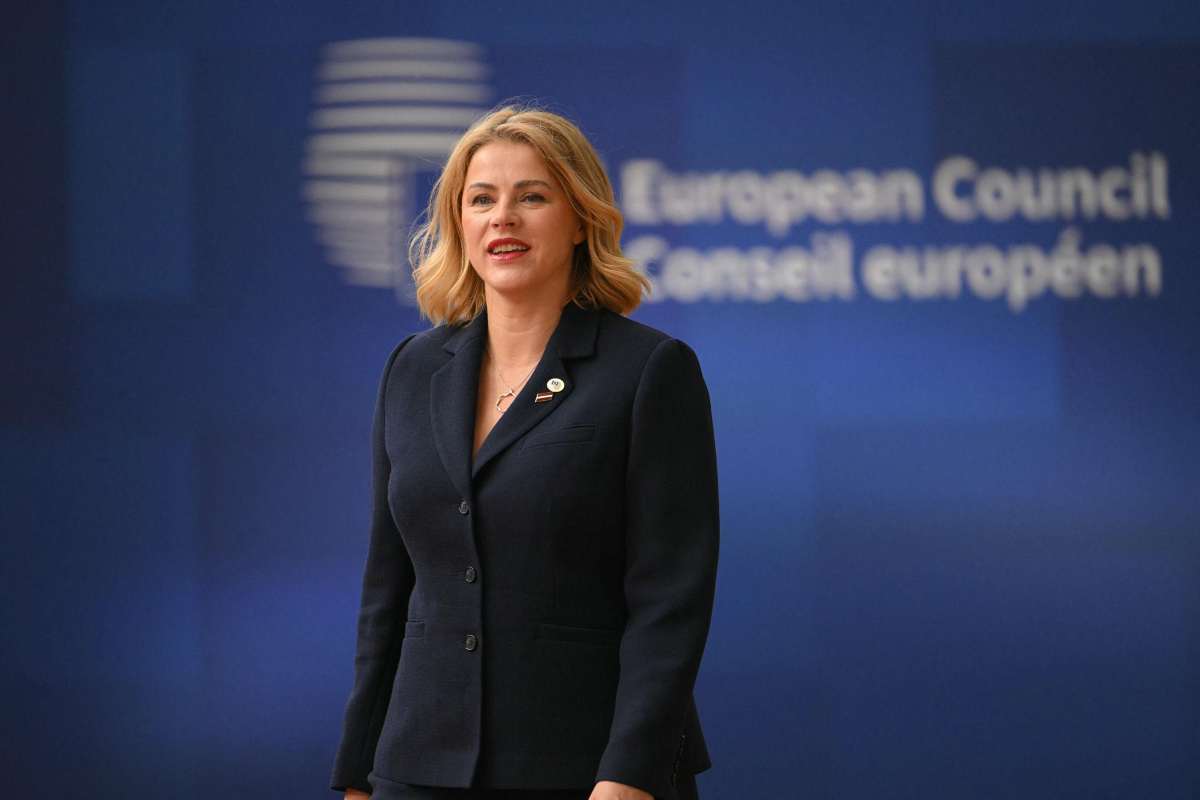
Macron and Merz Resist Handing Brussels Full Control
The debate has also highlighted the different approaches taken by Europe’s major powers.
French President Emmanuel Macron has emphasized the need for Europe to establish a common security vision before determining how it should be represented.
France’s position reflects its diplomatic and military responsibilities, including its permanent seat on the United Nations Security Council and its independent nuclear deterrent.
Germany, meanwhile, favors maintaining established diplomatic channels.
Merz has defended the E3 format as a mechanism already familiar with Ukraine’s security requirements.
He has also supported broader coordination involving Italy and Poland.
For smaller EU countries, however, the dominance of major national capitals raises concerns about representation and accountability.
Estonia’s Kristen Michal has emphasized the importance of consensus in decisions affecting the entire European Union.
The dispute therefore concerns more than diplomatic efficiency.
It also raises questions about whether Europe’s security policy should be shaped primarily by its largest states or through institutions representing all 27 EU members.
The €70 Billion Question: Who Will Finance Ukraine in 2027?
Alongside the diplomatic disagreements, European leaders face a major financial challenge.
According to POLITICO, Ukraine is confronting a projected €70 billion funding shortfall in 2027.
The scale of the gap is adding pressure to negotiations over the EU’s future financial commitments.
Germany has argued that the burden of supporting Ukraine must be shared more fairly among European governments.
Merz has linked the issue to discussions over the bloc’s next long-term budget, reflecting concerns about unequal financial contributions.
The financing debate is also connected to Europe’s negotiating influence.
European governments that are expected to provide substantial economic assistance want a meaningful role in determining the conditions of any settlement.
Some European lawmakers have also proposed placing frozen Russian assets within an EU-controlled structure to ensure that the funds cannot be used in an agreement reached without European participation.
The question is expected to return to the agenda at the European Council meeting scheduled for November 26–27.
Artificial Intelligence: Can Europe Compete With America and China?
While Ukraine dominates the political discussion, artificial intelligence remains a central strategic issue.
European leaders are examining whether the continent can become a major developer of advanced AI systems rather than relying primarily on technology created elsewhere.
The debate includes computing infrastructure, semiconductor supply chains, cloud services, energy availability and investment.
US and Chinese technology companies currently occupy leading positions in the development of many advanced AI systems.
European policymakers want to strengthen domestic capabilities while maintaining regulatory standards designed to protect safety, fundamental rights and democratic institutions.
The summit includes contributions from Arthur Mensch, chief executive of French AI company Mistral, and Geoffrey Hinton, the Nobel Prize-winning researcher known for his pioneering work in artificial intelligence.
Mensch’s participation highlights the commercial and industrial challenges facing European AI developers.
Hinton’s contribution focuses on the wider societal and safety implications of increasingly powerful AI systems.
The discussion reflects two priorities that Europe must reconcile: accelerating innovation and managing the risks associated with advanced technology.
Strategic Autonomy: Europe’s Ambition Meets Its Financial Limits
The AI debate exposes many of the same tensions visible in the Ukraine negotiations.
Europe wants greater independence from foreign powers but remains dependent on international partnerships for critical technologies, military capabilities and investment.
Building competitive AI infrastructure requires substantial capital, reliable energy supplies, specialized talent and advanced computing resources.
At the same time, European governments face increasing demands for defense spending and continued financial assistance to Ukraine.
The competing priorities raise difficult questions about how public resources should be allocated.
Some governments argue that Europe must invest in developing advanced AI models capable of competing internationally.
Others place greater emphasis on applying existing technologies across European industries and public services.
The choices made will influence Europe’s productivity, industrial competitiveness and technological independence.
The EU Budget and the ECB Leadership Race Add to the Pressure
The Dublin summit is also taking place against the backdrop of negotiations over the EU’s next seven-year budget, covering 2028–2034.
Governments disagree over spending priorities, national contributions and the distribution of financial responsibilities.
The next negotiating document is expected later in November, ahead of further discussions among European leaders.
Another issue developing on the sidelines is the future leadership of the European Central Bank.
With Christine Lagarde’s succession approaching, European capitals are beginning to consider potential candidates and the wider distribution of senior monetary-policy positions.
These discussions add another layer to the political negotiations involving France, Germany and other influential EU members.
Although separate from the Ukraine peace process, they illustrate how multiple institutional and financial decisions are converging at a politically sensitive moment.
Europe’s Bigger Challenge: Turning Economic Weight Into Political Power
The Dublin summit reveals a central contradiction in Europe’s international position.
The European Union is one of the world’s largest economic blocs, an important source of support for Ukraine and a major regulatory power in technology and international trade.
Yet it continues to struggle to translate those resources into unified diplomatic action.
The disagreement over who should represent Europe in Ukraine negotiations is one example.
The debate over AI investment and technological sovereignty is another.
Both raise the same fundamental question: can Europe coordinate its political and economic resources sufficiently to act as an independent strategic force?
For the Baltic countries, the issue is closely connected to security and the Russian threat.
For France and Germany, it concerns national diplomatic influence and the effectiveness of established international formats.
For the European institutions, it is about ensuring that decisions affecting the entire bloc are made through legitimate and accountable structures.
And for Ukraine, it is about securing meaningful commitments from the governments that will help sustain its future security.
The Next Test: Can Europe Speak With One Voice?
European leaders are not necessarily expected to appoint a common Ukraine negotiator during the Dublin summit.
However, the discussions could establish a framework for reaching an agreement before the end of November.
The pressure is increasing.
Washington wants European participation in the peace process.
Kyiv is demanding clarity.
Moscow continues to attach conditions to Europe’s involvement.
Meanwhile, European governments remain divided over the balance between institutional leadership and national diplomatic influence.
The provocative language highlighted by POLITICO reflects a broader frustration with Europe’s difficulty in making collective strategic decisions.
The issue is not simply whether Europe can secure a seat at the negotiating table. It is whether it can develop the political unity, financial capacity and strategic determination required to influence the outcome.
From Ukraine’s future to the global race for artificial intelligence, the challenges confronting European leaders are increasingly interconnected.
Europe’s economic strength remains considerable. Its ability to act collectively is being tested.
The defining question emerging from Dublin is whether the European Union can turn its ambitions for strategic autonomy into practical geopolitical influence.
Source: pagenews.gr
Διαβάστε όλες τις τελευταίες Ειδήσεις από την Ελλάδα και τον Κόσμο