Europe wanted a “superhero” to face Putin — It ended up with seven voices
 ΧΡΟΝΟΣ ΑΝΑΓΝΩΣΗΣ 6 '
Πηγή Φωτογραφίας: AP Photo//Europe wanted a “superhero” to face Putin — It ended up with seven voices



“If Europe could identify one person to speak on their behalf, that would be a bigger achievement than getting the Russians to include them in the negotiation.”
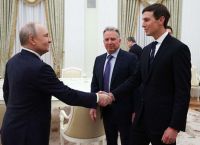
The remark by Jared Kushner, Donald Trump’s son-in-law and senior envoy, captures the difficulty facing European capitals as negotiations over Ukraine accelerate: they want a seat at the table, but have yet to fully agree on their representation or negotiating position.
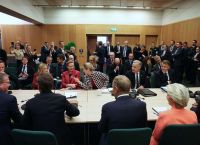
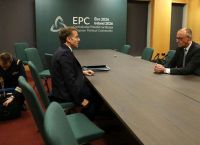
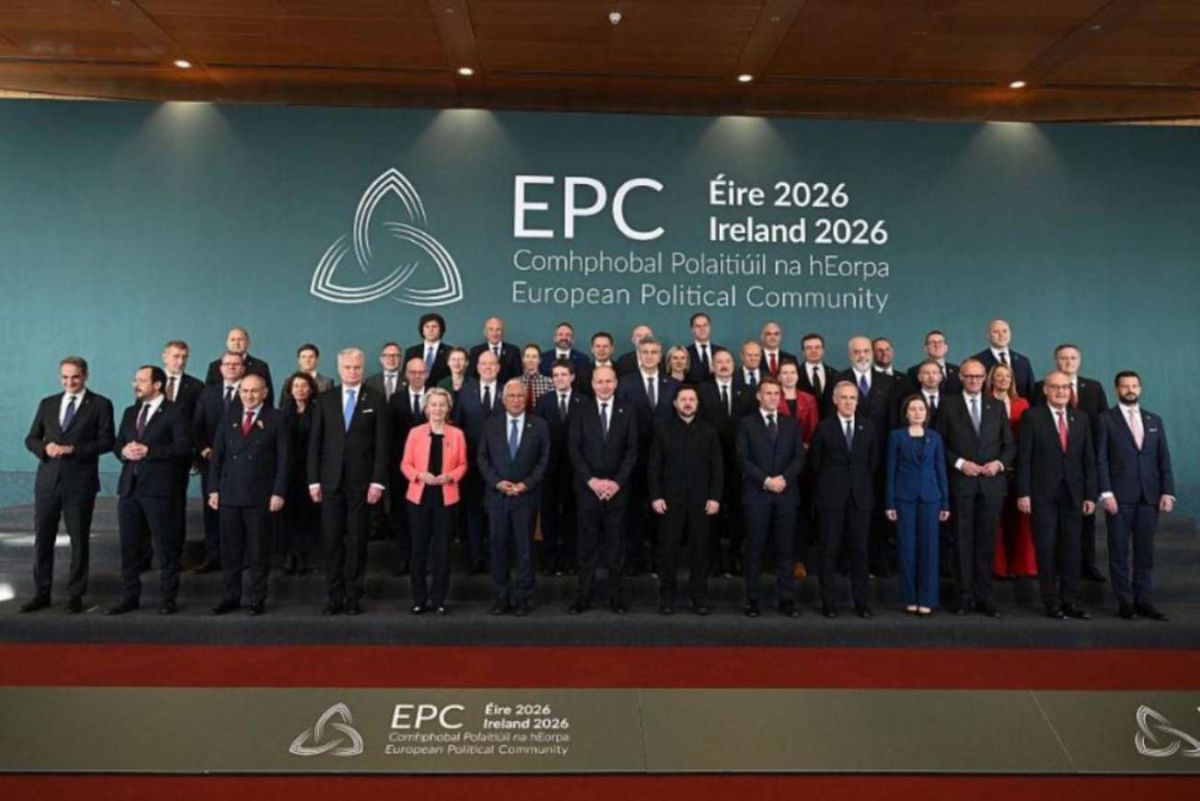
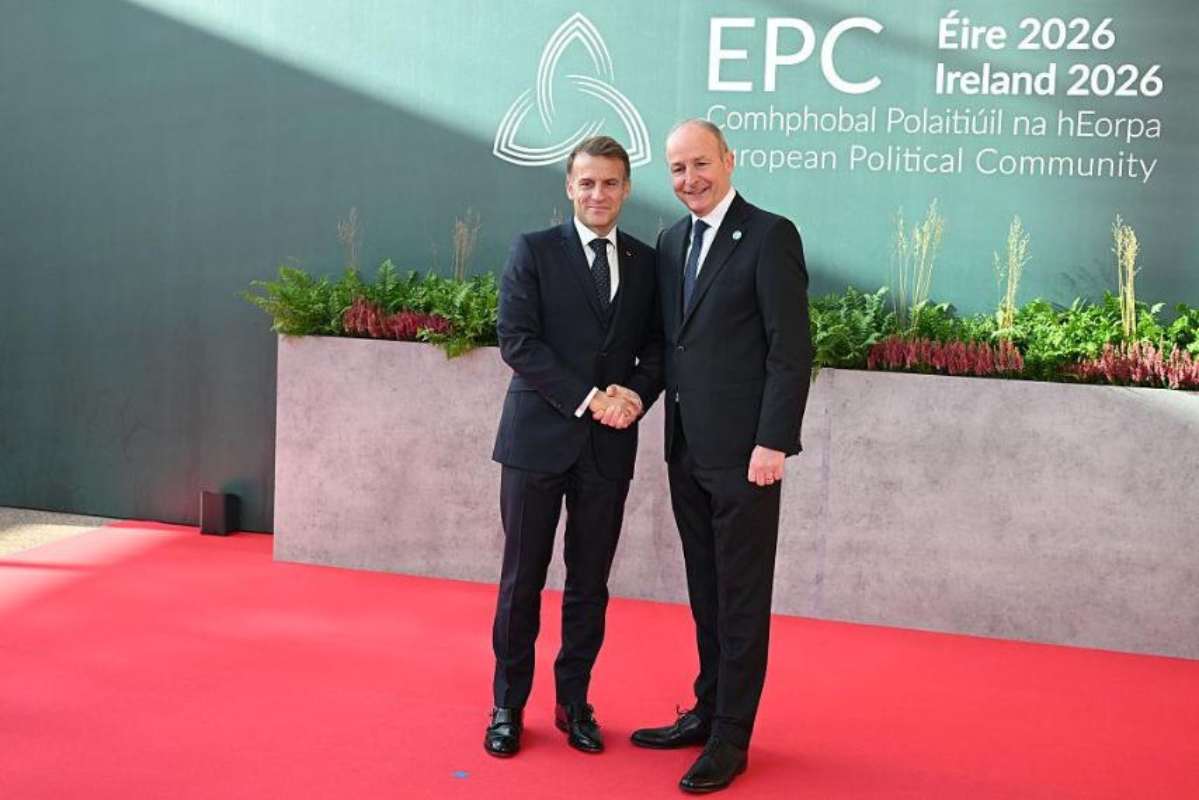
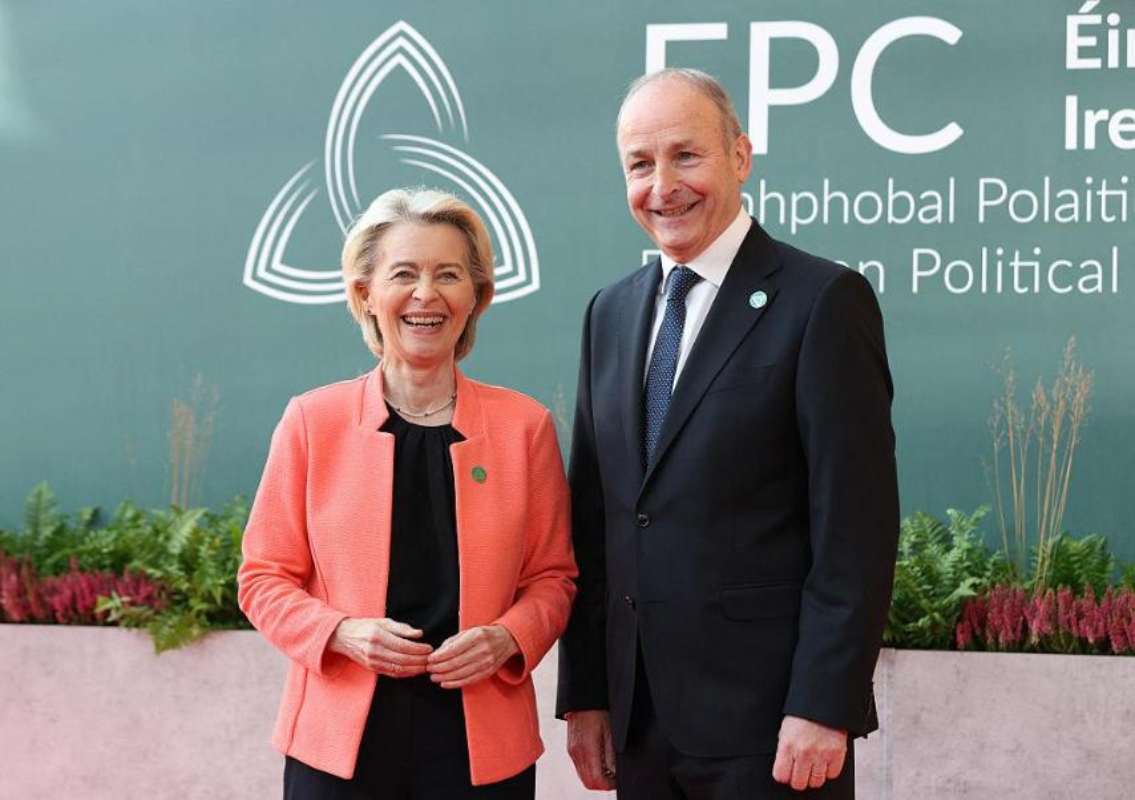
Meeting in Dublin on Friday, November 13, European leaders opted for a collective approach. Their participation will be handled by the E5 — Germany, France, Poland, Italy and the United Kingdom — alongside representatives of the European Commission and European Council.
The search for a heavyweight negotiator capable of dealing with Vladimir Putin and Donald Trump has therefore produced a seven-part team. Its members must now agree on what they will negotiate.
Zelensky wanted one representative — Europe chose a team
Volodymyr Zelenskyy had urged Europe earlier in the week to identify its representative quickly. He indicated that he preferred a single interlocutor and even suggested he had someone in mind, without naming them.
Choosing one person could have streamlined communication with Washington, Kyiv and Moscow while projecting European unity.
But diplomats and officials cited by POLITICO argued that the idea ran up against the different responsibilities and priorities of European governments and institutions.
European Council President António Costa confirmed the collective approach, stressing the need for a united voice and coordinated action.
Why one negotiator could not handle everything
The central obstacle was the breadth of the mandate that any representative would need.
Military guarantees, potential troop deployments, sanctions, financing and Ukraine’s EU accession involve different decision-makers.
The Commission cannot commit national governments to deploying troops. Equally, NATO or a group of major European capitals cannot independently determine EU sanctions or Ukraine’s admission to the bloc.
As one European diplomat told POLITICO:
“The reason why Europe hasn’t found one person who can represent the whole of Europe is that Europe is not a superstate.”
The diplomat pointed out that European interests also involve countries outside the EU, including the United Kingdom and Norway, as well as Turkey and Moldova.
“Who can promise troops on the ground on behalf of the rest of Europe? Who can offer billions in financing? It’s difficult.”
The Abu Dhabi talks were still at a technical level
The debate over appointing a senior European negotiator also obscured the current stage of the negotiations.
This week’s meetings in Abu Dhabi involved senior officials. Putin, Zelenskyy and Trump did not participate personally.
Russia’s delegation was led by Vladimir Medinsky, while Ukraine assigned a central role to its intelligence chief.
At this stage, Kyiv and the American mediators want Europe to join substantive discussions with Russia. If progress produces an agreement, political decisions and the involvement of leaders who could sign or guarantee it would follow.
Moscow wants Europe’s entire security framework on the agenda
The harder question concerns the substance of the negotiations.
American and Ukrainian officials believe that opening a discussion on European security could help unlock progress with Moscow. According to POLITICO, Ukraine’s delegation observed some softening of Russia’s position when the prospect of discussing its broader security demands emerged.
Medinsky said Europe’s security framework had been a central subject of the talks:
“The conflict in Ukraine showed that the entire security system operating after Yalta and Potsdam is working poorly.”
Europe, however, was absent from that conversation, despite its direct stake in the outcome.
Peace first — or parallel negotiations with Russia?
This is where a substantive disagreement remains: should discussions about European security begin only after a Ukraine peace agreement, or can both processes advance simultaneously?
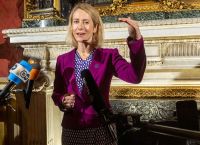
EU foreign policy chief Kaja Kallas has argued that broader security arrangements should be discussed after a peace deal is finalized.
In Abu Dhabi, however, European officials signaled a willingness to consider parallel tracks: one addressing Ukraine and another examining future security structures.
Those approaches leave critical questions unresolved over the agenda, the sequencing of negotiations and the relationship between the two tracks.
Swedish Prime Minister Ulf Kristersson emphasized the importance of agreeing on substance:
“What we actually say is more important than the exact configuration of the people in the room.”
The Kremlin keeps European participation conditional
Despite Europe’s decision on representation, its participation in the next round has not been definitively secured.
American envoys said on Thursday that Putin had agreed to include the Europeans. On Friday, Kremlin spokesperson Dmitry Peskov introduced conditions, saying Moscow first needed to establish whether they genuinely intended to contribute to the peace process.
Russia is therefore keeping its decision on an expanded negotiating format open, while Europe’s team must prepare a common mandate.
Selecting seven participants resolved the immediate question of representation. The next test is whether they can agree on what to offer, what to reject and which issues they will refuse to have settled without them.
Source: pagenews.gr
Διαβάστε όλες τις τελευταίες Ειδήσεις από την Ελλάδα και τον Κόσμο