Israel Escalates in Lebanon, Defying the Spirit of the US-Iran Deal
 ΧΡΟΝΟΣ ΑΝΑΓΝΩΣΗΣ 5 '
Πηγή Φωτογραφίας: AP Photo//Israel Escalates in Lebanon, Defying the Spirit of the US-Iran Deal



The recent US-Iran agreement was presented as a diplomatic breakthrough capable of reducing tensions across the Middle East.
Yet events unfolding in southern Lebanon suggest that peace remains far from reach.
At least 18 people were killed in Israeli airstrikes overnight, while four Israeli soldiers died in one of Hezbollah’s deadliest attacks since the current conflict began. The violence represents a significant escalation and highlights a critical geopolitical reality:
The US-Iran deal may have halted direct confrontation between Washington and Tehran, but it has not stopped the wars being fought by their regional allies and proxies.
Israel Signals No Intention of Backing Down
Israel’s leadership has responded with defiance rather than restraint.
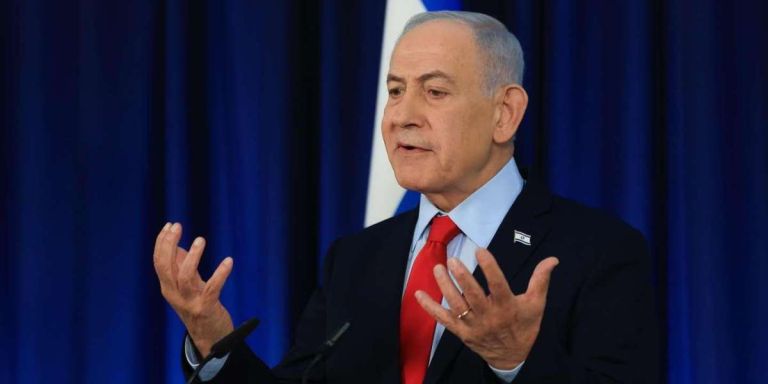
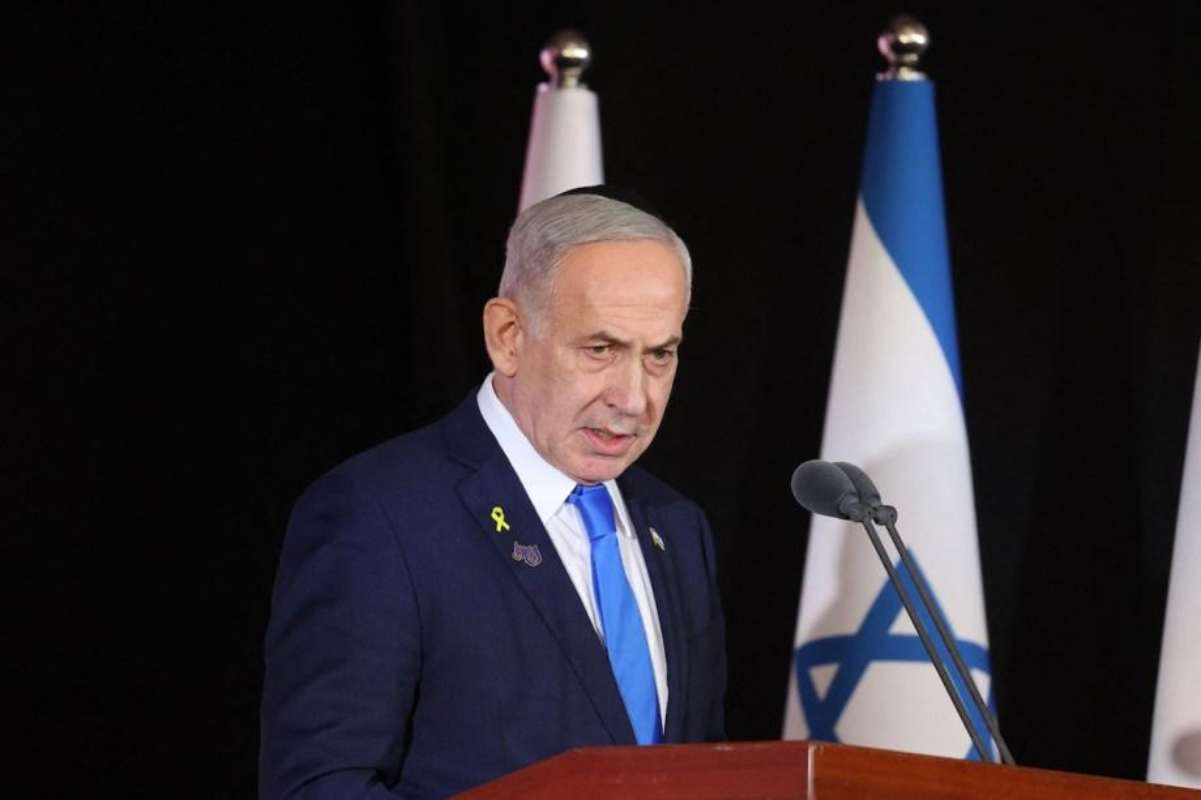
Prime Minister Benjamin Netanyahu vowed that Hezbollah would pay a “very heavy price” for the deaths of the four Israeli soldiers, while Defense Minister Israel Katz went even further, declaring that Israeli forces would remain in southern Lebanon “from the Mediterranean coast to the Beaufort Heights.”
The statement has been widely interpreted as a signal that Israel intends to maintain a long-term military presence in parts of southern Lebanon, regardless of broader regional diplomatic efforts.
Far from embracing de-escalation, the Israeli government appears determined to continue military operations against Hezbollah and secure what it views as strategic buffer zones along its northern border.
Fears of a Permanent Security Zone
Particularly controversial were Katz’s remarks regarding the future of civilian populations in the occupied areas.
The defense minister stated that villages inside the security zone were being systematically destroyed and suggested that approximately 200,000 displaced Lebanese residents would not be allowed to return.
Those comments have sparked alarm across the Arab world and revived memories of previous Israeli occupations of southern Lebanon.
Critics warn that such policies could create lasting demographic changes, fuel radicalization and strengthen Hezbollah’s political legitimacy among Lebanese communities.
Hezbollah Demonstrates Continued Military Capability
Despite suffering significant losses over the past year, Hezbollah has shown that it remains a formidable military force.
The group claimed responsibility for an ambush near the Ali al-Taher hill north of the Litani River, where it said fighters destroyed three Israeli Merkava tanks using guided missiles and struck Israeli troops with rockets and artillery fire.
While details remain contested, the Israeli military confirmed the deaths of four soldiers in Lebanon.
The attack suggests that Hezbollah retains the capacity to conduct complex operations despite sustained Israeli military pressure and extensive strikes against its infrastructure.
Lebanon Accuses Israel of Undermining the Deal
Lebanese President Joseph Aoun openly accused Israel of undermining the broader spirit of the US-Iran agreement.
According to Beirut, continued military operations in Lebanon risk sabotaging regional efforts aimed at reducing tensions and preventing a wider conflict.
Lebanon’s government has instructed negotiators to continue pursuing a comprehensive ceasefire through upcoming talks in Washington, but the latest escalation has made diplomatic progress significantly more difficult.
The gap between diplomatic commitments and realities on the ground is becoming increasingly apparent.
The Limits of the Washington-Tehran Agreement
The renewed fighting exposes one of the fundamental weaknesses of the US-Iran deal.
While the agreement addressed the nuclear issue and direct military confrontation between the United States and Iran, it did not resolve the deeper regional rivalries that continue to drive instability.
Hezbollah, armed groups in Iraq, tensions in Syria and the broader Israeli-Iranian confrontation remain active sources of conflict.
In other words, the agreement may have reduced the risk of a direct regional war, but it has not eliminated the battlegrounds capable of reigniting one.
A New Phase of Regional Instability
The latest violence suggests that the Middle East may be entering a new phase—not necessarily one of total war, but of sustained low-intensity conflict.
Israel appears determined to reshape the security environment along its northern border. Hezbollah remains committed to resisting Israeli military advances. Iran continues to support its regional allies, while the United States seeks to preserve a fragile diplomatic framework.
These competing objectives create a volatile landscape where localized clashes can rapidly escalate into broader confrontations.
For Washington, this poses a serious challenge.
The success of the US-Iran agreement will ultimately be measured not only by limits on Iran’s nuclear program, but also by its ability to prevent conflicts from spreading across Lebanon, Syria, Iraq and beyond.
For now, the events in southern Lebanon suggest that the promise of regional stability remains largely diplomatic rhetoric rather than reality on the battlefield.
Source: pagenews.gr
Διαβάστε όλες τις τελευταίες Ειδήσεις από την Ελλάδα και τον Κόσμο