Erdogan vs Netanyahu: A Dangerous War of Words That Could Ignite a New Middle East Power Struggle
 ΧΡΟΝΟΣ ΑΝΑΓΝΩΣΗΣ 4 '
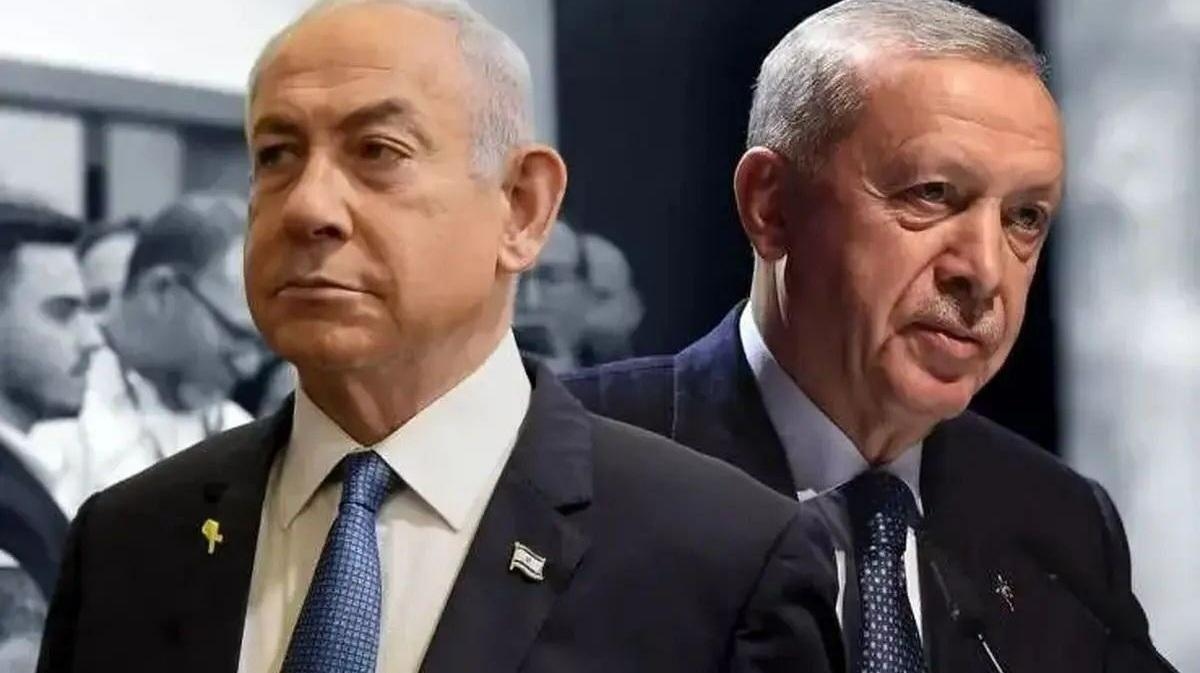
Πηγή Φωτογραφίας: AP Photo//Erdogan vs Netanyahu: A Dangerous War of Words That Could Ignite a New Middle East Power Struggle



The latest exchange of harsh statements between Turkish President Recep Tayyip Erdogan and Israeli Prime Minister Benjamin Netanyahu is increasingly being interpreted as more than a routine diplomatic dispute. Analysts argue it reflects a structural geopolitical rivalry that is actively reshaping the balance of power across the Middle East.
Both leaders have intensified their rhetoric, accusing each other of destabilization, regional aggression, and undermining international security. According to regional observers, this is not merely political theater but a strategic contest for influence in a rapidly fragmented regional order.
From Gaza to Syria: Expanding Fault Lines
The confrontation is not limited to the Gaza conflict. Ankara has repeatedly accused Israel of expanding its military footprint across Gaza, Lebanon, and Syria in ways that risk destabilizing the broader region.
Erdogan has framed Turkey’s security as directly linked to developments in Syria and the Levant, effectively signaling a doctrine of proactive regional engagement.
Israel, meanwhile, views Turkey’s growing presence in northern Syria and its expanding diplomatic activism as part of a broader challenge to Israeli strategic depth and regional partnerships.
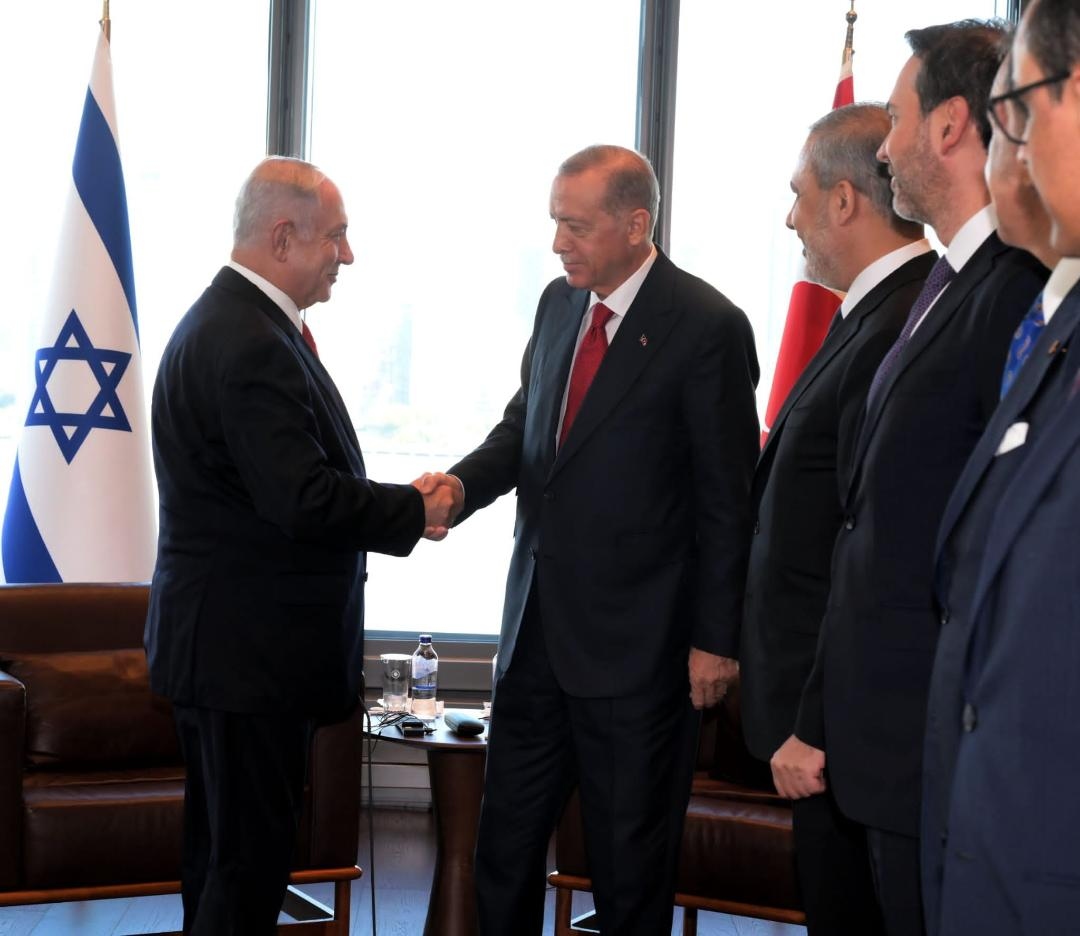
Escalating Rhetoric: Diplomacy Replaced by Confrontation Language
The verbal confrontation between Erdogan and Netanyahu has shifted into increasingly aggressive political messaging. Each side accuses the other of fueling instability and undermining regional order.
Turkey has described Israel as a destabilizing actor in the region, while Israeli officials have accused Ankara of supporting militant networks and pursuing expansionist influence policies.
This rhetorical escalation is widely seen as part of a broader struggle to shape political narratives and influence regional alliances.
Syria
Turkey maintains military and political influence in northern Syria, while Israel focuses on countering Iranian-linked networks and strategic threats.
Lebanon
The Israeli-Hezbollah confrontation indirectly draws Turkey into the regional balance of power dynamics.
Eastern Mediterranean
Energy resources and maritime boundaries continue to intensify strategic competition between regional actors.
Strategic Rivalry Beyond Personal Politics
Turkey seeks to position itself as a central power broker in the Muslim world, leveraging diplomacy, military presence, and ideological influence.
Israel, on the other hand, aims to consolidate its role as a technologically advanced military power with strong Western alliances, prioritizing deterrence and intelligence superiority.
According to international relations analysts, this rivalry reflects a broader post-crisis restructuring of the Middle Eastern security architecture.
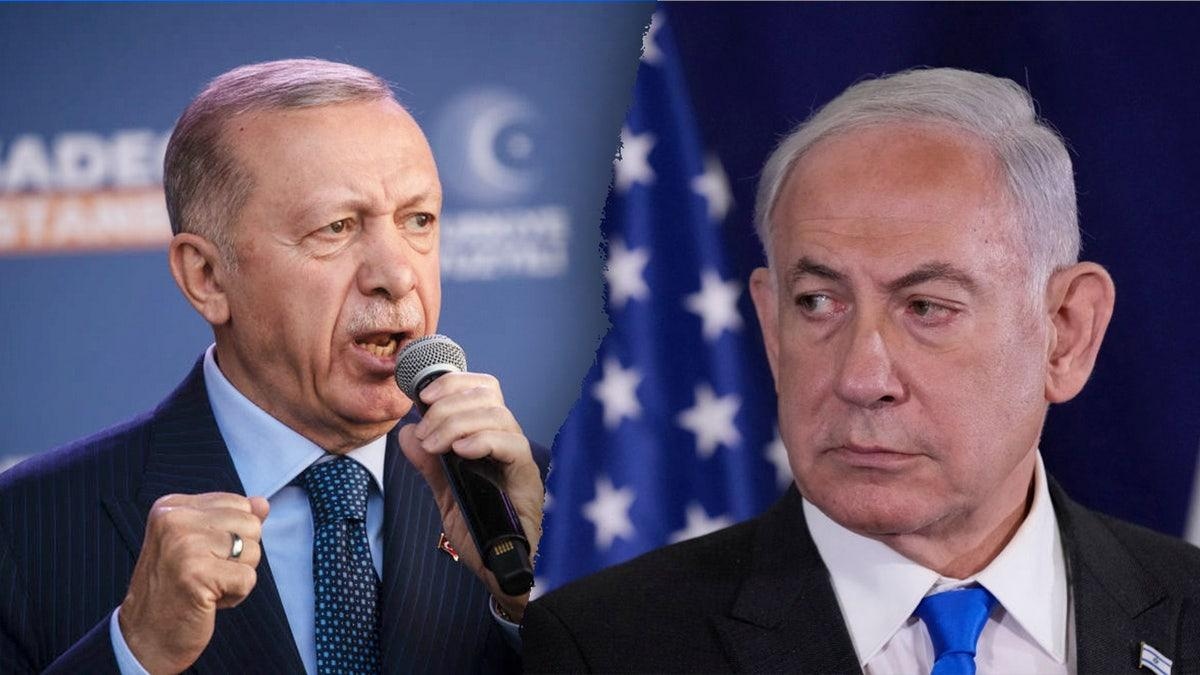
Risk of Proxy Escalation
Despite the heated rhetoric, a direct military confrontation remains unlikely in the short term. However, experts warn of increasing risks of proxy conflicts, particularly in Syria and Lebanon, where both countries maintain overlapping strategic interests.
The greater concern is not a direct war, but a chain reaction of regional crises driven by competing spheres of influence.
The Erdogan–Netanyahu confrontation reflects a broader transformation in Middle Eastern geopolitics, where power is increasingly contested through rhetoric, alliances, and indirect confrontation rather than formal diplomacy.
The central question is no longer whether tensions exist, but how far this rivalry can escalate before it reshapes the region’s security landscape in a more destabilizing way
Source: pagenews.gr
Διαβάστε όλες τις τελευταίες Ειδήσεις από την Ελλάδα και τον Κόσμο