Turkey Emerges as a Quiet Winner of the US-Iran Deal
 ΧΡΟΝΟΣ ΑΝΑΓΝΩΣΗΣ 6 '
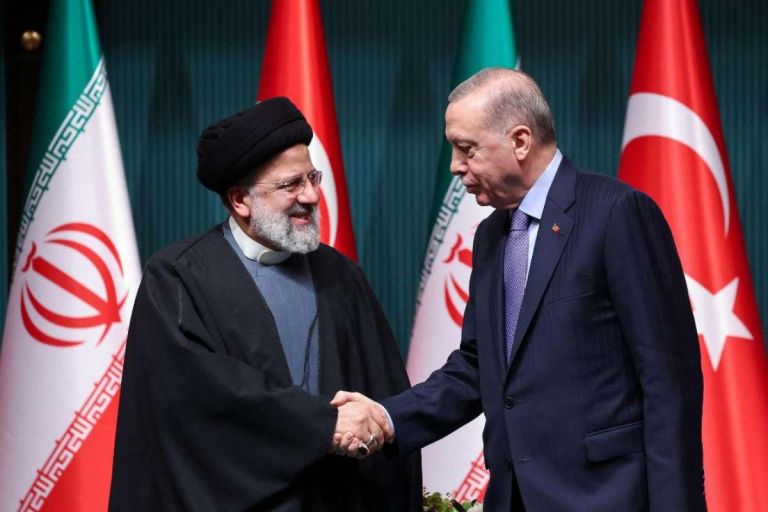
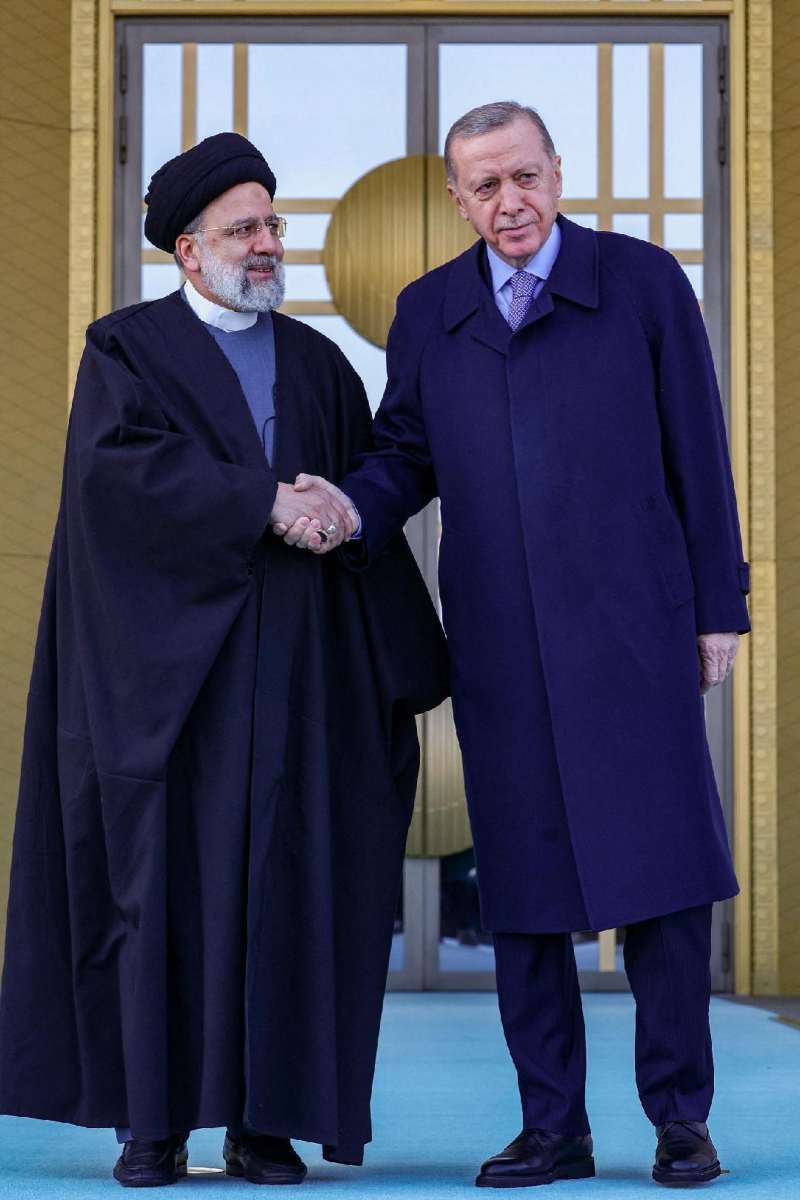
Πηγή Φωτογραφίας: AP Photo//Turkey Emerges as a Quiet Winner of the US-Iran Deal



While much of the world’s attention remains focused on the terms of the recent agreement between the United States and Iran, another regional power is quietly celebrating the outcome.
Turkey.
For Ankara, the June 14 deal is more than the end of a dangerous military confrontation in the Gulf. It is a validation of a strategic assessment Turkish policymakers made from the earliest days of the conflict: the Iranian regime was unlikely to collapse, and a negotiated settlement was always more realistic than the regime-change ambitions pursued by some circles in Washington and Israel.
The agreement now offers Turkey a chance to strengthen its economic position, reduce regional instability and expand its diplomatic influence across the Middle East.
A Strategic Bet That Paid Off
Throughout the conflict, Turkey carefully avoided fully aligning itself with either side.
Ankara condemned attacks that threatened regional security, but it also criticized military escalation against Iran. Turkish leaders consistently argued that the survival of the Iranian state was the most likely outcome, regardless of the intensity of military pressure.
That assessment has now been largely confirmed.
Despite sustained attacks, Iran’s institutions, security apparatus and political elite remained intact. No signs of state collapse emerged, reinforcing Turkey’s belief that diplomacy—not military force—would ultimately determine the conflict’s outcome.
For President Recep Tayyip Erdoğan, the agreement serves as proof that pragmatic diplomacy remains the most effective tool for managing crises in the Middle East.
The Hormuz Factor: Why Turkey Needed This Deal
The most immediate benefit for Turkey is economic.
The conflict disrupted energy markets and threatened shipping through the Strait of Hormuz, one of the world’s most important energy corridors. As a country heavily dependent on imported oil and natural gas, Turkey was particularly vulnerable to rising energy prices.
The war complicated Ankara’s efforts to reduce inflation and stabilize the economy.
Turkish Treasury and Finance Minister Mehmet Şimşek estimated that the conflict added roughly five percentage points to inflation expectations, significantly increasing pressure on households and businesses.
With tensions easing and maritime traffic expected to normalize, Ankara hopes for greater stability in global energy markets and a reduction in inflationary pressures.
The Economic Prize: Trade and Reconstruction
Turkey’s longer-term calculations extend far beyond energy prices.
A durable easing of sanctions on Iran could unlock significant commercial opportunities for Turkish companies.
Before sanctions tightened, bilateral trade between Turkey and Iran exceeded $5.5 billion annually. Over the past decade, restrictions on banking, logistics and international transactions dramatically reduced commercial activity.
A gradual reintegration of Iran into the global economy could reverse that trend.
Turkish exporters are particularly well positioned in sectors such as machinery, electrical equipment, plastics, construction materials and food processing. At the same time, Iran remains a crucial supplier of natural gas, accounting for approximately 14% of Turkey’s gas imports.
Should sanctions relief prove sustainable, Turkish firms could become major players in rebuilding and modernizing Iran’s damaged infrastructure, especially in transportation, construction and energy rehabilitation projects.
Balancing Washington and Tehran
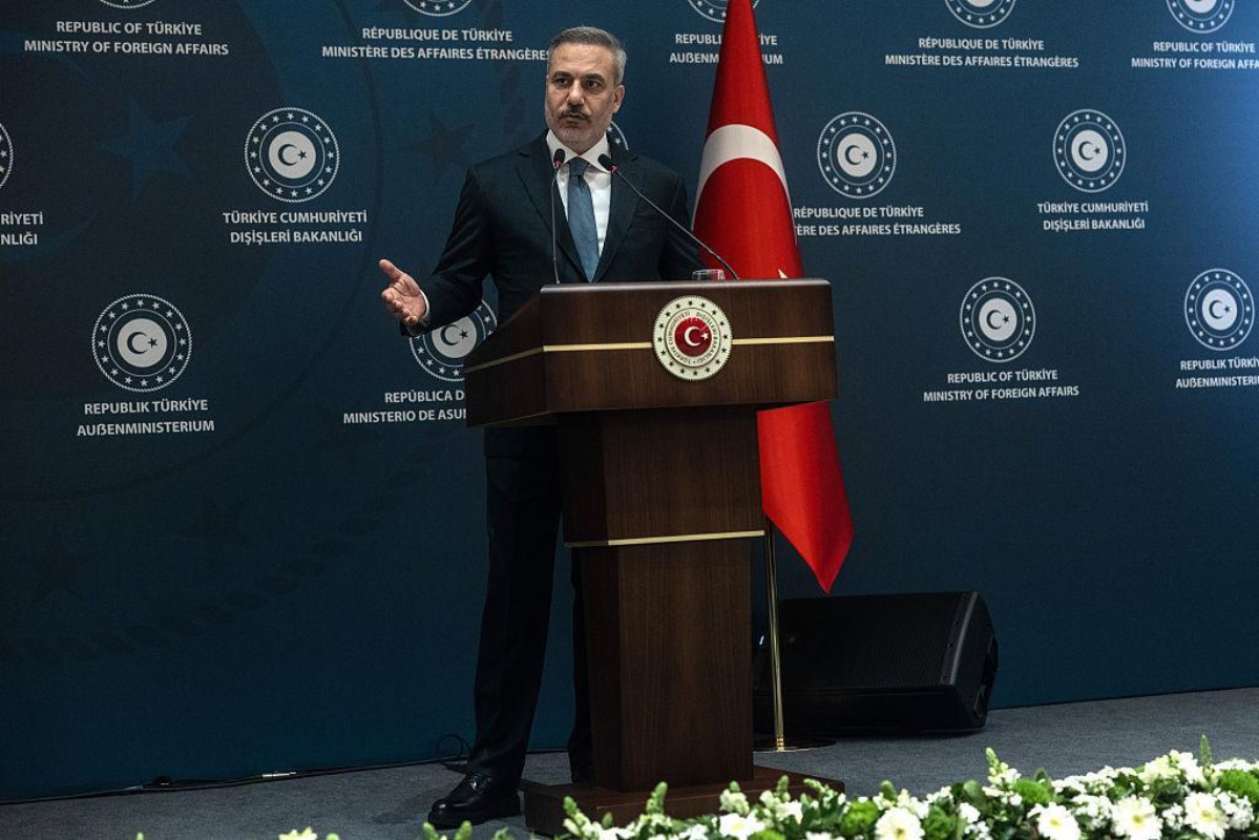
The agreement also strengthens Turkey’s diplomatic posture.
For years, Ankara has attempted to maintain working relationships with the United States, Russia, Iran and Gulf Arab states simultaneously. The survival of the Iranian regime allows Turkey to continue this balancing strategy without being forced into a binary geopolitical choice.
In many ways, Ankara’s role resembles that of a regional intermediary.
Turkey remains one of the few powers capable of communicating with competing blocs across the Middle East, giving it diplomatic leverage that extends beyond its economic and military capabilities.
Israel Remains Ankara’s Main Concern
Behind Turkey’s support for the agreement lies another strategic consideration: Israel’s expanding military footprint across the region.
Over the past two years, Israeli military operations have extended into Gaza, Lebanon, Syria, Yemen, Iraq and Iran. Turkish officials have watched these developments with increasing concern.
President Erdoğan has repeatedly framed Turkey’s security interests as extending beyond its borders, arguing that developments in Aleppo, Damascus and Beirut directly affect Turkish national security.
From Ankara’s perspective, the US-Iran agreement places limits on further military escalation and creates a more predictable regional environment. Any reduction in the risk of a broader regional war is viewed as a strategic gain.
A New Rivalry May Be Emerging
Yet the agreement also presents a long-term dilemma for Turkey.
Iran’s relative weakening over the past two years created opportunities for Ankara to expand its influence in Syria and deepen ties with Iraq. A more economically resilient and internationally connected Iran could eventually return as a stronger competitor for regional influence.
Historically, Turkey and Iran have alternated between cooperation and competition.
The current détente may reduce tensions in the short term, but it could also set the stage for a new geopolitical contest between two of the Middle East’s most influential powers.
The Real Test Is Durability
For Ankara, the value of the agreement does not lie in the signing ceremony itself.
It lies in whether the deal survives.
If negotiations continue successfully and regional tensions remain contained, Turkey could emerge as one of the biggest geopolitical and economic beneficiaries of the new order taking shape across the Middle East.
If the agreement collapses, however, Ankara risks facing the same challenges it sought to avoid: energy shocks, inflationary pressures and renewed regional instability.
For now, Turkey sees the deal as a strategic victory.
But in the Middle East, every victory remains provisional until the next crisis begins.
Source: pagenews.gr
Διαβάστε όλες τις τελευταίες Ειδήσεις από την Ελλάδα και τον Κόσμο