Atlantic See Strengthens Position in Vertical Gas Corridor,Reinforcing Greece’s Role as Regional Energy Hub
 ΧΡΟΝΟΣ ΑΝΑΓΝΩΣΗΣ 5 '
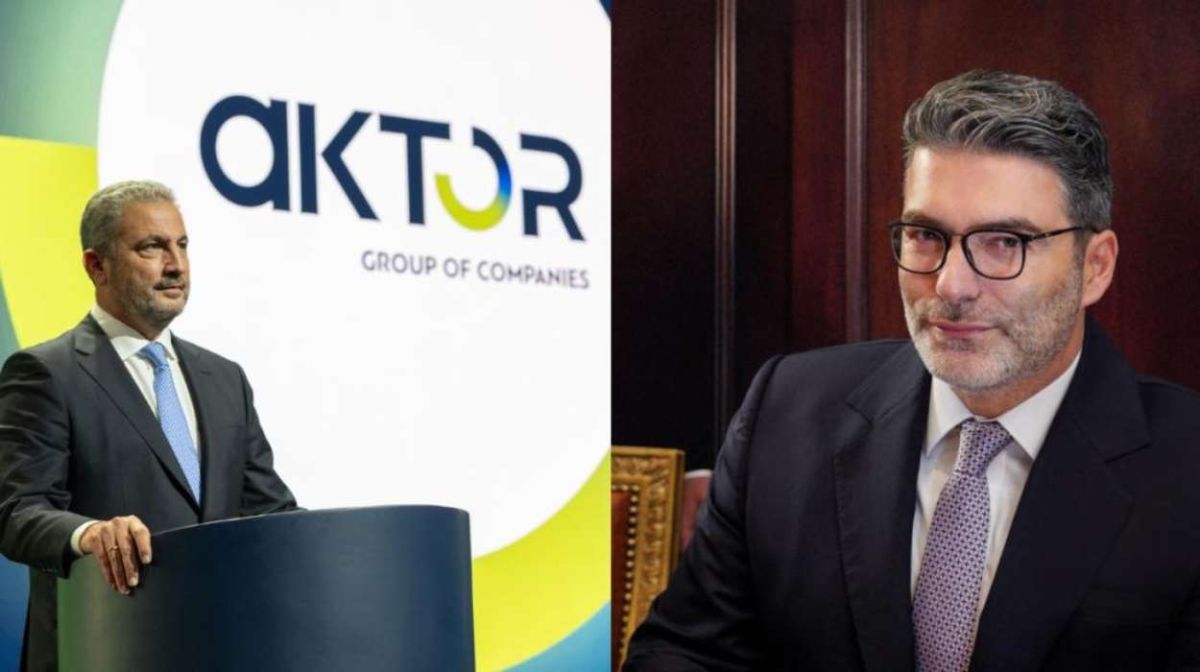
Πηγή Φωτογραφίας: Atlantic See LNG Trade Strengthens Its Position in the Vertical Gas Corridor, Reinforcing Greece's Role as a Regional Energy Hub



Atlantic See LNG Trade, the joint venture between DEPA Commercial and AKTOR Group, has secured 13,000 MWh of daily natural gas transmission capacity, equivalent to approximately 4.7 TWh annually, during the first annual capacity auction under the newly introduced commercial model of the Vertical Gas Corridor.
The successful outcome represents a major milestone not only for the company but also for Greece’s ambition to become a strategic energy gateway connecting LNG imports with markets across Southeast and Central Europe.
A Strategic Move for Atlantic See LNG Trade
The capacity secured through the auction aligns with Atlantic See LNG Trade’s long-term strategy of building a flexible LNG trading platform capable of supplying regional markets through diversified gas routes.
According to the company’s strategic vision, the Vertical Gas Corridor is expected to become one of the principal routes for transporting U.S. liquefied natural gas (LNG) from Greece toward Bulgaria, Romania, Moldova, Ukraine and other Central European markets.
The successful participation in the inaugural auction demonstrates growing commercial confidence in the corridor’s future.
A New Commercial Model for the Vertical Gas Corridor
The auction marks the launch of a significantly redesigned capacity allocation system.
Beginning with the 2026–2027 gas year (October 2026), market participants will gain access to a full portfolio of transportation products, including:
- Daily capacity
- Monthly capacity
- Quarterly capacity
- Annual capacity
The expanded range of products is expected to improve commercial flexibility, enhance cost predictability and make the corridor considerably more attractive for international gas traders.
A European Energy Initiative
The new commercial framework was jointly developed by the transmission system operators:
- DESFA (Greece)
- Bulgartransgaz (Bulgaria)
- Transgaz (Romania)
- Vestmoldtransgaz (Moldova)
- GTSOU (Ukraine)
- ICGB
in close cooperation with the European Commission, ACER, and the respective national regulatory authorities.
The framework fully complies with EU Regulation 2017/460, introducing a transparent and harmonized tariff structure across the entire corridor while addressing shortcomings identified under the previous commercial model.
Strengthening Greece’s Energy Hub Ambition
The successful auction further reinforces Greece’s position as an emerging regional energy hub.
The transmission capacity booked at the Sidirokastro interconnection point is not intended exclusively for Ukraine but can supply any destination connected to the Vertical Gas Corridor, providing greater flexibility for regional gas flows.
This diversification supports the European Union’s broader strategy of reducing dependence on Russian natural gas while strengthening supply security through alternative LNG sources.
AKTOR’s Long-Term Energy Strategy
The latest development forms part of Atlantic See LNG Trade’s broader regional expansion strategy.
The joint venture has already secured 20-year transmission rights on the Western Corridor, enabling the annual transport of approximately 1 bcm of U.S. LNG supplied by Venture Global to Albania and the Western Balkans beginning in 2030.
At the same time, the company is working to convert existing memoranda of understanding signed with partners in Bulgaria, Romania and Ukraine into long-term binding commercial agreements.
These initiatives position Atlantic See LNG Trade among the emerging regional players shaping Southeast Europe’s evolving natural gas market.
Replacing an Outdated Commercial Framework
The previous commercial model governing the Vertical Gas Corridor faced several structural challenges.
Its competitiveness relied heavily on discounted transportation tariffs, an approach that was increasingly viewed by the European Commission as incompatible with EU regulatory requirements.
In addition, competing gas routes—particularly through Poland—offered more competitive transportation costs, limiting the corridor’s commercial attractiveness.
The newly introduced framework is designed to resolve these issues through transparent pricing, harmonized tariffs and greater commercial flexibility.
The first successful auction under the new Vertical Gas Corridor framework represents far more than a commercial transaction. It reflects the European Union’s broader effort to diversify natural gas supply routes, strengthen regional energy security and reduce long-term dependence on Russian gas. Atlantic See LNG Trade’s strong participation demonstrates the growing strategic role of Greece as a gateway for U.S. LNG entering Southeast and Central Europe. As regional interconnections expand and new commercial agreements take shape, the Vertical Gas Corridor is increasingly positioned to become one of Europe’s key energy arteries, enhancing both market resilience and geopolitical stability across the region.
Source: pagenews.gr
Διαβάστε όλες τις τελευταίες Ειδήσεις από την Ελλάδα και τον Κόσμο