Psaltis Sends a Clear Message: “Let Banks Finance Growth, Not Politics”
 ΧΡΟΝΟΣ ΑΝΑΓΝΩΣΗΣ 5 '
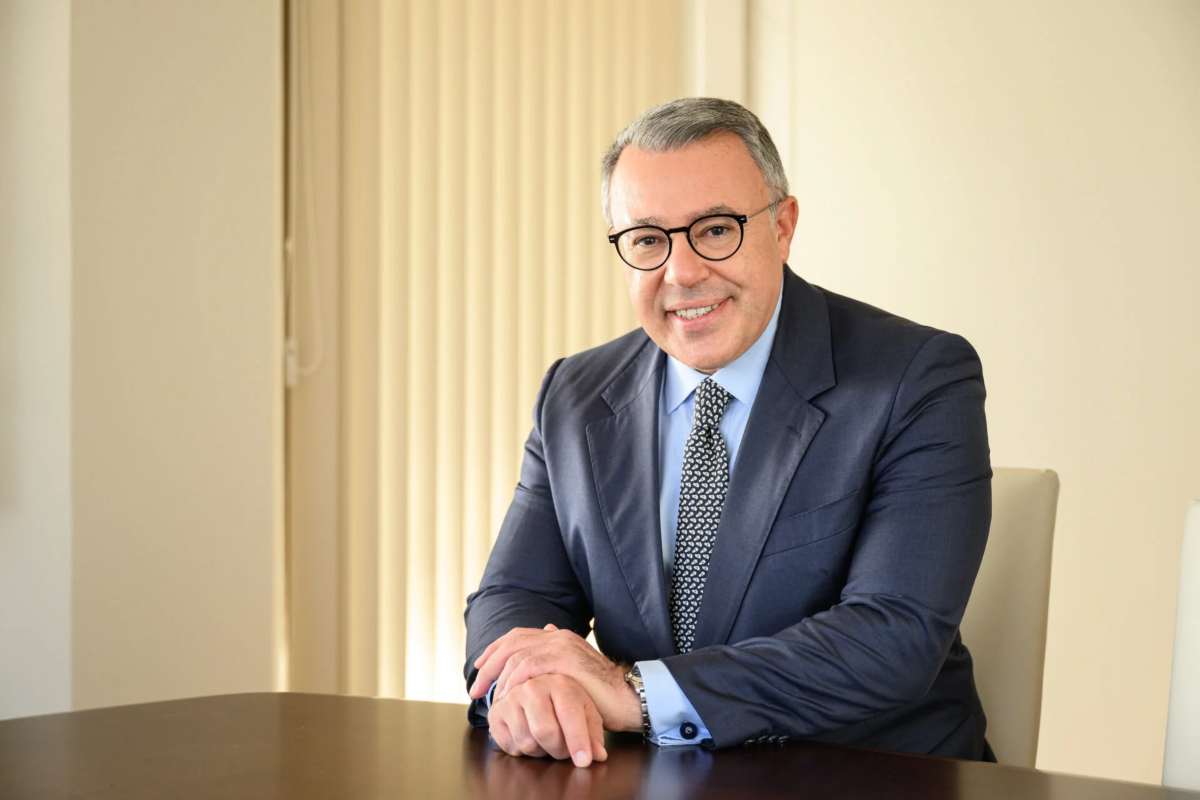
Πηγή Φωτογραφίας: eurokinissi//Psaltis Sends a Clear Message: “Let Banks Finance Growth, Not Politics”



A message to politics: “Banks did not create Greece’s financial crisis—they absorbed it,” Psaltis said, recalling the €37 billion losses from the PSI debt restructuring, three recapitalizations and the preservation of depositors’ savings.
- The next national challenge: Greece has regained investment-grade status, but its GDP per capita remains only 68% of the EU average, highlighting that economic convergence is still incomplete.
- Growth requires stability: Psaltis argues that sustainable prosperity depends on productive investment, private savings and financial stability—not politically driven interventions in the banking system.
Banks became the easiest political target
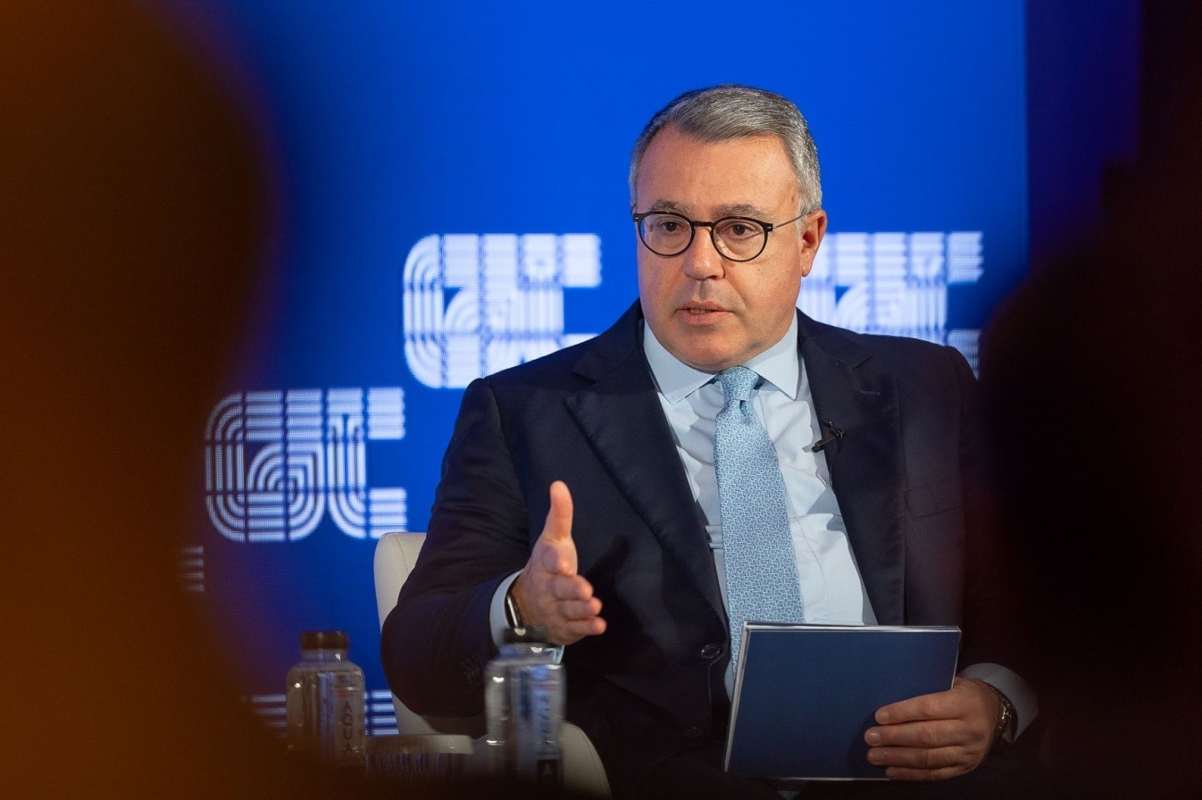
Speaking at Alpha Bank’s Annual General Meeting, CEO Vassilis Psaltis delivered what many observers interpreted as a broader message to Greece’s political establishment.
“In times of uncertainty, banks are always the easiest target,” he noted.
Yet he reminded shareholders and policymakers alike that Greek banks:
- absorbed more than €37 billion in losses during the 2012 PSI sovereign debt restructuring;
- survived three recapitalizations;
- weathered capital controls;
- protected household deposits throughout the financial crisis;
- reduced non-performing exposures (NPEs) from crisis-era highs to around 3.3%, close to the European average of 2.2%;
- maintained a capital adequacy ratio of approximately 15.2%.
Psaltis acknowledged that mistakes were made during the crisis years, but stressed that responsibility should be assigned “with fairness and without convenient simplifications.”
Recovery is no longer enough
According to Psaltis, Greece has successfully achieved what seemed impossible a decade ago.
The country has:
- regained investment-grade status from the major credit rating agencies;
- restored fiscal credibility;
- returned to sustained economic growth;
- rebuilt a resilient banking sector.
However, he argued that these achievements represent only the starting point.
“The real challenge is no longer recovery,” he said.
“It is convergence.”
Despite years of progress, Greece’s GDP per capita still stands at only 68% of the European Union average, illustrating how much work remains before the country reaches the productivity levels of its European peers.
Greece must change its economic model
Psaltis raised a fundamental question:
“Is today’s growth the kind of growth Greece actually needs?”
His answer was cautious.
The Greek economy remains heavily dependent on:
- domestic consumption;
- tourism;
- relatively low productivity sectors.
Without a shift toward investment-led, innovation-driven growth, he warned, Greece risks falling behind again.
“The cost of inaction will eventually return,” he cautioned.
Private savings matter
One of the strongest messages in Psaltis’ speech concerned household savings.
He argued that Greece lacks a long-term investment culture, while a significant share of household deposits remains idle instead of being invested productively.
Against the backdrop of demographic ageing and mounting pension pressures, Psaltis called for stronger development of occupational and private pension schemes.
“Strengthening private and institutional savings is not merely a policy choice—it is a macroeconomic necessity.”
The renewed political debate
Psaltis’ intervention coincided with renewed criticism of the banking sector by former Prime Minister Alexis Tsipras.
Tsipras proposed:
- accelerating the repayment of banks’ deferred tax credits;
- imposing additional taxes on bank profits;
- pushing banks to expand lending more aggressively.
The debate centers largely on Deferred Tax Credits (DTCs), which remain a significant component of Greek banks’ regulatory capital following the sovereign debt crisis.
Many banking analysts argue that forcing a much faster repayment schedule could require substantial new capital injections, potentially affecting investor confidence and banks’ lending capacity.
Likewise, expanding credit without maintaining prudent lending standards could recreate the conditions that contributed to the accumulation of non-performing loans before the Greek debt crisis.
Financial stability versus political intervention
Psaltis’ remarks reflected a broader philosophy about Greece’s next phase of development.
The country has largely repaired its fiscal credibility.
Its banking system has returned to profitability.
Investment-grade status has reopened international capital markets.
But maintaining these gains requires predictability, institutional stability and a banking sector capable of financing productive investment without repeating the excesses of the past.
His central message was straightforward:
Economic convergence with Europe will not be achieved through political pressure on banks, but through stronger productivity, higher investment, greater innovation and responsible financial intermediation.
For Greece, the next chapter is no longer about surviving the crisis—it is about building a competitive economy capable of sustaining long-term prosperity.
Source: pagenews.gr
Διαβάστε όλες τις τελευταίες Ειδήσεις από την Ελλάδα και τον Κόσμο