Who Will Break Their Promise First? Israel’s Four Paths Out of Election Deadlock
 ΧΡΟΝΟΣ ΑΝΑΓΝΩΣΗΣ 5 '
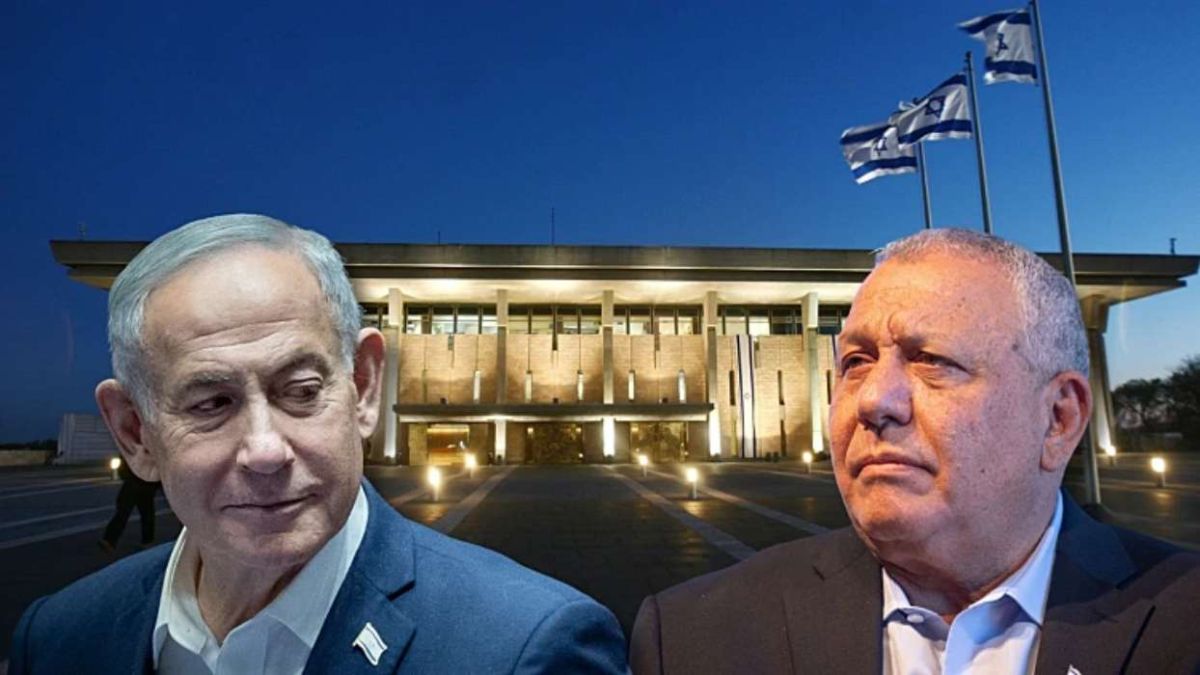
Πηγή Φωτογραφίας: Credit: Avshalom Sassoni/Flash90 · Chaim Goldberg/Flash90. Πηγή: The Times of Israel · Αρχείο εικόνας Πηγή: Channel 13 Credit: Yonatan Sindel, Miriam Alster, Orel Cohen / Flash90



Israel’s election gave Likud first place but denied Benjamin Netanyahu a parliamentary majority. It gave his opponents an opportunity to challenge his leadership without establishing that they can govern together.
That is the central problem facing Israel: several governments are mathematically possible, but none yet rests on a political agreement.
With 90.4% of votes counted, according to an update published early on Thursday, October 29, the provisional distribution remained 53 seats for Netanyahu’s bloc, 48 for Gadi Eisenkot’s bloc and 19 for the Arab-led parties.
These are not final results. They nevertheless illustrate the challenge: neither main camp commands an absolute majority of 61 seats in the 120-member Knesset.
Scenario One: A Unity Government at the Cost of Campaign Promises
An alliance bringing together Likud, Eisenkot’s Yashar, Naftali Bennett’s Together and Avigdor Lieberman’s Yisrael Beytenu could command 66 seats, based on the provisional allocation.
The arithmetic provides a majority. Politics supplies the obstacles.
Netanyahu would have to negotiate a different governing arrangement, potentially distancing himself from traditional allies among the far-right and ultra-Orthodox parties. His opponents would have to explain why they were cooperating with the prime minister they had promised to replace.
An agreement would therefore require more than distributing ministries. The parties would need to settle the leadership question, establish credible guarantees and agree on government priorities.
A major new security crisis could increase pressure for unity. It would not automatically erase mistrust between the prospective partners.
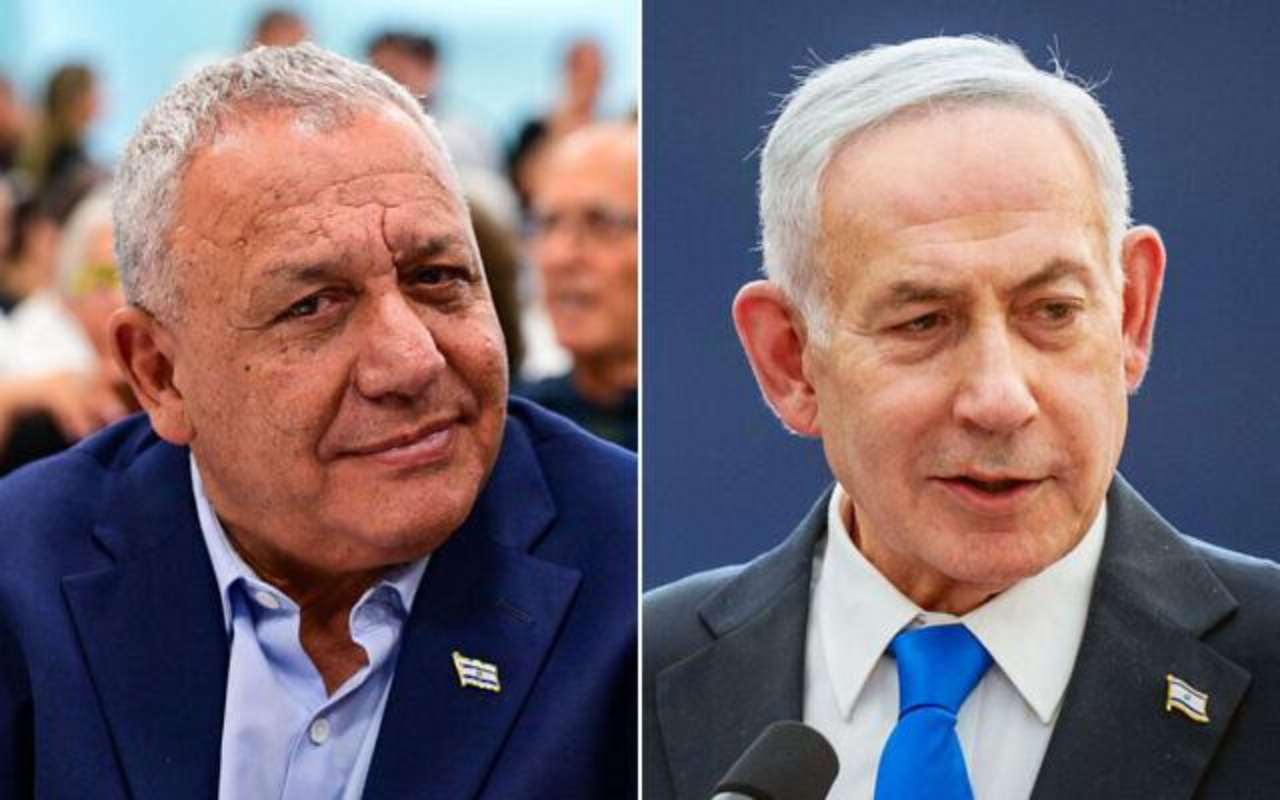
Scenario Two: Eisenkot Governs With Arab Parliamentary Support
Eisenkot’s bloc and the two Arab-led parties together account for 67 seats.
That provides the strongest numerical foundation for a government without Netanyahu. It does not constitute a unified political coalition.
One possibility is an administration formed by the opposition parties, with Ra’am and the Joint List providing support without joining the cabinet.
The distinction between government membership and external parliamentary backing could create negotiating space. It would not overcome objections from politicians who reject even a government’s dependence on Arab-party votes.
Eisenkot would also need agreement within his own camp. Lieberman’s position, conditions for cooperation and disagreements over security complicate this route.
Those 67 seats can replace Netanyahu only if they translate into concrete commitments on the votes that matter.
Ra’am’s participation in the Bennett–Lapid government in 2021–2022 demonstrates that such cooperation is possible. It also illustrates that assembling a coalition and keeping it together are separate challenges.
Scenario Three: Netanyahu Finds the Eight Seats He Is Missing
With 53 seats, Netanyahu’s outgoing coalition is eight short of an absolute majority.
He could try to recruit an opposition party or individual lawmakers. He has extensive experience negotiating alliances and exploiting differences among his rivals.
But this route requires more than personal approaches. A prospective partner would have to accept the political cost of changing sides and secure workable terms for cooperation.
Concessions to a new partner could also provoke resistance among the prime minister’s existing allies.
Netanyahu’s challenge is to add support without losing part of the backing he already holds.
Likud’s first-place finish strengthens his negotiating position. It does not, by itself, secure another term.
Scenario Four: Failed Negotiations and Another Election
If none of these routes produces sufficient parliamentary support, Israel could return to the polls.
That would not happen immediately after the first failed negotiation. Following publication of the official results, President Isaac Herzog will consult the parties and assign the task of forming a government.
The first nominee has 28 days, with a possible extension of up to 14 days. Failure would trigger further constitutional stages and opportunities for another candidate.
Herzog has urged parties to make every effort to avoid another election and approach consultations with an open mind.
Until a new government takes office, Netanyahu remains at the head of the outgoing administration. Prolonged negotiations preserve that arrangement while extending political uncertainty.
The Next Government Depends on Concessions
Israel’s problem is not a shortage of possible combinations. It is that the available combinations require some leaders to reconsider commitments they made during the campaign.
A unity government requires agreement between political and personal rivals. An Eisenkot-led alternative requires an understanding over the role of Arab-led parties. A rebuilt Netanyahu majority requires support from across the political divide.
If every leader maintains every red line, the route toward another election becomes narrower and more likely.
The question shaping the coming weeks is therefore specific: who can concede enough to form a government without losing the support needed to sustain it?
Source: pagenews.gr
Διαβάστε όλες τις τελευταίες Ειδήσεις από την Ελλάδα και τον Κόσμο