Is Trump’s Republican Fortress Cracking? The 47%–46% Senate Race Raising Alarm
 ΧΡΟΝΟΣ ΑΝΑΓΝΩΣΗΣ 5 '
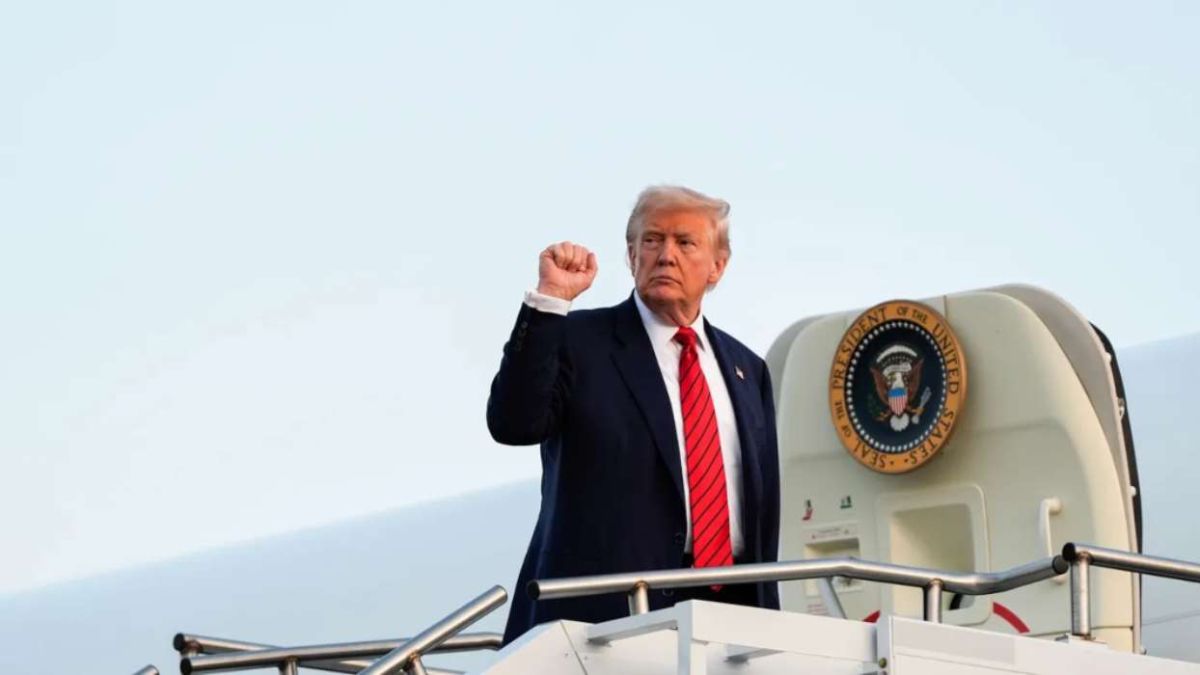
Πηγή Φωτογραφίας: US President Donald Trump makes a fist as he boards Air Force One at Harry Reid International Airport before departing for Bullhead City, Arizona, in Las Vegas, Nevada, US, October 14, 2026. REUTERS/Evan Vucci



Donald Trump is returning to South Carolina for his second campaign rally in two weeks. Republicans would ordinarily expect a comfortable victory in the state. This time, polling suggests they must fight to retain its Senate seat.
Republican Senator Darline Graham faces Democratic pediatrician Annie Andrews in a contest that has become a test of the president’s electoral influence.
A South Carolina Policy Council poll reported by local broadcaster WCSC on October 28 puts Graham at 47% and Andrews at 46%. The one-point gap falls within the survey’s reported ±2.77-percentage-point margin of error.
The poll does not predict a Democratic upset. It shows a race far more uncertain than Republicans would like just days before the November 3 election.
The warning comes from conservative territory
Another finding from the same survey makes the Senate contest particularly revealing: Republican gubernatorial candidate Alan Wilson leads Democrat Jermaine Johnson by ten percentage points.
The contrast suggests South Carolina is not necessarily moving uniformly toward Democrats. Candidate quality, campaign performance and assessments of the federal government can produce different voting choices within the same state.
The survey also found 52% of respondents satisfied with South Carolina’s direction, compared with 42% satisfied with the country’s direction.
That does not establish that Trump is causing Graham’s difficulties. It does help explain why her campaign cannot rely exclusively on the state’s conservative identity.
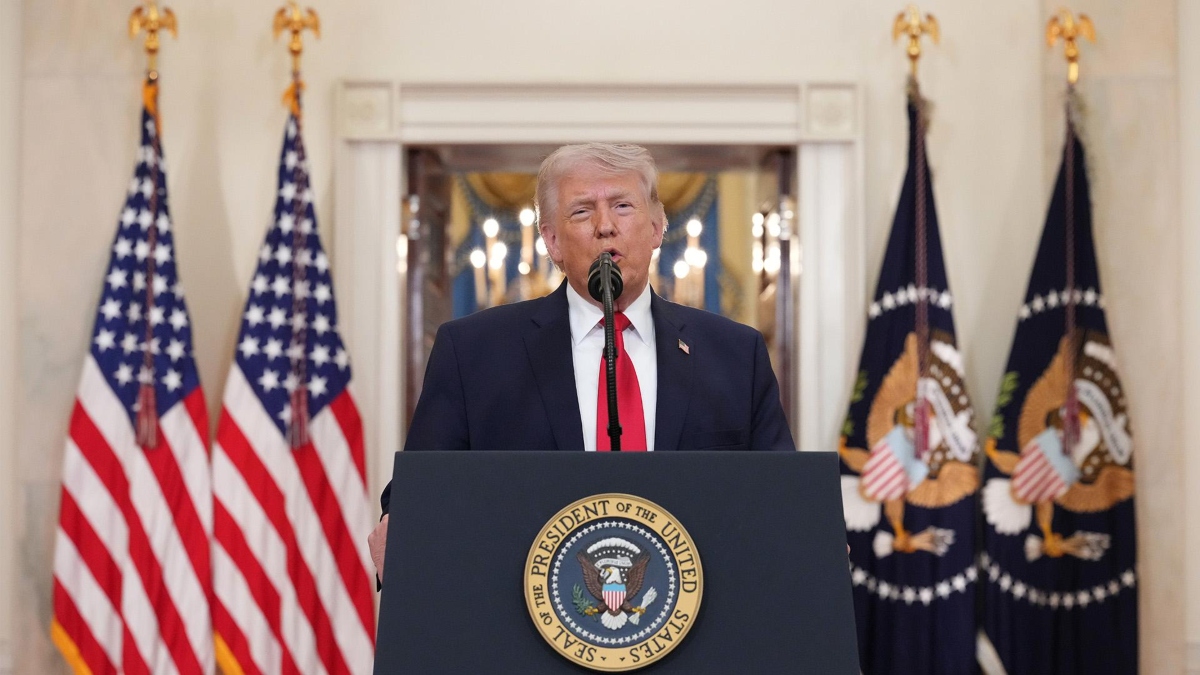
Lindsey Graham’s substantial political legacy
Darline Graham took office after the sudden death of her brother, Lindsey Graham, in July. Governor Henry McMaster announced her appointment on July 13, 2026, to complete the remaining term.
Lindsey Graham had been an influential Republican foreign-policy figure and a close Trump ally. His sister must now translate that political legacy into an electoral mandate of her own.
The president has invested personally in her candidacy. At his October 21 rally, he emphasised the siblings’ relationship, saying of the late senator:
“He respected Darline more than any person alive.”
Trump’s endorsement provides access to the Republican base. The question is whether it can also mobilise hesitant voters and limit defections to her opponent.
Graham has responded to criticism of her campaign performance by stressing that she is not a career politician. Her campaign places greater emphasis on support from voters and the president than on endorsements from other political figures.
Andrews seeks support across party lines
The Democratic challenger has secured endorsements from two former governors: Republican David Beasley and Democrat Jim Hodges, who appeared in a television advertisement supporting her.
That bipartisan presentation has practical political value. It gives Andrews a way to appeal to voters who remain conservative but do not regard supporting Graham as automatic.
Former Republican Governor Nikki Haley, who served in Trump’s first administration before challenging him in the presidential primaries, has not endorsed either candidate, according to Reuters.
Her position does not amount to support for Andrews. It does, however, leave Graham without a public demonstration of unity among all the state’s most prominent Republican figures.
Every dollar spent defending is unavailable for attacking
South Carolina matters beyond this individual seat because it changes the allocation of campaign resources.
Republicans had hoped to pressure Democrats in Michigan and Georgia and saw opportunities in Minnesota. The need to defend traditionally Republican territory forces the party to redirect money, staff and presidential appearances.
The political cost begins before a seat is lost: it starts when a party must defend territory it expected to hold comfortably.
Trump’s schedule reflects that pressure. According to Reuters, he has campaigned across 19 states since the beginning of October, with appearances also planned in Florida, Kansas and Iowa before Election Day.
The president’s personal influence faces an electoral test
Trump’s repeated presence in South Carolina gives Graham publicity and an opportunity to mobilise supporters. It also links her result more closely to the White House’s political standing.
If she wins, the president can argue that his intervention helped preserve an important seat. If she loses, questions will intensify about the limits of his influence when voters are concerned about living costs, the economy and international instability.
Until then, South Carolina remains a competitive contest, rather than a Democratic victory waiting to happen.
But the 47%–46% polling gap explains why Trump is returning: Republicans can no longer afford to treat this Senate seat as secure.
Source: pagenews.gr
Διαβάστε όλες τις τελευταίες Ειδήσεις από την Ελλάδα και τον Κόσμο