Saudi Oil Production Surges Back Towards Pre-War Levels as Global Energy Markets Shift
 ΧΡΟΝΟΣ ΑΝΑΓΝΩΣΗΣ 11 '
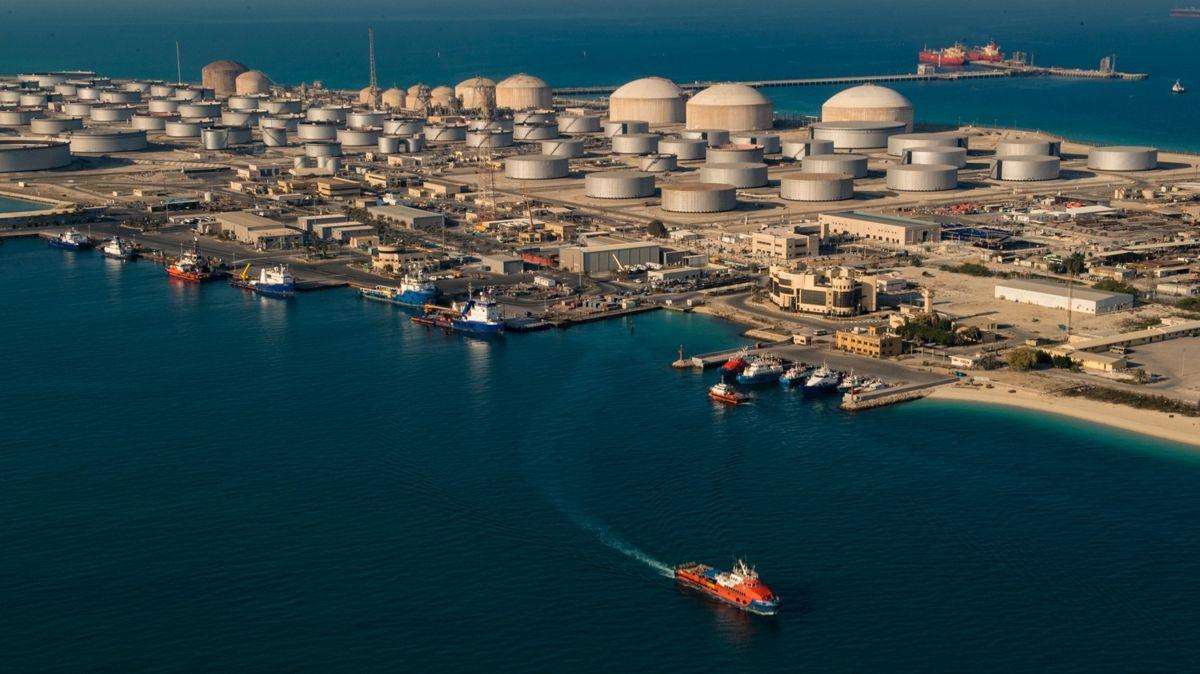
Πηγή Φωτογραφίας: AP Photo//Saudi Oil Production Surges Back Towards Pre-War Levels as Global Energy Markets Shift



Saudi Arabia is staging a remarkable recovery in oil production, bringing output close to pre-war levels despite the continuing geopolitical instability surrounding Iran and the Persian Gulf.
According to figures released by OPEC on November 11, Saudi crude production reached 10.563 million barrels per day in October, compared with 8.372 million barrels per day in September.
The increase of approximately 2.19 million barrels per day in a single month represents one of the most significant rebounds in the kingdom’s recent production history.
Output is now approaching the 10.882 million barrels per day reported for February, the final month before the conflict with Iran disrupted energy flows across the region.
The recovery comes as international oil prices retreat from wartime highs and investors reassess the prospects for diplomatic de-escalation between Washington and Tehran.
For global energy markets, the implications extend far beyond Saudi Arabia.
Saudi Arabia Rebuilds Its Oil Production
The recovery marks a significant reversal from the severe disruption experienced earlier in the year.
The conflict involving Iran had complicated oil exports from the Persian Gulf, restricting tanker movements and forcing several producers to reduce output.
Saudi Arabia was particularly affected by disruptions to shipping routes, which limited its ability to export crude even when production capacity remained available.
According to OPEC data, Saudi output had fallen to approximately 6.238 million barrels per day in August.
Production subsequently recovered in September before accelerating sharply in October.
The latest figures suggest that the kingdom has restored much of the operational capacity affected by the conflict.
However, the rebound does not mean that the security risks facing oil infrastructure and maritime transport have disappeared.
The durability of the recovery will depend heavily on regional stability.
OPEC+ Production Climbs Above 41 Million Barrels a Day
Saudi Arabia is not the only producer increasing output.
OPEC’s latest monthly report shows that combined production across the OPEC+ alliance rose to approximately 41.23 million barrels per day in October.
That represents an increase of roughly 2.04 million barrels per day compared with September, based on estimates from the independent secondary sources used by the organisation.
The figures reflect a broader recovery in oil production across several major exporting countries.
Saudi Arabia accounts for a substantial share of the increase, although production data differ depending on whether they are based on national government submissions or independent assessments.
The additional supply is helping to ease the shortages that pushed international oil prices higher during the conflict.
It also creates new challenges for OPEC+, which must balance the interests of producers seeking to restore exports against the risk of oversupplying the market.
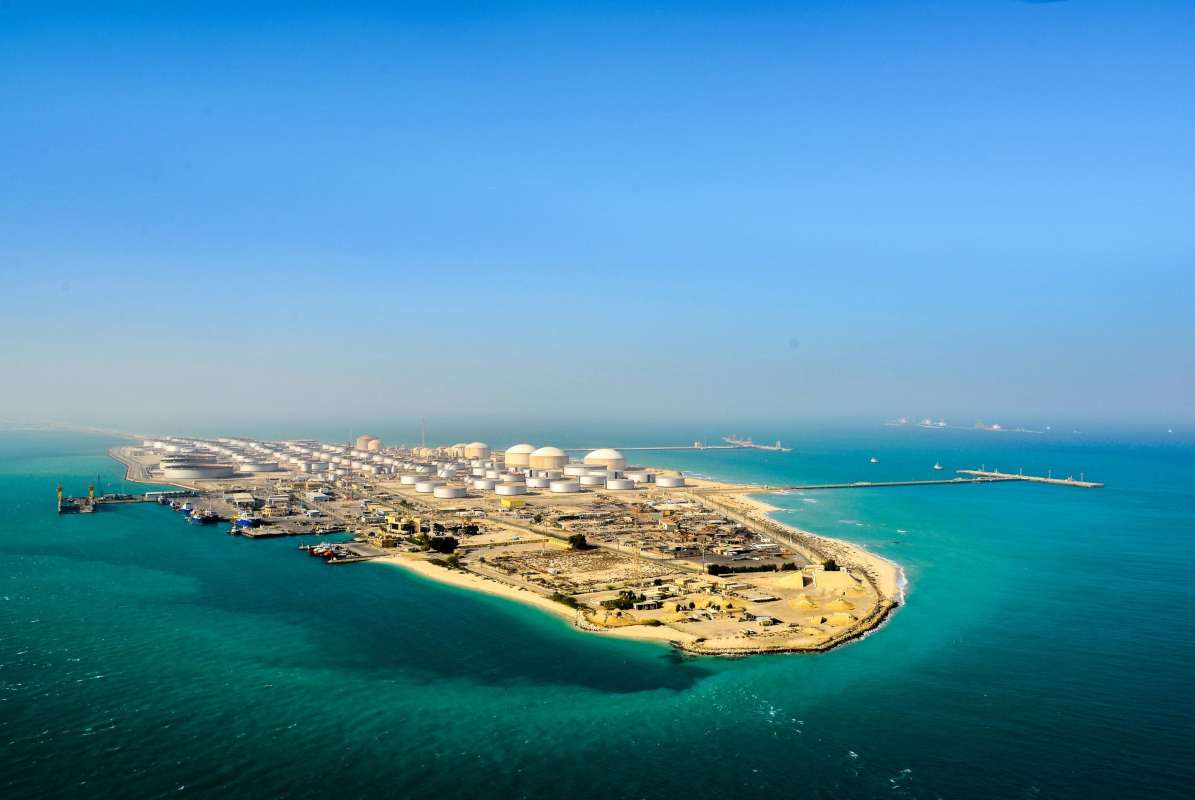
The Strait of Hormuz Remains the Critical Vulnerability
The recovery in Saudi output has been supported by improvements in the movement of crude through regional shipping routes.
The Strait of Hormuz, one of the world’s most strategically important maritime energy corridors, has remained a central concern throughout the conflict.
Disruptions to tanker traffic forced producers to seek alternative export routes and adjust production schedules.
Saudi Arabia expanded its use of infrastructure connecting its oil fields to export facilities on the Red Sea, reducing some of its dependence on Gulf shipping.
At the same time, tanker movements through the Strait of Hormuz have gradually recovered.
According to tanker-tracking data reported by Bloomberg, Saudi crude exports averaged approximately 7 million barrels per day in October.
That figure is approaching pre-war export levels.
Nevertheless, maritime security remains a major source of uncertainty.
Any renewed disruption to shipping could quickly affect oil flows and international prices.
Brent Falls Below $90 as Supply Pressures Ease
The recovery in Middle Eastern production coincides with a significant decline in global crude prices.
On November 10, Brent crude fell to approximately $89.21 per barrel, dropping below $90 for the first time since August.
The decline reflected both improving supply conditions and expectations of a possible diplomatic easing of tensions involving Iran.
US President Donald Trump indicated that diplomatic efforts were making progress and suggested that further American strikes against Iran were not an immediate priority.
Investors interpreted the remarks as a potential sign of reduced geopolitical risk.
Combined with the return of additional oil supplies, this has helped remove some of the risk premium that had accumulated in crude prices.
However, oil remains more expensive than before the conflict began.
The market is therefore experiencing a partial normalisation rather than a complete return to pre-war conditions.
JPMorgan Sees the Global Oil Market Returning to Surplus
The recovery in Middle Eastern supply is reinforcing expectations that the global oil market is moving away from the shortages experienced earlier in the year.
According to estimates from JPMorgan, the market returned to a surplus of approximately 1.1 million barrels per day in September.
The surplus is estimated to have widened to around 1.4 million barrels per day in October.
The bank’s analysis suggests that rising supply and recovering commercial inventories are changing the balance between production and consumption.
Global crude imports reportedly reached approximately 44.9 million barrels per day in October, an increase of 1.3 million barrels per day compared with the previous year.
Meanwhile, demand has been weakened by high energy prices and the wider economic consequences of the conflict.
JPMorgan estimates that global oil demand has declined by approximately 3.3 million barrels per day since the war began.
The combination of recovering production and softer consumption helps explain the recent decline in oil prices.
HSBC Revises Saudi Production Forecasts Higher
The speed of Saudi Arabia’s recovery has prompted analysts to reassess their expectations for the kingdom’s oil sector.
HSBC raised its forecast for Saudi Aramco’s fourth-quarter 2026 production to 8.3 million barrels per day, up from its previous estimate of 6.3 million.
For 2027, the bank increased its forecast to 9.8 million barrels per day, compared with an earlier projection of 8.8 million.
HSBC also suggested that Saudi production could approach 10 million barrels per day by the middle of 2027.
These forecasts were prepared before the latest OPEC production figures became available and should be understood as analysts’ estimates rather than official Saudi production targets.
The October figures nevertheless demonstrate that the recovery has proceeded faster than many earlier projections anticipated.
Saudi Aramco Pushes to Restore Output
Saudi Aramco, the kingdom’s state-controlled energy company, has made restoring production a central operational priority.
Its chief executive, Amin Nasser, indicated at an energy conference in Abu Dhabi that the company intended to maximise production during the final quarter of the year, subject to operating conditions.
The strategy reflects Riyadh’s determination to recover export volumes, make use of its substantial production capacity and preserve its position in global energy markets.
Saudi Aramco remains one of the world’s most influential oil producers, with extensive production, processing and export infrastructure.
Its ability to increase output rapidly gives Saudi Arabia considerable influence over global supply conditions.
However, that influence is still constrained by the security of regional energy facilities and shipping routes.
Iran’s Production Declines as Regional Rivals Recover
The recovery in Saudi production contrasts sharply with developments in Iran.
Iranian oil output continues to face severe constraints resulting from the conflict and restrictions on exports.
According to a Bloomberg survey, Iranian production fell to approximately 1.9 million barrels per day in October, its lowest level in the survey’s historical series since 1989.
Other producers have moved in the opposite direction.
Iraq reportedly increased production by approximately 140,000 barrels per day to 4.15 million, while Kuwait added around 130,000 barrels per day, bringing its output to approximately 2 million.
These differences illustrate the uneven impact of the conflict across the Middle East.
Saudi Arabia is recovering market access and production capacity while Iran remains under considerable pressure.
The resulting shift could influence regional energy relationships well beyond the immediate conflict.
What Lower Oil Prices Mean for Europe
A sustained increase in global oil supply could provide relief to European economies struggling with elevated energy costs.
Europe remains exposed to fluctuations in international crude prices, particularly through transportation, industrial production and consumer fuel costs.
For countries such as Greece, where imported petroleum plays an important role in the economy, lower crude prices could help ease inflationary pressures.
Potential benefits include reduced transport costs, lower fuel expenses for businesses and households, and improved conditions for aviation and shipping.
However, lower crude prices do not automatically translate into equivalent reductions at petrol stations.
Taxes, refining margins, exchange rates and domestic market conditions all influence the final price paid by consumers.
The economic benefits of Saudi Arabia’s production recovery will therefore depend on whether lower international prices are sustained and passed through to the wider economy.
OPEC+ Faces a Crucial Decision on November 29
Attention is now turning to the next OPEC+ ministerial meeting, scheduled for November 29.
The alliance is expected to review production targets and capacity assessments for 2027.
The discussions will take place against a significantly different market backdrop from the one that prevailed during the height of the conflict.
With Saudi production recovering, Iranian exports constrained and global demand showing signs of weakness, producers face difficult decisions over how much crude to supply.
Increasing output too aggressively could place further downward pressure on prices.
Maintaining restrictions, however, could limit the ability of some countries to regain export revenues and market share.
Saudi Arabia is expected to play a central role in those discussions because of its production capacity and influence within the alliance.
A New Phase for Global Energy Markets
Saudi Arabia’s return towards pre-war production levels marks an important turning point for international oil markets.
The kingdom has demonstrated its ability to restore substantial volumes of crude despite the disruption caused by the conflict involving Iran.
The increase in supply is helping to ease pressure on prices and reduce concerns about immediate shortages.
At the same time, the market remains vulnerable to renewed geopolitical instability.
The security of the Strait of Hormuz, the future of the conflict with Iran and the decisions taken by OPEC+ will determine whether the current recovery can be sustained.
Saudi Arabia is bringing oil production back towards normal levels. The larger question is whether the Middle East can restore stable energy exports while the underlying geopolitical conflict remains unresolved.
Source: pagenews.gr
Διαβάστε όλες τις τελευταίες Ειδήσεις από την Ελλάδα και τον Κόσμο