Banks: The five commissions that the government is pushing to reduce
 ΧΡΟΝΟΣ ΑΝΑΓΝΩΣΗΣ 4 '
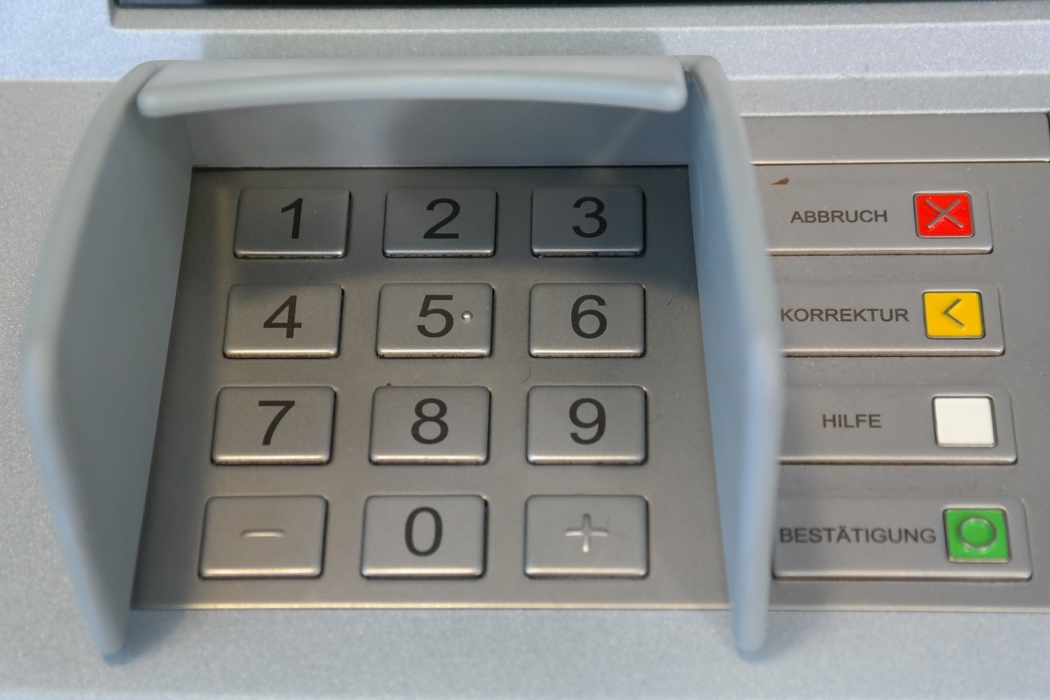
Πηγή Φωτογραφίας: Pixabay//Banks: The five commissions that the government is pushing to reduce



The government is stepping up pressure on systemic banks by putting the spotlight on reducing bank commissions for so-called “people’s” transactions. These are everyday transactions that directly affect citizens and have recently come under intense criticism for excessive charges.
They have been the subject of considerable criticism because of the recent criticism of the financial crisis.
The government is increasing pressure on banks, aiming both to reduce excessive fees in everyday transactions and to make the most of the large stock of real estate they hold in their portfolios.
The possibility of an increase in the ENFIA for properties left unoccupied by banks and servicers was also confirmed by Ministry of National Economy and Finance spokesman Homer Tsapalos,
The “people’s” transactions concern basic banking services related to the everyday life of citizens. The first changes focus on five key categories of transactions that are in the government’s crosshairs:
– Transfers: Currently, fees for money transfers are up to €5 for amounts up to €1,000. The government cites an EU directive that sets caps on commissions, with the aim of limiting them to between €0.50 and €1.20.
The government is citing an EU directive that sets caps on commissions, with the aim of limiting them to between €0.50 and €1.20.
– Bill payments: The current charge is up to €1 per transaction. A reduction of at least 50% is planned, so that the cost to the consumer is significantly lower.
– Card replacement: Citizens are currently charged up to €5 for replacing a bank card. The government aims to completely zero this charge.
The government aims to completely zero this charge.
– Loan file fees: Fees charged for processing loan applications are expected to be reviewed, with the aim of reducing costs for borrowers.
– Withdrawals from ATMs in remote areas: In areas where only one bank network operates, the abolition of fees for withdrawals is being promoted to make it easier for residents in remote areas.

Only those who have only a limited number of bank branches are allowed to operate in remote areas to facilitate people from out-of-town.
Although these transactions account for about 13% of banks’ total commission income, estimates suggest that reducing them by even half will not significantly affect banks’ overall profitability.
For 2024, “popular” commissions are estimated to bring in a total of €70-80 million to the four systemic banks, against total commission income of €600 million.
Yesterday, the spokesman for the Ministry of National Economy and Finance, Omiros Tsapalos, stressed that the government is seeking a balance between the demands of citizens and the stability of the banking system. “We are not pampering the banks, but there has to be a balance,” he said, clarifying that any gains from commissions and interest rates must be accompanied by a strengthening of social responsibility.
He even gave the outline of the government’s policy, stating that the plan focuses on three pillars:
- 1. Reducing “people’s” procurement: Enhancing the use of the IRIS platform and reducing charges for day-to-day transactions.
- 2. Strengthen competition between banks: Aiming to reduce costs for customers.
- 3. Real estate utilization: increasing the ENFIA on idle properties to boost market supply and reduce purchase and rental prices.
According to a statement, “the government is closely monitoring the banks’ moves and is signalling that if there are no substantial initiatives, there will be legislative interventions, both in procurement and in the management of the real estate stock.”
Source: pagenews.gr
Διαβάστε όλες τις τελευταίες Ειδήσεις από την Ελλάδα και τον Κόσμο