Supreme Court Rejects Kövesi Appeal in Landmark Clash Between National and EU Judicial Authority
 ΧΡΟΝΟΣ ΑΝΑΓΝΩΣΗΣ 5 '
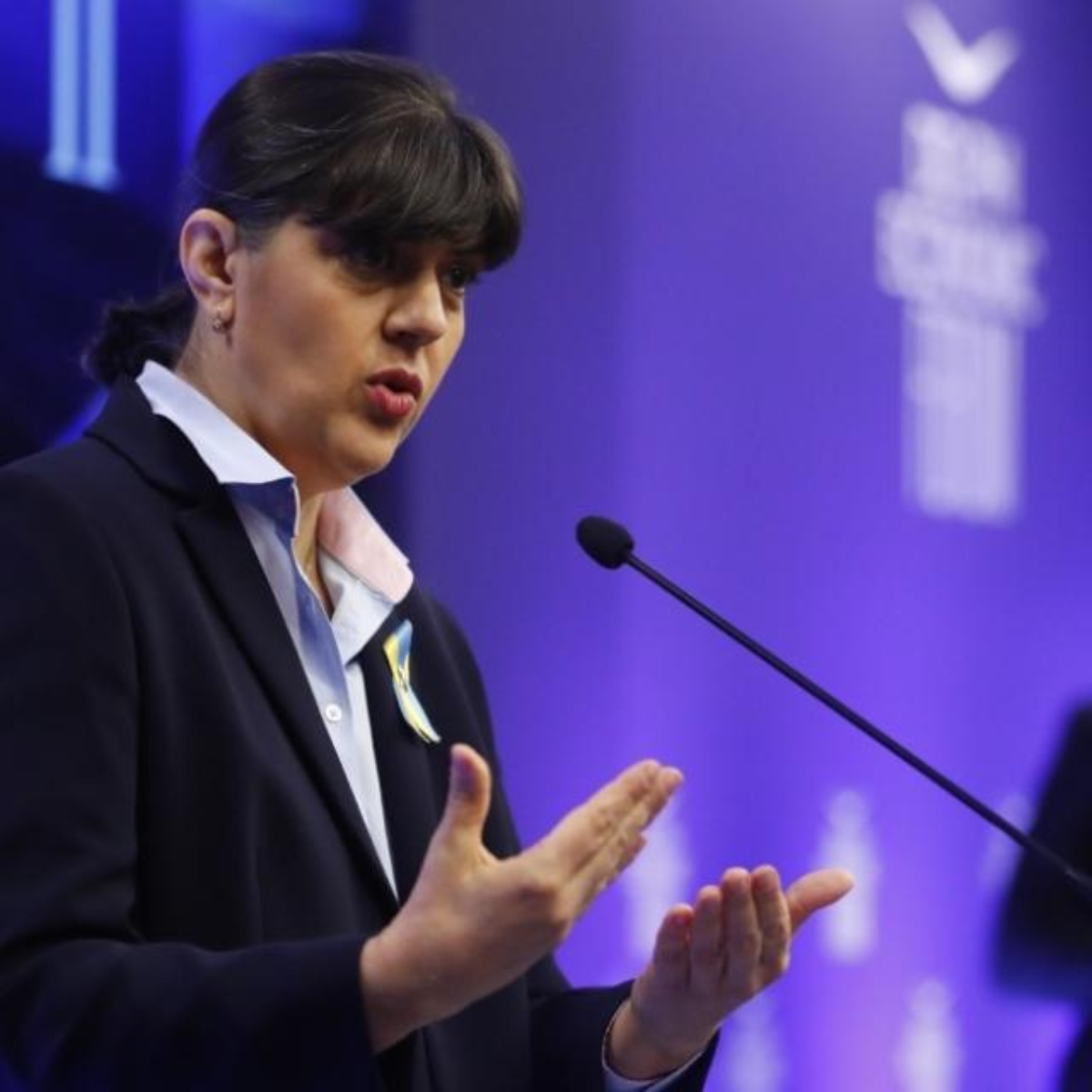
Πηγή Φωτογραφίας: eurokinissi/ Supreme Court Rejects Kövesi Appeal in Landmark Clash Between National and EU Judicial Authority



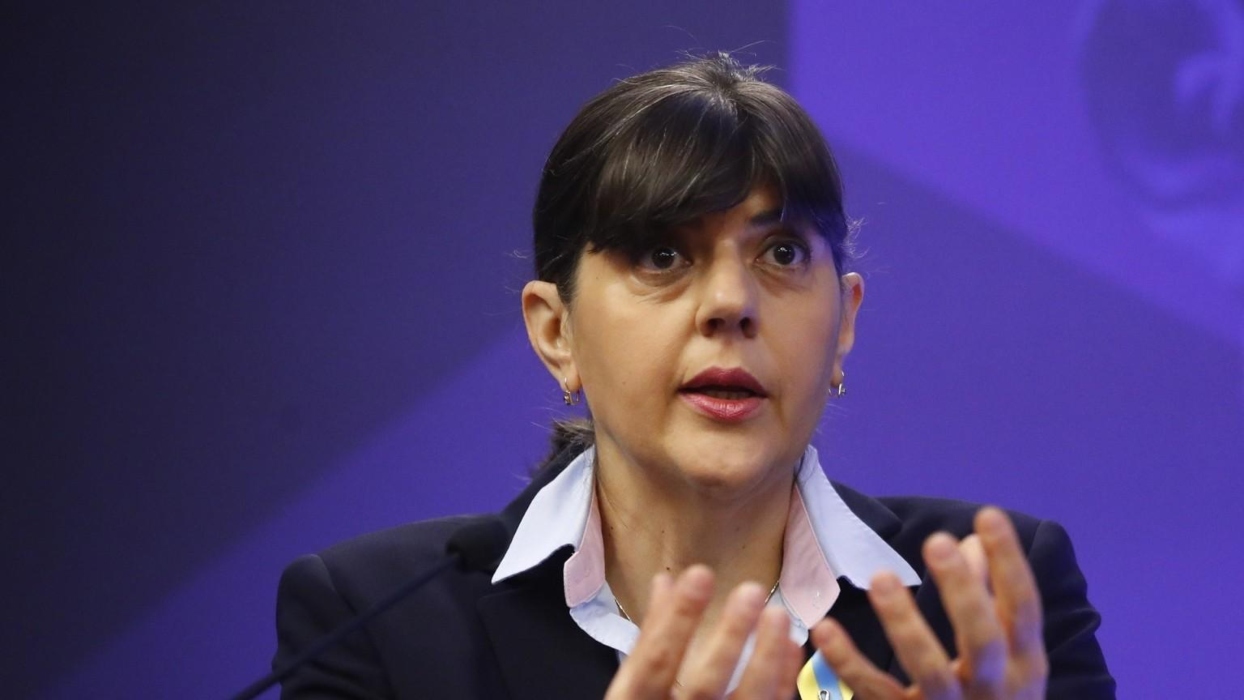
One of the most significant institutional disputes in recent years has unfolded within Greece’s highest civil and criminal court, placing European Chief Prosecutor Laura Kövesi and the Greek judiciary on opposite sides of a sensitive legal and constitutional debate.
At the center of the dispute was the renewal of the terms of three Greek prosecutors serving within the European Public Prosecutor’s Office (EPPO). While the European side favored a five-year renewal, Greece’s Supreme Judicial Council unanimously approved a two-year extension, prompting Kövesi to challenge the decision.
The Supreme Court’s Full Bench ultimately ruled that her appeal could not even be examined on its merits.
The Vote: A Clear Majority
The outcome was overwhelming:
72 judges voted to reject the appeal
10 judges dissented
The scale of the majority highlights the court’s strong consensus that the appeal lacked legal standing under Greek law.
According to existing legislation governing the status of judicial officials, only the judges or prosecutors directly affected by such decisions may file an appeal.
Even then, an appeal is permitted only when:
- The decision was not unanimous;
- The judicial official received at least two supporting votes within the Supreme Judicial Council.
In the case of:
Popi Papandreou
- Charikleia Thanos
- Dionysis Mouzakis
the renewal decision was unanimous.
As a result, the majority concluded that neither the prosecutors themselves nor Laura Kövesi could challenge the ruling under Greek law.
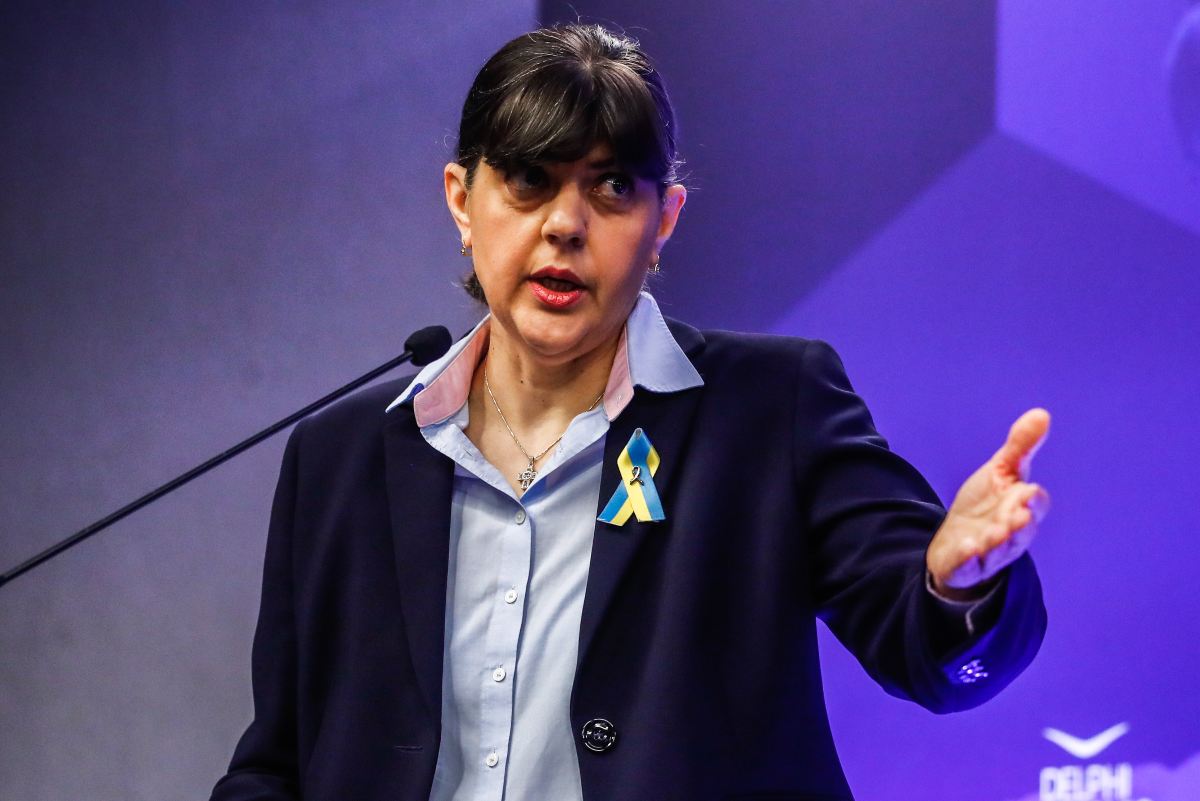
Kövesi’s Position
Although Laura Kövesi did not personally attend the hearing, she was represented by constitutional law scholar Spyros Vlachopoulos.
His argument focused on the European dimension of the case.
“The European Public Prosecutor’s Office is a unified European institution, and individual member states should not determine mandate lengths independently.”
According to the legal team representing Kövesi, the issue extends beyond domestic administrative law and directly concerns the functioning and cohesion of a European institution.
The appeal relied on several key principles:
The primacy of EU law
The uniform functioning of the EPPO
Decisions adopted by the EPPO College in Luxembourg
The need for consistency across participating member states
The argument was that the five-year renewal framework had been endorsed at the European level and that unilateral deviations by individual countries could undermine the institution’s coherence.
A Constitutional and European Debate
Beyond the immediate dispute lies a much broader constitutional question.
Who has the final say?
National courts?
Or European institutions?
The majority of the Supreme Court held that the matter should be resolved through the application of Greek procedural law.
The dissenting judges, however, appeared more receptive to the argument that the dispute raised genuine questions of European law requiring interpretation at the EU level.
The Call for a Preliminary Reference
Vlachopoulos urged the Supreme Court to refer the matter to the Court of Justice of the European Union (CJEU) in Luxembourg through a preliminary ruling procedure.
“The EPPO is a relatively new European institution, and important questions concerning its governance and competencies remain unresolved.”
Their concerns reportedly extended both to Kövesi’s standing to appeal and to the broader issue of which authority ultimately determines the duration of mandates for European Delegated Prosecutors.
Why the Case Matters
The European Public Prosecutor’s Office (EPPO) is one of the European Union’s newest judicial bodies.
Established to protect the EU’s financial interests, it is responsible for:
Investigating fraud involving EU funds
Combating corruption affecting the EU budget
Prosecuting cross-border financial crimes
Protecting European taxpayers’ money
Today, the EPPO operates across 24 participating member states, relying on hundreds of European Delegated Prosecutors.
For legal experts, the Greek case is particularly significant because it could shape how future conflicts between national judicial systems and European institutions are handled.
What Happens Next?
Although the appeal has been rejected in Greece, the dispute may not be over.
Legal observers believe Laura Kövesi could seek recourse before the Court of Justice of the European Union.
Should the matter reach Luxembourg, the case would evolve from a domestic judicial dispute into a broader European constitutional test.
The central question would no longer be merely the length of prosecutors’ mandates.
Instead, it would address a far more fundamental issue:
Who ultimately holds authority when national law and European law collide?
Key Figures
72–10
Vote by the Full Bench of the Greek Supreme Court.
3 Greek Prosecutors
Whose mandates within the EPPO were renewed.
2-Year Renewal
Approved unanimously by Greece’s Supreme Judicial Council.
5-Year Renewal
Requested by Laura Kövesi and supported by the European side.
24 EU Member States
Currently participating in the European Public Prosecutor’s Office.
Source: pagenews.gr
Διαβάστε όλες τις τελευταίες Ειδήσεις από την Ελλάδα και τον Κόσμο