NATO’s Next Nightmare Could Come From France — The 2027 Election That Has the Alliance Worried
 ΧΡΟΝΟΣ ΑΝΑΓΝΩΣΗΣ 7 '
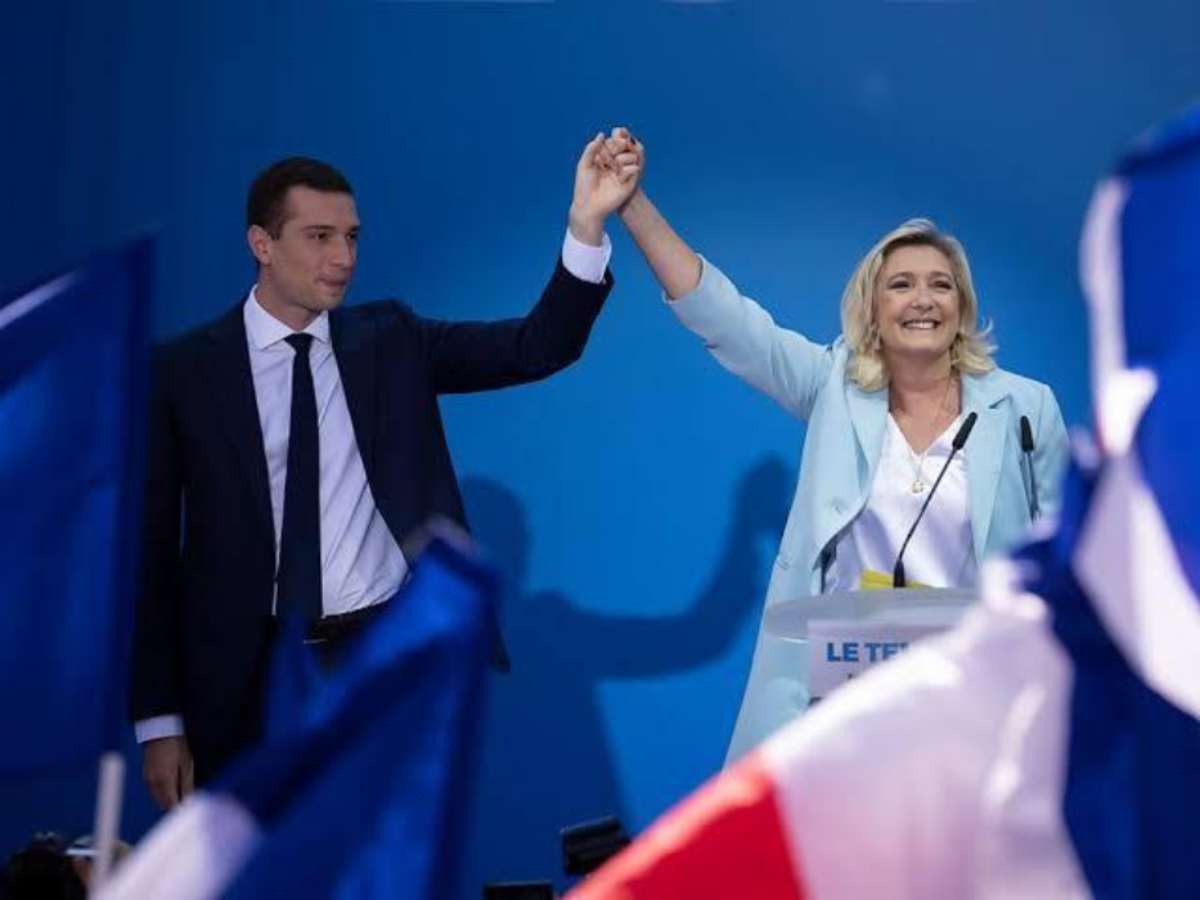
Πηγή Φωτογραφίας: AP Photo//NATO’s Next Nightmare Could Come From France — The 2027 Election That Has the Alliance Worried



For years, NATO’s biggest political uncertainty came from across the Atlantic: Donald Trump and the question of how far Washington might go in challenging the alliance.
Now another potential headache is emerging at the heart of Europe.
France will elect a new president in 2027, and the outcome could dramatically reshape not only Paris’ foreign policy but Europe’s wider security architecture.
Emmanuel Macron cannot seek a third consecutive term, leaving France without an incumbent in a presidential contest that is already shaping up to be one of Europe’s most consequential elections in decades.
National Rally starts from a position of strength
The first reason for concern among France’s allies is the polling.
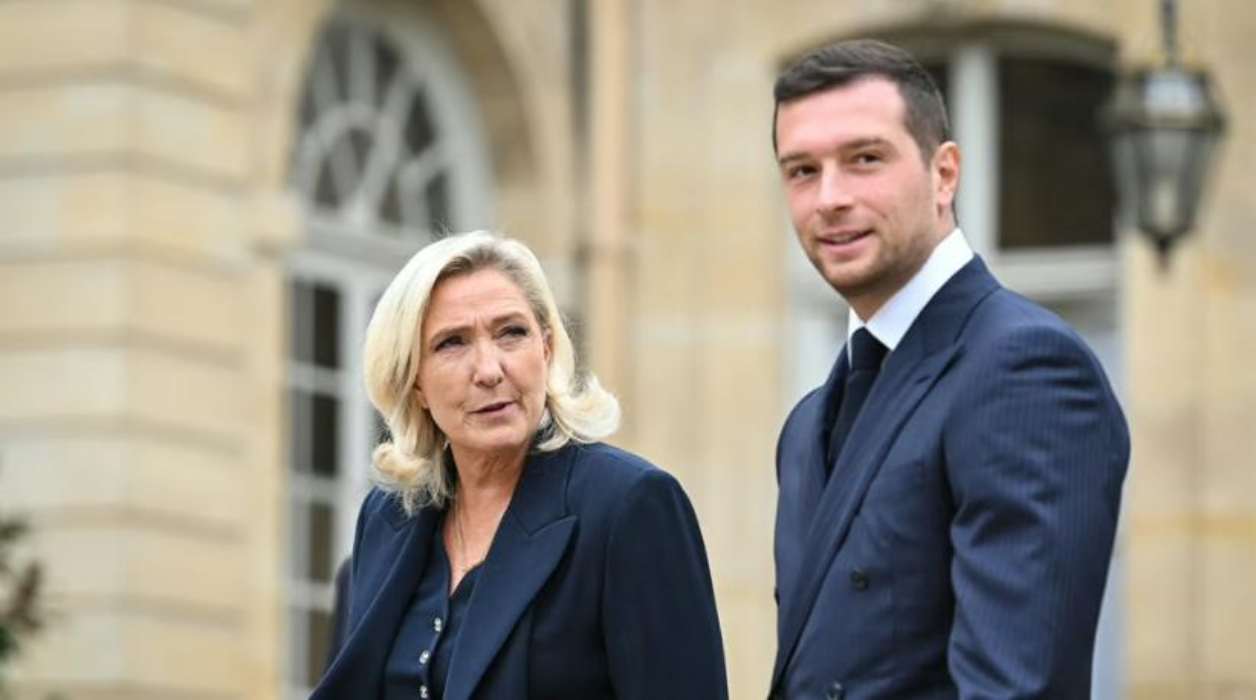
Recent surveys consistently place the National Rally candidate comfortably ahead in first-round scenarios, with either Marine Le Pen or Jordan Bardella capable of reaching roughly a third of the vote.
Centrist and mainstream candidates remain substantially further behind, while the French left is fragmented.
The numbers are far from a prediction of the final result. France’s two-round presidential system can produce dramatic shifts between the first and second ballots.
But they underline an important political reality:
The National Rally is no longer fighting merely to reach the presidential runoff. It enters the 2027 contest as a serious contender for the Élysée.
Why NATO is watching Paris so closely
France is not just another NATO member.
It is a nuclear-armed power, a permanent member of the United Nations Security Council and one of Europe’s most capable military states.
It is also central to any credible attempt to build greater European strategic autonomy.
A French president who radically reduced the country’s participation in NATO structures or fundamentally changed relations with Washington would therefore cause more than a diplomatic dispute.
It could trigger a strategic shock across Europe.
And the possibility of Paris distancing itself from NATO’s integrated military structures can no longer simply be dismissed as political theory.
France has done it before
There is an important historical precedent.
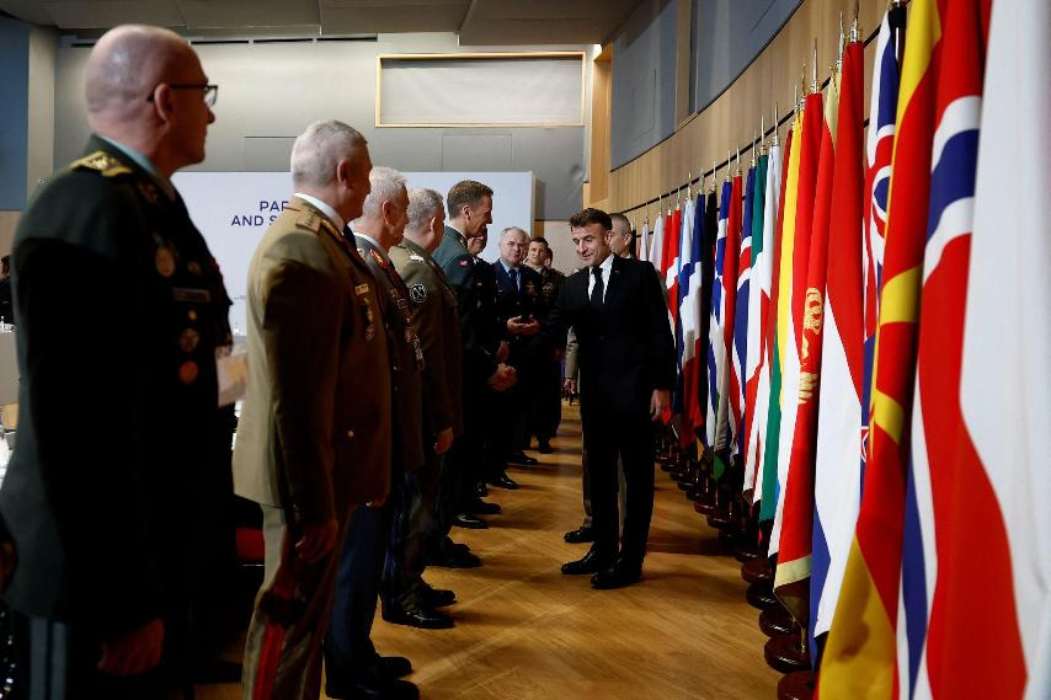
In 1966, President Charles de Gaulle withdrew France from NATO’s integrated military command while keeping the country inside the Atlantic Alliance itself.
France fully returned to NATO’s military command structure under Nicolas Sarkozy in 2009.
That distinction is crucial.
Paris does not necessarily have to withdraw from NATO altogether to transform its relationship with the alliance.
A future French president could instead challenge military integration, reduce participation in specific structures or demand much greater strategic independence from the United States.
Le Pen’s NATO position matters
Marine Le Pen has repeatedly advocated withdrawing France from NATO’s integrated military command while remaining a member of the alliance itself.
That position would effectively revive elements of the Gaullist model.
At the same time, the National Rally has spent years attempting to moderate its image on foreign policy, economics and relations with French business.
Jordan Bardella in particular has sought to reassure parts of the corporate establishment that an RN government would not represent the economic rupture once associated with the French far right.
That means an RN presidency would not automatically translate into France leaving NATO.
But it could mean that assumptions which have underpinned allied planning for years would suddenly become negotiable.
The nuclear factor changes everything
France’s nuclear arsenal makes the presidential election even more consequential.
Since Brexit, France has been the European Union’s only nuclear-armed state.
Its independent force de frappe sits outside NATO’s Nuclear Planning Group, and ultimate authority over France’s nuclear weapons rests with the French president.
A change at the Élysée therefore affects much more than French participation in NATO meetings or military deployments.
It raises fundamental questions about deterrence, European defence and the relationship between European strategic autonomy and the American nuclear umbrella.
Those questions have become even more important as Europe is forced to assume greater responsibility for its own security.
The uncertainty does not come only from the right
NATO scepticism in France is not confined to the National Rally.
Jean-Luc Mélenchon and La France Insoumise have also been deeply critical of NATO’s current architecture and France’s position within it.
Mélenchon remains a significant figure ahead of 2027, although the French left is deeply divided.
That fragmentation creates an unusual political landscape in which scepticism towards the Atlantic alliance exists at both ends of the French political spectrum, albeit for very different ideological reasons.
Macron’s political camp has another problem
The pro-European centre faces a different challenge: it has no undisputed successor to Macron.
Édouard Philippe and Gabriel Attal are among the politicians competing for the centrist and centre-right electorate, while other potential candidates could further fragment the field.
That fragmentation could prove decisive under France’s two-round system.
If several Macron-aligned or moderate candidates divide the centrist vote, the central question may no longer be simply who can defeat the National Rally.
It could become:
Who can even reach the second round against it?
What could actually change inside NATO?
Even without formally leaving the alliance, a hostile or highly sceptical French president would possess considerable room for manoeuvre.
Paris could reduce its participation in NATO’s integrated command.
It could challenge common military initiatives.
It could adopt a different approach towards Russia or Washington.
It could push much more aggressively for a European defence structure independent of the United States.
And because major NATO decisions depend on political consensus, systematic resistance from one of the alliance’s most powerful European members would matter enormously.
All of this would occur while Europe is already facing an exceptionally unstable security environment.
Europe without Macron’s France
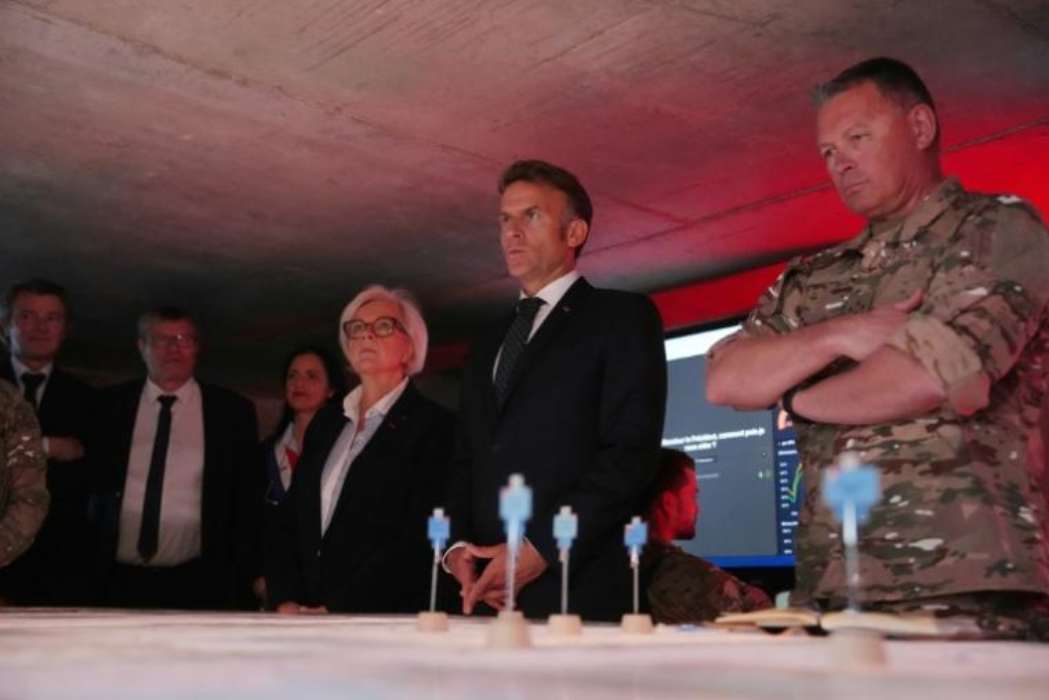
Macron has frequently clashed with Washington and has long advocated European “strategic autonomy.”
Yet France under Macron has remained a central military pillar of Europe and NATO.
France after Macron could look very different.
That is what makes the 2027 election so important beyond French borders.
French voters will not merely choose Macron’s successor.
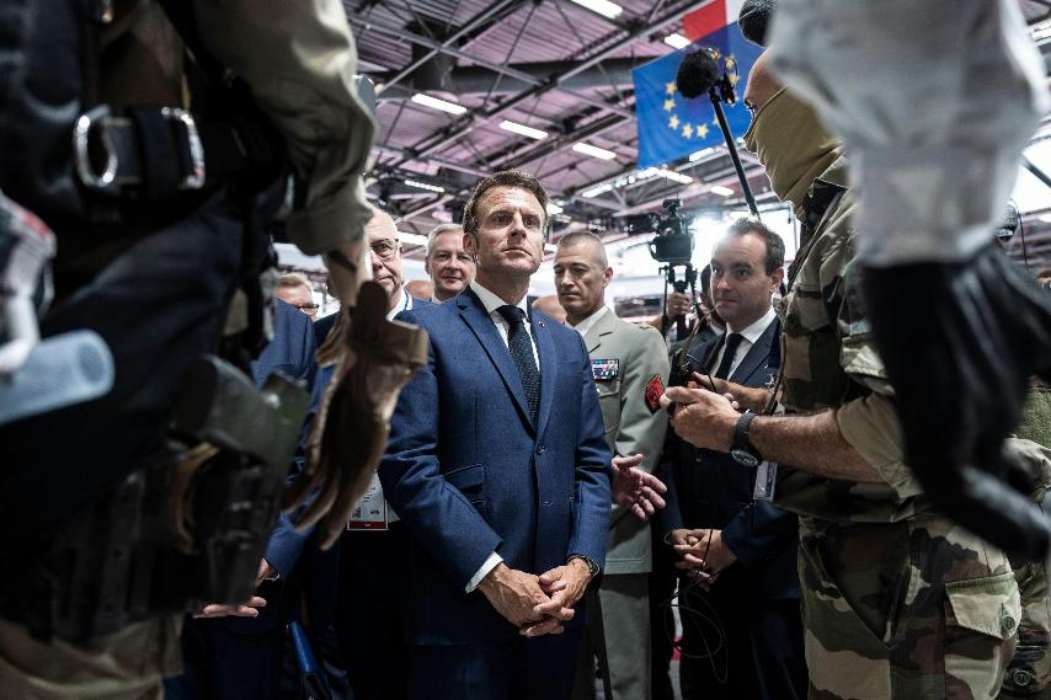
They will decide who controls the EU’s only nuclear arsenal, one of Europe’s strongest militaries and a country without which almost any serious project for European defence becomes significantly harder to implement.
The polls can still change dramatically before the election.
But the strategic warning is already clear.
For the first time in decades, France’s allies must seriously prepare for the possibility that post-Macron Paris could challenge some of the basic assumptions on which European security has been built.
That is why France’s 2027 presidential election could become NATO’s next political nightmare.
Source: pagenews.gr
Διαβάστε όλες τις τελευταίες Ειδήσεις από την Ελλάδα και τον Κόσμο