Can Europe Afford NATO’s New Defence Spending Ambitions? The Alliance’s €Trillion Challenge
 ΧΡΟΝΟΣ ΑΝΑΓΝΩΣΗΣ 6 '
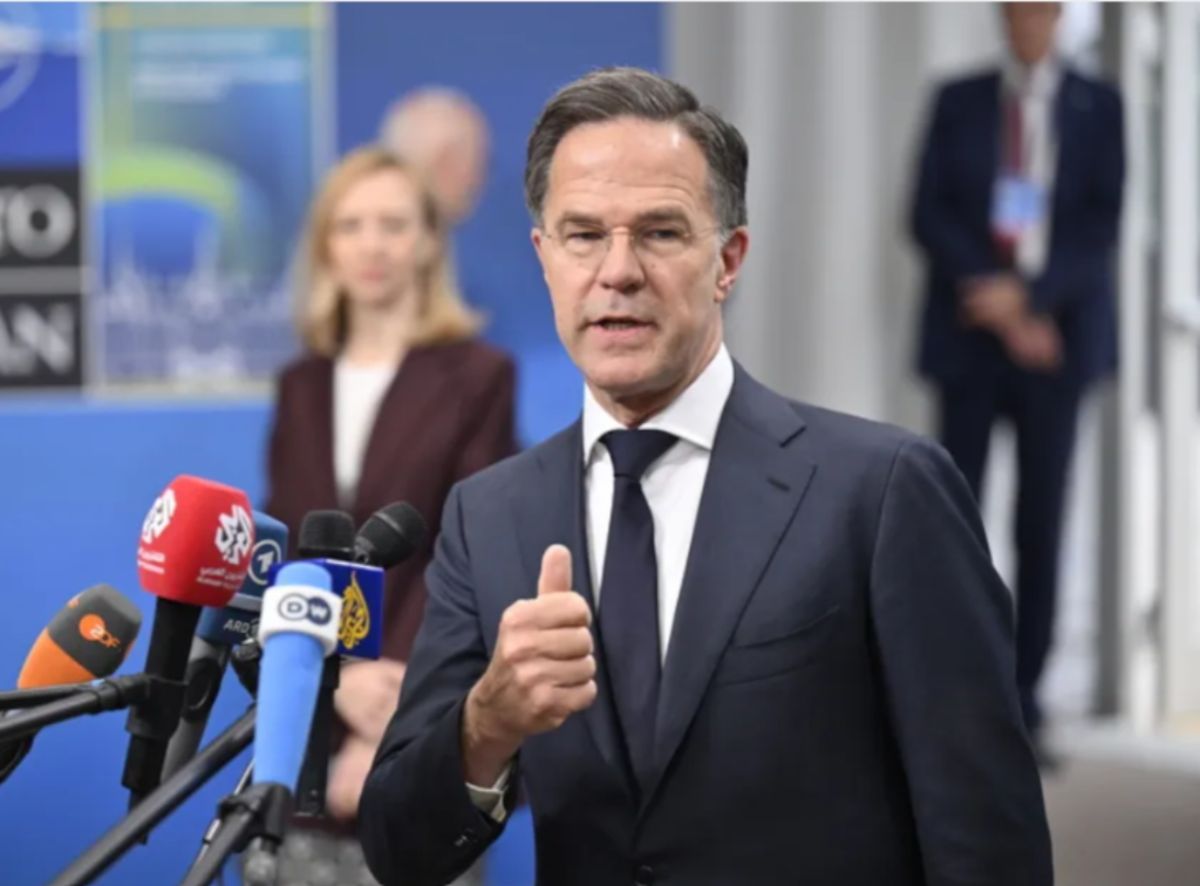
Πηγή Φωτογραφίας: NATO Secretary General Mark Rutte. Image credit: NATO//Can Europe Afford NATO's New Defence Spending Ambitions? The Alliance's €Trillion Challenge



Europe’s commitment to dramatically increase defence spending has become one of the defining geopolitical shifts of the decade. Following sustained pressure from U.S. President Donald Trump, NATO members agreed at the 2025 Hague Summit to raise total defence and security expenditure to 5% of GDP by 2035—a decision that fundamentally reshapes the alliance’s strategic posture.
Yet behind the political consensus lies a more complicated reality. While NATO presents a united front, major differences have emerged over how quickly European governments can translate ambitious defence commitments into sustainable fiscal policy.
As NATO leaders prepare to meet in Ankara this week, the debate is shifting from political promises to economic feasibility.
NATO’s New Defence Doctrine
Under the agreement reached in The Hague, allies committed to allocating:
- 3.5% of GDP to core military spending.
- 1.5% of GDP to broader security priorities, including cyber defence, critical infrastructure, civil resilience and strategic preparedness.
The decision represents the largest expansion of allied defence investment since the end of the Cold War.
It also reflects a dramatically altered security landscape shaped by Russia’s war in Ukraine, intensifying geopolitical competition and growing uncertainty over the future scale of long-term U.S. military commitments to Europe.
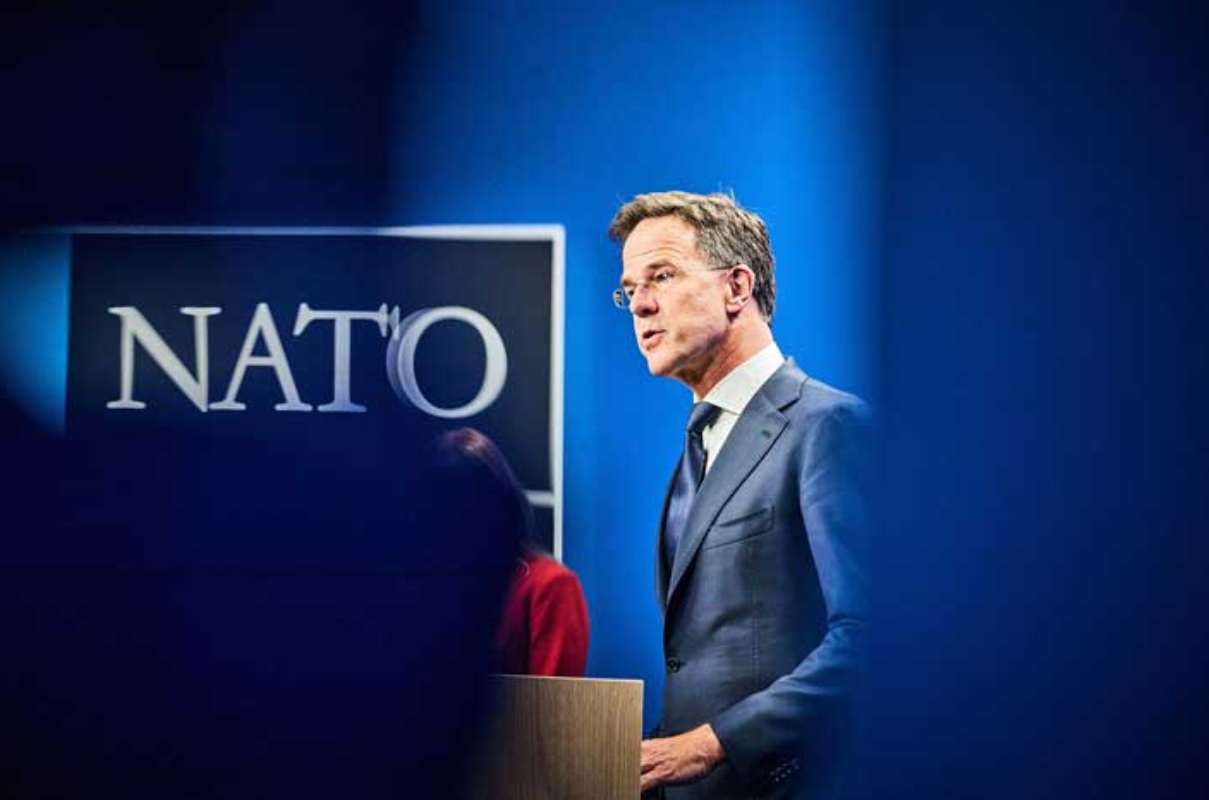
Germany Leads Europe’s Rearmament
Germany has emerged as one of NATO’s strongest advocates for increased military spending.
Following reforms to its constitutional borrowing rules, Berlin plans to more than double defence expenditure, with annual military spending expected to exceed €200 billion by 2030.
Eastern European allies have moved even faster.
Poland already spends approximately 4.3% of GDP on defence, while Lithuania and Estonia are approaching NATO’s new spending targets.
For countries bordering Russia, higher defence budgets enjoy broad domestic political support because military preparedness is increasingly viewed as an immediate national security necessity.
Western Europe Faces Tough Choices
The picture is considerably more complicated across Western Europe’s largest economies.
The United Kingdom recently announced an additional £15 billion defence package, yet roughly one-third of the funding remains unidentified.
France intends to raise defence expenditure from around 2% to 2.5% of GDP, while simultaneously attempting to reduce its budget deficit and prepare for presidential elections.
Italy has pledged higher military spending despite carrying one of Europe’s largest public debt burdens, with much of the planned increase expected to come through broader domestic security expenditure rather than conventional military capabilities.
Spain remains among NATO’s most cautious members, insisting it will keep defence spending near 2.1% of GDP, prioritising dual-use technologies with civilian as well as military applications.
Politics May Prove Harder Than Security
The greatest obstacle may ultimately be political rather than military.
European governments must balance rising defence budgets against competing demands for healthcare, education, pensions and social welfare at a time of sluggish economic growth, elevated inflation and persistent public debt.
The challenge is particularly acute for governments approaching national elections, where increased military spending could become politically difficult amid continuing cost-of-living pressures.
Maintaining public support for higher defence budgets over the next decade may prove as challenging as financing them.
Can Europe’s Defence Industry Deliver?
Larger defence budgets alone will not automatically translate into stronger military capabilities.
Analysts warn that European defence manufacturers remain cautious about making major investments in new production facilities without long-term certainty that government procurement will continue beyond current political cycles.
Expanding factories, securing supply chains and increasing weapons production require multi-year investment commitments.
Industry executives remain concerned that future governments could revise spending priorities if geopolitical tensions ease or economic conditions deteriorate.
NATO’s Credibility Faces a Financial Test
Alliance officials have already questioned defence spending calculations submitted by several member states, arguing that countries currently spending around 2% of GDP cannot realistically reach the 3.5% military spending target without sustained annual increases throughout the next decade.
For NATO, credibility will ultimately depend not simply on announcing ambitious financial targets, but on demonstrating measurable progress year after year.
Strategic Stakes for Europe
Europe’s ability to finance higher defence spending will determine far more than military readiness.
It will shape NATO’s future force posture, strengthen—or weaken—the continent’s defence industrial base, influence transatlantic burden-sharing and define Europe’s long-term strategic autonomy.
Failure by Europe’s largest economies to meet their commitments could generate renewed tensions within the alliance, particularly as Washington continues urging European allies to assume greater responsibility for regional security.
Conversely, sustained investment could modernise Europe’s armed forces, stimulate advanced manufacturing and reinforce NATO’s collective deterrence at a time of mounting geopolitical uncertainty.
Europe’s Defence Awakening Enters Its Hardest Phase
The political decision to spend more on defence has already been made. Financing it is another matter entirely.
Russia’s invasion of Ukraine and President Trump’s insistence on greater burden-sharing have fundamentally transformed Europe’s security outlook. Governments that once viewed defence spending as discretionary now increasingly regard it as an essential investment.
Yet Europe’s economic realities vary sharply.
Eastern European nations perceive military investment as an existential necessity. Germany has abandoned decades of fiscal restraint. Meanwhile, France, Italy, Spain and the United Kingdom must reconcile ambitious defence plans with ageing populations, high debt levels and growing domestic pressure to preserve welfare spending.
The challenge extends beyond government budgets. Europe’s defence industry will only expand if it believes today’s commitments will survive future elections and changing political leadership.
Ultimately, NATO’s new spending targets represent more than an accounting exercise. They are a test of Europe’s political will, fiscal resilience and strategic credibility. The Ankara Summit may demonstrate that Europe has begun rearming—but sustaining that momentum over the next decade will determine whether the alliance emerges stronger or whether its ambitions outpace its economic capacity.
Source: pagenews.gr
Διαβάστε όλες τις τελευταίες Ειδήσεις από την Ελλάδα και τον Κόσμο