IMF : EU Debt Set to Soar Above 130% of GDP by 2040 as Greece Defies the Trend
 ΧΡΟΝΟΣ ΑΝΑΓΝΩΣΗΣ 4 '
Πηγή Φωτογραφίας: AP Photo//IMF : EU Debt Set to Soar Above 130% of GDP by 2040 as Greece Defies the Trend



The International Monetary Fund (IMF) has issued a stark warning over the future of public finances across Europe, projecting that the average public debt burden of European Union member states could more than double and exceed 130% of GDP by 2040 unless governments implement decisive policy measures.
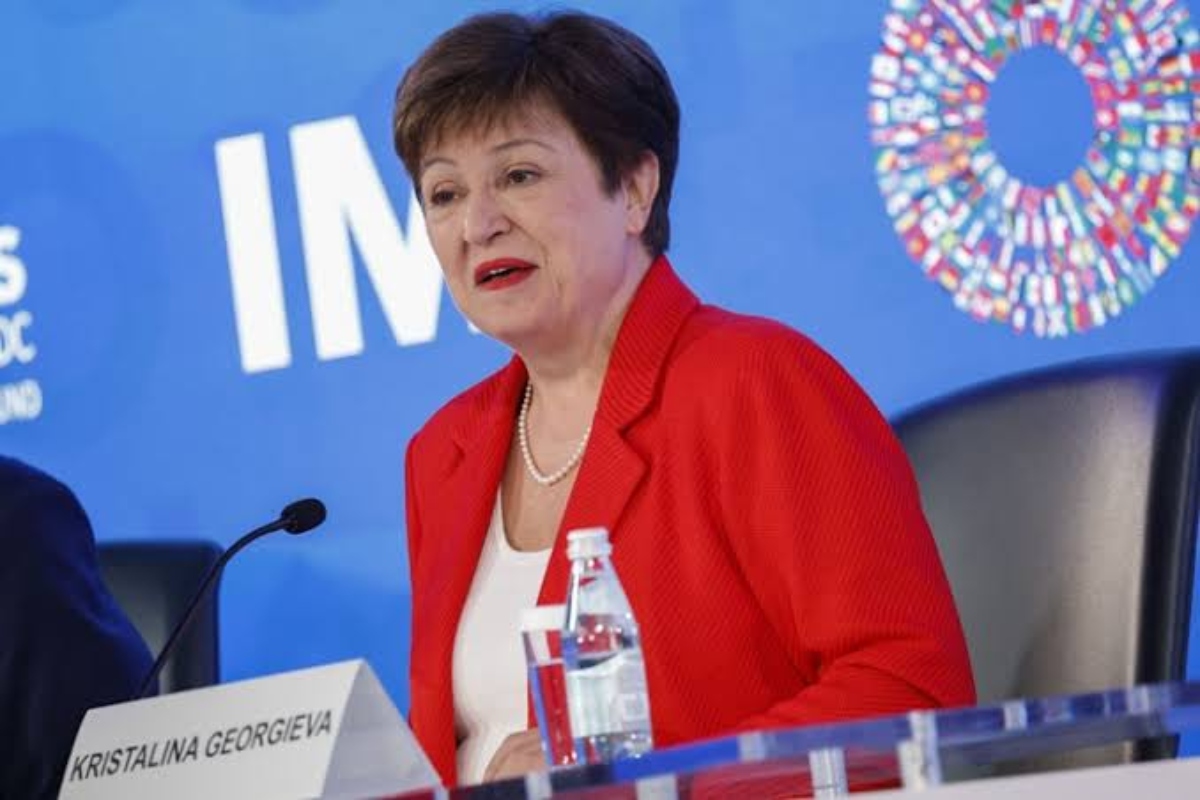
Speaking on the growing fiscal challenges facing the continent, IMF Managing Director Kristalina Georgievahighlighted a combination of structural pressures that threaten to place unprecedented strain on public finances. Rising pension obligations, increasing healthcare expenditures linked to an aging population, the costs of the green energy transition, and higher defense spending are expected to significantly reshape Europe’s fiscal landscape over the next fifteen years.
Europe Faces a New Debt Challenge
According to IMF estimates, additional spending related to pensions, healthcare, climate policies, and defense could reach approximately 5% of GDP by 2040.
The Fund warns that many governments have limited fiscal space and may be forced to make difficult political choices. These could include raising taxes, reducing other public expenditures, or implementing structural reforms aimed at strengthening economic growth and improving fiscal sustainability.
Georgieva emphasized that economic reforms remain one of the most effective tools available to policymakers.
“The more ambitious the growth-enhancing reforms, the smaller the fiscal adjustment needed to place public debt on a sustainable downward path,” she noted.

Greece Emerges as a Rare Success Story
While most European countries are expected to see debt levels rise over the coming years, Greece stands out as one of only a handful of nations projected to achieve a substantial decline in public debt.
IMF forecasts indicate that Greece’s debt-to-GDP ratio will fall to 110.9% by 2031, down from 145.7% in 2024.
The achievement is particularly striking given that Greece’s debt peaked at roughly 210% of GDP in 2020, during the aftermath of the pandemic and years of economic crisis.
Today, the country is increasingly being cited by international institutions and credit-rating agencies as an example of successful fiscal consolidation.
France and Belgium Expected to Overtake Greece
The IMF’s projections suggest that by 2031 Greece’s debt burden will be lower than that of several major European economies.
Expected debt-to-GDP ratios include:
- France: 120.7%
- Belgium: 122.3%
- Italy: 136.1%
- Finland: 100.8%
- Greece: 110.9%
The comparison carries significant political symbolism, particularly given that several northern European countries were among the strongest advocates of fiscal discipline during Greece’s sovereign debt crisis.
Why Greece’s Debt Is Falling
Analysts attribute Greece’s improving debt dynamics to several key factors:
• Strong economic growth
• Sustained primary budget surpluses
• Low average borrowing costs
• Exceptionally long debt maturities
In addition, proactive debt management policies—including the early repayment of IMF loans and accelerated repayment of bilateral bailout loans—have strengthened the country’s debt profile and reduced refinancing risks.
Defense Spending No Longer a Major Fiscal Threat
Unlike many European partners now under pressure to sharply increase military expenditures, Greece already allocates a significant share of national income to defense.
Defense spending is projected to remain around 2.9% of GDP, among the highest levels within NATO, supported by a long-term military modernization program valued at approximately €25 billion.
As a result, Greece faces fewer fiscal pressures from defense commitments than many other EU member states.
The Next Decade Will Be Crucial
Despite the positive outlook, economists caution that Greece’s progress is not guaranteed.
Maintaining a declining debt trajectory will depend on continued structural reforms, stronger productivity growth, investment inflows, and sustained economic expansion.
At a time when Europe is confronting the prospect of a new debt supercycle, Greece’s fiscal turnaround represents one of the most remarkable economic recoveries in the European Union—transforming a former debt-crisis epicenter into a case study of improving fiscal resilience.
Source: pagenews.gr
Διαβάστε όλες τις τελευταίες Ειδήσεις από την Ελλάδα και τον Κόσμο