Greek Yachting Boom: Americans Drive Luxury Charter Revenues Higher as Greece Eyes a Strong 2027
 ΧΡΟΝΟΣ ΑΝΑΓΝΩΣΗΣ 14 '
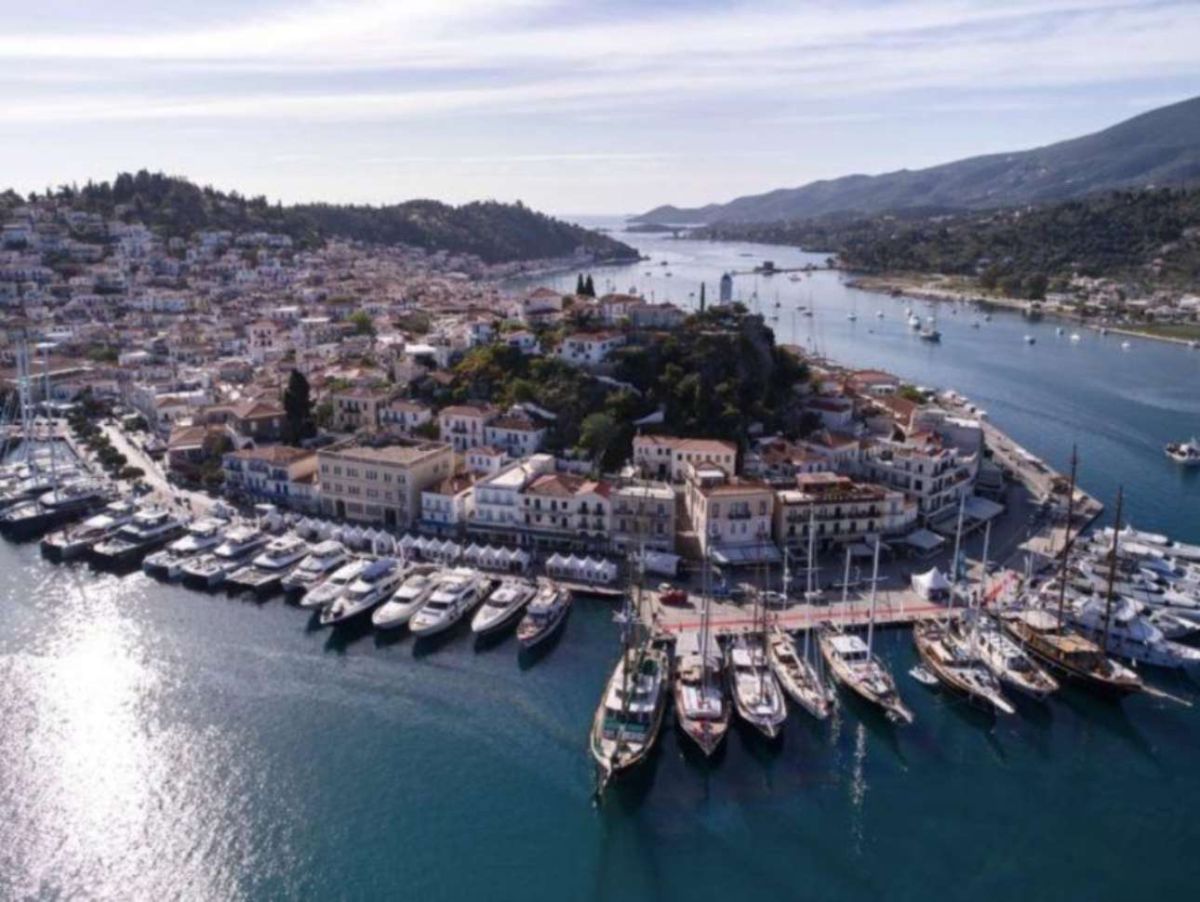
Πηγή Φωτογραφίας: Greek Yachting Boom: Americans Drive Luxury Charter Revenues Higher as Greece Eyes a Strong 2027



Greece’s yachting industry ended the 2026 summer season on a positive note, supported by higher charter values, robust demand for luxury vessels and growing interest from American customers.
Although the overall number of yacht charters remained broadly stable, their combined value increased, reflecting a greater concentration of bookings in higher-priced segments of the market.
According to preliminary figures and market indications collected by the Greek Yachting Association (GYA), Greece continues to account for more than 20% of the international market covered by the association’s estimates.
Demand from the United States emerged as one of the strongest contributors to this year’s performance, particularly in the premium charter segment.
The figures highlight an important shift in the industry’s economic dynamics: growth is increasingly being driven not simply by the number of bookings, but by the value of individual charters, the type of vessel selected and the broader spending patterns of international visitors.
For the Greek economy, the implications extend well beyond yacht owners and charter operators.
The sector supports marinas, professional crews, maintenance companies, hospitality providers and businesses across numerous island and coastal destinations.
Higher Charter Revenues Without More Bookings
One of the defining features of the 2026 season was the divergence between charter volumes and total charter value.
While the number of bookings remained relatively stable, the aggregate value of those charters increased.
The change was primarily driven by stronger demand for vessels in the upper end of the market.
Luxury yachts attracted particularly strong interest, with customers opting for higher-priced charters and vessels offering more extensive facilities and premium services.
By contrast, the mid-range segment recorded a marginal decline, while the lower-priced category experienced a modest increase.
This uneven performance suggests that the market’s expansion was concentrated in its premium segment rather than distributed equally across all vessel categories.
For charter operators and yacht management companies, the trend could influence future investment decisions, particularly regarding fleet renewal, vessel upgrades and the development of higher-value services.
It also highlights the importance of distinguishing between charter revenues and the number of transactions.
An increase in the value of bookings does not necessarily indicate a corresponding increase in charter activity.
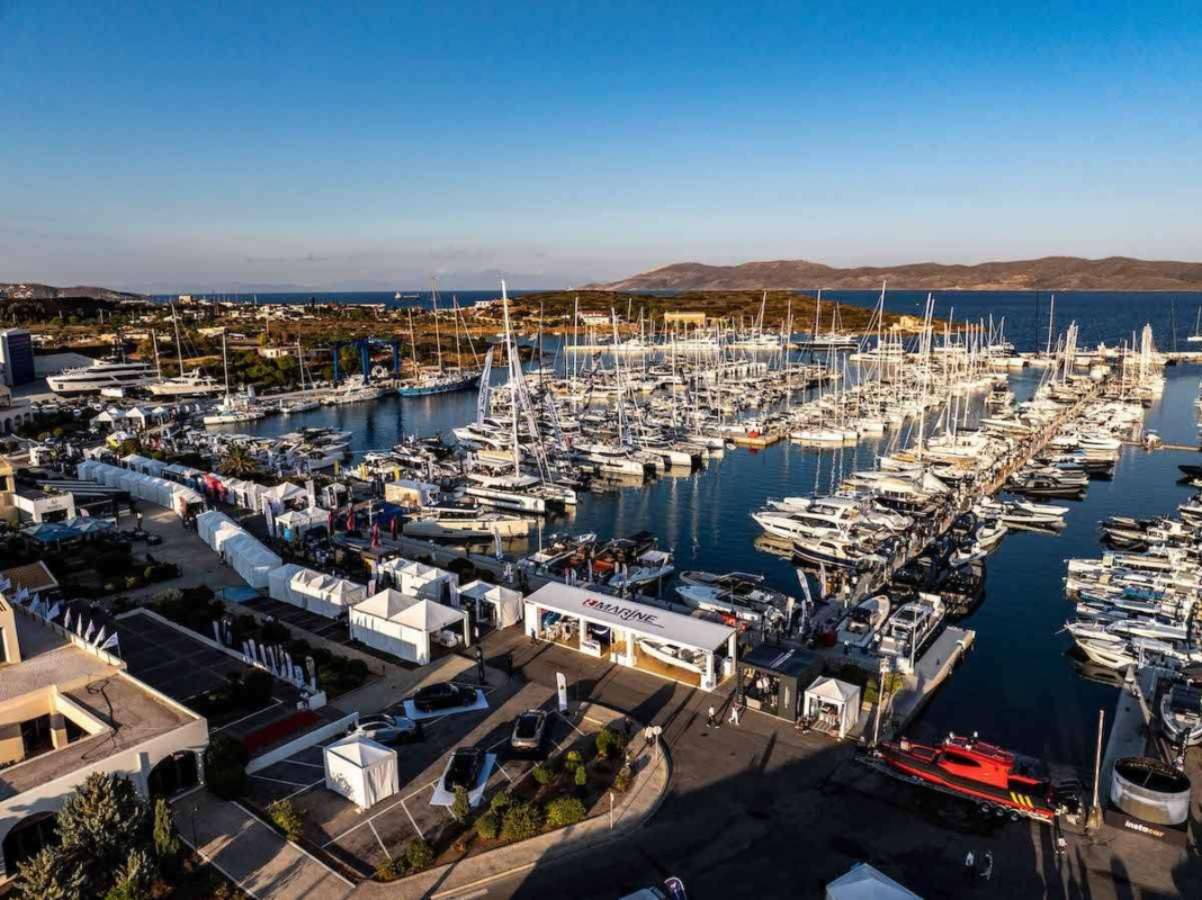
Americans Become a Major Force in Greece’s Luxury Yacht Market
The United States emerged as one of the most important sources of demand for Greek yacht charters in 2026.
American customers increased their presence in the market, particularly in the luxury segment, where spending per client tends to be substantially higher.
This development reinforces the importance of the US market to Greece’s broader high-end tourism industry.
Visitors booking luxury yachts typically generate spending beyond the charter fee itself.
Their trips may involve professional crew services, provisioning, restaurants, transportation, hospitality and other services at the destinations they visit.
As a result, stronger demand from high-spending international clients can generate economic activity across multiple sectors.
For Greek businesses operating in premium maritime tourism, the growing importance of American customers creates opportunities to develop more specialized services and strengthen their international positioning.
It also underlines the importance of promoting Greece as a luxury destination capable of combining high-quality maritime experiences with its extensive network of islands and coastal attractions.
European Demand Holds Steady as Other Markets Weaken
International demand varied significantly by geographic region during the 2026 season.
According to the GYA’s market assessment, traditional European source markets remained relatively stable.
Germany, the United Kingdom, France and Switzerland continued to provide a significant share of customers for Greek yacht charters.
The resilience of these established markets offered a stable foundation for the industry.
However, demand from the Middle East, Australia and Asia declined.
The available information does not provide a detailed country-by-country breakdown or establish the precise reasons behind these changes.
Meanwhile, interest from South America increased, adding another source of demand for Greek charter operators.
This geographic diversification is important for the sector’s long-term resilience.
A broader international customer base can help reduce dependence on economic conditions or travel trends in any single region.
For companies operating in the global yacht charter market, maintaining relationships across multiple markets may become increasingly important as international travel patterns evolve.
Greece Retains a Strong Position in International Yachting
Greece continues to benefit from several competitive advantages in maritime tourism.
Its extensive coastline, numerous islands, varied destinations and opportunities for multi-stop itineraries make it an established destination for yacht charters.
The country maintains a strong presence across different vessel categories, including motor yachts, sailing yachts and catamarans.
According to the Greek Yachting Association, Greece accounts for more than 20% of the international market represented in its assessment.
The figure highlights the country’s substantial position in global charter activity, although it should be understood as an industry estimate rather than a comprehensive official statistical measure.
Improving the collection of reliable market data remains one of the priorities identified by the association.
More systematic information would help clarify the industry’s economic contribution and provide a stronger basis for investment and policymaking.
Greece Versus Croatia: Competition Intensifies in the Mediterranean
Competition among Mediterranean yachting destinations remains strong, with Croatia standing out as one of Greece’s principal rivals.
Croatia has traditionally maintained a significant presence in smaller yacht categories.
In recent years, however, it has also attracted growing interest in larger vessels, expanding its position in the European charter market.
Greece competes through its combination of destinations, maritime infrastructure, charter services and established international reputation.
The competition is not limited to charter prices.
It also involves service quality, marina capacity, berth availability, technical support and the overall regulatory environment.
For charter operators, maintaining competitiveness requires continuous investment in vessels, facilities and customer experience.
Fleet modernization and marina upgrades are particularly important for attracting customers with high expectations.
The development of premium maritime tourism therefore depends on both the attractiveness of the destination and the quality of the infrastructure supporting it.
Last-Minute Bookings Reshape the Charter Market
Another notable feature of the 2026 season was the increase in last-minute reservations.
Customers appeared increasingly willing to make their final booking decisions closer to their intended departure dates.
This change creates new challenges for charter operators and yacht management companies.
Traditionally, the sector has relied heavily on advance reservations to organize vessel availability, staffing and operational requirements during the summer season.
A greater concentration of last-minute bookings introduces additional uncertainty into this process.
Operators must remain flexible when managing vessel schedules, preparing yachts, arranging crews and coordinating services.
The trend does not necessarily indicate weaker overall demand.
Instead, it suggests that customer booking behavior is changing.
For companies able to respond quickly to late inquiries, the shift may create commercial opportunities.
However, it also increases the importance of efficient operations and accurate availability management.
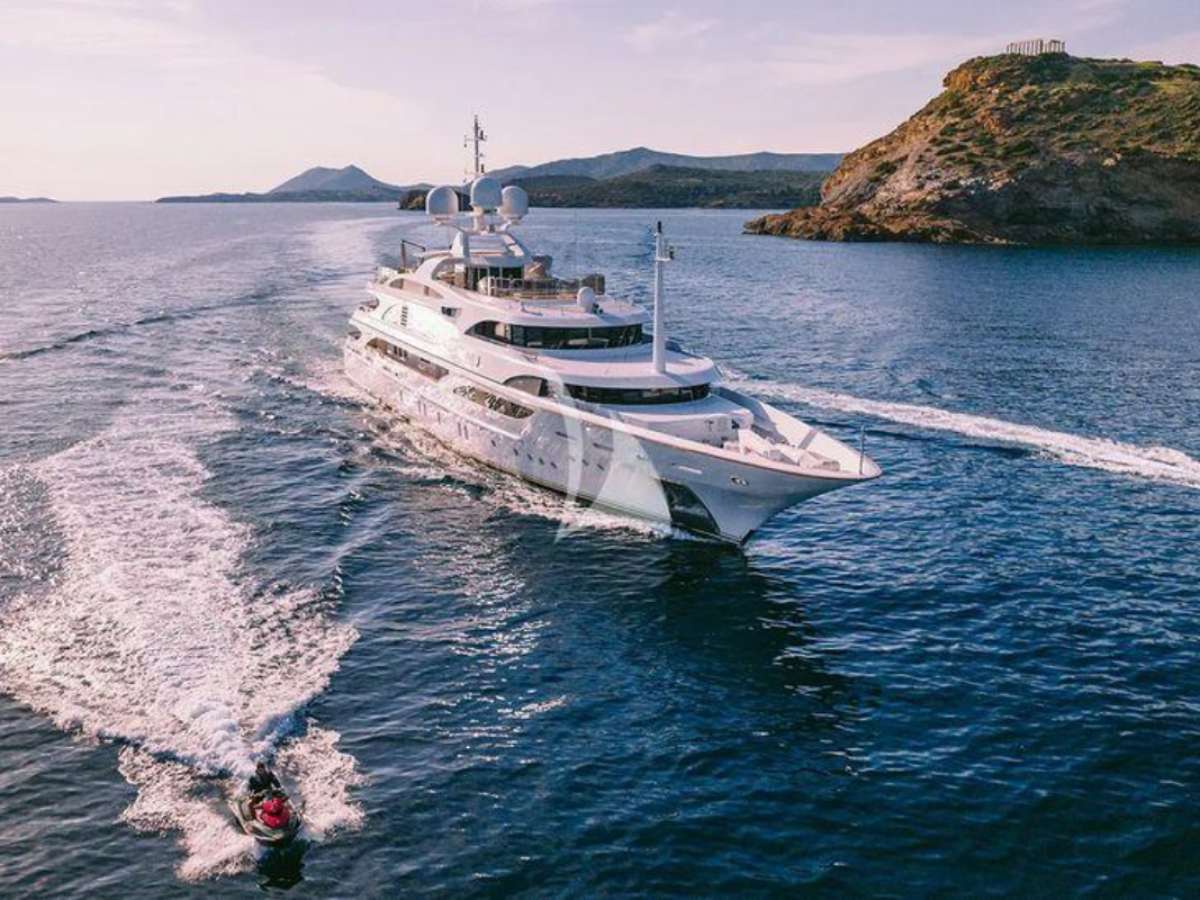
Luxury Yachts Become the Main Driver of Market Value
Stronger demand in the premium segment helps explain why total charter value increased despite stable booking volumes.
Larger and more luxurious vessels generally command higher charter fees and require a broader range of specialized services.
Their operation can generate additional demand for professional crews, technical support, provisioning and hospitality services.
Consequently, the economic contribution of a luxury yacht charter extends beyond the amount paid to rent the vessel.
A wider network of businesses and professionals participates in delivering the overall experience.
For Greece, attracting high-spending visitors can help increase the economic value generated by maritime tourism.
Nevertheless, higher charter values do not automatically translate into equivalent increases in net profits.
The final financial outcome for operators also depends on fuel costs, maintenance, staffing, financing and other operating expenses.
The distinction is important when assessing the industry’s underlying financial performance.
Marinas and Maritime Infrastructure: The Next Major Investment Challenge
The future growth of Greek yachting is closely connected to the quality and availability of maritime infrastructure.
Marinas are a fundamental component of the overall charter experience.
Berth availability, security, electricity, water supply and technical services all influence the ability of destinations to accommodate professional yachts.
Larger vessels, in particular, require more advanced facilities and specialized support.
Investment in new marinas and the modernization of existing infrastructure could strengthen Greece’s capacity to serve high-end customers.
Such developments may also create wider economic benefits.
Marina investment can support restaurants, retail businesses, technical companies and hospitality services in surrounding areas.
For coastal communities, improved infrastructure can therefore contribute to economic activity beyond the immediate yachting sector.
The challenge is to ensure that infrastructure development keeps pace with changing customer expectations and the growing requirements of larger vessels.
The Economic Network Behind Every Yacht Charter
Yachting supports a broad range of activities across the Greek economy.
A professional charter involves far more than the use of a vessel.
Yacht management companies, charter brokers, professional crews, maintenance specialists, suppliers and service providers all contribute to the industry’s operations.
Visitors also generate spending in the destinations they reach.
Restaurants, shops, transportation providers and other local businesses can benefit from the presence of charter customers.
This activity may support employment and create demand for specialized maritime skills.
For Greece’s island and coastal economies, the sector represents an additional source of economic activity linked to the country’s wider tourism industry.
Its contribution is therefore not measured solely by the number of visitors or charter bookings.
The value generated across the broader supply chain is also significant.
GYA President Ioannis Kourounis Calls for Better Services and Stable Rules
Ioannis Kourounis, president of the Greek Yachting Association, has emphasized that improving the sector’s competitiveness requires high-quality services, upgraded infrastructure and a stable regulatory and tax environment.
These priorities reflect some of the central concerns facing companies operating in the professional charter market.
Service quality is particularly important for attracting customers who expect premium experiences.
Infrastructure determines how efficiently vessels can operate and how effectively destinations can accommodate them.
At the same time, regulatory and tax stability supports long-term business planning.
Yacht operators frequently make substantial financial commitments when purchasing, upgrading or maintaining vessels.
A predictable operating environment can therefore play an important role in supporting investment decisions.
The association’s priorities suggest that the industry’s future development will depend not only on international demand but also on domestic conditions affecting its competitiveness.
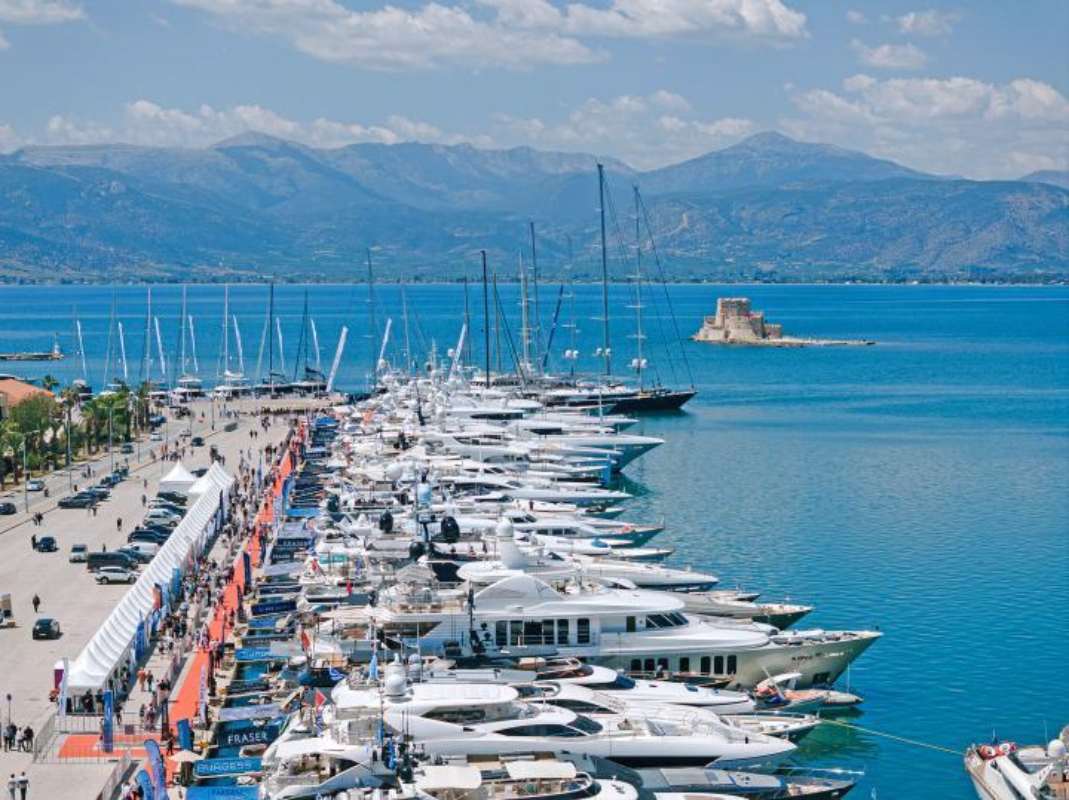
Electronic Charter Agreements Could Improve Market Transparency
The implementation of electronic charter agreements is another important development for the sector.
According to Kourounis, the system is expected to facilitate more systematic collection of official statistical information.
This could improve the accuracy with which professional yacht charter activity is recorded and assessed.
Reliable data is essential for understanding market trends and developing effective tourism and economic policies.
A comprehensive electronic system could help authorities and industry participants monitor charter volumes, seasonal patterns and developments across different vessel categories.
It could also provide a clearer picture of the sector’s contribution to the economy.
This is particularly relevant in a market where assessments have often depended on information collected by professional associations and individual operators.
More consistent statistical reporting would allow for better comparisons over time and more informed investment planning.
Early Signs for 2027 Point to Continued Interest
Initial indications for the 2027 charter season are encouraging, according to the Greek Yachting Association.
Early reservations and customer inquiries suggest continued interest in Greece as a maritime tourism destination.
However, these figures remain preliminary.
There is not yet sufficient information to draw firm conclusions about the overall performance of the coming season.
International economic conditions, consumer spending, geopolitical developments and vessel availability could all influence demand.
One of the key questions will be whether the strong interest from American customers continues.
Operators will also be monitoring demand from traditional European markets and the evolution of last-minute booking trends.
The balance between premium and mid-range charters will be another important indicator of the market’s direction.
For now, the early signals provide grounds for cautious optimism rather than a definitive forecast.
Greek Shipping and Maritime Tourism Face a New Growth Opportunity
The performance of Greek yachting in 2026 demonstrates that the economic value of the market can increase even without a significant rise in the number of bookings.
The growing importance of luxury vessels and high-spending international customers has become a defining feature of the sector.
Greece possesses substantial competitive advantages, but maintaining them will require investment in modern infrastructure, consistently high service standards and a predictable business environment.
Competition across the Mediterranean remains intense, while international travel preferences continue to evolve.
The industry’s future will depend on the ability of Greek companies to respond to these changes and maintain the country’s appeal as a leading maritime tourism destination.
The central message of the 2026 season is clear: charter volumes do not necessarily need to rise for the market’s total value to grow. With American customers supporting the premium segment and early interest in 2027 already emerging, Greek yachting is positioning itself for the next phase of international maritime tourism.
Source: pagenews.gr
Διαβάστε όλες τις τελευταίες Ειδήσεις από την Ελλάδα και τον Κόσμο