Greece Rejects Turkey–Libya Maritime Deal Approval: “Geography Cannot Be Changed”
 ΧΡΟΝΟΣ ΑΝΑΓΝΩΣΗΣ 5 '




Greece has rejected the Libyan House of Representatives’ approval of the 2019 Turkey–Libya maritime memorandum, renewing a diplomatic confrontation over maritime boundaries and sovereign rights in the Eastern Mediterranean.
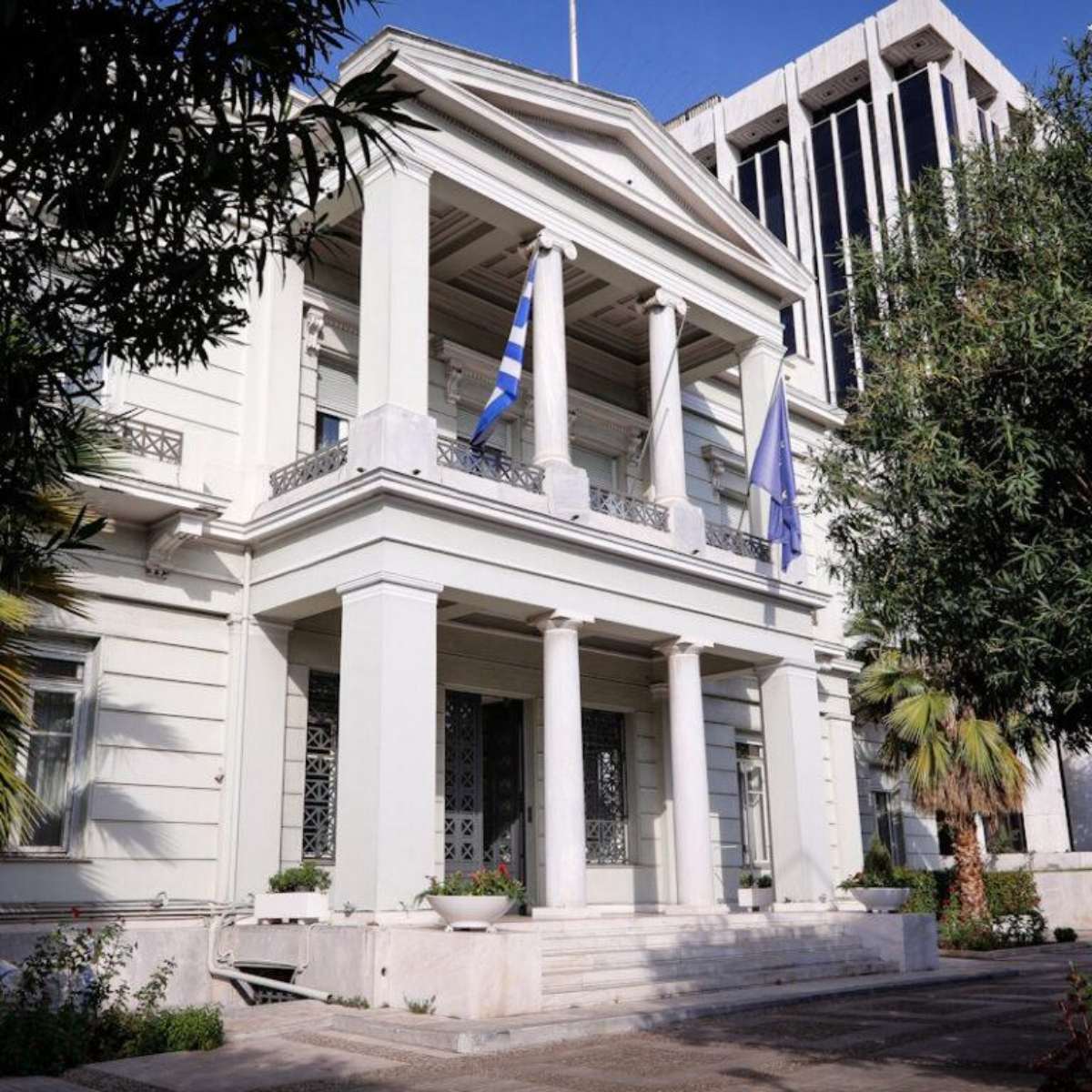
The Greek Foreign Ministry said the parliamentary decision does not change the memorandum’s character, describing the agreement as illegal, null and void.
At the centre of Athens’ response is its position that Turkey and Libya cannot establish maritime boundaries by disregarding Greek islands and their entitlement to maritime zones.
“Geography and the international law of the sea cannot be changed through unilateral, legally unfounded parliamentary decisions,” the ministry stated.
Libya’s Reversal Changes the Political Landscape
The decision carries particular political significance because it comes from Libya’s eastern-based parliament, which had opposed the agreement signed in 2019 between Ankara and the then internationally recognised government in Tripoli.
The parliamentary approval on 20 October also reversed the institution’s earlier position favouring the severance of political relations with Turkey.
The development broadens domestic Libyan support for cooperation with Ankara. For Athens, it increases the importance of diplomatic engagement across Libya and coordination with European and international partners.
However, stronger political backing within Libya is a separate question from whether the agreement can affect the rights of other countries.
Athens Puts Greek Islands at the Centre of Its Response
The Greek statement focuses on the geography of the Eastern Mediterranean and the maritime entitlements of Greek islands.
Athens maintains that Turkey and Libya do not possess opposite or adjacent coasts that provide a lawful basis for the delimitation they are attempting.
It also argues that the memorandum disregards Greek islands and their maritime rights under the United Nations Convention on the Law of the Sea — UNCLOS — and customary international law.
The ministry’s argument reflects Greece’s central objection: maritime boundaries cannot be drawn as though Greek islands were absent from the waters between the two countries.
The European Position Already on Record
The European Council addressed the memorandum in its conclusions of 12 December 2019.
European leaders stated that the agreement infringes the sovereign rights of third countries, does not comply with the law of the sea and cannot produce legal consequences for third countries.
That position provides Athens with an established diplomatic reference point. It is an earlier European assessment of the memorandum, rather than a newly issued response to the latest Libyan parliamentary decision.
The Greek Foreign Ministry’s Full Statement
“Greece rejects the decision of Libya’s House of Representatives to approve the purported 2019 Turkish–Libyan memorandum on the delimitation of maritime zones.
This decision does not alter the memorandum’s illegal, null and void character. The memorandum contravenes the international law of the sea and infringes the sovereign rights of states in the region.
Geography and the international law of the sea cannot be changed through unilateral, legally unfounded parliamentary decisions. Turkey and Libya do not possess opposite or adjacent coasts that provide a lawful basis for the attempted delimitation of maritime zones. Furthermore, the memorandum disregards the Greek islands and their entitlement to maritime zones under UNCLOS and customary international law.
Having already concluded maritime delimitation agreements with Egypt and Italy in accordance with the international law of the sea, Greece has demonstrated its respect for international law and the sovereign rights of neighbouring states. We call on the Libyan side to refrain from any action that contravenes international law and undermines stability in the Eastern Mediterranean.
Greece has already informed its partners and allies and will take every appropriate action to safeguard its sovereign rights.”
Energy, Maritime Boundaries and Regional Influence
The dispute forms part of the broader competition over maritime jurisdiction and energy exploration rights in the Eastern Mediterranean.
The eastern Libyan parliament’s reversal could strengthen Ankara’s political position in Libya. It does not resolve the disagreement with Greece or secure acceptance of the Turkish–Libyan position by countries that oppose it.
Athens, meanwhile, points to its maritime delimitation agreements with Egypt and Italy, presenting negotiations based on the international law of the sea as the route to resolving differences.
The competing positions make diplomatic coordination increasingly important. Greece’s immediate objective is to ensure that the Libyan decision does not gain broader acceptance as a basis for limiting Greek sovereign rights.
Diplomatic Action Comes Next
The Foreign Ministry said Greece has already briefed its partners and allies, but did not specify the additional measures under consideration.
Its response nevertheless establishes a clear position: Athens will not accept Libya’s parliamentary approval as grounds for restricting Greece’s sovereign rights.
The next stage will test how the political realignment inside Libya translates into regional diplomacy—and how effectively Greece can maintain international support for its objections.
Source: pagenews.gr
Διαβάστε όλες τις τελευταίες Ειδήσεις από την Ελλάδα και τον Κόσμο